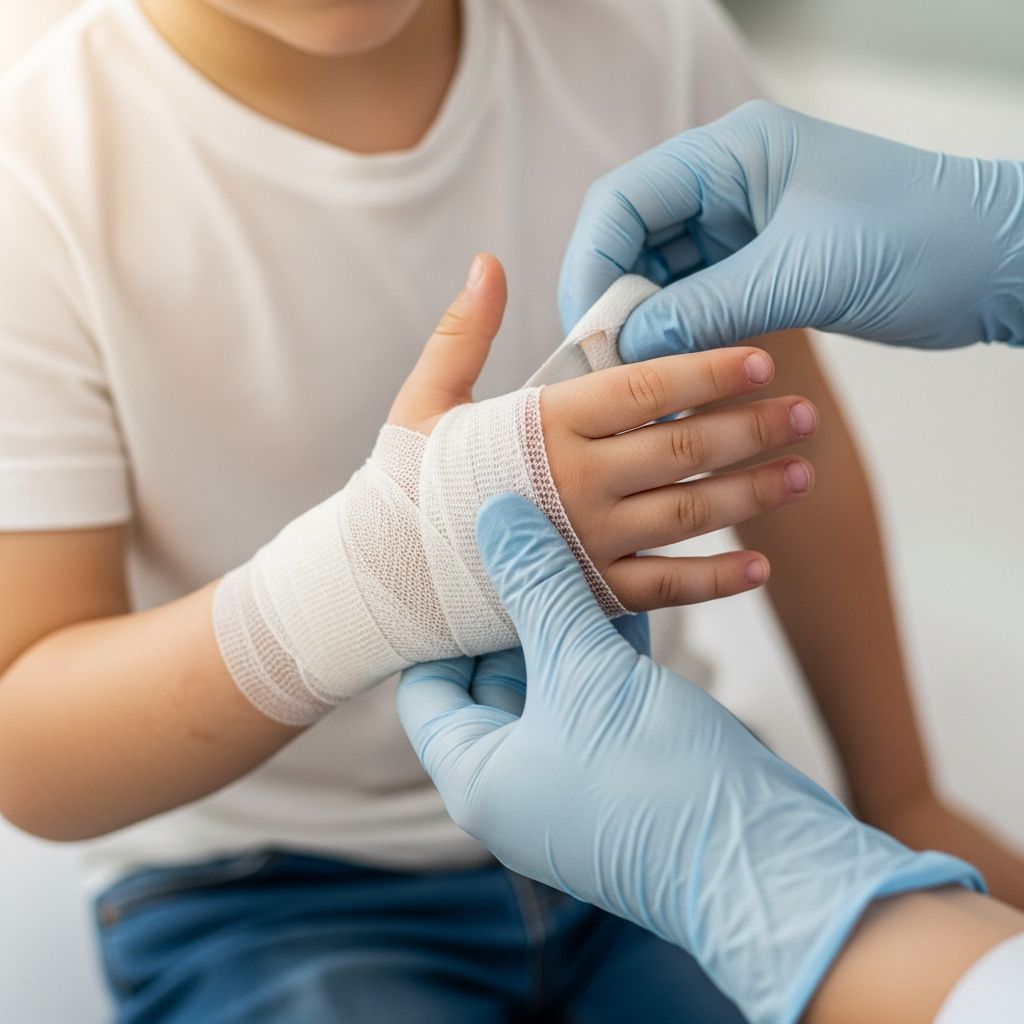
Burns represent one of the leading causes of injury among children, often occurring in everyday home environments from hot liquids, flames, or electrical sources. Quick parental response can significantly reduce damage and promote faster healing. This guide equips parents with knowledge on prevention, immediate actions, treatment protocols, and recovery strategies.
Understanding Different Types of Burns in Children
Children’s skin is thinner and more sensitive than adults’, making them prone to deeper injuries from the same heat exposure. Burns are classified by depth and severity, which determines treatment needs.
- Surface-level burns: Affect only the outer skin layer, appearing red, painful, and dry, similar to a mild sunburn. These typically heal within a week without scarring.
- Partial-depth burns: Penetrate deeper, forming blisters and intense pain. Healing takes 1-3 weeks and may leave minor marks if not cared for properly.
- Full-depth burns: Destroy all skin layers, appearing white, leathery, or charred with little pain due to nerve damage. These require professional medical intervention and often surgical care.
- Chemical or electrical burns: Caused by corrosive substances or currents, potentially damaging internal tissues beyond visible skin injury.
Scalds from hot water or food are the most common in young kids, while older children face risks from fire or hot objects.
Critical Prevention Measures for Home Safety
Preventing burns starts with proactive home adjustments. Simple changes can eliminate most risks.
| High-Risk Area | Prevention Tips |
|---|---|
| Kitchen | Turn pot handles inward; keep hot drinks and oils away from edges; supervise children during cooking. |
| Bathroom | Test water temperature before use (under 48°C/120°F); install anti-scald devices on faucets; never leave kids unattended. |
| General Home | Store matches/lighters out of reach; use cordless irons; set smoke alarms and create escape plans. |
| Outdoor/Play | Avoid playground equipment in sun (can heat up); teach fire safety around barbecues or campfires. |
Feed toddlers main meals earlier when supervision is easier, and schedule baths during low-distraction times. Regular safety checks reduce incidents by up to 70% according to child health experts.
Immediate First Aid: The 20-Minute Rule
The golden rule for any child burn is to cool it immediately with running cool water—not ice—for at least 20 minutes. This halts the burning process beneath the skin, easing pain and minimizing depth.
- Remove from source: Get the child away from heat, flame, or chemical immediately.
- Cool the area: Hold under cool running tap water for 20 minutes. For facial burns, use a cool wet cloth. Keep the child’s body warm with a blanket to prevent shock.
- Remove constrictions: Gently take off jewelry or clothing near the burn before swelling starts, but leave anything stuck in place.
- Protect the wound: Cover loosely with clean gauze, cloth, or plastic wrap. Avoid tight wrapping.
- Pain relief: If alert, give age-appropriate ibuprofen or acetaminophen.
Critical don’ts: Never use ice (risks frostbite), butter, oils, toothpaste, or sprays—these trap heat and increase infection risk. Do not pop blisters, as they shield against bacteria.
This first aid works effectively up to 3 hours post-injury. For chemical burns, flush with water after removing the agent without letting it contact your skin.
When to Call Emergency Services or Visit a Doctor
Not all burns heal at home. Seek urgent care based on these criteria:
- Any full-depth burn or larger than a 20-cent piece.
- Burns on face, hands, feet, genitals, or joints.
- Signs of inhalation injury (soot around mouth, breathing issues).
- Child under 5 with any blistering burn.
- Electrical, chemical, or explosion-related injuries.
Call ambulance for severe cases while cooling the burn. For others, go to hospital or pediatrician promptly.
Medical Treatment and Wound Management
Hospital care for serious burns involves debridement (removing dead tissue), dressings, infection prevention via antibiotics, and pain control. Specialized centers like Shriners use skin substitutes, laser therapy for scars, and nutritional support to rebuild muscle. Physiotherapy prevents contractures, especially in growing children. Tetanus boosters may be needed for open wounds.
Minor burns at home: Clean gently with water, apply antibiotic ointment if open, and cover daily. Watch for infection signs like increased redness, pus, or fever.
Supporting Recovery and Minimizing Scars
Healing varies: superficial burns peel in days; deeper ones take weeks. Daily care includes:
- Moisturizing healed skin with aloe or unscented lotion to reduce dryness.
- Sun protection (SPF 30+) for 1-2 years to prevent discoloration.
- Pressure garments or silicone sheets for scar management in moderate cases.
- Emotional support: Burns can cause anxiety or PTSD; counseling helps.
Nutrition rich in protein, vitamins A/C, and zinc speeds recovery. Rehab focuses on mobility and function. Most children recover fully with proper care, avoiding long-term issues.
Frequently Asked Questions (FAQs)
What if my child has a small kitchen scald?
Cool under water 20 minutes, cover loosely, and monitor. See a doctor if blistering occurs.
Is ice ever okay for burns?
No, ice damages tissue further. Stick to cool running water.
How long do burns take to heal in kids?
Surface: 3-7 days; partial: 1-3 weeks; full-depth: months with medical help.
Can home remedies like honey help?
Avoid unproven remedies; use prescribed ointments only.
What about burns from irons or hair straighteners?
Cool immediately; these contact burns deepen fast—seek medical advice.
Long-Term Safety Education for Families
Teach kids age-appropriate fire safety: stop-drop-roll, crawl low under smoke. Install carbon monoxide detectors. Annual home audits keep vigilance high. Programs from organizations like the American Burn Association emphasize education.
By combining prevention, swift first aid, and follow-up care, parents can protect children effectively. Stay informed and prepared.
References
- Pediatric Burn Care — Shriners Children’s. 2023. https://www.shrinerschildrens.org/en/pediatric-care/burn-care
- Burns and scalds – children — Better Health Channel. 2023. https://www.betterhealth.vic.gov.au/health/conditionsandtreatments/burns-and-scalds-children
- Burn First Aid — American Burn Association. 2023. https://www.ameriburn.org/patients/burn-first-aid
- Burn First Aid — Centre for Children’s Burns and Trauma Research. 2023. http://www.ccbtr.com.au/burn-first-aid/
- Burns and scalds – prevention and first aid — Royal Children’s Hospital Melbourne. 2023. https://www.rch.org.au/kidsinfo/fact_sheets/Burns_prevention_and_first_aid/
- What to Do About Burns — Nemours KidsHealth. 2023. https://kidshealth.org/en/parents/burns-sheet.html