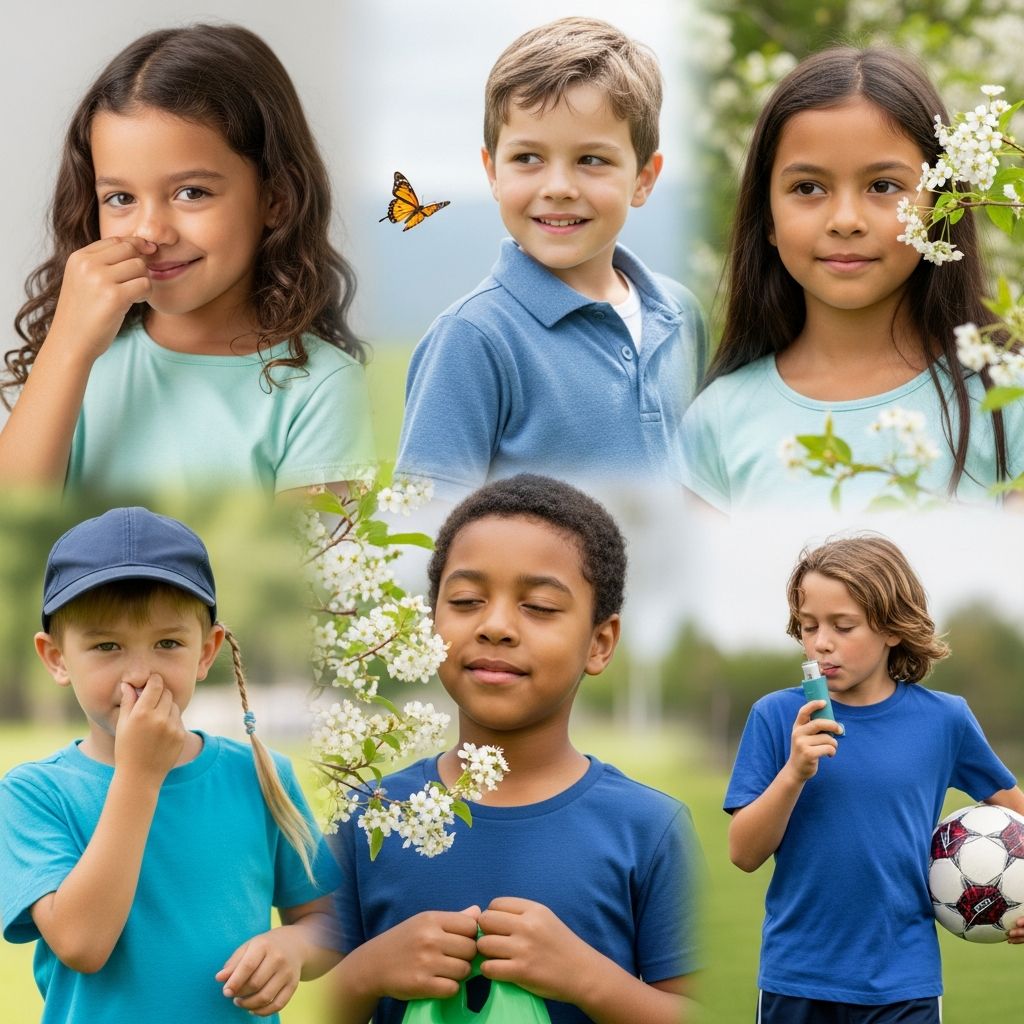
Allergies affect millions of children worldwide, causing discomfort from mild itching to severe reactions. These immune system responses to harmless substances can impact daily life, but with proper knowledge and strategies, parents can help their kids thrive.
What Causes Allergies in Children?
The immune system in young kids sometimes mistakes safe things like pollen or peanuts for threats, releasing chemicals like histamine that trigger symptoms. Children’s developing immunity makes them prone to this overreaction, though some may outgrow certain allergies over time.
Common categories include:
- Food allergies: Triggered by proteins in foods, often the ‘Big Nine’: milk, eggs, peanuts, tree nuts, soy, wheat, fish, shellfish, and sesame.
- Environmental allergies: From pollen, dust mites, pet dander, or mold.
- Insect stings: Venom from bees or wasps.
- Medications or contact: Rarely, reactions to drugs or skin irritants like nickel.
Seasonal changes amplify issues, with spring tree pollen and fall weeds peaking reactions.
Recognizing Allergy Symptoms in Kids
Symptoms vary by allergen but often involve the skin, respiratory system, eyes, or gut. Early detection prevents escalation.
| Body Area | Common Symptoms |
|---|---|
| Skin | Hives, redness, itching, swelling, eczema flare-ups |
| Eyes | Watery, itchy, red, swollen |
| Nose/Throat | Sneezing, runny/stuffy nose, post-nasal drip, sore throat, swollen lips/tongue |
| Lungs | Coughing, wheezing, tightness, shortness of breath |
| Stomach | Nausea, vomiting, cramps, diarrhea (food-related) |
Severe cases, called anaphylaxis, demand immediate action: widespread hives, throat swelling, breathing trouble, or drop in blood pressure. Use epinephrine and call emergency services.
Types of Allergies Kids Face Most
Food Allergies
Affecting about 8% of children, these can cause rapid reactions post-eating. Peanuts, milk, and eggs top the list, accounting for most cases. Unlike intolerances, true allergies involve IgE antibodies.
Seasonal and Environmental Allergies
Pollen from trees (spring), grasses (summer), weeds (fall), plus indoor dust mites and pet dander year-round. These lead to hay fever, impacting sleep and school.
Skin and Respiratory Allergies
Eczema often links to food or dust mites; asthma worsens with allergens, causing wheezing.
How Doctors Diagnose Allergies
Pediatric allergists use history, exams, and tests. Skin prick tests apply tiny allergen amounts to skin, checking for wheals in 15-20 minutes—safe from infancy.
Blood tests measure IgE levels. For food allergies, supervised challenges confirm reactions. Early diagnosis guides management.
Treatment Options for Children’s Allergies
No cure exists, but control is achievable via avoidance, meds, and immunotherapy.
Avoidance Strategies
- Read labels meticulously for hidden ingredients.
- Use air purifiers, allergen covers on bedding, frequent washing.
- Keep windows closed during high pollen; shower post-outdoors.
Medications
Antihistamines block histamine: Zyrtec (from age 2, fast relief, possible drowsiness), Claritin (non-drowsy, age 2+), Allegra (age 6+, no sedation).
Nasal sprays like Flonase or Nasacort (age 4+ and 2+) reduce inflammation over days. Inhalers aid asthma.
For anaphylaxis, epinephrine auto-injectors like EpiPen are essential.
Immunotherapy
Allergy shots or sublingual tablets desensitize over years, effective for environmental allergies.
Daily Management Tips for Parents
Create an action plan detailing symptoms, meds, and contacts—share with schools/caregivers.
- Track symptoms and triggers via apps or journals.
- Educate kids age-appropriately on self-advocacy.
- Prepare for school: nut-free notes, epi-pen access.
- Regular allergist visits monitor progress; some outgrow food allergies.
School and Social Life with Allergies
Communicate with teachers for safe environments. Teach peers about allergies to reduce bullying. Field trips need extra planning.
Potential for Outgrowing Allergies
Many kids outgrow milk/egg allergies by school age, but peanut/tree nut persist. Annual testing assesses.
Frequently Asked Questions
Can my child outgrow their allergies?
Yes, especially food allergies like milk or eggs; retesting helps confirm.
When should I see an allergist?
If over-the-counter meds fail or reactions worsen; early for severe cases.
Are allergy meds safe for toddlers?
Many are from age 2; always consult pediatrician for dosing.
How do I handle allergies at school?
Provide action plan, train staff on epi-pen, inform about restrictions.
What’s anaphylaxis and how to respond?
Life-threatening reaction; inject epinephrine, call 911, keep calm.
References
- Navigating Childhood Allergies: A Guide for Parents — Family Allergy. 2024. https://familyallergy.com/allergies/navigating-childhood-allergies-a-guide-for-parents/
- A Guide For Kids With Allergies — McGovern Allergy. 2024. https://mcgovernallergy.com/kids-with-allergies/
- Understanding Children’s Allergies: A Guide to Pediatric Allergists — ARAOC. 2024. https://www.araoc.com/blog/understanding-childrens-allergies-a-guide-to-pediatric-allergists
- Understanding and Managing Your Child’s Allergies: A Parent’s Guide — Castle Rock Pediatrics. 2024. https://www.castlerockpediatrics.com/blog/blog-post-title-three-c7jts
- A Guide to Seasonal Allergies in Kids — Lurie Children’s Hospital. 2024. https://www.luriechildrens.org/en/blog/a-guide-to-seasonal-allergies-in-kids/
- Allergies in Children and Teens e-Book — Carolina Asthma & Allergy Center. 2024. https://www.carolinaasthma.com/allergies-children-teens-guide/
- A Parent’s Guide to Managing Your Child’s Allergies — MHAWNY. 2024-10-10. https://mhawny.com/2024/10/10/a-parents-guide-to-managing-your-childs-allergies/