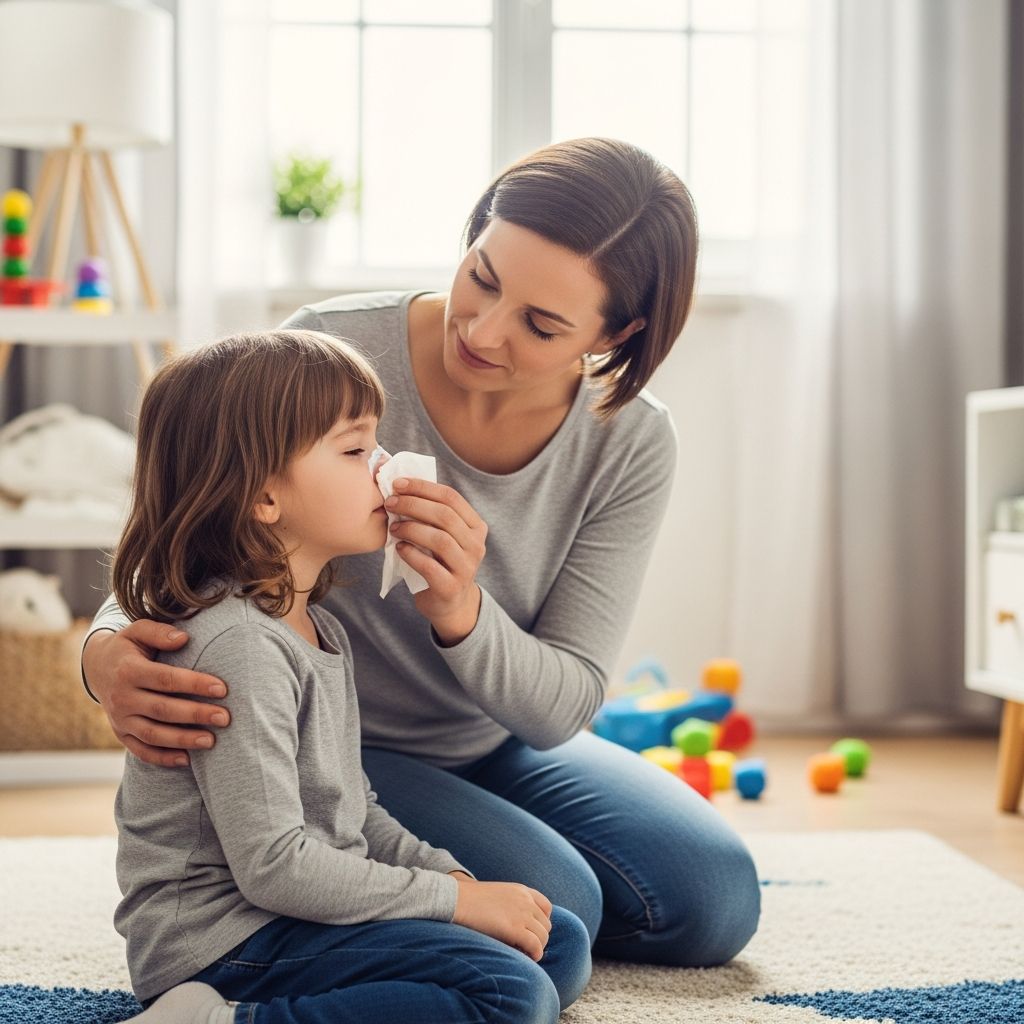
Allergies affect millions of children worldwide, causing discomfort from mild itching to severe breathing issues. Understanding these reactions empowers parents to protect their kids through smart strategies and timely interventions.
Understanding Allergic Reactions in Young Ones
The immune system in children sometimes overreacts to harmless substances, mistaking them for threats. This triggers histamine release, leading to inflammation and various symptoms. Unlike adults, kids’ developing bodies may show unique responses, such as frequent ear infections alongside nasal issues.
Genetic factors play a role; if family members have allergies, children are at higher risk. Environmental exposures early in life can influence sensitivity development. Early detection allows for better control, preventing complications like asthma or sleep disturbances that impact school performance.
Spotting the Signs: Common Symptoms
Recognizing allergy symptoms early is crucial. Children might not articulate discomfort clearly, so parents must observe changes in behavior or physical signs.
- Nasal issues: Persistent runny or stuffy nose, frequent sneezing, postnasal drip causing coughs.
- Eye irritation: Watery, red, itchy eyes that rub constantly.
- Skin reactions: Hives, eczema flares, or red rashes after contact with triggers.
- Respiratory distress: Wheezing, shortness of breath, especially during play.
- Gastrointestinal upset: Stomach cramps, vomiting, or diarrhea post-meal.
- Other clues: Chronic ear infections, fatigue from poor sleep due to congestion.
These symptoms often worsen seasonally or in specific environments, distinguishing them from colds. Allergic rhinitis, or hay fever, tops the list as the most prevalent condition, affecting nose and eyes primarily.
Typical Triggers Parents Should Know
Allergens vary by age and location. Infants face food-related issues, while school-age kids encounter pollen or pets.
| Allergen Type | Examples | Peak Seasons/Areas |
|---|---|---|
| Pollen | Grass, trees, ragweed | Spring, summer, fall outdoors |
| Dust Mites | Bedding, carpets | Year-round indoors |
| Pet Dander | Cats, dogs saliva/skin | Year-round with exposure |
| Mold | Damp areas, outdoors | Fall, rainy periods |
| Foods | Milk, eggs, nuts, shellfish | Anytime via diet |
Avoiding these starts with awareness. For instance, pollen counts rise on windy days, prompting indoor stays.
Proven Prevention Tactics for Families
The cornerstone of allergy management is minimizing exposure. Simple home adjustments yield big results.
- Keep windows closed during high pollen seasons; use air purifiers with HEPA filters.
- Weekly hot-water washing of bedding kills dust mites; encase mattresses in allergen-proof covers.
- Bathe pets regularly and restrict them from bedrooms.
- Clean moist areas to curb mold; fix leaks promptly.
- Read food labels; introduce new foods gradually in young children.
For infants, saline nasal rinses clear passages gently without drugs. Cool-mist humidifiers ease dryness, but clean them to avoid mold. Tracking symptoms with a journal helps pinpoint triggers accurately.
Medication Options: From OTC to Prescription
When avoidance falls short, medications provide relief. Most are safe for kids when age-appropriate.
Over-the-Counter Choices:
- Antihistamines (e.g., loratadine, cetirizine): Block histamine to reduce itching, sneezing. Choose non-drowsy formulas for daytime.
- Nasal saline sprays: Flush allergens; safe for all ages.
- Steroid nasal sprays: Decrease inflammation; effective for congestion with good safety profiles.
- Eye drops: Relieve itchiness.
Prescription Advances: Stronger antihistamines, leukotriene modifiers for asthma-linked allergies, or anti-IgE injections like omalizumab for severe cases in kids over 6 with specific IgE levels.
Always check labels to avoid doubling up on antihistamines. Consult pediatricians for dosing, especially under 2 years. Trial family-favorite antihistamines first, as genetics influence response.
Advanced Therapies: Retraining the Immune System
For persistent allergies, immunotherapy modifies responses long-term. It’s ideal when symptoms disrupt life despite other measures.
Allergy shots (subcutaneous immunotherapy) involve gradual allergen doses under the skin, building tolerance. Starting with tiny, diluted amounts, doses increase weekly to a maintenance level. Sessions occur in clinics for safety.
Oral options exist for certain pollen allergies, with age and sensitivity criteria. These reduce medication needs and symptoms over years. Success rates are high, but commitment spans 3-5 years.
When to Consult Specialists
Not all allergies need experts, but see one if:
- Symptoms persist despite OTC treatments.
- Breathing issues or swelling occur.
- Daily activities are impaired.
- Food reactions are suspected.
Allergists perform skin or blood tests to confirm triggers precisely. They tailor plans, possibly including immunotherapy. Early specialist input prevents escalations like chronic sinusitis.
Daily Life Adjustments for Allergy-Friendly Homes
Beyond basics, integrate habits seamlessly:
- Vacuum with HEPA filters twice weekly; remove carpets if possible.
- Use allergen-reducing laundry detergents.
- Encourage handwashing post-outdoor play.
- Monitor school environments; inform teachers of triggers.
- Boost immunity via balanced diet, exercise, sleep—especially in flu season.
For travel, pack meds and check pollen forecasts. Schools may require action plans for anaphylaxis risks.
Long-Term Outlook and Growth Factors
Many children outgrow allergies, particularly food-related ones, but respiratory types often persist. Consistent management improves quality of life, reducing asthma odds. Annual check-ins track progress.
Frequently Asked Questions (FAQs)
Can children outgrow allergies?
Yes, some do, especially food allergies, but others like pollen may continue. Regular monitoring helps.
Are allergy shots safe for kids?
Yes, when administered by professionals. They start low and monitor reactions closely.
What’s the first step if I suspect allergies?
Avoid suspected triggers and see a pediatrician for evaluation and testing.
Can I use adult allergy meds for my child?
No, always use child-formulated products and follow age guidelines.
How do I manage allergies during school?
Share plans with school, provide meds, and teach kids self-advocacy.
References
- Allergy Treatments — Riley Children’s Health. 2023. https://www.rileychildrens.org/health-info/allergy-treatments
- All About Children’s Allergies — Allegra. 2024. https://www.allegra.com/en-us/understanding-allergies/all-about-childrens-allergies
- 8 Tips for Managing Allergies in Infants and Young Children — FMC. 2023. https://www.fmcdrbarnett.com/better-health-blog/8-tips-for-managing-allergies-in-infants-and-young-children
- Seasonal Allergies: Keeping Symptoms in Check — CHOP. 2024. https://www.chop.edu/news/health-tip/seasonal-allergies-keeping-symptoms-check
- Managing Seasonal Allergies in Kids — Children’s Healthcare of Atlanta. 2024. https://www.choa.org/parent-resources/allergy/managing-seasonal-allergies-in-kids
- Children and Allergies — ACAAI Public Website. 2024. https://acaai.org/allergies/allergies-101/who-gets-allergies/children/
- Allergies in Children — Cedars-Sinai. 2023. https://www.cedars-sinai.org/health-library/diseases-and-conditions—pediatrics/a/allergies-in-children.html
- Allergy Relief for Your Child — FDA. 2023-01-17. https://www.fda.gov/consumers/consumer-updates/allergy-relief-your-child