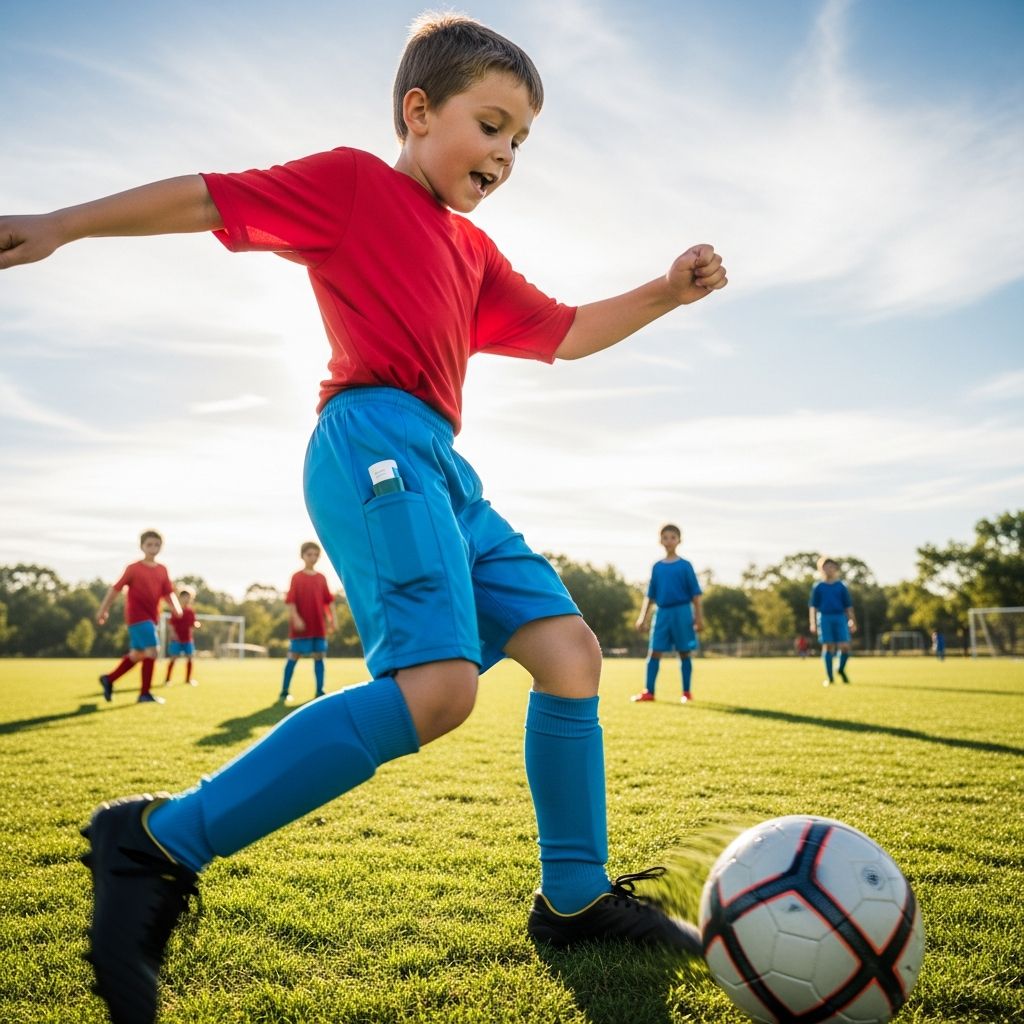
Children with asthma can lead vibrant, athletic lives without their condition holding them back. With targeted management, including medications, preparation techniques, and environmental adjustments, kids can excel in sports while keeping symptoms at bay.
Understanding Exercise-Related Asthma in Children
Asthma affects breathing by causing airways to narrow, particularly during physical exertion. In kids, this often manifests as **exercise-induced bronchoconstriction (EIB)**, where symptoms like wheezing, shortness of breath, chest tightness, or coughing emerge 5-20 minutes into activity or shortly after stopping. This occurs due to rapid breathing pulling in cooler, drier air that irritates airways, leading to inflammation and mucus production.
Importantly, EIB does not bar children from sports; many elite athletes manage it successfully. Regular activity strengthens lungs, boosts endurance, and improves overall well-being, making exercise a cornerstone of asthma control. Parents play a key role by partnering with healthcare providers to craft personalized plans.
Signs to Watch For During Play and Sports
Recognizing early symptoms prevents escalation. Common indicators in active kids include:
- Persistent coughing, especially post-exercise
- Wheezing or whistling sounds when breathing
- Tightness or pain in the chest
- Shortness of breath that hinders play
- Fatigue disproportionate to activity level
If these appear, stop activity immediately, use reliever medication, and rest. Persistent issues warrant a doctor’s visit for evaluation, including lung function tests before and after exercise.
Building a Strong Foundation: Medical Management
Effective asthma control starts with professional guidance. Pediatricians or allergists assess severity through history, spirometry (measuring lung capacity), and exercise challenges simulating sports conditions.
Daily Controller Medications: Inhaled corticosteroids (ICS) reduce airway inflammation for ongoing protection, especially if relievers are needed over twice weekly. These are safe for long-term use in children.
Quick-Relief Options: Short-acting beta-agonists (SABA) like albuterol open airways fast. For EIB prevention, inhale 10-20 minutes pre-exercise; always carry it during activities.
Other Therapies: Leukotriene modifiers or mast cell stabilizers may complement treatment. Avoid over-relying on SABAs; frequent use signals need for step-up therapy.
| Medication Type | Purpose | Timing for Sports | Example |
|---|---|---|---|
| Controller (ICS) | Daily inflammation control | Every day, as prescribed | Fluticasone |
| Reliever (SABA) | Quick symptom relief/prevention | 10-20 min before exercise | Albuterol |
| Leukotriene Modifier | Reduces EIB triggers | Daily, per doctor | Montelukast |
Equip schools and coaches with inhalers and action plans detailing green (safe), yellow (caution), and red (emergency) zones.
Preparation Techniques for Safe Play
Non-drug strategies enhance medication efficacy and build resilience.
Warm-Up and Cool-Down: Begin with 15-20 minutes of light activity like walking or dynamic stretches to acclimate airways. End similarly to prevent sudden constriction. This ‘refractory period’ can protect for up to 2 hours.
Breathing Practices: Teach pursed-lip breathing—inhale nose, exhale slowly through pursed lips—to maintain steady airflow.
Hydration and Monitoring: Drink water steadily to avoid dehydration, which worsens symptoms. Use heart rate monitors to stay in safe zones, consulting providers for targets.
Navigating Environmental Challenges
Triggers like cold air, pollen, pollution, or chlorinated pools exacerbate EIB. Proactive checks ensure safety.
- Air Quality: Use AQHI apps; opt indoors if high.
- Pollen/Allergens: Exercise post-midday when counts drop; track forecasts.
- Cold Weather: Cover mouth with scarf to warm air; choose indoors.
- Strong Odors/Smog: Avoid peak times; use masks if needed.
For pools, discuss sensitivity with doctors—some kids tolerate with pre-medication.
Choosing the Right Sports for Asthmatic Children
All sports are viable with management, but some suit beginners better due to breathing demands.
Lower-Intensity Options: Swimming (humid air benefits airways), walking, golf, baseball—short bursts, warm environments.
Higher-Intensity with Precautions: Soccer, basketball, running—use extended warm-ups, meds.
Winter Sports: Ice hockey, skiing require scarves and indoor alternatives if severe.
Encourage pursuit of passions; limitations stem from poor control, not asthma itself.
Role of Parents, Schools, and Coaches
Collaboration is vital. Parents should:
- Update asthma action plans yearly or with changes.
- Supply duplicate inhalers to schools/coaches.
- Educate on symptoms and response.
Communicate with PE teachers for modifications like indoor options or rest breaks. Coaches monitor for fatigue, ensuring quick access to meds.
Long-Term Benefits of Sports for Kids with Asthma
Regular exercise fortifies respiratory muscles, cuts daily symptoms, and curbs exacerbations. It fosters confidence, social bonds, and healthy weight—countering sedentary risks. Studies affirm athletes with managed EIB compete at top levels.
Track progress with peak flow meters at home/practices for early warnings.
Frequently Asked Questions (FAQs)
Can kids with asthma play competitive sports?
Yes, with proper management. Many Olympians do; focus on control, not restriction.
How soon before sports should my child use their inhaler?
10-20 minutes prior for prevention; always carry for use.
What if symptoms start during exercise?
Stop, rest, use reliever, resume lightly if improved. Seek medical help if persists.
Is swimming good for asthmatic kids?
Often ideal due to warm, moist air; confirm pool tolerance.
Should I let my child exercise in cold weather?
Use scarf over mouth, warm up longer, or go indoors.
Emergency Preparedness and When to Seek Help
Arm with action plans specifying peak flow thresholds. Emergencies (no relief post-reliever, blue lips, severe distress) demand immediate ER care. Regular check-ups adjust plans seasonally.
Empower kids to self-advocate: ‘I need my inhaler’ builds independence.
References
- Asthma & Exercise — Asthma Canada. 2023. https://asthma.ca/get-help/living-with-asthma/exercising-asthma/
- Should Asthma Prevent Exercise? — Carolina Asthma & Allergy Center. 2024-05-15. https://www.carolinaasthma.com/blog/should-asthma-prevent-exercise/
- Exercise-Induced Asthma: Managing Respiratory Issues in Athletes — National Center for Biotechnology Information (PMC). 2024-01-12. https://pmc.ncbi.nlm.nih.gov/articles/PMC10801521/
- Management of Asthma in Athletes — National Athletic Trainers’ Association (NATA). 2025-08. https://www.nata.org/sites/default/files/2025-08/mgmtofasthmainathletes.pdf
- Asthma and Exercise — Allergy Asthma Network. 2024. https://allergyasthmanetwork.org/what-is-asthma/asthma-exercise/
- Asthma and Exercise for Children and Adults — American Thoracic Society. 2023. https://www.thoracic.org/patients/patient-resources/resources/asthma-and-exercise.pdf
- Exercise and Asthma — American Academy of Allergy, Asthma & Immunology (AAAAI). 2024. https://www.aaaai.org/tools-for-the-public/conditions-library/asthma/exercise-and-asthma
- Asthma and Exercise — American Lung Association. 2025. https://www.lung.org/lung-health-diseases/lung-disease-lookup/asthma/managing-asthma/asthma-and-exercise