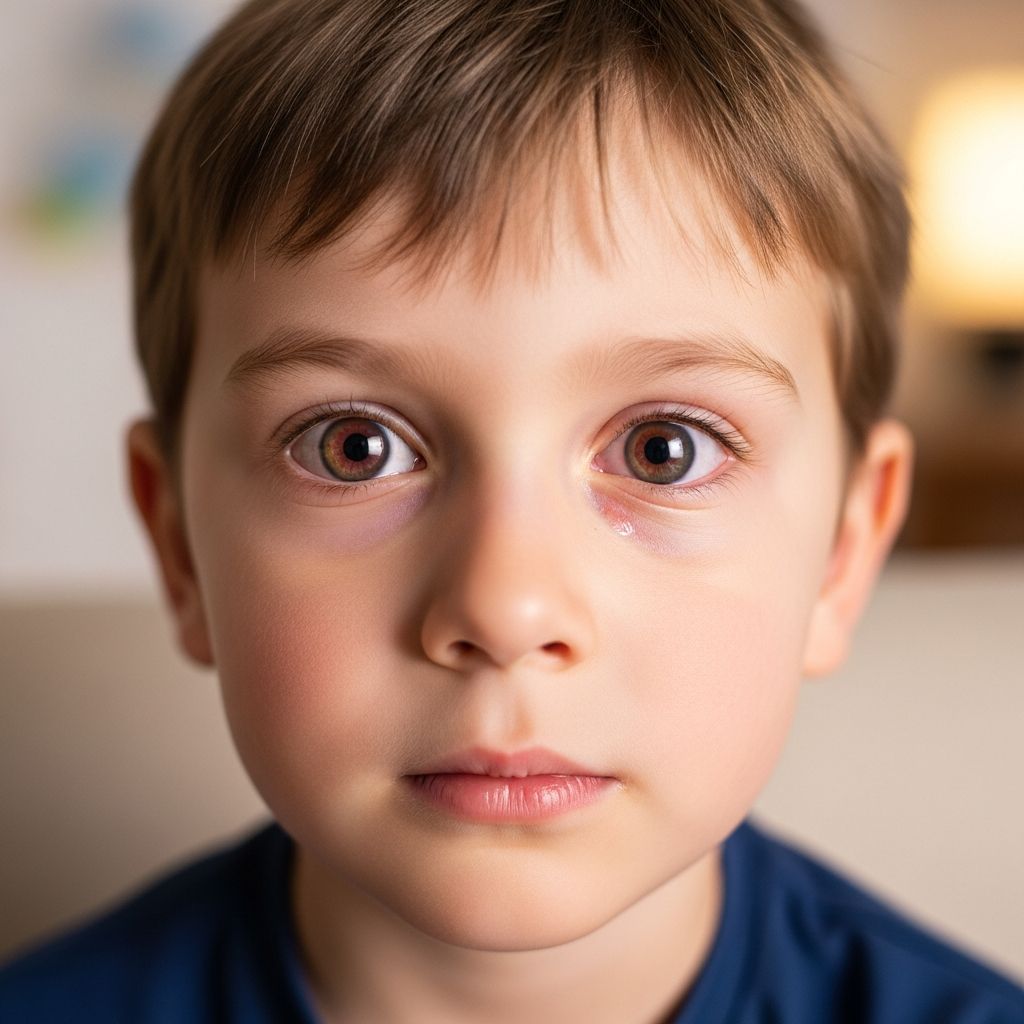
Stress is not only an adult problem. Children also experience pressure, worry, and emotional overload, even when they seem to be living carefree lives. When parents understand what childhood stress looks like and how to respond, they can protect their child’s wellbeing and lay the foundation for lifelong resilience.
What Is Stress in Children?
Stress is the body and brain’s natural reaction to a challenge, change, or threat. In small amounts, it can be useful, helping kids focus for a test or learn a new skill. But when stress is intense, frequent, or long-lasting, it can affect a child’s mood, sleep, learning, and physical health.
Children may not always have the words to describe what they feel. Instead, stress often appears as changes in behavior, energy, or body complaints such as headaches or stomachaches.
| Type of Stress | Typical Features | Examples for Kids |
|---|---|---|
| Everyday (mild) stress | Short-term, manageable, helps learning and growth | First day at a new activity, a quiz, learning to ride a bike |
| Ongoing stress | Repeated or long-lasting, harder to shake off | Bullying, frequent moves, family conflict |
| Serious or toxic stress | Strong, prolonged stress without enough support | Abuse, neglect, chronic violence, severe family hardship |
Common Causes of Stress in Kids
Stressors can come from many parts of a child’s life. Even events that seem small to adults can feel overwhelming to a young child.
School and Learning Pressures
- Heavy homework, tests, and performance expectations
- Struggles with reading, math, or attention
- Changing teachers, new schools, or large classes
- Peer conflicts, bullying, or feeling left out
Family and Home Life Changes
- Parental conflict, separation, or divorce
- A new sibling, step-family changes, or moves
- Illness, disability, or mental health concerns in the family
- Financial pressures that affect housing, food, or routines
Social, Community, and Global Events
- Exposure to violence, discrimination, or community conflict
- Worries about safety, health outbreaks, or disasters
- Information overload from news, social media, and screens
Inside the Child: Temperament and Sensitivity
- Children who are naturally cautious or sensitive may react more strongly to change.
- Kids with attention, mood, or learning differences may feel stress more often.
- Previous difficult experiences can make new stressors feel extra intense.
How Stress Shows Up: Signs by Age
Stress rarely looks the same in every child. Age, personality, and culture influence how kids express discomfort. These patterns are common but not universal.
Young Children (Preschool and Early Elementary)
- Increased crying, clinginess, or fear of separation
- New fears or nightmares
- Regression (bedwetting, thumb-sucking, baby talk)
- Frequent stomachaches or headaches with no clear medical cause
- Tantrums, irritability, or sudden changes in mood
Older Children and Preteens
- Worrying a lot about school, friends, or mistakes
- Sleep problems: trouble falling asleep, restless sleep, or early waking
- Drop in school performance or avoiding schoolwork
- Complaints of feeling tired, tense, or “on edge”
- Changes in appetite or increased physical complaints
Teens
- Withdrawing from family, spending much more time alone
- Seeming angry, critical, or easily annoyed
- Risky behaviors such as substance use or unsafe driving
- Over-scheduling with activities or, the opposite, losing interest in hobbies
- Expressions of hopelessness, low self-worth, or feeling “overwhelmed”
If stress signs are intense, last several weeks, or interfere with daily life, it may be time to consult a pediatrician or mental health professional.
How Stress Affects the Body and Brain
When a child feels stressed, the body releases hormones such as cortisol and adrenaline. These chemicals speed up heart rate and breathing and prepare the body to face a challenge.
- Short-term: Can sharpen focus, energy, and motivation.
- Long-term without support: May contribute to sleep problems, weakened immunity, anxiety, and difficulties with attention and learning.
Supportive, stable relationships with caring adults protect children from the harmful effects of ongoing stress. When a child feels understood and safe, their body’s stress response can return to a healthy baseline more easily.
Everyday Skills Parents Can Teach to Manage Stress
Parents cannot remove all stress from their child’s life, but they can teach simple tools that help kids cope more effectively. Many of these skills are also recommended for adults.
1. Calming the Body: Breathing and Relaxation
Slow, deep breathing signals the nervous system to relax and can quickly bring down a racing heart or tense muscles.
- Belly breathing: Ask your child to place a hand on their stomach, breathe in through the nose for a slow count (for example, to 4), feel the belly rise, then breathe out gently through the mouth for a longer count (for example, to 6).
- Progressive muscle relaxation: Invite them to gently tighten muscle groups (hands, shoulders, feet) for a few seconds and then fully relax them.
- Guided imagery: Help them imagine a favorite calm place—such as a beach, forest, or cozy room—while breathing slowly.
2. Moving the Body: Physical Activity
Regular movement supports both mental and physical health and is a proven stress reliever for children and adults.
- Outdoor play such as biking, walking, or playing catch
- Dancing to music at home
- Organized sports, swimming, or playground time
- Short “movement breaks” between homework tasks
The U.S. Department of Health and Human Services recommends that school-age children and teens get at least 60 minutes of physical activity most days, including aerobic exercise and activities that strengthen muscles and bones.
3. Creating Calm Routines
Predictable routines provide a sense of safety and control, which can reduce stress. Simple daily habits can make a big difference.
- Regular bedtimes and wake times that allow enough sleep
- Calm wind-down time before bed (dim lights, quiet activities, limited screens)
- Unhurried moments for meals, conversation, and play
- Clear, consistent rules and expectations
4. Encouraging Emotional Expression
Children who can name and express feelings are better able to manage them over time.
- Use simple feeling words in everyday talk: “You look disappointed” or “That sounds frustrating.”
- Invite expression through drawing, journaling, music, or play.[10]
- Model sharing your own emotions and coping strategies in age-appropriate ways.
- Validate rather than dismiss feelings (for example, “I can see why that upset you”).
5. Building Problem-Solving Skills
Stress often shrinks a child’s view of what is possible. Problem-solving restores a sense of control and capability.
- Break big problems into small, manageable steps.
- Brainstorm several options together before choosing one.
- Role-play difficult situations, like talking to a teacher or friend.
- Celebrate small successes to reinforce confidence.
6. Practicing Gratitude and Positive Focus
Focusing on what is going well, even in small ways, can help balance out stress and worry.
- Share one good thing from the day at dinner or bedtime.
- Keep a simple “gratitude jar” and add notes regularly.
- Notice and praise your child’s efforts, not only outcomes.
How Parents Can Create a Lower-Stress Home
Home does not have to be perfect, but it can be a place where a child feels heard, respected, and loved. Small, consistent actions matter more than big, rare ones.
Modeling Healthy Coping
- Talk openly (but calmly) about your own stress and how you handle it, such as taking a walk or calling a friend.
- Avoid using only screens, food, or substances as your own stress relief.
- Apologize when you react in ways you do not like and show how you repair relationships.
Protecting Sleep, Nutrition, and Screen Time
- Prioritize enough sleep, which is essential for emotional health and coping.
- Offer regular, balanced meals and snacks to keep energy steady.
- Set reasonable boundaries around screen time and content, and balance it with offline play and rest.
Creating Time for Connection and Play
- Build in one-on-one time, even 10–15 minutes, where your child leads the activity.
- Laugh together through games, stories, or shared hobbies. Humor can ease the body’s stress response.
- Encourage unstructured play, which helps children process experiences and feelings.
When to Seek Extra Help
Sometimes a child’s stress goes beyond what home strategies can address. Professional support is a sign of care, not failure.
Consider reaching out to a pediatrician, school counselor, or mental health professional if:
- Stress signs last for several weeks or keep getting worse.
- Your child avoids school, activities, or friends they once enjoyed.
- There are big changes in sleep, appetite, or energy.
- You notice self-harm, talk of not wanting to live, or other safety concerns.
Early support can prevent stress from turning into more serious anxiety, depression, or behavior problems. Many evidence-based therapies for children involve parents as partners, which can strengthen family coping for the long term.
Frequently Asked Questions (FAQs)
How much stress is normal for kids?
All children experience some stress, especially around changes, school demands, and social situations. Brief, manageable stress that is followed by support and recovery is part of healthy development. Stress becomes a concern when it is intense, long-lasting, or clearly interfering with sleep, learning, relationships, or mood.
Can stress cause physical symptoms in children?
Yes. Stress can show up as headaches, stomachaches, muscle tension, or fatigue, especially when medical causes have been ruled out. Children may also feel their heart racing or say they feel “jittery” or “sick” before stressful events.
What is the difference between stress and an anxiety disorder?
Stress is a response to specific pressures or situations, such as an exam or a move. Anxiety disorders involve more persistent, excessive worry or fear that is hard to control and that significantly interferes with daily life. A professional evaluation can help tell the difference and guide treatment.
How can I talk to my child about stress without making it worse?
Choose a calm time, listen more than you speak, and ask open questions like, “What has been the hardest part of your day lately?” Reflect back what you hear and validate their feelings. Avoid rushing to fix everything right away; instead, problem-solve together and offer reassurance that you will keep working on it as a team.
What if I feel too stressed myself to help my child?
Parents’ wellbeing strongly affects children’s stress. Seeking your own support—through friends, family, health providers, or counseling—is a powerful step for your child as well as for you. Even small improvements in your own coping can make home feel safer and calmer for your child.
References
- How to help children and teens manage their stress — American Psychological Association. 2022-10-01. https://www.apa.org/topics/children/stress
- Managing Stress — Centers for Disease Control and Prevention. 2024-01-11. https://www.cdc.gov/mental-health/living-with/index.html
- Stressed out kids? Signs and strategies — Mayo Clinic Health System. 2022-04-15. https://www.mayoclinichealthsystem.org/hometown-health/speaking-of-health/stressed-out-kids
- 7 stress relief techniques for kids — CHOC Children’s Health. 2022-08-01. https://health.choc.org/7-stress-relief-techniques-for-kids/
- Stress Relief Activities for Kids — Children’s Health. 2021-06-10. https://www.childrens.com/health-wellness/stress-relief-activities-for-kids
- Managing Stress in Children and Youth — U.S. Department of Health and Human Services / Office of the Surgeon General. 2021-12-07. https://www.hhs.gov/surgeongeneral/priorities/youth-mental-health/advisory/index.html