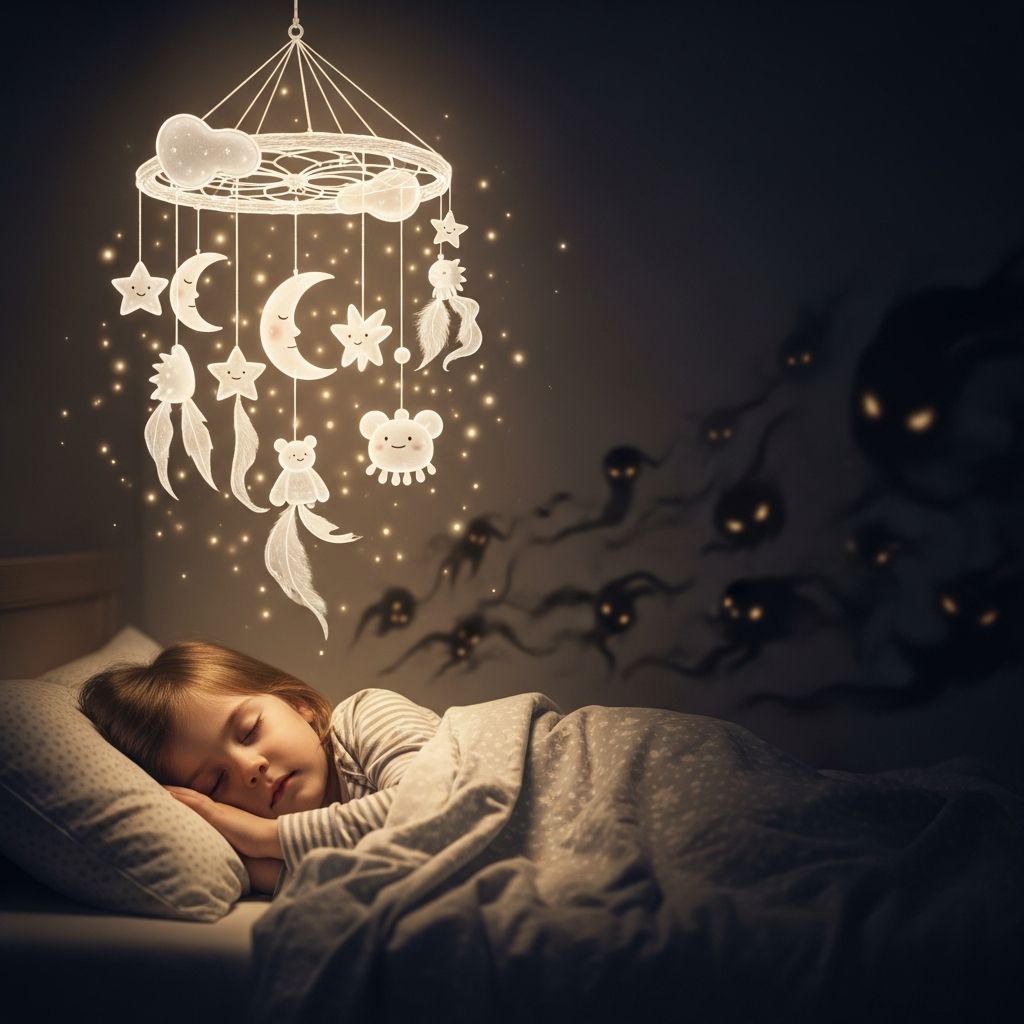
Childhood nightmares disrupt sleep and emotional well-being, but targeted approaches can significantly lessen their impact. This guide draws on expert insights to empower parents with tools for reassurance, routine-building, and therapeutic interventions.
Understanding Nightmares in Young Minds
Nightmares are vivid, disturbing dreams that awaken children, often leaving them frightened and reluctant to return to sleep. Unlike night terrors, which occur in deep non-REM sleep and are not remembered, nightmares happen during REM sleep, typically in the second half of the night. They peak between ages 3 and 6, affecting up to half of young children, and usually decline by adolescence.
Factors triggering nightmares include everyday stressors like new schools or family changes, exposure to frightening media, and underlying issues such as anxiety or trauma. One in six children with mental health challenges experiences chronic nightmares, which may persist even after treating the primary condition. Frequent episodes can create a cycle of sleep dread, bedtime resistance, and daytime fatigue.
Recognizing Signs and Differentiating Sleep Disturbances
- Classic nightmare indicators: Child wakes fully alert, recalls details vividly, seeks comfort, and struggles to resettle.
- Duration and frequency: Occasional events are normal; weekly or more signal potential disorder.
- Emotional aftermath: Heightened bedtime anxiety, co-sleeping demands, or behavioral changes.
Distinguish from night terrors: terrors involve screaming, thrashing, and unresponsiveness without recall upon waking. Sleepwalking often co-occurs with terrors, linked to family history. If unsure, track episodes in a sleep diary noting timing, duration, and triggers.
| Feature | Nightmares | Night Terrors |
|---|---|---|
| Sleep Stage | REM (later night) | Non-REM (early night) |
| Awareness | Fully awake, remembers dream | Inconsolable, no memory |
| Response to Comfort | Seeks and accepts it | Ignores or resists |
| Duration | Minutes to resettle | 5-15 minutes, then resumes sleep |
Building a Foundation: Daily Habits for Nightmare Prevention
Consistent routines foster security, reducing nightmare vulnerability. Limit screen time two hours before bed, as stimulating content imprints on the subconscious. Encourage winding-down with calm activities like reading or gentle play.
- Establish fixed bedtimes and wake times, even weekends.
- Create a soothing bedroom: cool, dark, quiet with familiar comforts.
- Promote physical activity daytime, avoiding vigorous play near bedtime.
- Watch diet: no caffeine or heavy meals late; opt for sleep-friendly snacks like bananas.
Address fears openly during the day. Validate emotions without dwelling: “It’s okay to feel scared; let’s think of brave ideas together.” This builds resilience without amplifying anxiety.
Immediate Response: Comforting After a Nightmare
When a child wakes crying, respond promptly but calmly to model safety. Sit with them, offer hugs, and listen without pressing for details if they’re too upset. Reassure: “You’re safe now; it was just a dream.” Use a nightlight or security object to ease return to bed.
Avoid inviting them into your bed routinely, as it may reinforce fears. Instead, stay briefly until calm, then guide back. Track patterns to preempt: if nightmares cluster at 2 AM, gently wake 15 minutes prior for a bathroom trip or reassurance.
Empowering Kids: Imagery Rehearsal and Dream Rescripting
Image Rehearsal Therapy (IRT), endorsed by the American Academy of Sleep Medicine, empowers children to rewrite scary dreams. Kids describe the nightmare, then craft a positive ending—turning monsters into friends or escaping via superpower. Rehearse daily for 10-20 minutes via drawing, writing, or visualization.
A randomized trial of 46 youth (ages 6-17) showed this five-session therapy slashed nightmare frequency and distress, boosting uninterrupted sleep nights. It blends CBT with relaxation, mindfulness, and self-efficacy building, effective even with comorbidities like PTSD. Self-guided versions sustain gains at nine-month follow-up.
How to Guide IRT at Home
- Have child recount or draw the dream safely.
- Brainstorm fun alterations: “What if the dragon shared ice cream?”
- Practice the new script 3-5 times daily, relaxed.
- Review progress weekly; adjust as needed.
- Pair with bedtime affirmations: “I direct my dreams.”
Advanced Interventions for Persistent Cases
For chronic nightmares, psychosocial treatments like Exposure, Relaxation, and Rescripting Therapy (ERRT) show medium effect sizes in reducing severity. Trauma-linked dreams benefit from narrative exposure or cognitive processing. Medications like prazosin are rarely first-line for kids, reserved for severe PTSD-related cases.
Counseling addresses root stressors; behavioral sleep interventions enforce routines with rewards. Novel pediatric therapies incorporate stress management, proving superior to controls.
When to Consult Professionals
- Nightmares exceed twice weekly for months.
- Accompany daytime anxiety, regression, or trauma signs.
- Disrupt family sleep or school performance.
- Suspected sleep disorder or medical issue.
Pediatricians may refer to sleep specialists or psychologists. Early intervention prevents escalation to nightmare disorder.
Frequently Asked Questions
Can screen time really cause nightmares?
Yes, violent or scary media primes the brain for disturbing REM dreams; limit exposure, especially evenings.
How long do childhood nightmares last?
Most outgrow by 10-12, but chronic ones need intervention.
Is medication safe for kids’ nightmares?
Rarely used; therapy preferred. SSRIs or prazosin only under specialist supervision.
What’s the difference between nightmares and bad dreams?
All nightmares are bad dreams, but clinical ones cause distress and awakenings.
Can diet affect nightmares?
Sugary or spicy late foods may; balanced nutrition supports sleep.
Long-Term Outlook: Fostering Lifelong Sleep Health
With consistent strategies, most children experience fewer nightmares, gaining confidence in sleep. Parents play a pivotal role: model calm, celebrate progress, and normalize dreams as brain processing. Track improvements via journals to reinforce gains. By addressing nightmares proactively, families cultivate resilient sleepers ready for life’s adventures.
References
- Nightmares in Children: Causes & Help — Sleep Foundation. 2023. https://www.sleepfoundation.org/nightmares/nightmares-in-children
- Newly Published Research Shows Effectiveness of Novel Nightmare Therapy for Children — University of Oklahoma Health Sciences Center. 2024-10-15. https://inside.ouhsc.edu/news/article/newly-published-research-shows-effectiveness-of-novel-nightmare-therapy-for-children
- Psychosocial treatments for nightmares in adults and children — PMC (NCBI). 2023-04-12. https://pmc.ncbi.nlm.nih.gov/articles/PMC10122409/
- Nightmare Disorder: What It Is, Symptoms & Treatment — Cleveland Clinic. 2023-07-20. https://my.clevelandclinic.org/health/diseases/24464-nightmare-disorder
- Nightmare disorder – Diagnosis and treatment — Mayo Clinic. 2024. https://www.mayoclinic.org/diseases-conditions/nightmare-disorder/diagnosis-treatment/drc-20353520
- Nightmares In Children — Children’s Hospital Colorado. 2024. https://www.childrenscolorado.org/conditions-and-advice/conditions-and-symptoms/conditions/nightmares/
- Nightmares and Night Terrors — Stanford Medicine Children’s Health. 2023. https://www.stanfordchildrens.org/en/topic/default?id=nightmares-and-night-terrors-90-P02257