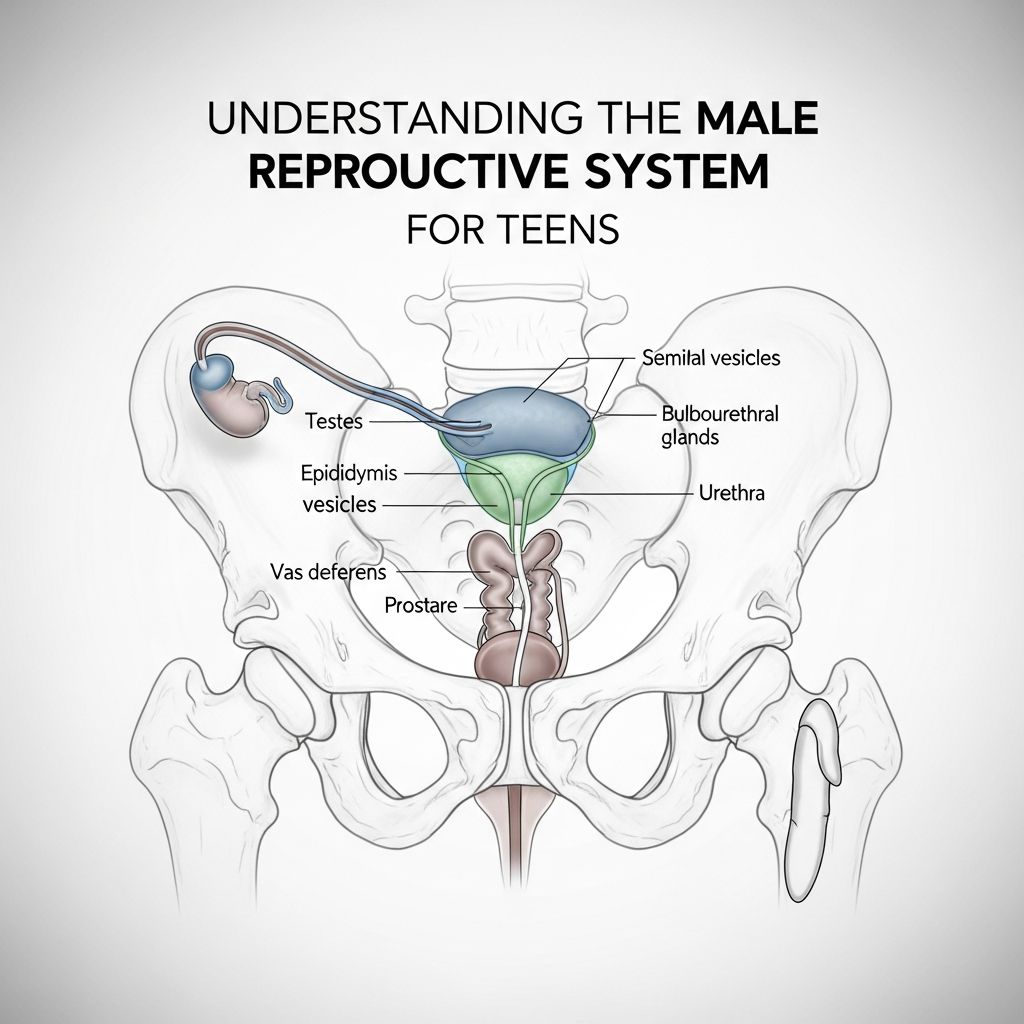
Genital exploration and self-stimulation, often called masturbation in older children, are common behaviors observed from infancy through adolescence. These actions typically represent a child’s natural curiosity about their body rather than adult-like sexual intent. Parents frequently encounter these moments and wonder if they signify normal development or something more serious. This article breaks down age-specific patterns, provides guidance on appropriate responses, and highlights situations requiring professional input to help families navigate this sensitive topic with confidence.
Understanding the Roots of Childhood Body Exploration
Human sexual development begins early in life, rooted in physical sensations rather than emotional or relational contexts associated with adulthood. Infants demonstrate reflexive responses like erections or lubrication even before birth, driven by basic comfort and stimulation. As motor skills develop, touching genitals becomes a way to self-soothe, similar to thumb-sucking or rocking. This is not aimed at orgasm but provides pleasurable relief from tension.
By toddlerhood, children actively discover their private parts during routines like diaper changes or bathing. Boys might grasp their penis around 6-7 months, while girls often explore their vulva later, around 10-11 months. Potty training heightens awareness, prompting more frequent touch. These behaviors peak in frequency by ages 5-6, with most children engaging regularly without associating it with sexuality.
Age-by-Age Breakdown of Typical Behaviors
Children’s interactions with their bodies evolve predictably across developmental stages. Recognizing these milestones reassures parents that self-touch is a standard part of growth.
Infants and Toddlers (Birth to 2 Years)
- Reflexive genital stimulation during feeding, warmth, or sleep.
- Incidental discovery during diaper changes; boys tug penis like toes, girls less frequently until mobility increases.
- No intent for climax; purely sensory comfort.
Adults’ reactions shape the child’s body image—calm redirection fosters positive self-perception.
Preschoolers (3-5 Years)
- Increased curiosity: touching genitals while watching TV or falling asleep.
- “Sex play” emerges, like peeking at peers, playing doctor, or doll undressing.
- Masturbation for pleasure or soothing, without orgasm; common and healthy if private.
This stage involves mimicking observed behaviors and asking blunt questions about bodies or babies.
School-Age Children (6-8 Years)
- Privacy requests grow; masturbation shifts to bedrooms or bathrooms.
- Jokes about private parts or seeking sex education online.
- Occasional peer exploration, like truth-or-dare games involving nudity.
Genital touch remains a solo exploration tool, aiding body awareness amid emerging gender consciousness.
Preteens and Early Teens (9-12 Years)
- Puberty onset amplifies sensations; fantasies and masturbation frequency rise.
- Interest in peers, dating experiments, and media-driven ideals.
- Private self-stimulation becomes more purposeful, exploring erotic feelings.
Embarrassment around adult discussions increases, heightening need for privacy.
Teenagers (13+ Years)
- Nearly all boys (100%) and many girls (25%+ by 15) reach orgasm via masturbation.
- Integration with relationships, porn exposure, and identity exploration.
- Private practice normalizes, supporting emotional maturity in partnerships.
| Age Group | Boys (% Engaging) | Girls (% Engaging) | Notes |
|---|---|---|---|
| 0-2 Years | Common (sensory) | Common (later discovery) | No orgasm |
| 3-5 Years | Regular | Regular | Self-comfort |
| 6-12 Years | High | Moderate | Increases with puberty |
| 13-15 Years | ~100% | ~25% to orgasm | Exploratory |
Why Children Engage in Self-Stimulation
Beyond curiosity, self-touch serves multiple functions. It relieves stress, mimics comforting rhythms like rocking, and processes physical changes during puberty. Termed ‘childhood gratification syndrome’ (CGS), these episodes may involve rocking, thigh squeezing, or object use, lasting minutes with flushing or twitching—often mistaken for seizures. Unlike adult masturbation, it lacks genital focus and relational fantasy.
Environmental factors influence frequency: boredom, anxiety, or overstimulation can trigger episodes. Positive parental modeling—teaching body boundaries without shame—encourages healthy habits.
Parental Strategies: Responding Effectively
Discovery doesn’t demand panic; calm handling models maturity. Key steps include:
- Private redirection: Gently say, “That feels good in private places. Let’s find another spot.” Never punish.
- Normalize without detail: Affirm body positivity: “Everyone’s body is special; we touch privately.”
- Boost alternatives: Offer hugs, play, or quiet activities to redirect energy.
- Supervise settings: Ensure no public displays, especially around others’ children.
- Educate age-appropriately: Use books on body safety from preschool onward.
For persistent public behavior, observe triggers and consult pediatricians to rule out issues like skin irritation or constipation.
Red Flags: When to Seek Help
While common, certain patterns signal potential problems:
- Intense, daily public episodes despite redirection.
- Distress, pain, or injury during self-touch.
- Sudden onset post-trauma or with secrecy/aggression.
- Accompanied by regression (bedwetting) or fears.
- Peer involvement with coercion or adult-like acts.
These may indicate abuse, medical conditions (e.g., epilepsy mimics), or neurodevelopmental factors. CGS often resolves with reassurance; 78% stop within 2 years. Pediatric evaluation ensures safety.
Frequently Asked Questions (FAQs)
Is masturbation harmful for young children?
No, it’s a normal self-soothing mechanism without physical risk if not compulsive.
Should I ignore it completely?
Not entirely—teach privacy gently to set boundaries without shame.
What if my child does it in public?
Redirect calmly and address underlying needs like tiredness or boredom.
Does it mean my child was exposed to inappropriate content?
Not necessarily; innate curiosity drives it, but monitor media.
How do I talk about it with my child?
Use simple, factual language emphasizing private time for body touches.
Fostering Healthy Sexual Development Long-Term
Open dialogue builds resilience. Discuss consent, privacy, and respect from early ages. As puberty nears, provide resources on changes, relationships, and online safety. Teens benefit from conversations normalizing private exploration while valuing mutual consent. By framing self-touch as healthy self-care, parents empower children toward confident adulthood.
Statistics underscore normalcy: By adolescence, masturbation aids tension release amid hormonal surges. Parental support correlates with positive body image and lower risk behaviors.
References
- Sexual Development – Child Psychology — SUNY Create (childpsychology.pressbooks.sunycreate.cloud). Accessed 2026. https://childpsychology.pressbooks.sunycreate.cloud/chapter/sexual-development-2/
- Young children and masturbation: should you worry? — Michigan Medicine. 2023-10-12. https://www.michiganmedicine.org/health-lab/young-children-and-masturbation-should-you-worry
- Child Sexual Development: Healthy Development at Every Age — Children’s Wisconsin. Accessed 2026. https://childrenswi.org/teaching-sheet/community-programs/child-sexual-development-healthy-development-at-every-age
- Sexual Development from 0-18 Years Old — OPNFF (.pdf). Accessed 2026. https://opnff.net/Files/Admin/Sexual%20Development%20from%200-18%20Years%20Old.pdf
- Childhood gratification syndrome: Demystifying the clinical … — PMC (NCBI). 2024. https://pmc.ncbi.nlm.nih.gov/articles/PMC11293787/
- Childhood Sexual Development Chart — Early Open Often. Accessed 2026. https://www.earlyopenoften.org/get-the-facts/childhood-sexual-development-chart/