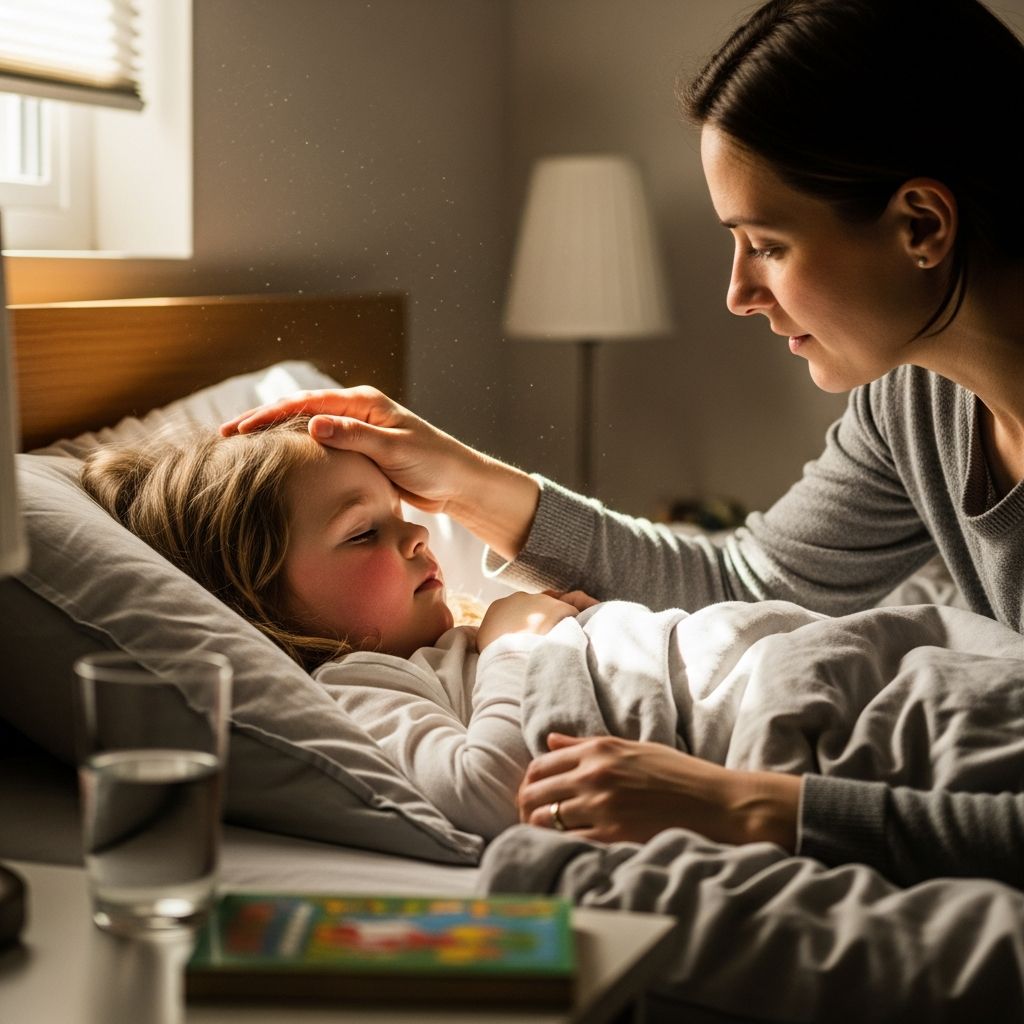
From the first daycare cold to the occasional ear infection or stomach bug, nearly every child will face infections while growing up. Most are mild and short-lived, but understanding what is happening in your child’s body can help you respond calmly, care for them safely, and know when medical help is needed.
This guide explains how infections start, the main types that affect children, and practical steps you can take to protect your family.
How Infections Happen in Children
An infection occurs when germs enter the body, multiply, and trigger the immune system to respond. Children are especially prone to infections because their immune systems are still developing and they have frequent close contact with others at home, school, and childcare.
Types of Germs That Cause Infections
- Viruses: The most common cause of childhood infections, responsible for colds, flu, many sore throats, bronchiolitis, RSV, and most stomach “bugs”. Antibiotics do not kill viruses.
- Bacteria: Cause illnesses such as strep throat, some ear and sinus infections, urinary tract infections, and certain types of pneumonia. These may need antibiotics when confirmed by a health professional.
- Fungi: Yeast and mold can cause skin rashes, diaper rash, and some mouth infections (thrush).
- Parasites: Less common in many regions but can include intestinal worms and some causes of diarrhea.
How Germs Spread Between Kids
Infections can spread in many everyday ways, especially where children play and learn together.
- Respiratory droplets: Coughing, sneezing, or talking releases small droplets that others breathe in (for example, cold and flu viruses, RSV).
- Direct contact: Kissing, hugging, or touching skin lesions can spread germs such as cold sores or impetigo.
- Hands and surfaces: Germs can pass when children touch contaminated toys, doorknobs, shared classroom items, or tissues and then touch their eyes, nose, or mouth.
- Food and water: Eating food or drinking water contaminated with germs can cause stomach infections.
- Body fluids: Blood, saliva, vomit, or stool can transmit infections if proper hygiene is not followed.
Common Childhood Infections by Body System
Many pediatric illnesses cluster around certain parts of the body. Understanding where the infection is located helps you make sense of symptoms and treatment.
1. Respiratory Infections (Nose, Throat, Lungs)
Respiratory infections are among the most frequent reasons for pediatric visits.
- Colds: Usually caused by viruses; symptoms include runny nose, mild cough, and low-grade fever. They typically resolve within 7–10 days with rest and fluids.
- Flu (Influenza): A more intense viral illness with higher fever, body aches, fatigue, and cough. Children, especially younger ones and those with chronic conditions, are at higher risk for complications.
- Bronchiolitis and RSV: Common in infants and toddlers, causing fast breathing, wheeze, or chest congestion. Most cases are viral and managed with supportive care and close monitoring.
- Strep throat: A bacterial infection causing sore throat, fever, and often swollen glands. It requires a test and, if positive, antibiotics to prevent complications.
- Ear infections: Often follow a cold; signs include ear pain, fever, and irritability. Some resolve without antibiotics, but bacterial middle-ear infections may need prescription treatment.
Key Differences: Viral vs Bacterial Throat or Ear Infections
| Feature | Usually Viral | Usually Bacterial |
|---|---|---|
| Onset | Gradual, often after a cold | Can be sudden and more intense |
| Associated symptoms | Runny nose, cough, mild fever | High fever, localized pain, swollen glands |
| Response to antibiotics | No benefit; antibiotics not recommended | Often improves once antibiotics started (if truly bacterial) |
| Testing | Usually not needed for simple colds | Strep tests, ear exam, or other evaluation may be required |
2. Skin and Mucous Membrane Infections
Children’s skin is frequently exposed to minor cuts, rashes, and irritants that can allow germs to enter.
- Viral rashes: Many childhood viruses cause rashes along with fever (for example, roseola or fifth disease). Most are mild and resolve on their own.
- Impetigo: A bacterial skin infection that appears as honey-colored crusted sores, often around the mouth or nose. It spreads easily by touch and may require topical or oral antibiotics.
- Cold sores: Caused by herpes simplex virus; small painful blisters around the lips or face. The virus stays in the body and may flare up from time to time.
- Fungal rashes: Ringworm or athlete’s foot can cause scaly, itchy patches and are treated with antifungal medications.
3. Eye Infections
Conjunctivitis, often called “pink eye,” is very common in children.
- Viral conjunctivitis: Usually linked to colds, causing red, watery eyes. It is highly contagious but often clears on its own.
- Bacterial conjunctivitis: Causes red eyes with thicker, yellow or green discharge that may glue the eyelids shut in the morning. A doctor may prescribe antibiotic eye drops if needed.
- Allergic conjunctivitis: Red, itchy eyes triggered by allergens like pollen; not contagious and treated with allergy medicines or eye drops.
4. Stomach and Intestinal Infections
Gastrointestinal infections are often called “stomach flu” but are usually unrelated to the influenza virus.
- Viral gastroenteritis: Causes vomiting, diarrhea, stomach cramps, and sometimes fever. Most cases improve within a few days with careful attention to fluids and hydration.
- Bacterial diarrhea: May follow contaminated food or water and can include blood in the stool or severe stomach pain. Medical evaluation is important when symptoms are severe or prolonged.
- Urinary tract infections (UTIs): Infections of the bladder or kidneys, often causing pain with urination, frequent urination, or new accidents. UTIs require prompt diagnosis and antibiotics to prevent complications.
Recognizing Symptoms: What to Watch For
Many infections share similar symptoms, which can make it hard to tell them apart at home. Focus on how your child looks, behaves, and drinks rather than on a single symptom.
Common Signs of Infection in Kids
- Fever (warm skin, flushed cheeks, or confirmation with a thermometer)
- Runny or stuffy nose, cough, or sore throat
- Vomiting, diarrhea, or poor appetite
- Rashes, redness, or swelling of the skin
- Eye redness or discharge
- Unusual fussiness, clinginess, or low energy
- Pain (ear pain, sore throat, stomachache, headache, or pain when urinating)
Red-Flag Symptoms: Seek Urgent Care
Contact a doctor or emergency service immediately if your child has:
- Difficulty breathing, fast breathing, or working hard to breathe (flaring nostrils, visible ribs, grunting)
- Bluish lips or face
- Severe or persistent pain (ear, chest, head, or abdomen)
- Fever in a baby younger than 3 months, or any fever that lasts more than a few days without improvement
- Signs of dehydration: very dry mouth, no tears when crying, sunken eyes, or much less urine than usual
- Extreme sleepiness, confusion, or difficulty waking up
- Seizure or convulsion
- Stiff neck with fever and headache
- Rash that spreads quickly, especially if accompanied by bruising or purple spots
Treatment Basics: What Helps and What Doesn’t
Treatment depends on the type and location of the infection, as well as your child’s age and overall health. Always follow your pediatrician’s guidance.
Supportive Care at Home
For many viral infections, the goal is to keep your child comfortable while their immune system fights the germs.
- Fluids: Offer small, frequent sips of water, breast milk, formula, or oral rehydration solutions to prevent dehydration, especially during fever, vomiting, or diarrhea.
- Rest: Encourage quiet play and extra sleep.
- Fever and pain relief: Age-appropriate doses of medications like acetaminophen or ibuprofen (for children over 6 months, unless advised otherwise) can ease discomfort. Always use the dosing device that comes with the medicine and check with your doctor if unsure.
- Comfort measures: Cool compresses for fever, saline drops and gentle suction for stuffy noses, humidifiers for cough or congestion, and bland foods for upset stomachs.
When Antibiotics Are Needed—And When They Are Not
Antibiotics are powerful medicines that kill certain bacteria but do nothing against viruses. Overuse can lead to antibiotic resistance, making infections harder to treat in the future.
- Antibiotics may be prescribed for conditions like strep throat, bacterial ear infections, some sinus infections, UTIs, and bacterial skin infections.
- Antibiotics are not useful for colds, most sore throats, RSV, bronchiolitis, or viral diarrhea.
- If your child is given antibiotics, ensure they complete the full course even if they feel better earlier, unless a doctor instructs otherwise.
Preventing Infections: Everyday Strategies
You cannot prevent every illness, but you can significantly lower the risk and reduce how often infections spread within your family.
Hygiene Habits That Make a Difference
- Handwashing: Teach children to wash with soap and water for about 20 seconds, especially after using the toilet, before eating, after playing outside, and after coughing or sneezing.
- Cough and sneeze etiquette: Encourage kids to cough or sneeze into a tissue or their elbow, not their hands, and to throw away tissues right away.
- Avoid sharing personal items: No sharing of drinking cups, utensils, toothbrushes, towels, eye makeup, or lip balms.
- Regular cleaning: Wipe frequently touched surfaces such as door handles, light switches, phones, and toys, especially during illness season.
The Role of Vaccines
Vaccines protect children from many serious infections, including measles, whooping cough, and severe forms of pneumonia and meningitis. Following recommended vaccination schedules has greatly reduced hospitalizations and deaths from these diseases worldwide.
- Keep an up-to-date record of your child’s vaccines.
- Discuss any concerns or questions about vaccines with your pediatrician.
- Annual flu vaccination is recommended for most children, especially those with chronic health conditions.
Healthy Lifestyle to Support the Immune System
- Nutritious diet with fruits, vegetables, whole grains, and adequate protein.
- Regular physical activity, appropriate for age.
- Enough sleep: Younger children need more nightly sleep and sometimes naps to stay healthy.
- Smoke-free environment: Exposure to tobacco smoke increases the risk and severity of respiratory infections.
FAQs About Childhood Infections
How many infections a year is normal for a child?
Young children, especially in daycare or school, can have several colds per year. Some experts note that up to 8 or more mild respiratory infections annually can be typical in early childhood, particularly in the first years of group care.
When should my child stay home from school or daycare?
Keep your child home if they have a fever, are too sick to participate in normal activities, have vomiting or frequent diarrhea, or have an infection that a doctor has said is contagious until treated (such as strep throat or bacterial conjunctivitis). Follow your local school or childcare illness policy as well.
Should I wake my child to give fever medicine?
If your child is sleeping comfortably and breathing normally, you usually do not need to wake them just to treat a fever. Ask your pediatrician for guidance if your child has a chronic condition, is very young, or has had febrile seizures.
Can I give leftover antibiotics if my child seems to have the same infection again?
No. Do not use leftover or someone else’s antibiotics. The medicine may not be appropriate for the new illness, may be expired, and can contribute to antibiotic resistance or side effects. Always have your child evaluated before starting antibiotics.
When is it safe to return to activities after an infection?
In general, children can return when they feel well enough to join normal activities, have been fever-free for at least 24 hours without fever-reducing medications, and are no longer highly contagious according to their doctor’s advice. For some infections, such as strep throat, a full day of antibiotics is usually required before returning.
References
- 10 Common Childhood Illnesses and Their Treatments — American Academy of Pediatrics / HealthyChildren.org. 2022-10-21. https://www.healthychildren.org/English/health-issues/conditions/treatments/Pages/10-Common-Childhood-Illnesses-and-Their-Treatments.aspx
- Common infections and your child — Canadian Paediatric Society, Caring for Kids. 2020-06-01. https://caringforkids.cps.ca/handouts/health-conditions-and-treatments/common_infections_and_your_child
- 10 Common Childhood Illnesses: How to Treat at Home & When to Call the Doctor — Essentia Health. 2023-03-09. https://www.essentiahealth.org/about/essentia-health-newsroom/primarycare-common-childhood-illnesses-how-to-treat-at-home-when-to-call-the-doctor
- Viral illnesses — The Royal Children’s Hospital Melbourne. 2022-09-01. https://www.rch.org.au/kidsinfo/fact_sheets/viral_illnesses/
- 9 Common Childhood Illnesses — Children’s Hospital Colorado. 2023-02-14. https://www.childrenscolorado.org/just-ask-childrens/articles/common-childhood-illnesses/
- Recommendations for Management of Common Childhood Conditions — World Health Organization. 2013-01-01. https://www.ncbi.nlm.nih.gov/books/NBK138333/