Headaches are a frequent complaint in childhood and can be worrying for parents, yet most are not caused by serious illness and can be managed with simple steps at home. Understanding why kids get headaches, how to respond, and when to call the doctor can make these episodes less stressful for the whole family.
How Common Are Headaches in Children?
Head pain is one of the most common reasons children report feeling unwell. Studies suggest that a large share of school-age children and teens experience at least occasional headaches, and tension-type headaches and migraines are among the most frequent patterns seen in this age group.
In most children, headaches:
- Are short-lived and resolve with rest or simple medicine
- Are not linked to brain tumors or other life-threatening conditions
- Can often be improved through healthy daily habits and stress management
Major Types of Headaches in Kids
Doctors often group childhood headaches into two big categories: primary headaches, where the headache itself is the main problem, and secondary headaches, which are caused by another condition such as an infection or injury.
Primary Headaches
Primary headaches are very common in children and are not caused by an underlying disease.
| Headache Type | Typical Features | What Kids Might Say or Do |
|---|---|---|
| Tension-type headache |
|
|
| Migraine |
|
|
| Chronic or frequent headache |
|
|
Secondary Headaches
Secondary headaches develop because of another health issue. Some causes are mild and temporary; a few are serious and need urgent care.
- Infections
- Colds, flu, ear infections, and sinus infections often cause head pain.
- More serious infections like meningitis or encephalitis are rare but can cause severe headache with other worrying symptoms.
- Head injury
- Mild head trauma (such as a concussion) can cause headache, dizziness, and sensitivity to light or noise.
- Severe injury can lead to intense or worsening head pain and requires immediate assessment.
- Medication overuse (rebound headaches)
- Using pain relief medicine too often (commonly more than a few days per week) can itself trigger more headaches.
- Other causes
- Vision problems, high blood pressure, or rare brain conditions may present with headaches among other symptoms.
What Can Trigger a Headache in Children?
Many children have a mix of internal and external “triggers” that make headaches more likely. These can differ between children and even change over time.
- Illness – viral infections, sinus or ear infections, and fevers
- Dehydration – not drinking enough water, especially in hot weather or during sports
- Irregular sleep – too little sleep, late bedtimes, or shifting schedules
- Skipped meals – long gaps without food or low blood sugar
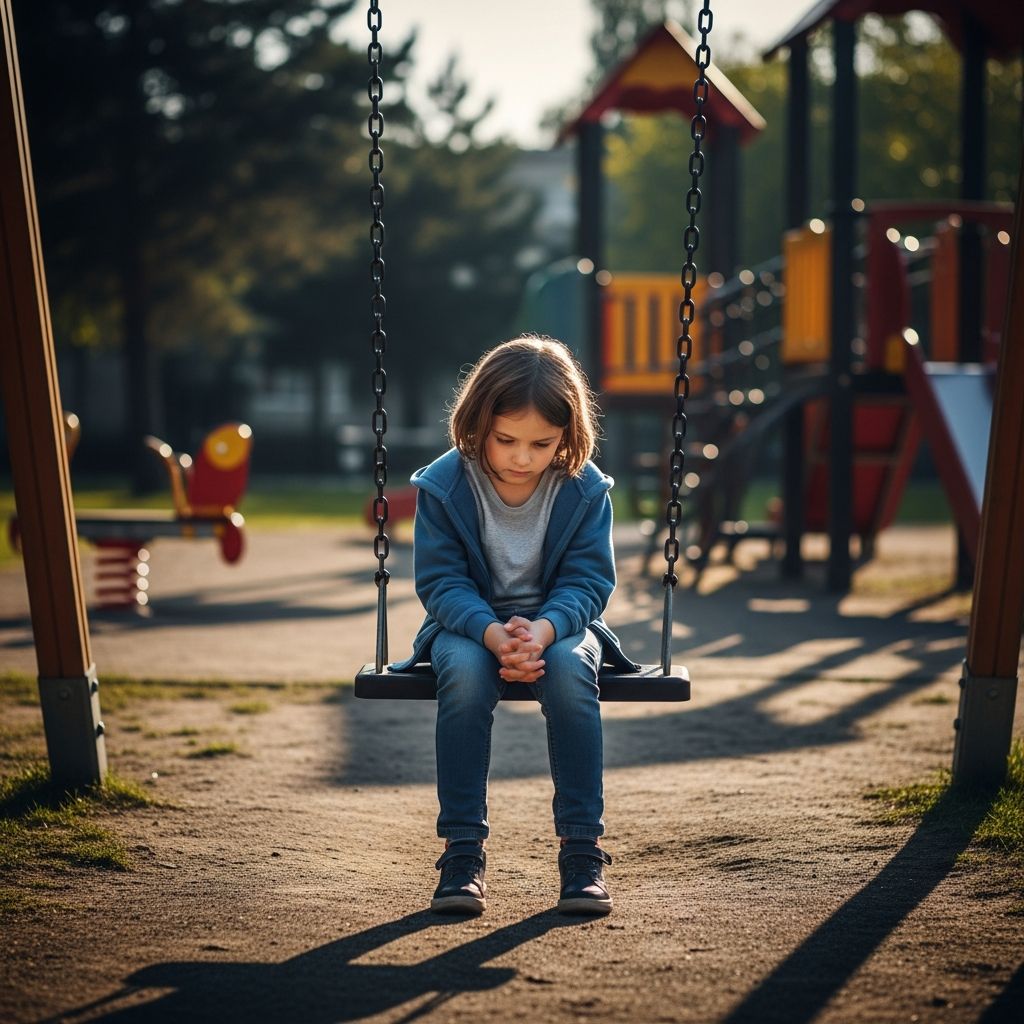
- Stress and emotional strain – family conflict, academic pressure, bullying, or major life changes
- Screen time or eye strain – long periods on digital devices without breaks
- Certain foods or additives – in some kids, specific foods may provoke migraine attacks
- Environmental factors – bright lights, loud noise, strong smells, or weather shifts
Keeping track of when headaches happen can help identify your child’s personal triggers.
Warning Signs: When a Headache May Be Serious
Most children’s headaches can be evaluated by their usual doctor, but some patterns and symptoms call for urgent medical attention.
Call emergency services or seek urgent care if your child has:
- A sudden, extremely severe headache (often described as the “worst ever”)
- Headache after a significant head injury, especially if pain is worsening or the child seems confused
- Headache with neck stiffness and fever, or a rash that does not fade when pressed
- Headache with weakness, difficulty speaking, loss of balance, or seizures
- Headache that wakes the child from sleep or is worse on waking along with vomiting or vision changes
- Changes in personality, unusual sleepiness, or trouble staying awake
Contact your child’s doctor promptly if:
- Headaches are happening more often or becoming more severe
- Pain medicine is needed several days per week
- Headaches interfere with school, sports, or social life
- Your child has other ongoing symptoms such as weight loss, persistent vomiting, or visual problems
How Doctors Evaluate Headaches in Children
The first and most important tools in diagnosing headaches are a detailed history and a careful physical and neurological examination.
During the visit, the clinician may ask about:
- When the headaches began and how often they occur
- Where the pain is located and how it feels (throbbing, squeezing, stabbing)
- How long each episode lasts and what helps or worsens it
- Associated symptoms (nausea, vomiting, light sensitivity, vision changes, weakness)
- Recent infections, head injuries, or new medications
- School stress, family changes, sleep patterns, and daily routines
In many children, no blood tests or scans are needed. Imaging studies such as MRI or CT are usually reserved for children with red-flag symptoms or an abnormal neurological exam.
Helping a Child During a Headache
Most mild to moderate headaches can be eased at home with comfort measures and appropriate medicine recommended by your child’s healthcare provider.
Comfort Measures
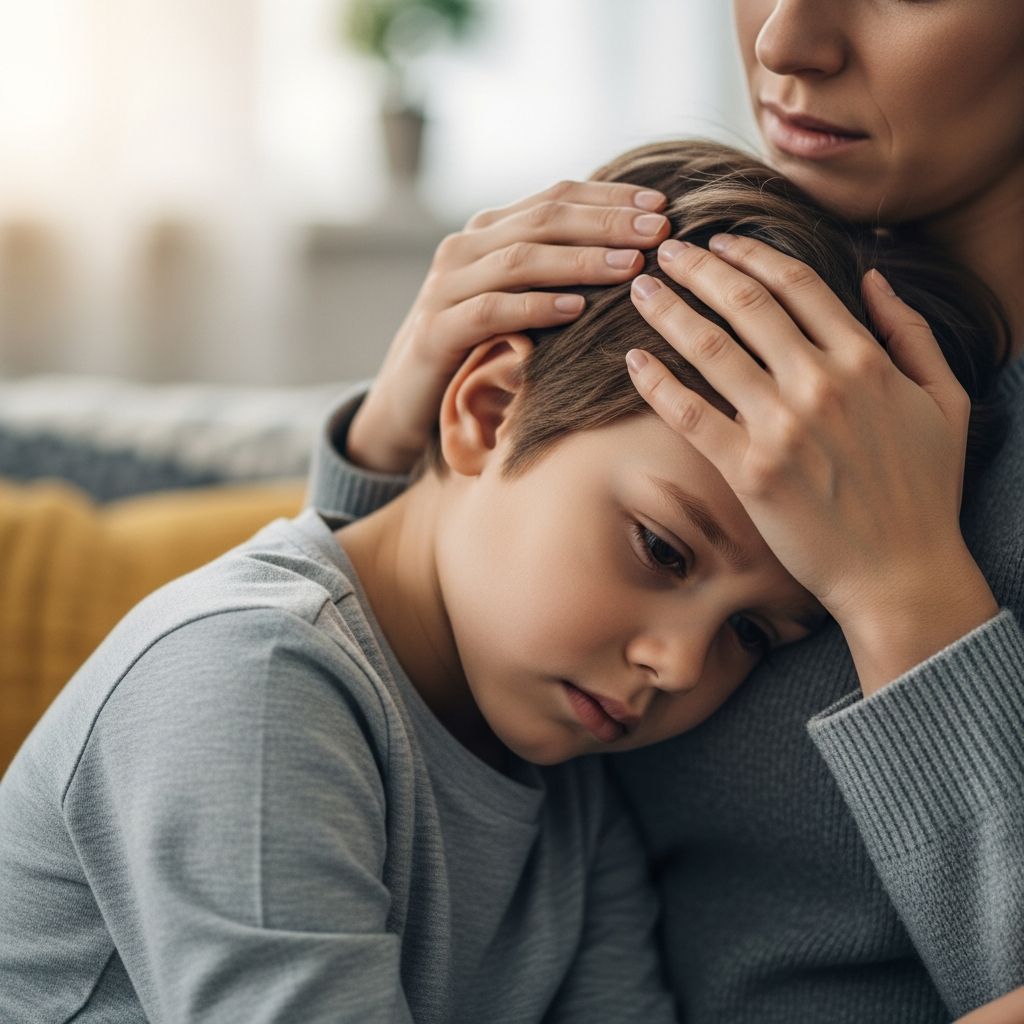
- Move your child to a quiet, dimly lit room and encourage rest.
- Offer water or oral rehydration fluids, especially if they may be dehydrated.
- Apply a cool cloth to the forehead or a warm pack to the neck, depending on what feels better.
- Show them slow breathing or relaxation exercises to ease tension.
Medications
Over-the-counter pain relievers are often effective when used correctly and under medical guidance.
- Common options include medicines such as acetaminophen or ibuprofen, given in child-appropriate doses.
- Medicine works best when given early in the headache, rather than after the pain is severe.
- Do not give aspirin to children or teens unless specifically instructed by a doctor, due to the risk of Reye syndrome.
- Using pain relievers too frequently can lead to medication overuse headaches (rebound), so follow your provider’s instructions and avoid routine use on many days each week.
For some children with frequent or disabling migraines, doctors may prescribe migraine-specific or preventive medications. These are tailored to the child’s age, overall health, and headache pattern.
Long-Term Strategies: Preventing Headaches
Prevention focuses on building healthy daily routines, managing stress, and avoiding known triggers. These strategies can reduce both how often headaches occur and how severe they feel.
Healthy Habits
- Regular sleep schedule
- Aim for consistent bedtimes and wake times, even on weekends.
- Create a wind-down routine with limited screens before bed.
- Balanced meals and hydration
- Offer three meals and healthy snacks to prevent long gaps without food.
- Encourage water throughout the day; send a refillable bottle to school.
- Physical activity
- Regular exercise supports mood, sleep, and headache control.
- Even daily walks or active play can help.
- Screen time limits
- Encourage breaks from screens every 20–30 minutes to rest the eyes.
- Reduce bright screens in dark rooms, which can trigger migraines in some children.
Stress and Emotion Management
Stress and anxiety can both trigger and worsen headaches. Addressing emotional well-being is an important part of care.
- Talk regularly with your child about school, friendships, and worries.
- Teach and practice relaxation skills together, such as:
- Slow, deep breathing
- Progressive muscle relaxation (tensing and relaxing muscle groups)
- Guided imagery or calming visualization
- Help your child organize homework and activities to reduce last-minute pressure.
- Consider cognitive behavioral therapy (CBT) if headaches are frequent or linked to anxiety or mood changes; CBT has been shown to improve headache frequency and disability when combined with medical treatment.
Creating a Personal Headache Plan
A written plan can help your child, family, and school staff respond consistently when headaches occur.
- List common triggers and early signs of your child’s headaches.
- Describe what usually helps (rest, water, medicine, quiet room).
- Include the name, dose, and timing of any medications prescribed.
- Share the plan with teachers or school nurses if headaches disrupt school.
Living with a Child Who Has Frequent Headaches
Recurrent headaches can affect the entire family’s routine and emotional health. Working as a team—with your child, healthcare providers, and the school—can make a big difference.
- Validate your child’s pain while also reinforcing their strengths and abilities.
- Watch for patterns of school avoidance or withdrawal from friends, and discuss these with your child’s doctor.
- Keep follow-up appointments to adjust treatment as your child grows or as headache patterns change.
- Ask about referral to specialists (such as pediatric neurologists, psychologists, or pain clinics) if headaches remain disabling despite first-line approaches.
Frequently Asked Questions About Childhood Headaches
Are headaches in children usually a sign of a brain tumor?
No. Brain tumors and other serious brain conditions account for a very small percentage of childhood headaches—less than a few percent in most reports. Most headaches are due to primary headache disorders (like tension-type or migraine) or to common issues such as infections, stress, or dehydration.
When should my child see a doctor for headaches?
Your child should be evaluated if headaches are frequent, more severe than before, interfere with daily activities, or come with concerning symptoms like persistent vomiting, vision changes, weakness, seizures, or behavior changes. Any sudden, very severe headache or headache after a serious head injury needs urgent care.
What information should I track in a headache diary?
A simple diary can include date and time of each headache, what your child was doing beforehand, foods or drinks consumed, how long the pain lasted, medicines taken and whether they helped, and any other symptoms like nausea or light sensitivity. This record helps doctors spot patterns and identify triggers.
Can kids outgrow their headaches?
Many children experience fewer or less severe headaches over time, especially when triggers are identified and healthy routines are established. Some who have migraines in childhood may continue to have them as adults, but often with changing patterns. Regular follow-up can keep treatment aligned with your child’s needs.
Is it safe to keep my child at school if they get headaches there?
This depends on the severity and pattern of your child’s headaches. For mild, occasional headaches that respond to rest or approved medicine, many children can stay at school with support from staff. For frequent or severe headaches, work with your child’s doctor and school to create a plan, and clarify when they should be sent home or receive medication.
References
- Headache — Child Neurology Foundation. 2023-04-10. https://www.childneurologyfoundation.org/disorder/headache/
- Headaches in Children: Causes, Types & Pain Relief — Cleveland Clinic. 2023-06-01. https://my.clevelandclinic.org/health/diseases/4225-headaches-in-children
- Headaches in children – Symptoms & causes — Mayo Clinic. 2023-11-21. https://www.mayoclinic.org/diseases-conditions/headaches-in-children/symptoms-causes/syc-20352099
- Headaches in Children — Children’s Hospital of Philadelphia. 2022-09-15. https://www.chop.edu/conditions-diseases/headaches-children
- Children’s Headache Disorders — National Headache Foundation. 2021-05-05. https://headaches.org/resources/childrens-headache-disorders/