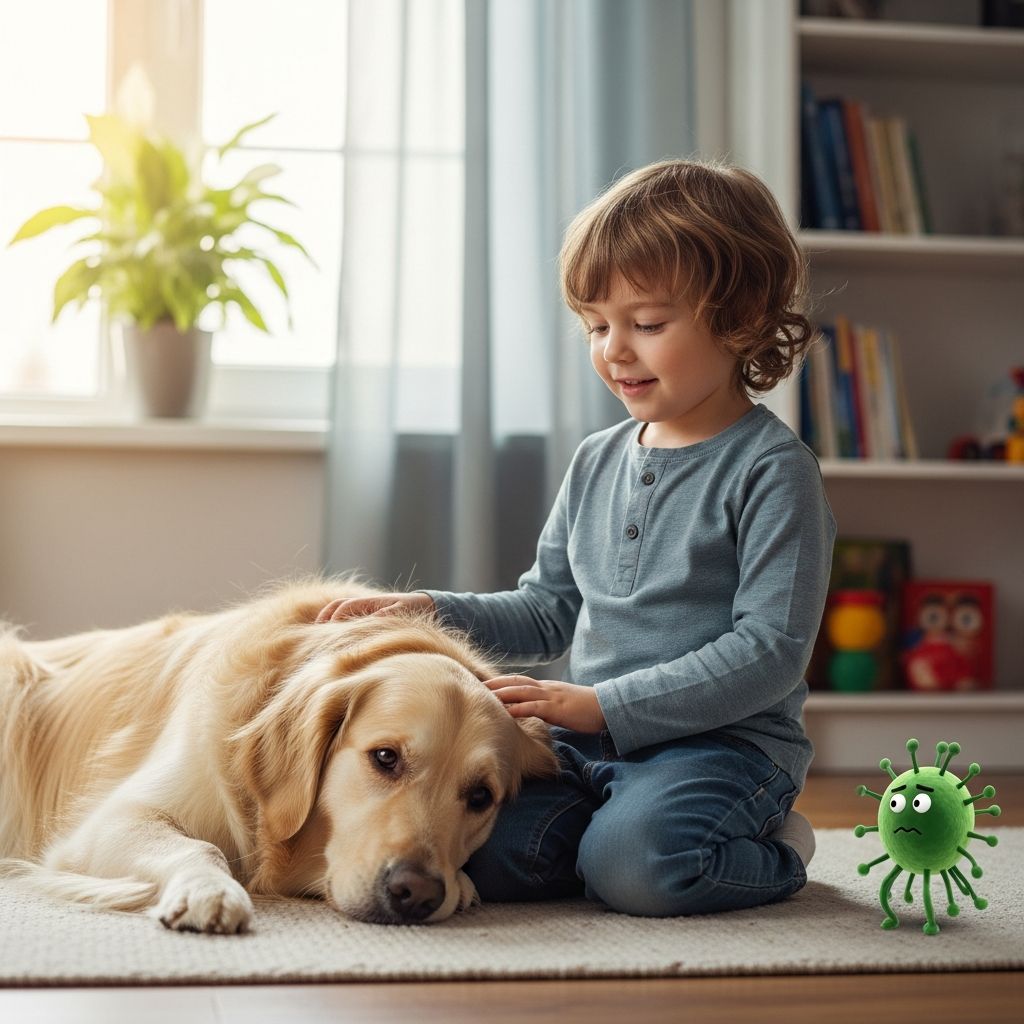
Most children, at some point, become convinced that something scary is hiding in the closet, under the bed, or just outside the bedroom door. For adults, these fears can look irrational, but for a developing brain, they are intensely real. Understanding where these worries come from and how to respond calmly can turn “monster season” into an opportunity to build resilience, trust, and courage.
Why Childhood Fears Are a Normal Part of Growing Up
Fear is not just a nuisance of childhood; it is a built-in survival system that helps children learn about danger and safety as their brains develop. Developmental psychologists emphasize that fear in childhood is expected and often follows predictable patterns as thinking and imagination become more complex.
- Preschool years (around 3–5): Common fears include darkness, monsters, loud noises, and separation from caregivers.
- Early school years: Fears often shift toward animals, injury, and more concrete dangers such as storms or burglars.
- Later childhood: Worries become more realistic and social, such as embarrassment, school performance, or friendships.
Research notes that fear itself is not the problem; it can even promote caution and self-preservation. The concern arises when fears become persistent, extreme, or interfere with daily life, increasing the risk for anxiety disorders later on.
The Science Behind Monsters: How Imagination and Brain Development Interact
“Monsters under the bed” are a vivid example of how a child’s imagination and growing cognitive abilities can create convincing, if fictitious, threats. Several factors contribute to this stage:
- Expanding imagination: Young children have rich mental imagery and can easily picture scary figures from stories, shows, or overheard conversations.
- Limited understanding of probability: Before about age 7, children struggle to judge how likely something is to happen, so unlikely threats can feel as real as common ones.
- Blending fantasy and reality: It takes time for kids to clearly separate what is pretend from what is possible, especially in dim light or when tired.
- Heightened body reactions: The stress system is still maturing, so strange sounds, shadows, or bodily sensations can trigger strong “fight-or-flight” responses.
According to a working paper from the Center on the Developing Child at Harvard University, repeated exposure to situations that cause persistent fear and anxiety can shape brain architecture and influence how children learn and manage emotions. That makes how adults respond to early fears particularly important.
When Normal Fears Become Something More
Most childhood fears fade as children gain experience and learn coping skills. However, sometimes fears become so intense or long-lasting that they meet criteria for an anxiety disorder, such as a specific phobia or separation anxiety disorder.
| Typical Fear Response | Possible Anxiety Disorder |
|---|---|
| Fear appears in new or scary situations but eases with reassurance. | Fear is extreme, appears in predictable patterns, and does not ease with reassurance. |
| Child still goes to school, activities, or to bed after some support. | Child refuses school, avoids activities, or will not sleep alone despite support. |
| Occasional nightmares or bad nights. | Frequent sleep disruption, nightmares, or panic-like reactions over weeks or months. |
| Fear gradually improves over time. | Fear remains the same or worsens over time and disrupts family life or learning. |
Clinicians emphasize that when fears start limiting a child’s social life, school participation, or family activities, it may be time to seek a professional evaluation. Persistent fear and anxiety in early years can affect learning, attention, and relationships if not addressed.
Why Some Kids Are More Fearful Than Others
Not every child develops intense fears or phobias. Research points to a mix of influences:
- Temperament: Children who are naturally more cautious, sensitive, or reactive may be more prone to strong fear responses.
- Family patterns: A family history of anxiety or phobias can increase a child’s vulnerability.
- Environment and stress: Exposure to frightening events, high stress, or instability can heighten fear and anxiety.
- Learning from others: Children often learn what to fear by watching adults and peers, including their reactions to darkness, noises, or animals.
- Parenting style: Very controlling or overprotective parenting can unintentionally reduce a child’s sense of control and increase vigilance and fear.
One review in a counseling journal highlights that unaddressed fears in childhood can contribute to later mental health problems, but also notes that fears can be a powerful context for teaching coping skills and building resilience when handled well.
How Fear Affects Sleep, Learning, and Behavior
Nighttime fears can ripple into many other areas of life. When a child is convinced a monster is nearby, the impact can be both emotional and physical:
- Sleep problems: Trouble falling asleep, frequent awakenings, nightmares, or insisting on sleeping with adults are common signs of heightened nighttime anxiety.
- Physical complaints: Headaches, stomachaches, muscle tension, or fatigue can be related to ongoing stress and worry.
- School and learning: Persistent anxiety can interfere with concentration, memory, and participation in school, making learning harder over time.
- Social life: Children may avoid sleepovers, camp, or being away from home, limiting chances to practice independence and social skills.
The National Scientific Council on the Developing Child notes that chronic fear states can disrupt the body’s stress-regulation systems and have long-term consequences for both physical and mental health. That makes early, supportive responses especially valuable.
What Parents Can Do in the Moment
How you respond the first few times a child reports seeing or hearing a “monster” can set the tone for how they handle fear more broadly. Helpful responses tend to combine validation, calm presence, and gentle reality-testing.
Stay Calm and Take the Fear Seriously
- Keep your voice steady and warm. Children quickly pick up on adult anxiety.
- Acknowledge the feeling: “You feel really scared right now” rather than “There’s nothing to be afraid of.”
- Avoid teasing or dismissing: being laughed at can add shame to fear, making it harder for children to share worries later.
Reassure with Both Emotion and Facts
- Offer physical comfort if your child wants it: a hug, holding hands, or sitting together on the bed.
- State simple facts: “Monsters are made up in stories. They cannot come into our house.” Adjust language to your child’s age and understanding.
- Use the environment: show them under the bed, check the closet, or explain familiar nighttime noises.
Teach the Difference Between Realistic and Unrealistic Fears
- As children grow, help them sort fears into “could really happen” and “pretend” categories.
- Practice with examples: tripping on the stairs (possible) versus a dragon in the hallway (make-believe).
- Model how to respond to both: for realistic concerns, discuss safety steps; for fantasy threats, emphasize stories and imagination.
Building Long-Term Coping Skills Around Fear
Beyond handling a single scary night, parents can help children develop skills they will use for years whenever they feel anxious.
1. Create Predictable Bedtime Routines
- Use a consistent wind-down schedule: bath, pajamas, story, quiet time.
- Dim lights gradually so the transition to darkness is not abrupt.
- Limit intense media, frightening stories, or stimulating games before bed.
- Offer comfort items (a favorite toy, blanket, or nightlight) as “bravery tools.”
2. Practice Simple Coping Strategies
- Breathing exercises: Show your child how to take slow, deep breaths—”smell the flower, blow out the candle.”
- Positive self-talk: Help them practice phrases like “I can handle this” or “I’m safe in my room.”
- Imagery: Invite them to imagine a protective helper (a superhero, animal, or light) that keeps them safe at night.
3. Use Gradual Exposure, Not Complete Avoidance
Professionals often recommend gradual, step-by-step exposure to feared situations rather than avoidance. Over-avoidance can unintentionally reinforce the idea that the feared situation really is too dangerous to face.
- Start with small steps, such as sitting together in a dim room, then build to your child staying in bed with the door partly closed.
- Celebrate effort, not just success: “You stayed in your bed for five minutes even though you were scared—what a brave step.”
- Keep exposure playful when possible—turn a flashlight search into a “monster science investigation.”
How Your Own Reactions Shape Your Child’s Fears
Parents and caregivers are powerful mirrors. Children learn how threatening the world is by watching adult faces, voices, and choices. Several studies highlight the role of parental behavior in children’s specific phobias and anxiety.
- Overprotection: Constantly stepping in to prevent discomfort can leave children feeling less capable of handling challenges and more vulnerable to fear.
- High control: Excessive control can reduce a child’s sense of autonomy, increasing negative anticipation and vigilance.
- Modeled anxiety: Children may adopt fears they see in adults, such as fear of the dark, storms, or social situations.
By contrast, when parents are calmly supportive—acknowledging fear, encouraging small brave steps, and avoiding panic—children are more likely to develop confidence in their ability to cope.
When to Seek Professional Help
While many childhood fears can be managed at home, there are clear signs that additional support may be needed. Pediatric psychologists emphasize early identification and treatment to prevent long-term effects.
Consider consulting your pediatrician or a mental health professional if:
- Fear has lasted for several months without improvement.
- Your child avoids school, sleepovers, or other important activities.
- There are frequent physical complaints (stomachaches, headaches) with no medical cause.
- Nighttime distress includes panic-like symptoms—racing heart, rapid breathing, intense crying.
- Fear is linked to a specific frightening event, accident, or trauma.
Evidence-based treatments, such as cognitive behavioral therapy (CBT), can teach children effective ways to challenge scary thoughts and gradually face feared situations. Research shows that when these fears are addressed, children often experience improvements not only in anxiety, but also in mood, school performance, and relationships.
Frequently Asked Questions (FAQs)
Q: Is it normal for my child to suddenly develop a fear of the dark?
Yes. Fears of the dark and of imaginary creatures are especially common between about ages 3 and 7, when imagination is strong and the line between fantasy and reality is still forming. These fears usually ease with support, reassurance, and time.
Q: Should I check under the bed for monsters, or does that make it worse?
A brief, calm “room check” can be reassuring for many young children, especially when paired with clear statements that monsters are pretend. The key is not to turn it into a long ritual or a requirement every night, as that can accidentally reinforce the idea that monsters might be real.
Q: My child wants to sleep in my bed every night because of fear. What should I do?
Occasional co-sleeping during a stressful period can be reasonable, but long-term patterns may make it harder for your child to feel safe alone. Many families find it helpful to gradually transition—perhaps sitting in your child’s room at first, then moving farther away over several nights, while praising each step toward independent sleep.
Q: Can childhood fears really affect brain development?
Persistent, intense fear and chronic anxiety can affect the developing brain’s architecture, especially when children do not have reliable, supportive adults to help them regulate. This is one reason early reassurance, stable routines, and, when needed, professional support are so important.
Q: How do I know if my child’s fear is a sign of an anxiety disorder?
Warning signs include fears that are out of proportion to the situation, last for months, cause major avoidance (such as school refusal), or lead to significant distress at home or school. If you notice these patterns, a pediatrician or child psychologist can provide a full evaluation and treatment recommendations.
References
- The Link Between Phobias and Trauma in Children — Khiron Clinics. 2023-06-01. https://khironclinics.com/blog/the-link-between-phobias-and-trauma-in-children/
- Persistent Fear and Anxiety Can Affect Young Children’s Learning and Development — National Scientific Council on the Developing Child, Harvard University. 2010-01-01. https://developingchild.harvard.edu/resources/working-paper/persistent-fear-and-anxiety-can-affect-young-childrens-learning-and-development/
- Advancements in Addressing Children’s Fears: A Review and Recommendations — The Professional Counselor (TPC Journal). 2015-01-01. https://tpcjournal.nbcc.org/advancements-in-addressing-childrens-fears-a-review-and-recommendations/
- Childhood Fears and Phobias — Ann & Robert H. Lurie Children’s Hospital of Chicago. 2022-04-01. https://www.luriechildrens.org/en/blog/childhood-fears-and-phobias/
- Childhood Fears and Worries — Nemours KidsHealth. 2023-05-01. https://kidshealth.org/en/parents/anxiety.html
- Parent- and Child-Factors in Specific Phobias: The Interplay of Maternal and Child Anxiety — Schneider et al., Child Psychiatry & Human Development (NIH PMC). 2020-09-09. https://pmc.ncbi.nlm.nih.gov/articles/PMC7484109/
- Tackling Irrational Fears in Children and Teens — Children’s Hospital of Philadelphia. 2019-10-01. https://www.chop.edu/news/health-tip/tackling-irrational-fears-children-and-teens