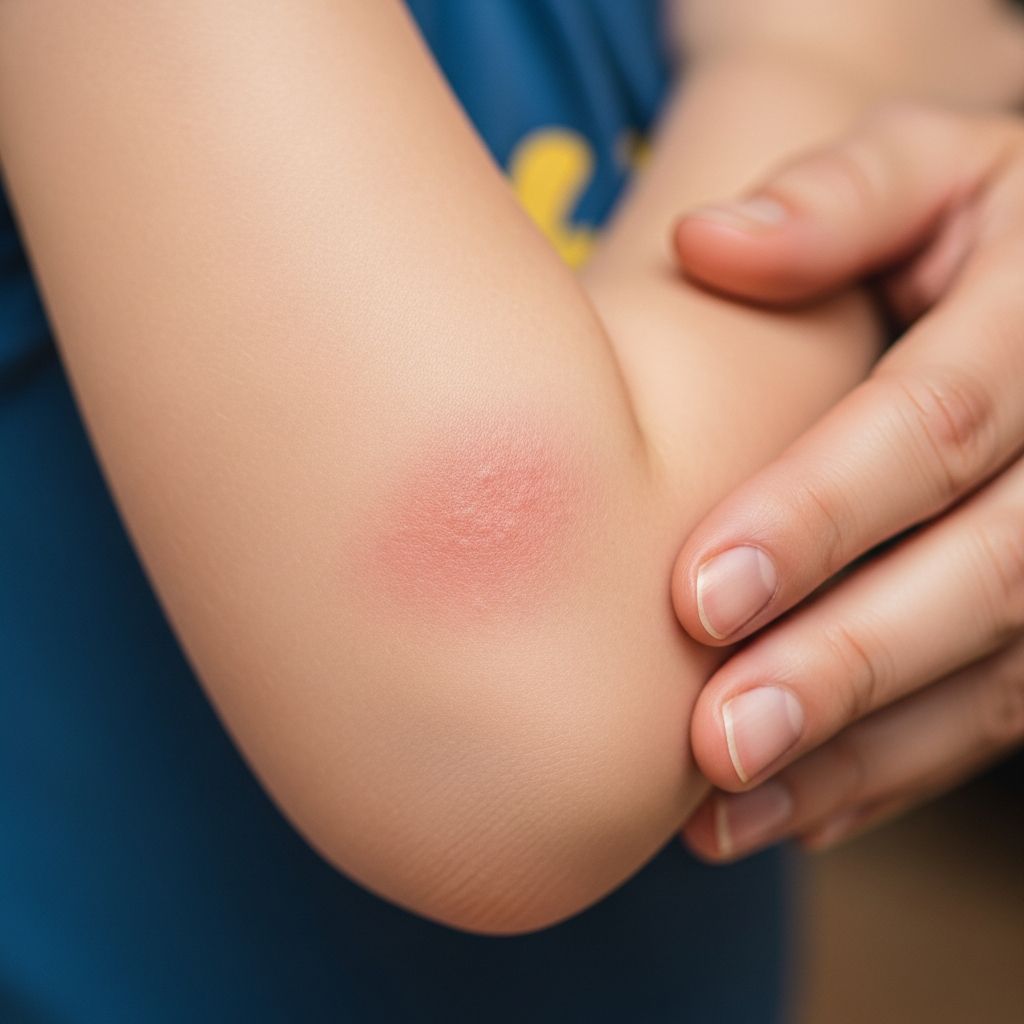
Childhood eczema, also known as atopic dermatitis, is a long-lasting skin condition that causes dry, red, and very itchy patches on the skin. It can be upsetting to watch a child struggle with irritation and sleepless nights, but with the right information and daily habits, most families can keep symptoms under good control and help kids feel comfortable.
This guide explains eczema in clear, parent-friendly language: what it is, why it appears, how doctors diagnose it, and what you can do at home and with your child’s healthcare team to prevent and treat flares. It focuses on practical steps you can start using right away, including skin care routines, trigger management, and ways to support your child emotionally.
What Exactly Is Childhood Eczema?
Eczema is a disorder of the skin barrier and the immune system. The outer layer of the skin, which normally holds in moisture and keeps out irritants, does not work as well as it should, so the skin becomes dry, sensitive, and more easily inflamed. In atopic dermatitis, the immune system also tends to overreact, making the skin red, bumpy, and itchy when exposed to everyday triggers.
Atopic dermatitis is called a “chronic” condition because it usually comes and goes over many years. Some children have only mild, occasional patches, while others experience frequent, intense flare-ups. Many kids improve as they grow older, but the condition can persist into adulthood for some people.
Why Do Some Kids Get Eczema?
There is no single cause of eczema. Instead, several factors work together, including a child’s genes, immune responses, and environment. When the skin barrier is naturally weaker, moisture escapes more easily and everyday irritants, like soaps or dry air, penetrate the skin and trigger inflammation.
Eczema often runs in families, especially when parents or siblings have allergies, asthma, or hay fever. This pattern is called the “atopic” background. Having this background does not guarantee that a child will develop eczema, but it does increase the likelihood that their skin will be more reactive and sensitive.
Common Triggers and Irritants
Triggers do not cause eczema on their own, but they can spark or worsen a flare in children who already have atopic skin. Every child’s triggers are a bit different, so learning to recognize patterns is a key part of management.
- Dry air and temperature changes: Cold, windy weather or overheated indoor spaces can strip moisture from the skin.
- Harsh soaps and detergents: Products that lather heavily, contain fragrance, or promise deep cleaning often remove protective oils.
- Certain fabrics: Rough or scratchy materials such as wool, or some synthetics, may rub and irritate the skin.
- Sweat and heat: Being hot and sweaty can intensify itching and cause rashes to look redder and more inflamed.
- Environmental allergens: Dust mites, pet dander, pollen, and molds can aggravate sensitive skin in some children.
- Stress and fatigue: Emotional stress and lack of sleep can make itching feel more intense and flares more frequent.
- Infections and illness: Viral or bacterial illnesses sometimes make eczema worse, and broken skin can itself become infected.
How Eczema Looks and Feels in Different Ages
Eczema can show up almost anywhere on the body, and its appearance may change as a child grows. The skin often looks red on lighter skin tones and may appear darker brown, purple, or ashy on darker skin tones. Over time, skin that is scratched repeatedly can become thicker and rougher than surrounding skin.
| Age group | Common body areas | Typical skin changes |
|---|---|---|
| Infants (0–2 years) | Cheeks, forehead, scalp, outer arms and legs, sometimes trunk | Red or bumpy rash, oozing or crusting spots, intense itching that may disturb sleep |
| Young children (2–7 years) | Elbow creases, behind knees, wrists, ankles, neck | Dry, rough, or scaly patches; skin may look thickened from scratching; color changes depending on skin tone |
| Older children & teens | Hands, feet, eyelids, around the mouth, flexural areas (elbows/knees) | More localized thick, itchy plaques; cracks on hands or feet; visible scratch marks |
Common Symptoms to Watch For
- Ongoing or recurring patches of dry, flaky, or scaly skin.
- Intense itching, often worse at night or when the child is warm.
- Red, darker, or discolored areas that may ooze or crust in a flare.
- Thickened or leathery areas from frequent rubbing or scratching.
- Sleep problems and irritability related to itching and discomfort.
Eczema is not contagious, so children cannot “catch” it from one another and do not pose a risk to classmates, siblings, or playmates. It is a condition of the child’s own skin and immune system, not a germ that spreads.
Getting a Diagnosis: What to Expect
Most of the time, healthcare professionals diagnose eczema by simply examining the skin and asking about symptoms and family history. There is no single test that proves a child has atopic dermatitis. Instead, the pattern of dryness, itching, rashes, and flares guides the diagnosis.
During the visit, the clinician may ask when symptoms started, which body areas are affected, what seems to make the rash better or worse, and whether there are any other allergic conditions in the family. Photos of flares can be very helpful, especially if the rash looks milder on the day of the appointment.
When Additional Tests May Be Used
- Allergy evaluation: In some cases, allergy testing may be recommended when specific foods or airborne allergens are strongly suspected of triggering flares.
- Skin swabs or cultures: If the skin looks infected, a swab may be taken to identify the germs involved and guide treatment.
- Other tests: Blood work or further evaluation may be considered if symptoms are severe, unusual, or not responding to standard care.
Daily Skin Care: The Foundation of Eczema Control
Gentle, routine skin care is the most important part of managing childhood eczema. Even when the skin looks clear, it still tends to be dry and fragile, so consistent moisturizing and careful product choices help prevent future flares. Think of moisturizers as daily “armor” for the skin barrier.
Bathing and Cleansing Tips
- Use lukewarm water rather than hot baths or showers.
- Keep bath time short, usually around 5–10 minutes.
- Use a mild, fragrance-free cleanser instead of traditional bar soap.
- Avoid bubble baths and strongly scented bath products.
- Gently pat the skin dry with a soft towel; do not rub vigorously.
Moisturizing the Right Way
The most crucial step comes immediately after bathing: sealing in moisture. Applying moisturizer to slightly damp skin helps trap water and strengthen the barrier. For many families, this becomes a predictable part of the evening or morning routine, much like brushing teeth.
- Apply a thick, fragrance-free moisturizer within a few minutes of patting the skin dry.
- Use ointments or creams rather than light lotions, especially in dry climates or during winter.
- Moisturize at least twice a day on all eczema-prone areas, even when there is no visible rash.
- Choose products made for sensitive skin; avoid perfumes, dyes, and antibacterial additives.
Medical Treatments: Helping Calm Flares
While good skin care prevents many problems, most children with eczema also need medical treatments at times to control inflammation, especially during flares. These treatments target the overactive immune response in the skin and can greatly reduce redness and itching when used correctly under medical guidance.
Topical Medicines
- Topical corticosteroids: These anti-inflammatory creams or ointments are a mainstay for treating flares. They come in different strengths, and the healthcare provider chooses an appropriate option based on the child’s age, body area, and severity.
- Topical non-steroid anti-inflammatory medicines: Certain creams or ointments act on immune cells in the skin without being steroids. They may be used in sensitive areas, such as the face or skin folds, or for long-term maintenance.
- Antibiotic or antiseptic treatments: If the skin is infected or repeatedly oozing and crusted, additional medications to control bacteria may be recommended.
Always follow the application instructions from the healthcare provider, including how much to use, how often, and for how long. Many families worry about side effects, but when these medicines are used appropriately and for the recommended duration, they are generally safe and very effective.
Other Treatment Options
- Wet wraps or wet dressings: These involve applying medicine and moisturizer, then covering the skin with damp and dry layers of cloth. This can provide powerful relief during severe flares and is usually taught by a healthcare professional.
- Oral medicines: For particularly stubborn or widespread eczema, oral medications that affect immune activity or infection may be used under close supervision.
- Light-based therapies: In older children and teens with difficult-to-control eczema, controlled exposure to specific types of light may be part of the treatment plan.
Recognizing and Managing Skin Infections
Because the skin barrier is weakened and scratching breaks the surface, children with eczema are more prone to skin infections. A sudden change in the appearance of the rash, especially if it looks honey-colored, very crusty, or has pus-filled bumps, should prompt a call to the healthcare provider.
- Watch for sudden worsening redness, warmth, or swelling in a specific area.
- Look for yellow crusts, blisters, or areas that feel especially tender.
- Note any fever or general feeling of being unwell combined with a worsening rash.
- Seek urgent care if the child seems very ill, the rash is rapidly spreading, or there are painful sores around the eyes or lips.
Infections are typically treated with topical or oral antibiotics or antiviral medications, depending on the cause. It is important to complete the full course of treatment and keep up with moisturizers and eczema care as advised by the healthcare team.
Home and Lifestyle Strategies to Reduce Flares
Beyond medicines and moisturizers, small everyday choices can make a big difference in how often a child’s eczema flares. The goal is to create a skin-friendly environment at home and teach age-appropriate self-care habits.
Clothing, Bedding, and Laundry
- Choose soft, breathable fabrics, such as cotton, and avoid rough or scratchy materials against the skin.
- Remove tags and seams that rub, or wear clothing inside-out if seams cause irritation.
- Use fragrance-free, dye-free laundry detergent; avoid fabric softeners and dryer sheets with scent.
- Rinse laundry thoroughly to reduce detergent residue.
- Keep bedroom temperatures cool and comfortable to reduce nighttime itching.
Managing Itching and Scratching
Itching is often the most distressing part of eczema for children. Scratching, while tempting, damages the skin and can lead to thickening and infection. Teaching kids ways to cope with itch can be as important as choosing the right cream.
- Keep fingernails short and smooth to limit skin damage.
- Use cotton gloves or mittens for younger children at night if scratching is severe.
- Apply cool compresses or a damp washcloth to itchy areas for temporary relief.
- Distract with quiet activities, stories, or soothing music during peak itch times.
- Ask the healthcare provider whether an oral antihistamine at night is appropriate for your child.
Eczema, Emotions, and Sleep
Living with itchy, visible skin changes can affect how a child feels and behaves. Poor sleep from nighttime itching may lead to daytime crankiness, trouble concentrating, and frustration. Some children also feel embarrassed about their skin or worry about being teased.
- Reassure your child that eczema is common and nothing to be ashamed of.
- Work with teachers and caregivers so they understand the condition and can support the child at school or daycare.
- Establish a calm bedtime routine that includes gentle skin care and relaxation.
- Consider age-appropriate ways for your child to help with their own care, which can increase confidence and a sense of control.
Partnering with Your Child’s Healthcare Team
Eczema management works best when families and healthcare professionals form a team. A written “action plan” that outlines daily care, steps for mild flares, and steps for severe flares can make it easier to know what to do in different situations. Bring questions, product lists, and photos of rashes to visits.
- Ask for clear instructions on how and where to apply each medicine.
- Discuss any worries about side effects or long-term use of treatments.
- Share information about how eczema affects your child’s sleep, mood, and school life.
- Request referrals to dermatology or allergy specialists if symptoms are severe, confusing, or difficult to control.
Frequently Asked Questions about Childhood Eczema
Is eczema the same as an allergy?
Eczema is not an allergy by itself, but it often occurs in children who also have allergies or asthma. Some triggers for eczema flares can be allergic, such as dust mites or certain foods, but many triggers are simply irritants like dryness or heat. A child may have eczema without any confirmed allergies, and allergy testing is usually reserved for situations where specific triggers are strongly suspected.
Can foods cause my child’s eczema?
Food can sometimes make eczema worse in a small group of children, especially infants and toddlers with moderate to severe disease. However, removing common foods without guidance can lead to unnecessary restrictions and nutritional problems. Any food-elimination plan should be discussed with a healthcare professional, and in many cases a dietitian or allergy specialist is involved.
Will my child outgrow eczema?
Many children see significant improvement or even complete clearing as they get older, but there is no way to predict exactly who will outgrow the condition. For some, eczema continues into the teen years or adulthood, though it may be milder or limited to certain areas like the hands. Early, consistent care helps protect the skin and may reduce long-term problems.
Is it safe to use steroid creams on my child?
When used exactly as prescribed, topical steroid medicines are generally safe and very effective at controlling inflammation. Problems usually arise from using a product that is too strong for too long, or applying it to areas where it was not recommended. Always follow the healthcare provider’s directions and ask questions if anything is unclear, such as how much to apply and when to stop.
Can my child swim or play sports with eczema?
Most children with eczema can and should participate in regular physical activity, including swimming and sports. For chlorinated pools, it may help to rinse off and apply moisturizer right after getting out of the water. If sweating or certain uniforms seem to aggravate the skin, talk with coaches about clothing options and build in breaks to cool down and reapply moisturizer when needed.
When should we see a specialist?
Consider a referral to a dermatologist or allergy specialist if your child’s eczema is severe, not improving despite regular care and prescribed medicines, or if infections, sleep loss, or school problems are frequent. Specialist input can help fine-tune the treatment plan and explore additional options such as advanced topical therapies, light treatments, or more detailed evaluation of triggers.
Key Takeaways for Parents
- Eczema is a chronic but manageable condition that affects the skin barrier and immune system.
- Daily moisturizing and gentle cleansing form the foundation of care, even between flares.
- Identifying and reducing your child’s unique triggers can decrease the number and severity of flares.
- Medications prescribed by a healthcare professional help calm inflammation and should be used as directed.
- Emotional support, good sleep habits, and teamwork with your child’s healthcare providers all play important roles in long-term control.
With patience, a consistent routine, and ongoing communication with healthcare professionals, most families find a way to keep childhood eczema under control. Each child’s skin is unique, so be prepared to adjust products and strategies over time until you discover what works best for your family.