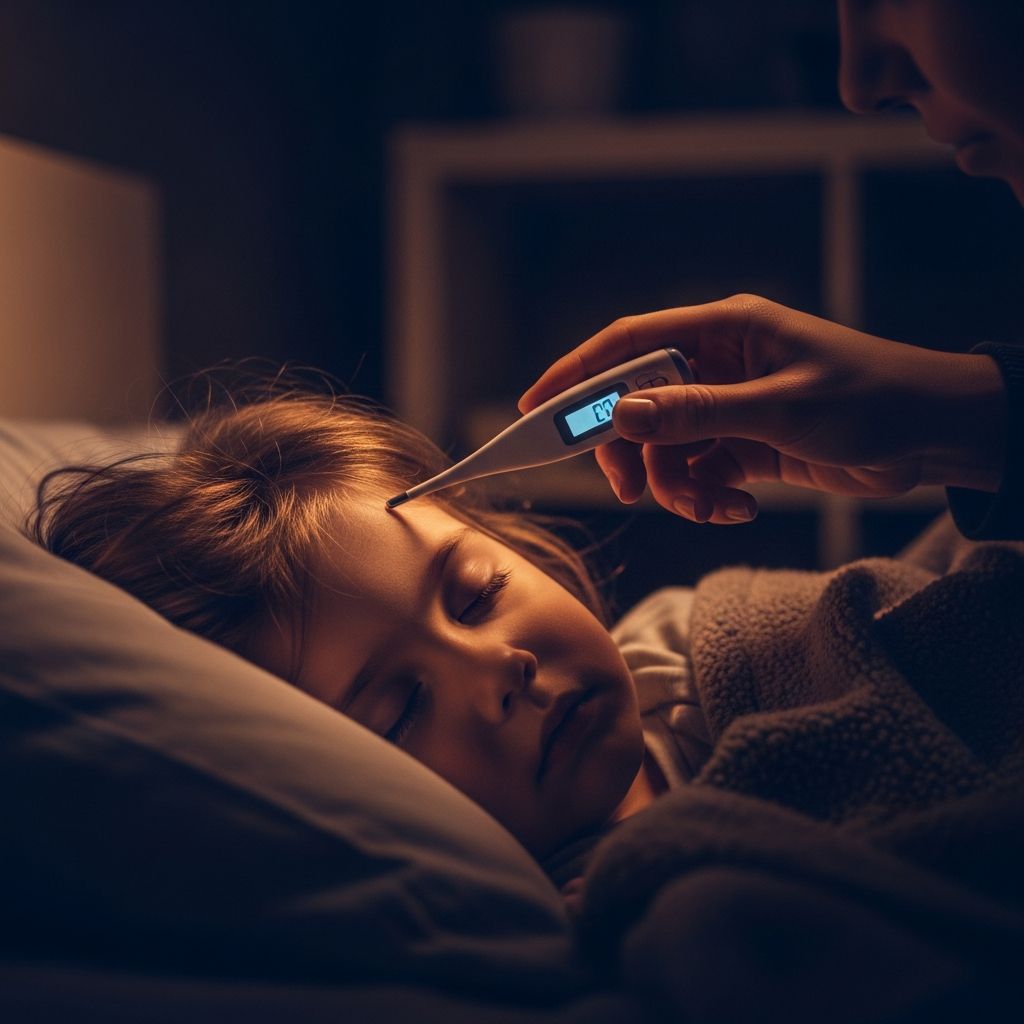
Ear infections are one of the most frequent reasons young children visit the doctor. As a parent, it can be stressful to see your child in pain, especially when they cannot fully explain what hurts. Understanding how and why ear infections happen can make it easier to recognize the signs early, support your child’s recovery, and know when to seek medical help.
How the Ear Works in Simple Terms
To understand ear infections, it helps to know a little about the ear’s basic structure. The ear has three main sections: the outer ear, the middle ear, and the inner ear. Most childhood ear infections affect the middle ear, the small air-filled space behind the eardrum.
The middle ear connects to the back of the nose and throat through a narrow passage called the eustachian tube. This tube allows air to move in and out and lets fluid drain away. When this tube becomes blocked or swollen, fluid can collect in the middle ear, creating a warm, moist space where germs can grow and cause infection.
Why Children Get Ear Infections More Often
Babies and young children are much more likely than adults to get ear infections, and there are several reasons for this. Their eustachian tubes are shorter, narrower, and more horizontal, which makes it easier for fluid to get trapped and harder for it to drain. When children catch colds or other respiratory infections, the tissues around the tube can swell and block it.
Young children’s immune systems are also still developing. They are less capable of quickly fighting off viruses and bacteria, especially if they are frequently exposed to germs at daycare, school, or through siblings. This combination of anatomy and immature immunity makes ear infections a common part of early childhood.
Types of Ear Problems in Children
Not all ear problems are the same, even though they may cause similar discomfort. Doctors often use different terms to describe what is happening in or around the middle ear.
- Acute middle ear infection: A sudden infection with pain, fever, and fluid behind the eardrum. This is what most people mean when they talk about an ear infection.
- Fluid without active infection: Sometimes fluid remains trapped behind the eardrum even after an infection has cleared. This may cause muffled hearing but not always pain or fever.
- Frequent or long-lasting fluid: Some children have fluid that keeps returning or lingers for months. Over time, this can affect hearing and may require closer monitoring or treatment.
Common Causes and Triggers
Ear infections usually start with something that irritates or infects the upper airways. This can be a simple cold, the flu, allergies, or another respiratory illness. When the nose and throat are inflamed, the same swelling can affect the eustachian tubes and middle ear.
Several everyday situations can increase a child’s risk:
- Frequent colds from daycare, preschool, or crowded environments.
- Exposure to tobacco smoke or other indoor pollutants.
- Allergies that cause nasal congestion and swelling.
- Drinking from a bottle while lying flat, which can allow fluid to travel toward the middle ear.
- Seasonal viruses that spread more easily in colder months when families spend more time indoors.
Signs Your Child May Have an Ear Infection
Because many ear infections follow a cold or runny nose, it can be easy to overlook early warning signs. Older children may clearly say that their ear hurts or feels “full” or “blocked,” but babies and toddlers often show their discomfort in more subtle ways.
Watch for these common symptoms in babies and young children:
- Sudden fussiness or crying, especially when lying down.
- Tugging, pulling, or rubbing one or both ears.
- Trouble sleeping, frequent waking, or difficulty settling.
- Decreased appetite or reluctance to suck, chew, or swallow.
- Fever, which may be mild or moderate.
- Fluid, pus, or blood-tinged drainage coming from the ear.
- Seeming not to hear well or ignoring softer sounds.
- Unsteadiness, clumsiness, or problems with balance.
In older children and teens, symptoms are often more specific, such as sharp or throbbing ear pain, pressure in the ear, muffled hearing, and difficulty equalizing pressure when swallowing.
Ear Infection vs. Other Ear Pain
Not all ear discomfort means there is a middle ear infection. Sometimes pain is “referred” from another area, such as the throat, jaw, or teeth. Ear pain can also result from wax buildup, injury to the ear canal, or irritation from inserting objects or cotton swabs.
Infections of the outer ear canal, often called “swimmer’s ear,” are different from typical middle ear infections. They usually cause tenderness when the outer ear is touched or pulled and may follow frequent swimming or water exposure. Because these conditions require different treatments, medical evaluation is important if symptoms are severe, persistent, or unclear.
How Doctors Diagnose an Ear Infection
When you take your child to a health professional for suspected ear problems, the visit usually starts with questions about symptoms, recent illnesses, and medical history. The clinician then looks inside the ear using a lighted instrument that allows a clear view of the eardrum.
Signs that help confirm a middle ear infection include redness, bulging, or cloudy appearance of the eardrum and reduced movement of the eardrum when gentle air pressure is applied. In some cases, additional tests or follow-up visits are recommended, especially if fluid remains behind the eardrum or if there is concern about hearing.
Typical Treatment Approaches
Treatment for ear infections depends on the child’s age, the severity of symptoms, and whether the infection appears likely to clear up on its own. Many mild ear infections improve without antibiotics as the body’s immune system clears the infection and fluid gradually drains.
Common elements of treatment include:
- Pain relief: Over-the-counter pain relievers recommended by your child’s doctor can reduce discomfort and fever. Warm compresses near the ear may also soothe pain.
- Observation period: For some children, especially older ones with mild symptoms, the doctor may suggest waiting and monitoring for a day or two before starting antibiotics.
- Antibiotics when needed: If the child is very young, has severe symptoms, or does not improve with observation, an antibiotic may be prescribed to clear the bacterial infection.
It is important to give antibiotics exactly as directed and to complete the full course, even if your child appears to feel better before the medicine is finished.
When Ear Tubes May Be Recommended
Some children have ear infections or middle ear fluid that keeps returning or does not go away over time. In these cases, the doctor may refer your child to an ear, nose, and throat (ENT) specialist for further evaluation. One common treatment for frequent or long-lasting infections is the placement of tiny ear tubes.
Ear tubes are small cylinders inserted into the eardrum during a short surgical procedure. They help air enter the middle ear and allow fluid to drain more easily. This can reduce the number of infections and improve hearing while the tubes remain in place. Tubes usually fall out on their own as the eardrum heals.
Home Care: Keeping Your Child Comfortable
While medical treatment addresses the infection itself, home care plays an important role in your child’s comfort and recovery. Gentle, soothing strategies can ease pain and help your child rest better.
- Keep your child well hydrated with breast milk, formula, or water, depending on age and doctor’s guidance.
- Encourage upright positions during wake time and sleep, such as holding your child slightly elevated, to ease pressure in the ear.
- Use doctor-approved pain relievers at the recommended dose and schedule.
- Place a warm (not hot) washcloth near the affected ear, checking temperature carefully first.
- Provide quiet, calm activities like reading or cuddling instead of loud or rough play when your child is in pain.
Avoid placing oils, drops, or other substances in your child’s ear unless specifically recommended by a healthcare professional. Also avoid inserting cotton swabs or other objects into the ear canal.
Possible Complications and Long-Term Concerns
Most ear infections heal without causing any lasting problems. However, when infections are severe, frequent, or untreated, they can occasionally lead to complications. One concern is temporary hearing loss due to fluid or pressure in the middle ear. If fluid sticks around, it can affect how clearly a child hears speech and environmental sounds.
Over time, repeated infections or persistent fluid may impact speech and language development, especially in very young children. In rare cases, more serious problems such as spread of infection beyond the middle ear can occur. Regular follow-up with the child’s healthcare provider helps catch and manage any issues early.
Risk Factors You Can and Cannot Change
Some risk factors for ear infections are part of normal childhood and cannot be completely avoided. These include age, developing immune systems, and anatomical features of the ear. Children between six months and three years old are particularly prone to infections.
Other risk factors can be reduced through lifestyle choices and environmental changes. The table below summarizes some of the most important ones for families to consider.
| Risk Factor | Why It Matters | Helpful Parent Actions |
|---|---|---|
| Group childcare or preschool | More exposure to colds and respiratory infections. | Teach handwashing, keep child home when ill, and work with caregivers on hygiene. |
| Secondhand smoke exposure | Smoke irritates the nose, throat, and eustachian tubes. | Maintain a smoke-free home and car; avoid smoking near children. |
| Seasonal viral outbreaks | More colds in fall and winter can lead to more ear infections. | Encourage vaccines as advised, practice good respiratory etiquette, and support healthy habits. |
| Bottle-feeding while lying flat | Milk can more easily reach the eustachian tube opening. | Feed infants in a semi-upright position rather than flat on their backs. |
| Family history of frequent ear infections | Some children may inherit structural or immune differences. | Inform your child’s doctor about family patterns so monitoring can be tailored. |
Practical Prevention Tips for Families
Although no strategy can guarantee a child will never develop an ear infection, certain habits can significantly lower the chances and reduce how often infections occur. These habits also support overall health and strong immunity.
- Stay up to date on recommended childhood vaccines, which can prevent illnesses linked to ear infections.
- Encourage frequent handwashing, especially before meals and after coughing or sneezing.
- Avoid exposing your child to cigarette smoke or vaping aerosols.
- When possible, choose breastfeeding or hold your baby more upright during bottle-feeding.
- Limit pacifier use in older infants and toddlers if advised by your child’s doctor.
When to Call the Doctor or Seek Urgent Care
Parents often wonder whether to wait and watch or call the doctor immediately. Trust your instincts: if your child seems very unwell, is unusually sleepy, or you are worried, it is always reasonable to seek medical advice. Certain symptoms make a call or visit especially important.
- Ear pain that is severe or lasts more than a day.
- Any ear pain in a baby younger than six months.
- High fever, persistent fever, or fever in a very young infant.
- Fluid, pus, or blood draining from the ear.
- Hearing difficulties, slurred speech, or new balance problems.
- Symptoms that improve and then suddenly worsen again.
Emergency care is needed right away if your child has stiff neck, extreme sleepiness, trouble breathing, or other signs of a serious infection. In these cases, go directly to urgent or emergency care rather than waiting for a routine appointment.
FAQs About Childhood Ear Infections
Do all ear infections need antibiotics?
No. Many ear infections, especially mild ones in older children, clear on their own as the body fights off the infection. Health professionals consider the child’s age, overall health, and the severity of symptoms before deciding whether antibiotics are necessary.
Can my child go to school or daycare with an ear infection?
If your child has only mild symptoms and no fever, a doctor may allow return to school or daycare, especially after starting treatment for pain or infection. However, children who feel very unwell, have a fever, or cannot participate comfortably in normal activities usually need to stay home until they improve.
Will frequent ear infections affect my child’s hearing permanently?
Temporary hearing changes are common while fluid is present in the middle ear. These changes usually resolve once the infection and fluid clear. If infections are frequent or fluid persists for months, your child’s hearing and speech development should be monitored, and further treatment may be recommended.
Is flying or swimming safe with an ear infection?
Changes in air pressure during flying can increase ear pain and pressure, so it is important to ask your child’s doctor before air travel. Swimming may be limited if there is a perforated eardrum or ear tubes, especially in untreated or active infection, so follow specific medical advice about water exposure.
What can I do to support my child during an ear infection?
Offer comfort, rest, and reassurance, and follow the treatment plan recommended by your healthcare provider. Use approved pain relief, encourage fluids, and keep follow-up appointments to be sure the infection and fluid have resolved.
Supporting Your Child’s Ear Health
Ear infections are a normal part of many children’s early years, but they do not have to be overwhelming. By learning the common signs, understanding when to seek medical care, and using practical prevention strategies, parents can respond calmly and confidently when ear pain appears.
If you ever feel unsure about your child’s symptoms, contacting a trusted healthcare professional is the best next step. Early guidance, clear information, and caring support make ear infections more manageable for both children and adults.