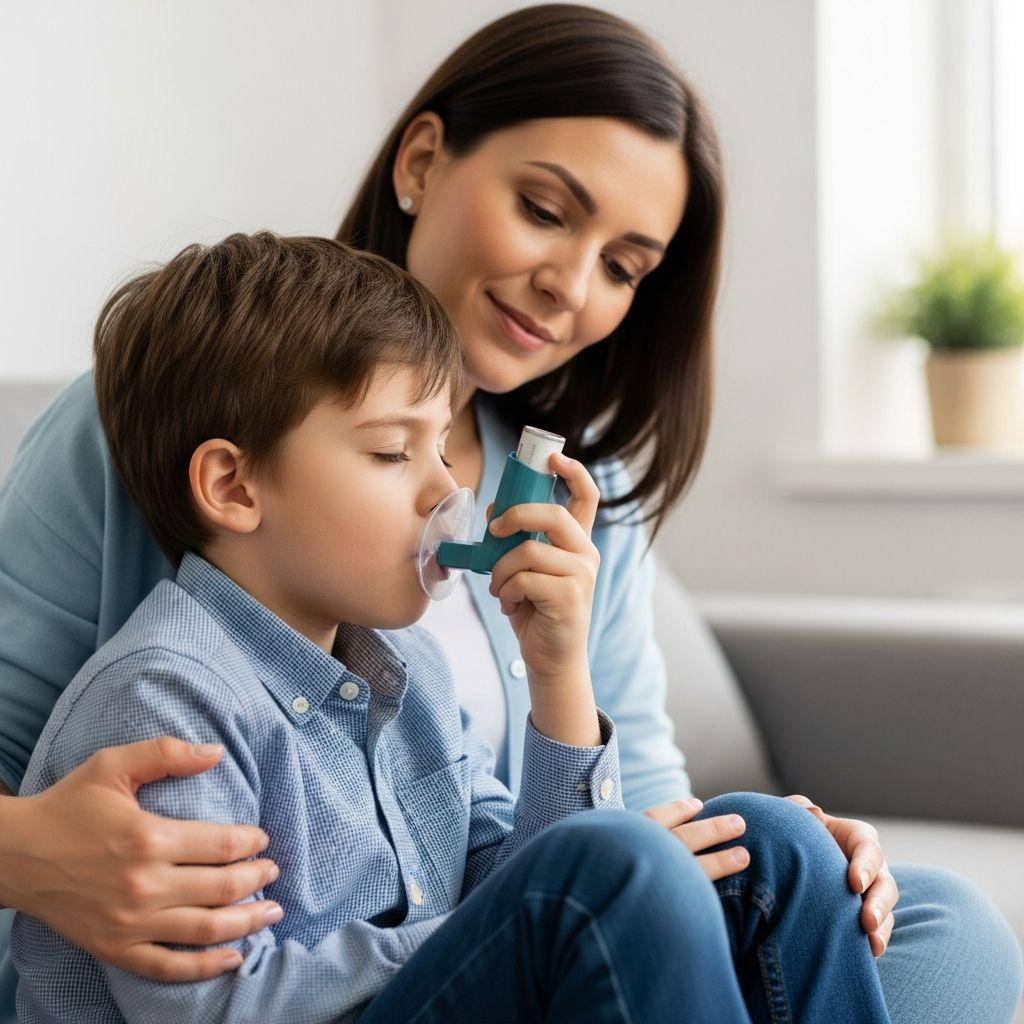
Understanding Childhood Asthma: The Respiratory Challenge
Childhood asthma represents a chronic condition affecting the lungs and airways, making them unusually sensitive and reactive to various environmental stimuli. When a child has asthma, the airways respond abnormally to triggers by becoming inflamed and narrowed, creating breathing difficulties that range from mild to severe. The condition is characterized by episodes where the airways swell, muscles tighten around them, and mucus accumulates, all of which combine to obstruct airflow. Understanding this fundamental mechanism helps parents recognize what their child experiences during an episode and why quick intervention matters.
The positive news is that many children experience improvement in asthma symptoms as they age, though this progression varies significantly from child to child. With proper management and preventive strategies, most children with asthma can participate fully in school, sports, and daily activities. The key lies in recognizing warning signs early, understanding what triggers episodes in your specific child, and having an established action plan ready for when symptoms emerge.
The Physical Changes During an Asthma Episode
When a child experiences an asthma episode, three primary physiological changes occur simultaneously within the airways. First, the airway tissues swell and become inflamed, reducing the available space for air to pass through. Second, the muscles surrounding the airways contract and tighten, further narrowing the passages. Third, the airways produce excess mucus, which fills the already-compromised spaces. These three concurrent changes create the breathing difficulties parents observe during their child’s episode.
The severity of these changes determines how pronounced the symptoms become. A mild episode might involve only slight airway narrowing and minimal mucus production, while a severe episode involves substantial swelling, tight muscle contraction, and heavy mucus production. This is why the same trigger might cause different responses depending on the child’s current level of airway inflammation. If inflammation has been building due to inadequate controller medication, the same trigger that previously caused minimal symptoms might now trigger a significant episode.
Recognizing the Early Warning Period
Most asthma episodes do not appear suddenly without warning. Instead, they typically develop gradually, with subtle changes appearing hours or even days before the obvious respiratory symptoms emerge. Learning to recognize these early indicators allows parents to intervene before symptoms progress to more severe levels. These early warning signs are often so mild that they might be attributed to other causes if parents are not specifically watching for them.
Common early indicators include nasal symptoms such as a runny nose, nasal congestion, or sneezing. Children might also develop itchy or watery eyes, or complain of an itchy or sore throat. Some children become unusually tired or irritable before respiratory symptoms appear. A few children develop dark circles under their eyes or experience difficulty sleeping. These seemingly unrelated symptoms often cluster together as the airways begin their inflammatory response, providing a crucial window for intervention.
Primary Asthma Episode Symptoms
Once the episode progresses beyond the warning stage, characteristic respiratory symptoms emerge. The most recognizable sign is **wheezing**, a high-pitched whistling or purring sound heard especially during breathing out. Not all children with asthma episodes wheeze, however, so the absence of wheezing does not rule out an episode. **Coughing** represents another hallmark symptom, particularly dry coughs or coughs that worsen at night, during sleep, with physical activity, or when exposed to cold air. Children often cough to clear excess mucus from their airways.
**Shortness of breath** manifests as rapid or labored breathing, with children breathing faster than their normal rate. They might also report or display **chest tightness** or chest discomfort. Younger children often cannot articulate chest tightness but may clutch their chest or seem uncomfortable. Behavioral changes frequently accompany these symptoms—children might seem less playful than usual, refuse to participate in normal activities, or have difficulty maintaining their typical energy level.
Identifying Severe Episode Indicators
While most asthma episodes respond well to appropriate treatment, parents must recognize signs indicating a severe episode requiring immediate medical attention. Physical retractions—where the skin between the ribs, around the collarbones, or above the collarbones pulls inward with each breath—represent a key warning sign that the child is working significantly harder to breathe. Similarly, if the nose flares open wider than normal with each breath, suggesting increased respiratory effort, this indicates escalating severity.
Speech difficulties provide another important indicator. If your child cannot speak in complete sentences without pausing to catch their breath, or if they struggle to maintain normal activities like walking, eating, or drinking due to breathing difficulties, the episode has progressed significantly. Changes in skin color represent the most serious warning sign—lips, fingernails, or facial pallor turning grey or blue indicates inadequate oxygen reaching the bloodstream and demands emergency medical intervention immediately.
Other severe indicators include very rapid breathing beyond the child’s typical rate, difficulty staying awake or unusual lethargy, and vomiting after severe coughing spells. If rescue medication has been administered but symptoms persist or worsen after four hours, or if symptoms continue to escalate despite medication use, medical evaluation is necessary.
Common Triggers That Initiate Episodes
Identifying your child’s specific triggers represents one of the most valuable contributions to managing their asthma. While triggers vary from child to child, certain categories consistently initiate episodes across the pediatric asthma population. **Respiratory infections** top the list of triggers; common colds, influenza, and other viral infections frequently precede asthma episodes by days. Even after the infection resolves, airway sensitivity may persist for weeks.
**Environmental exposures** constitute another major trigger category. Tobacco smoke, whether from active smoking or secondhand exposure, significantly irritates airways. Dust mites, particularly in bedding and upholstered furniture, trigger episodes in many children. Pet dander, cockroach allergens, and mold spores similarly initiate responses in sensitive individuals. Outdoor air pollution, wood smoke, and chemical fumes can all serve as triggers.
**Weather-related factors** provoke episodes in some children, particularly exposure to cold air, sudden temperature changes, or high humidity levels. **Physical activity** triggers episodes in a subset of children, though the right approach to managing exercise-induced asthma allows most children to participate fully in sports and recreation. **Emotional stress** and **allergens** like pollen represent additional common triggers.
Documenting Patterns and Personal Triggers
While understanding common triggers helps, identifying which specific triggers affect your individual child proves most useful for prevention. Begin tracking episodes by noting the date, time, severity, and circumstances surrounding each occurrence. Over time, patterns emerge that reveal your child’s particular sensitivities. One child might have episodes primarily during cold and flu season, while another experiences them mainly with pet exposure or during high pollen counts.
Creating a written log helps reveal these patterns more clearly than memory alone. Note respiratory symptoms, early warning signs, what preceded the episode, environmental conditions, recent illnesses, activity levels, and stress factors. This documentation becomes invaluable during medical appointments and helps guide your household management strategies.
The Role of Controller and Rescue Medications
Two distinct medication categories serve different purposes in asthma management. **Controller medications** address the underlying airway inflammation that makes episodes possible. These medications must be taken daily, even when your child feels perfectly well and has no symptoms. By reducing baseline airway inflammation, controller medications reduce both the frequency and severity of episodes. Without adequate controller medication use, airways remain primed to react to triggers.
**Rescue medications**, typically albuterol delivered through an inhaler or nebulizer, provide rapid relief during episodes. These medications work quickly to relax the muscles around the airways and open the passages, allowing the child to breathe more easily within minutes. However, rescue medications address only the immediate symptom relief; they do not reduce the underlying inflammation. If your child requires rescue medication more than twice weekly, this indicates inadequately controlled inflammation requiring adjustment of controller medication.
Responding to an Emerging Episode
When you observe signs of an emerging or active episode, a systematic response approach works best. First, stay calm—your composure helps your child remain calm, which itself aids breathing. Locate your child’s rescue inhaler or nebulizer immediately. If you have difficulty finding it, the episode is already creating a stressful situation that might have been prevented through better accessibility planning.
Administer the rescue medication according to your child’s doctor’s instructions. Typically, this involves one to two puffs from an inhaler, or a full nebulizer treatment lasting five to fifteen minutes. Ensure your child uses proper technique for inhalers or sits still during nebulizer treatment. After medication administration, observe whether symptoms improve within fifteen to twenty minutes. Many episodes resolve completely with rescue medication.
If symptoms persist or worsen despite rescue medication, or if symptoms return before the typical four-hour duration of the medication, contact your child’s physician. Keep a list of emergency contact numbers readily accessible, and do not hesitate to call for guidance when uncertainty exists. Your child’s physician provides specific instructions for your family’s particular situation and should be consulted when you question whether symptoms warrant emergency care.
When to Seek Immediate Medical Attention
Certain symptoms demand emergency medical evaluation without waiting for rescue medication to take effect or for physician office hours. Severe breathing difficulties, where your child gasps for air or struggles profoundly, warrant emergency care. Skin color changes involving lips, fingernails, or facial pallor becoming grey or blue represent oxygen emergencies requiring immediate intervention. If your child cannot speak, eat, drink, or walk due to shortness of breath, emergency evaluation is appropriate.
Additionally, if rescue medication has been administered but symptoms continue progressing, or if your child seems unusually drowsy or unresponsive, emergency care is warranted. Never delay seeking emergency help due to concern about being overcautious; emergency departments regularly evaluate asthma symptoms, and it is always better to err on the side of safety with childhood asthma.
Prevention Strategies for Reducing Episode Frequency
Consistent controller medication use forms the foundation of episode prevention. Taking prescribed controller medication every single day, regardless of current symptoms, maintains lower baseline airway inflammation and dramatically reduces episode frequency and severity. Many parents discontinue controller medication when symptoms resolve, not realizing that symptom resolution results from the medication’s effectiveness, not from resolution of the underlying condition.
Environmental trigger reduction also significantly impacts episode prevention. Keep rescue medication always accessible—in your child’s backpack at school, in your purse, in the car, and at home. Minimize exposure to identified personal triggers. If your child has respiratory infections easily, emphasize hand hygiene, avoid close contact with ill individuals when possible, and ensure vaccinations remain current.
For children with exercise-induced symptoms, using rescue medication ten to fifteen minutes before activity often allows full participation in sports and recreation. Maintaining a clean home environment by reducing dust mites through regular bedding washing, controlling humidity, and removing mold sources helps many families. If pet allergies trigger episodes, discussing pet management with your child’s physician helps balance the emotional benefits of pet ownership against respiratory health.
Developing a Family Asthma Action Plan
Your child’s physician should provide a written asthma action plan tailored to your child’s specific condition, medications, and triggers. This plan typically divides asthma control into color-coded zones: a green zone representing good control with no symptoms, a yellow zone indicating mild symptoms requiring attention, and a red zone representing severe symptoms demanding immediate action. Your plan specifies which medications to use in each zone, when to contact the physician, and when to seek emergency care.
Keep this written plan readily accessible and ensure all caregivers—grandparents, teachers, babysitters, school nurses—receive copies and understand how to implement it. Review and update the plan during each physician visit, as medication doses and recommendations change as children grow.
Special Considerations for Nighttime Symptoms
Many children experience worsening asthma symptoms at night, often after midnight. Nighttime symptoms frequently signal increasing airway inflammation requiring medication adjustments. If your child regularly awakens with coughing, wheezing, or shortness of breath, discuss this pattern with their physician. Nighttime symptoms may indicate that current controller medication dosing or type is not adequately suppressing inflammation.
Creating a sleep environment that minimizes trigger exposure helps reduce nighttime episodes. Wash bedding regularly in hot water to reduce dust mites. Keep pets out of sleeping areas. Maintain appropriate humidity levels. Prop the head of the bed slightly to ease nighttime breathing.
Frequently Asked Questions About Pediatric Asthma Episodes
Q: Can asthma episodes be life-threatening?
A: Yes, severe asthma episodes can be life-threatening if not treated promptly. However, with appropriate management, most children with asthma do not experience life-threatening episodes. The key is recognizing warning signs early and having treatment available immediately.
Q: My child only wheezes occasionally. Does this mean asthma control is good?
A: Not necessarily. Some children with asthma have persistent coughing or difficulty with exercise rather than wheezing. Additionally, infrequent wheezing may indicate that controller medication is working well, or it may indicate that symptoms are being missed. Any recurring respiratory symptoms warrant evaluation by your child’s physician.
Q: Can my child outgrow asthma?
A: Many children experience significant improvement in asthma symptoms as they age into adulthood. However, this improvement takes years and is not guaranteed. Continue appropriate management and medication until your child’s physician indicates otherwise. Some children and adults with mild asthma may eventually discontinue medication entirely.
Q: Why does my child still have symptoms despite being on controller medication?
A: Several reasons explain ongoing symptoms: the medication dose may be too low, the medication type may not be optimal for your child, your child may not be using the inhaler correctly, missed doses reduce effectiveness, or exposure to a particularly strong trigger may overwhelm the medication’s protection. Discuss ongoing symptoms with your physician to determine whether medication adjustments are needed.
Q: Should my child avoid physical activity due to asthma?
A: No. Most children with asthma can and should participate fully in physical activity and sports. Proper management using controller medications and sometimes rescue medication before exercise enables full participation. Avoiding activity actually worsens long-term outcomes.
Q: How often should we see the asthma physician?
A: Children with asthma should have follow-up appointments at least every three to six months for medication evaluation, more frequently if symptoms are not well-controlled. Additional visits may be needed after significant episodes or environmental changes.
References
- Asthma and Reactive Airway Disease (RAD) (Wheezing) — Nationwide Children’s Hospital. Accessed 2026. https://www.nationwidechildrens.org/conditions/asthma-and-reactive-airway-disease-rad-wheezing
- Childhood Asthma – Symptoms & Causes — Mayo Clinic. 2024. https://www.mayoclinic.org/diseases-conditions/childhood-asthma/symptoms-causes/syc-20351507
- How to Respond to Your Child’s Asthma Attacks — Children’s Healthcare of Atlanta. Accessed 2026. https://www.choa.org/parent-resources/asthma/asthma-attacks
- Asthma in Children — Children’s Hospital of Philadelphia. Accessed 2026. https://www.chop.edu/conditions-diseases/asthma-in-children
- Asthma in Children | Asthma Symptoms — MedlinePlus, U.S. National Library of Medicine. 2025. https://medlineplus.gov/asthmainchildren.html