Allergies are very common in children, and they can range from mildly annoying to serious and scary. This guide explains what allergies are, what can trigger them, how to spot the signs, and what families can do to keep kids safe and feeling well.
What Is an Allergy, Exactly?
An allergy happens when the body’s defense system, called the immune system, reacts too strongly to something harmless, such as pollen, certain foods, or pet dander. Instead of ignoring these substances, the body treats them like germs and releases chemicals that cause allergy symptoms.
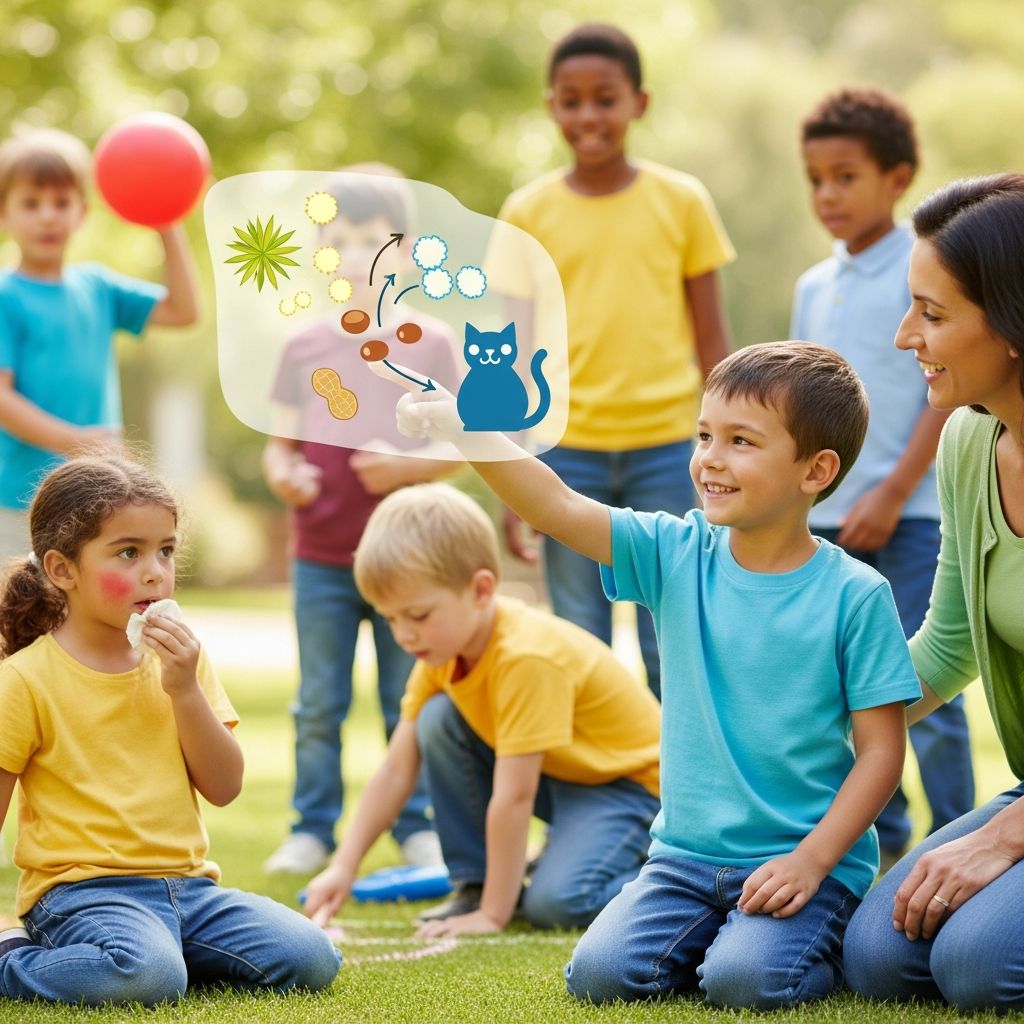
The substance that triggers the reaction is called an allergen. Some kids are sensitive to just one allergen, like peanuts, while others can react to several, such as dust mites, grass pollen, and cat dander.
- The immune system mistakes an allergen for a dangerous invader.
- Special cells release chemicals, including histamine.
- These chemicals cause symptoms like sneezing, itching, rashes, or breathing trouble.
Why Do Some Kids Have Allergies?
Doctors know that allergies tend to run in families, but they do not always appear in the same way in each person. A parent with hay fever may have a child with eczema or food allergies, or a child may be the first in the family to react to certain triggers.
Environment also plays an important role. Growing up around cigarette smoke, heavy air pollution, or lots of indoor dust and mold can make a child more likely to develop allergy problems over time.
- Family history: Kids are more likely to have allergies if parents or siblings do.
- Environment: Exposure to smoke, pollution, and indoor allergens can increase risk.
- Immune system differences: Some children’s immune systems are more reactive than others.
Common Allergy Triggers in Children
Children can react to many different substances, but some triggers are especially common. Knowing what tends to cause problems helps families spot patterns and work toward a diagnosis.
Food Triggers
Food allergies are especially worrisome because they can cause symptoms quickly after eating or sometimes even after a tiny amount of exposure. A child can be allergic to almost any food, but a few are responsible for most reactions.
- Peanuts and tree nuts (such as walnuts, almonds, or cashews)
- Milk and dairy products
- Eggs
- Wheat and soy
- Fish and shellfish
Indoor and Outdoor Allergens
Some children mostly react to things they breathe in. These allergens often affect the nose, eyes, and lungs and may be worse at certain times of year or in particular places.
- Pollen from trees, grasses, and weeds
- Dust mites that live in mattresses, pillows, and carpets
- Pet dander, saliva, and urine
- Mold spores in damp areas such as bathrooms and basements
Skin and Sting Triggers
Some allergies affect mainly the skin or occur after bites and stings. These can be painful or itchy and sometimes lead to swelling or more serious reactions.
- Insect stings, such as bees, wasps, and hornets
- Certain soaps, lotions, metals, and fabrics
- Plants like poison ivy in sensitive children
How Allergy Symptoms Show Up
Allergy symptoms can range from very mild to life-threatening. Not every child will have all of these signs; symptoms depend on the type of allergen and how the child was exposed to it.
Typical Mild to Moderate Symptoms
- Sneezing, runny or stuffy nose, and nasal itching
- Red, itchy, or watery eyes
- Itchy mouth or tingling lips after eating certain foods
- Red, raised, itchy bumps on the skin (hives)
- Dry, scaly, or irritated skin patches, often with eczema
- Mild stomach pain, nausea, or vomiting
Warning Signs of a Severe Reaction
A severe allergic reaction, often called anaphylaxis, is an emergency. It usually appears suddenly and can get worse very quickly. Children with known serious allergies should have an emergency plan and access to fast treatment.
- Difficulty breathing or noisy breathing
- Swelling of the lips, tongue, face, or throat
- Tightness in the chest or trouble talking
- Dizziness, fainting, or feeling very weak
- Widespread hives or flushing of the skin
If these symptoms appear, families should use prescribed emergency medicine (if available) and call emergency services right away.
How Allergies Are Diagnosed
When a child has repeating symptoms, such as frequent sneezing, unexplained rashes, or reactions to certain foods, it is important to speak with a healthcare professional. A careful history often gives the first clues about whether allergies are involved.
During the visit, the provider may ask about the timing of symptoms, what the child was doing or eating, family history, and how long the problems have been going on. A physical exam helps rule out other causes, such as infections.
Common Testing Methods
Depending on the child’s age and symptoms, the provider may recommend allergy testing. These tests help confirm which allergens are causing trouble so that an effective plan can be created.
| Test Type | How It Works | When It Is Used |
|---|---|---|
| Skin prick test | Tiny drops of possible allergens are placed on the skin, then the surface is gently pricked to see if a small itchy bump appears. | Often used for environmental and some food allergens in kids who can sit still during the test. |
| Blood test | A sample of blood is checked in a lab to look for allergy-related antibodies to specific allergens. | Useful when skin tests are not possible, such as with severe skin conditions or certain medications. |
| Food challenge (specialized) | Under medical supervision, the child eats small, increasing amounts of a food to confirm or rule out an allergy. | Reserved for selected cases and always done under close professional supervision. |
Treatment Options for Kids With Allergies
There is no simple cure for allergies, but many children can feel much better with a mix of avoiding triggers and using medicine when needed. Treatment plans should be tailored to the child’s age, symptoms, and specific allergens.
Everyday Medicines
Many children with mild to moderate allergies benefit from medications. A healthcare professional can help families choose safe options and decide when and how often to use them.
- Antihistamines to reduce itching, sneezing, and runny nose
- Nasal sprays to ease stuffiness and nose inflammation
- Eye drops to calm red, itchy, watery eyes
- Inhalers for kids who also have asthma symptoms
- Topical creams and ointments for allergic skin rashes and eczema
Emergency Medicines for Severe Reactions
Children who are at risk of anaphylaxis are often prescribed an epinephrine auto-injector. Families, caregivers, and older children must learn how and when to use it, and it should always be available where the child eats, plays, and learns.
Long-Term Options
In some cases, allergy specialists may suggest treatments that help the immune system become less sensitive over time. These approaches require commitment but can significantly reduce symptoms for certain children.
- Allergy shots (immunotherapy) for some environmental allergies
- Carefully supervised oral treatments in select situations
- Regular follow-up visits to adjust the plan as the child grows
Reducing Allergens at Home
Allergen avoidance is a powerful tool. While it is impossible to remove every trigger, small everyday changes can make a big difference in how a child feels, especially during high-allergy seasons or after a diagnosis has been made.
Steps for Indoor Allergies
- Use dust-mite-proof covers on pillows and mattresses.
- Wash bedding in hot water on a regular schedule.
- Vacuum carpets and soft furniture frequently, using a HEPA filter if possible.
- Keep stuffed animals and soft toys washed and dry, or limit how many are kept in the bed.
- Fix leaks and clean damp areas to discourage mold growth.
- Ask family members not to smoke in the home or car.
Steps for Outdoor Allergies
- Check local pollen levels and plan outdoor time when counts are lower.
- Have kids change clothes and wash their face and hands after playing outside.
- Keep windows closed during peak pollen times, especially in bedrooms.
- Use air conditioning with proper filters when possible.
Food Allergy Safety for Families
Food allergies require careful planning, but children with these conditions can still enjoy school, parties, and sports with good communication and preparation. Everyone involved in the child’s care should know what foods to avoid and what to do in an emergency.
Reading Labels and Avoiding Hidden Ingredients
- Always read ingredient lists, even on familiar foods, because recipes can change.
- Learn the different names a problem food might appear under.
- Teach older children to ask about ingredients at restaurants and friends’ homes.
- Keep safe snacks on hand for school events and birthday parties.
Creating an Allergy Action Plan
A written allergy plan helps teachers, relatives, babysitters, and coaches respond quickly if a child has a reaction. The plan usually lists the child’s allergens, signs of a mild versus severe reaction, and clear steps for treatment.
- Share the plan with the school nurse and key staff.
- Store emergency medicine where adults can reach it quickly.
- Review the plan regularly and update it as the child grows or treatment changes.
Coping With Allergies at School and Activities
Many children spend large parts of their day at school, in sports programs, or at after-school activities. Working together with teachers and leaders makes it easier to keep allergic children healthy and included.
- Meet with school staff at the start of the year to discuss your child’s allergies.
- Ask how food is handled in classrooms, cafeterias, and during celebrations.
- Make sure staff know how to recognize a serious reaction and where emergency medicine is stored.
- Encourage your child to speak up if something does not feel right, such as itching in the mouth after eating.
Helping Kids Cope Emotionally
Living with allergies can feel frustrating or unfair, especially for children who must avoid favorite foods or sit out certain activities. Emotional support is just as important as medical care.
- Listen when your child shares worries about being different or left out.
- Practice ways to politely refuse unsafe foods or situations.
- Focus on what your child can do and eat, rather than only what is off-limits.
- Connect with other families dealing with allergies for support and ideas.
Frequently Asked Questions About Kids and Allergies
Can children outgrow their allergies?
Some kids do outgrow certain allergies, such as those to milk or eggs, as their immune system changes over time. Other allergies, particularly to peanuts, tree nuts, fish, or shellfish, may last into adulthood, so regular checkups and testing are important.
Is an allergy the same as an intolerance?
No. An allergy involves the immune system and can cause reactions like hives, swelling, or breathing problems, sometimes very quickly. An intolerance usually affects digestion and may cause gas, cramps, or diarrhea, but it does not involve the same kind of immune response.
When should a child see an allergy specialist?
A child may be referred to an allergy specialist if symptoms are severe, hard to control, or unclear, or if there has been a strong reaction to a food, insect sting, or unknown cause. Specialists can offer detailed testing and help create a long-term treatment and safety plan.
Can allergies cause trouble sleeping or learning?
Yes. Stuffy noses, itching, and coughing can disturb sleep, leaving a child tired and less able to concentrate at school. Treating allergies effectively often improves mood, energy, and school performance.
What should families do after a serious reaction?
After getting emergency care, families should schedule a follow-up visit with a healthcare professional or allergy specialist. This visit helps identify the trigger, adjust medications, and update the child’s action plan to reduce the chance of another serious reaction.
Key Takeaways for Parents and Caregivers
Allergies are common in children, but with knowledge and planning, most kids can stay safe and lead full, active lives. Paying attention to patterns, working with healthcare professionals, and building strong communication with schools and caregivers are all crucial steps.
- Watch for repeating symptoms and talk with a healthcare provider if they occur.
- Identify triggers through history and, when needed, testing.
- Combine trigger avoidance, medication, and emergency planning.
- Support your child emotionally and encourage confidence and self-advocacy.