Understanding Allergic Reactions in Children
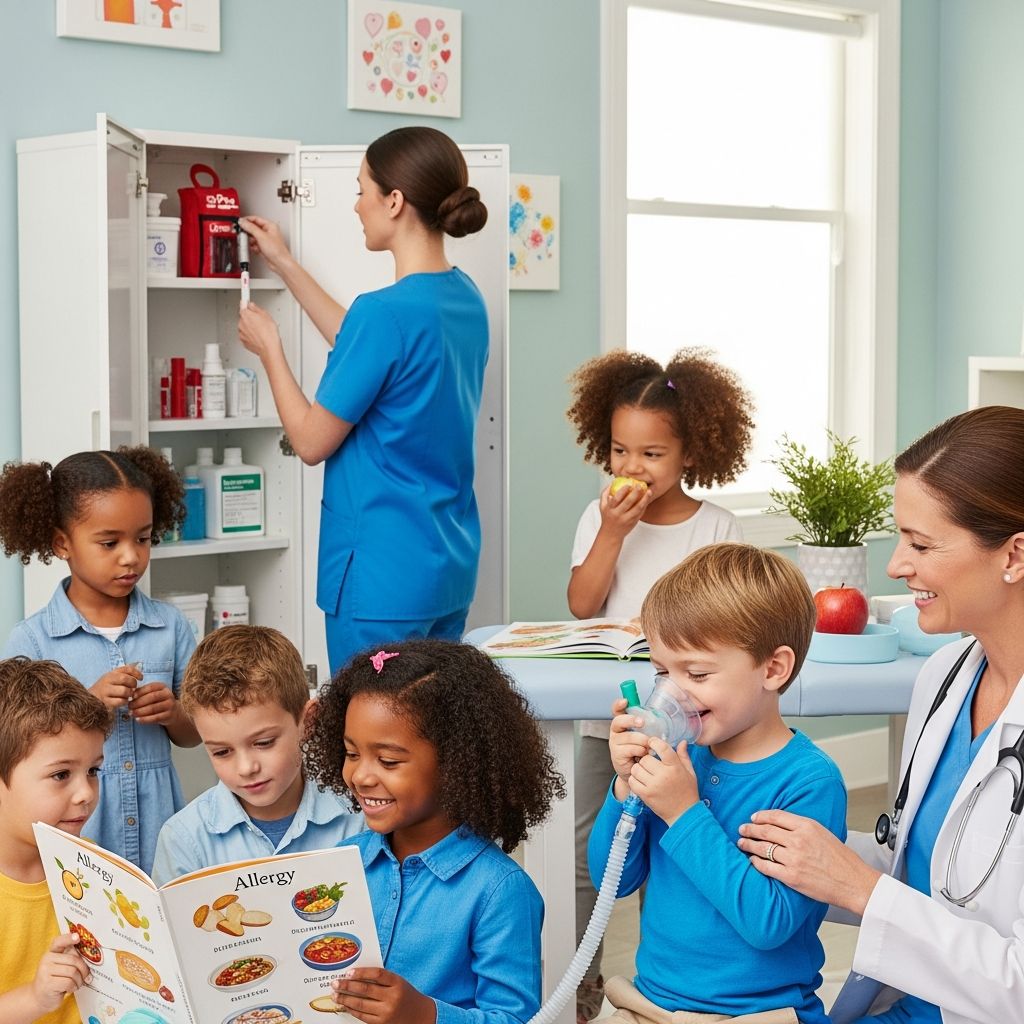
Allergies represent one of the most common health conditions affecting children today. When a child’s immune system encounters a substance it perceives as harmful—even though it poses no genuine threat—it triggers an allergic response. This overreaction causes the release of chemicals like histamine, which leads to the various symptoms parents and caregivers observe. The prevalence of allergies in childhood has increased significantly, affecting millions of young people worldwide. Understanding what happens during an allergic reaction helps parents respond appropriately and seek timely medical intervention when necessary.
Allergic reactions can range from mild inconveniences to life-threatening emergencies. The severity depends on several factors, including the type of allergen, the amount of exposure, individual sensitivity levels, and whether the child has experienced previous reactions to the same substance. Some children experience reactions that appear suddenly after exposure, while others may develop symptoms gradually over time. Recognizing these patterns helps families anticipate problems and implement preventive measures effectively.
Common Types of Allergies in Pediatric Populations
Children encounter allergies from various sources in their daily environments. The specific types of allergies a child develops depend on their genetics, living conditions, climate, dietary habits, and exposure history. By understanding the major categories, parents can better identify what might be triggering their child’s symptoms.
Environmental Allergies and Seasonal Reactions
Environmental allergies, commonly referred to as hay fever or allergic rhinitis, represent the most widespread allergy type among children. These allergies occur when a child inhales particles like pollen, mold spores, dust mites, or pet dander. The symptoms typically appear during specific seasons when certain plants release pollen into the air, though some environmental allergens persist year-round. Spring and fall generally present the highest pollen counts, but regional variations affect when children experience peak symptoms.
The characteristic signs of environmental allergies include a clear, runny nose, nasal congestion, itching in the nose or throat, sneezing episodes, and itchy or watery eyes. Some children also experience itching in their ears or around their eyes. Sleep disturbances occur frequently because nasal congestion prevents comfortable breathing at night, leaving children fatigued and unable to concentrate during school hours.
Food-Related Allergic Reactions
Food allergies affect a significant portion of the pediatric population and require careful management. Research shows that nearly 90 percent of food-allergic reactions involve one of eight primary culprits: milk, eggs, peanuts, soy, wheat, fish, shellfish, or tree nuts. These eight foods account for the majority of serious allergic incidents in children, though reactions to other foods certainly occur.
Symptoms from food allergies can develop within minutes of consumption or several hours afterward. Mild reactions might involve itching or swelling of the lips, mouth, or tongue, while moderate reactions include stomach upset, vomiting, diarrhea, or skin manifestations like hives. The most serious food allergic responses involve difficulty breathing, swallowing problems, or anaphylaxis—a severe, systemic reaction requiring immediate emergency care.
Insect Sting Hypersensitivity
While many children experience minor discomfort from insect stings, some develop allergic reactions to venom. Mild reactions produce localized warmth, itching, and swelling at the sting site. However, children with true insect sting allergies may experience widespread hives, difficulty breathing, facial or throat swelling, dizziness, or loss of consciousness. These severe reactions represent medical emergencies requiring immediate professional intervention.
Skin-Based Allergic Manifestations
Allergic skin conditions in children include eczema, atopic dermatitis, and contact dermatitis from substances like latex, certain metals, or plant oils. These conditions cause itching, redness, swelling, and sometimes skin breakdown. Proper skin care and identification of triggering substances help minimize symptoms.
Medication Allergies
Some children develop allergic reactions to medications, including common over-the-counter pain relievers like ibuprofen and aspirin, as well as antibiotics such as penicillin or sulfonamides. Parents must communicate thoroughly with healthcare providers about any suspected medication allergies before administering new drugs.
Recognizing Allergy Symptoms: What Parents Should Notice
Early symptom recognition enables prompt treatment and prevents complications. Parents should watch for patterns in their child’s symptoms, noting when they occur, how long they last, and what circumstances precede them. This information proves invaluable for healthcare providers making diagnostic determinations.
Respiratory and Nasal Indicators
- Frequent or persistent sneezing, particularly when exposed to known triggers
- Chronic nasal congestion affecting sleep quality and daytime function
- Clear nasal discharge rather than colored mucus indicating infection
- Postnasal drip causing throat clearing or coughing, especially at night
- Wheezing or shortness of breath in more severe cases
Ocular Manifestations
- Itchy, watery, or red eyes occurring alongside other allergy symptoms
- Swelling around the eyes creating a puffy appearance
- Excessive tearing without obvious irritation or foreign objects
Dermatological Signs
- Hives or urticaria appearing suddenly on skin
- Itching without visible rash that persists despite treatment
- Eczema flares triggered by allergen exposure
- Swelling of lips, tongue, mouth, or facial features
Gastrointestinal Symptoms
- Stomach cramping or abdominal pain after eating suspected allergens
- Nausea, vomiting, or diarrhea appearing soon after food consumption
- Constipation in some children with food sensitivities
Diagnostic Approaches for Identifying Allergies
Healthcare providers employ multiple diagnostic strategies to determine what substances trigger a child’s allergic reactions. Accurate diagnosis guides treatment planning and helps families implement effective avoidance strategies.
Skin Testing Methods
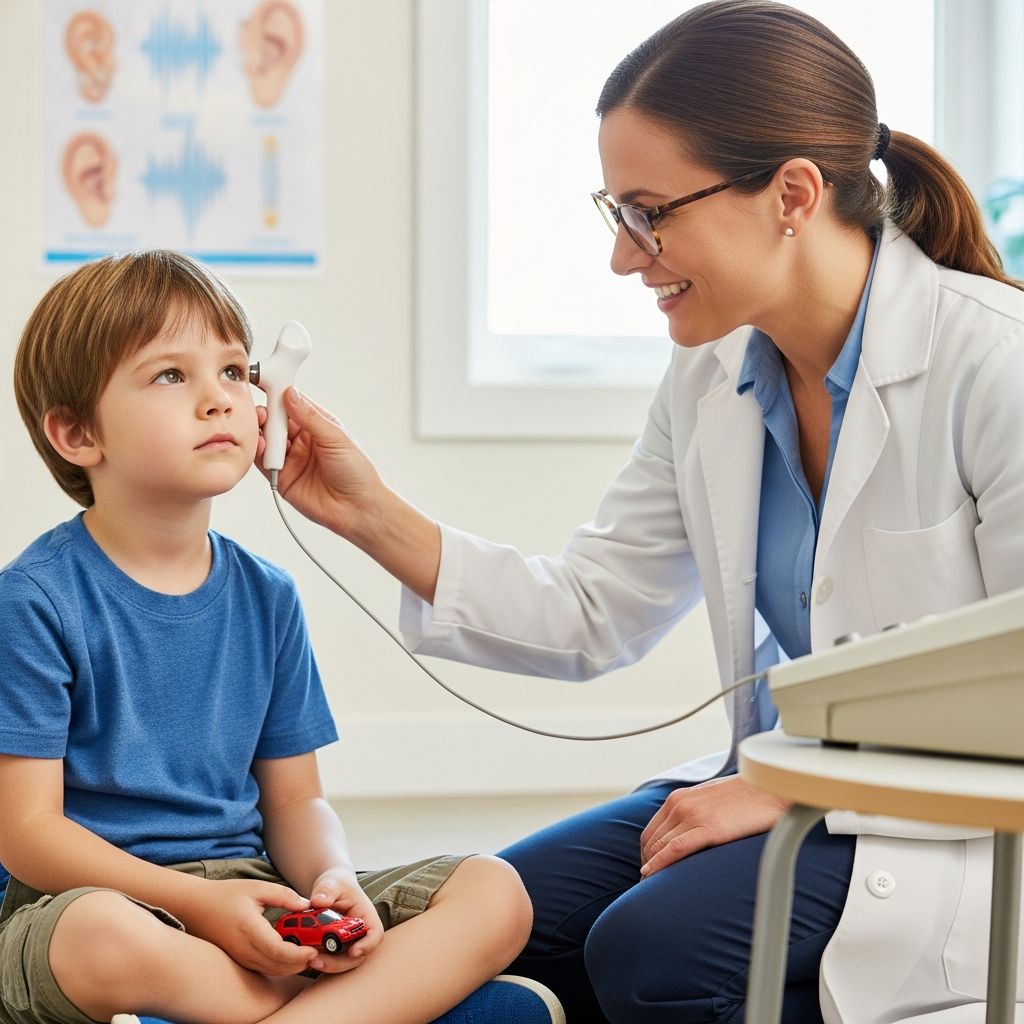
Skin testing remains one of the most direct ways to identify allergens. During this test, healthcare providers introduce tiny amounts of suspected allergens into or just beneath the skin surface, usually on the arm or back. A positive reaction—indicated by swelling or itching at the test site—reveals that the child’s immune system responds to that particular substance. Skin tests provide quick results and help identify multiple allergens during a single appointment.
Blood-Based Diagnostic Tests
Blood tests measure the level of immunoglobulin E (IgE) antibodies specific to particular allergens. These tests prove especially helpful for children who cannot undergo skin testing due to skin conditions or medication use. Blood tests require only a small sample and can detect reactions to numerous allergens simultaneously.
Controlled Challenge Testing
In challenge tests, children consume or are exposed to gradually increasing amounts of suspected allergens under medical supervision in a controlled environment. Healthcare providers monitor closely for reactions, allowing them to pinpoint exact substances causing problems. These tests require careful medical oversight and typically occur in clinical settings equipped to handle emergencies.
Patient History and Observation
A thorough history of symptom patterns, timing, and circumstances surrounding reactions provides valuable diagnostic information. Parents should document when symptoms occur, what the child was exposed to beforehand, and how symptoms resolved. This detailed record helps healthcare providers identify patterns that might not emerge from testing alone.
Comprehensive Treatment Approaches for Childhood Allergies
The most effective allergy management combines multiple strategies tailored to each child’s specific situation. Healthcare providers typically recommend three primary treatment modalities, which can be used individually or in combination depending on symptom severity and frequency.
Allergen Avoidance Strategies
The first-line defense against allergies involves minimizing contact with triggering substances. This approach works best when the specific allergen has been identified and families can realistically limit exposure.
For environmental allergies, practical avoidance measures include:
- Keeping windows closed during high pollen seasons
- Installing HEPA filters in air conditioning systems to remove airborne particles
- Removing outdoor shoes before entering the home to avoid tracking pollen inside
- Scheduling outdoor activities during times when pollen counts are lower, such as mid-day or early evening
- Planning vacations to areas with lower pollen concentrations, such as coastal regions
- Using air purifiers in sleeping areas to improve air quality
Food allergy management requires meticulous attention to ingredients and preparation methods. Parents must carefully read all food labels, communicate with schools and childcare facilities about dietary restrictions, and ensure safe food storage away from the allergic child’s reach. When dining out, discussing allergies with restaurant staff prevents accidental exposure.
Pet allergies may be managed through limiting pet access to certain rooms, using air filters, bathing pets more frequently, or, in cases of severe allergy, finding alternative arrangements for pets.
Pharmacological Management Options
Various medications effectively control allergy symptoms, with choices depending on the child’s age, symptom type, and severity. Common medication categories include:
Antihistamines: These medications block histamine, the chemical responsible for many allergy symptoms. Oral antihistamines come in short-acting formulations suitable for occasional symptom control and long-acting versions for chronic allergies. Some antihistamines cause drowsiness while others do not, affecting the timing of administration. Nasal spray antihistamines provide localized relief for nasal symptoms.
Nasal Corticosteroids: These anti-inflammatory sprays reduce nasal congestion and inflammation more effectively than antihistamines for many children. They work best when used regularly rather than on an as-needed basis.
Decongestants: These medications temporarily shrink swollen nasal tissues, providing relief from congestion. Healthcare providers generally avoid recommending decongestants for children under four years of age due to safety concerns.
Epinephrine Auto-Injectors: Children with severe or anaphylactic allergies require prescription epinephrine auto-injectors carried at all times. Immediate administration during severe reactions can be lifesaving, and emergency medical services should always be contacted afterward.
Immunotherapy: Long-Term Desensitization
For children whose allergies persist despite medication and avoidance strategies, immunotherapy offers a longer-term solution. Also called allergy shots or desensitization therapy, this treatment involves receiving progressively stronger injections of allergen extract over months and years. The graduated exposure allows the immune system to build tolerance to the allergen, eventually reducing or eliminating allergic reactions.
Immunotherapy typically begins with weekly or twice-weekly injections for several months, then transitions to monthly maintenance injections lasting three to five years. Approximately 80 to 90 percent of children experience meaningful improvement in symptoms. While definite symptom reduction often takes 12 to 18 months to become apparent, some children notice improvement within 6 to 8 months. Sublingual immunotherapy—tablets that dissolve under the tongue—provides an alternative to injections for some patients.
Creating an Effective Allergy Management Plan
Successful allergy management requires a comprehensive plan developed collaboratively between parents, the child, school personnel, and healthcare providers. This plan should clearly identify the child’s specific allergens, outline symptoms requiring immediate action, specify medication administration protocols, and detail emergency response procedures.
Written plans shared with schools, daycare facilities, and other caregivers ensure consistent management across all environments. Regular communication with the child’s healthcare provider allows for plan adjustments as the child grows or circumstances change.
Lifestyle Modifications for Better Allergy Control
Beyond medical interventions, several lifestyle changes support better symptom management. Encouraging adequate hydration helps thin nasal secretions and supports overall immune function. Regular cleaning of living spaces reduces accumulated allergens. Using unscented or naturally derived cleaning products minimizes exposure to chemical irritants that might worsen symptoms. Teaching children proper hand hygiene, particularly after outdoor play, reduces allergen transfer.
When Allergies Resolve Naturally
Many children naturally outgrow certain allergies as they mature. Milk and egg allergies, in particular, show high rates of resolution in older children and adolescents. However, peanut and tree nut allergies persist more frequently into adulthood. Some children with mild allergies requiring minimal intervention may need no active treatment, allowing symptoms to be managed through natural exposure and immune system maturation.
Frequently Asked Questions About Childhood Allergies
Q: At what age can children be tested for allergies?
A: Skin testing can typically be performed on children starting around age three to four years. Blood tests can be performed at any age if skin testing is not feasible. Healthcare providers will determine the most appropriate testing method based on the child’s age and individual circumstances.
Q: Can allergies develop suddenly in children who previously had no problems?
A: Yes, allergies can develop at any age, even in children with no prior history. Sensitization can occur after minimal exposure, and initial contact with an allergen may produce no reaction while subsequent exposures trigger symptoms. This is why reactions sometimes appear unexpectedly.
Q: How can parents distinguish between allergies and common colds in children?
A: Colds typically produce colored nasal discharge and last 7-10 days, while allergies produce clear discharge and persist much longer. Cold symptoms often include fever, body aches, and overall malaise, while allergies primarily cause nasal, eye, and respiratory symptoms. Allergies also tend to occur at consistent times, particularly seasonal patterns.
Q: Is it safe to use over-the-counter allergy medications in young children?
A: Many over-the-counter options are available for children, but age-appropriate selection is crucial. Decongestants should not be given to children under four years old. Parents should always consult healthcare providers before starting any medication to ensure appropriate dosing and safety for their child’s specific age and health status.
Q: Can children with allergies participate in normal school activities and sports?
A: With proper management, most children with allergies can participate fully in school, sports, and recreational activities. Ensuring that appropriate medications and emergency equipment are available, communicating with coaches and teachers about the child’s condition, and implementing avoidance strategies allows allergic children to thrive socially and physically.
Q: What should parents do if their child has a severe allergic reaction at school?
A: Parents should provide schools with detailed allergy action plans, ensure staff understand symptoms requiring epinephrine use, and keep emergency contact information current. Schools should have quick access to any prescribed medications and know when to contact parents and emergency services. Regular communication with school nurses ensures everyone understands their roles.
References
- Allergies in Kids: Symptoms & Treatment — GoHealth Urgent Care. 2024. https://www.gohealthuc.com/library/allergies-kids-symptoms-treatment-gohealth-urgent-care
- Pediatric Allergies – Conditions and Treatments — Children’s National Hospital. 2024. https://www.childrensnational.org/get-care/health-library/allergies
- All About Children’s Allergies — Allegra. 2024. https://www.allegra.com/en-us/understanding-allergies/all-about-childrens-allergies
- Treatment Options for Pediatric Allergies — Atlantic Health System, Goryeb Children’s Hospital. 2024. https://ahs.atlantichealth.org/conditions-treatments/childrens-health/pediatric-allergies-immune-disorders/treatment-options-pediatric-allergies.html
- Treatment for a Child’s Allergy to Pollen or Animals — University of Rochester Medical Center. 2024. https://www.urmc.rochester.edu/childrens-hospital/allergy/treatment-for-allergies