Understanding the journey of your child’s visual system is key to supporting their overall growth. From the moment of birth, eyes play a pivotal role in how children explore, learn, and interact with their world. This guide draws on established milestones and recommendations to help parents foster strong vision health.
Building Blocks of Vision in Infancy
A newborn’s eyes are not fully developed; they mature gradually through neural connections between the eyes, brain, and nerves. At birth, infants possess limited focus, typically seeing objects 8-10 inches away, and respond to bright lights by blinking. Over the first month, they begin tracking moving objects and staring at faces or lights.
By 1-2 months, vision clarifies for items 10-12 inches distant, with interest in high-contrast patterns like faces or black-and-white images. Babies follow objects up to 90 degrees and develop tears. Between 2-3 months, they notice familiar items up to 12 inches, examine their hands, and track faces or lights more smoothly.
Progressing Through Early Months
- 4-5 months: Reaching for mobiles, recognizing bottles or pacifiers, and mirror self-awareness emerge as hand-eye coordination strengthens.
- 5-7 months: Full color vision develops, allowing sight of objects several feet away; head turns toward items, color preferences form, and mirror touching occurs.
- 7-12 months: Independent eye movements refine, smaller objects become visible, depth perception builds, leading to crawling, peek-a-boo play, and tracking fast motions.
These stages underscore the first year as a foundation for binocular vision and focus shifting, essential for motor and cognitive advances.
Visual Milestones from Toddlerhood to Preschool
Entering the second year, vision sharpens significantly. At 12-18 months, clear distance vision solidifies, depth perception extends beyond 2 feet, eye movements refine, and children recognize familiar images, walk to objects, and identify themselves in mirrors.
| Age Range | Key Visual Achievements | Related Skills |
|---|---|---|
| 18-24 months | Focus on objects under 2 feet, clear distance sight | Fine-motor growth, crayon coloring, body part identification |
| 24-36 months | Improved near focus, full binocular vision, focus shifts | Shape/object recognition, depth perception enhancement |
| 36-48 months | Near 20/20 distance vision, clear close-up sight | Color/shape/letter recognition, gross-motor coordination |
| 48-72 months | Mature depth perception, letter/word knowledge | Reading initiation, comfortable vision at all distances |
By age 2, eye-hand coordination and depth perception are well-established, supporting exploration and scribbling. Preschoolers categorize colors and shapes, while school-age kids handle complex visuals like letters. Disruptions here can affect learning and coordination.
Why Early Eye Exams Matter for Long-Term Success
Routine screenings are vital since many issues lack obvious symptoms. The American Optometric Association advises first exams at 6-12 months to catch congenital problems. Follow-ups at 3-5 years target amblyopia and strabismus, treatable early. Annual checks before school monitor changes.
Early detection prevents developmental delays; uncorrected issues impair learning and motor skills. The CDC stresses regular exams to track vision through growth.
Spotting Potential Vision Challenges
Watch for red flags like persistent crossing eyes, extreme light sensitivity, tearing without cause, or avoidance of near/distant tasks. Other signs include tilting head to see, squinting, or motor delays like poor ball-catching.
- Amblyopia (lazy eye): One eye weaker, risking permanent loss if untreated.
- Strabismus: Misaligned eyes disrupting depth perception.
- Refractive errors: Myopia, hyperopia, astigmatism blurring vision.
Prompt intervention during the first six years—the ‘vulnerable period’—ensures optimal visual skills.
Daily Habits to Strengthen Your Child’s Eyesight
Parents can actively promote vision via play. Use high-contrast mobiles for newborns, encourage tracking with toys, and provide colorful objects as color vision matures.
- Crawling boosts eye-body coordination; delay walkers if possible.
- Read together to build focus and recognition.
- Limit screens under 2 years; enforce 20-20-20 rule later (20 min break every 20 min, look 20 feet away).
- Ensure outdoor time for distance focus and myopia prevention.
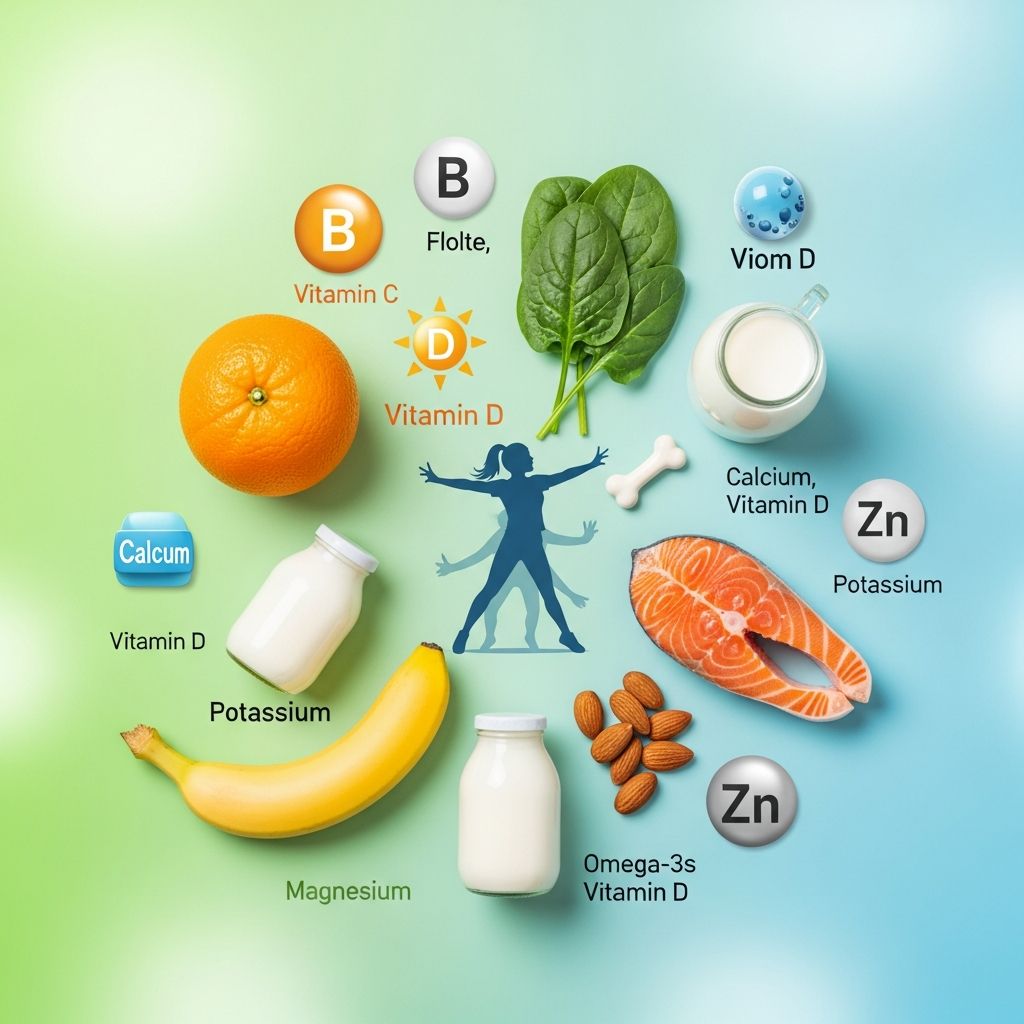
- Balanced nutrition with lutein-rich greens, omega-3s from fish, vitamin A from carrots.
Protect eyes with UV sunglasses, safety gear for sports, and hygiene to prevent infections.
Understanding Common Eye Conditions in Kids
Beyond development, conditions like blocked tear ducts (common in newborns, often self-resolve) or congenital cataracts require monitoring. Infections such as conjunctivitis spread easily in daycare; teach handwashing.
For allergies causing itching, use cool compresses and antihistamines per doctor advice. Injuries from pokes or chemicals demand immediate flushing and medical care.
When to Consult an Eye Specialist
Seek care if milestones lag, like no tracking by 3 months or squinting by 6 months. Pre-school exams confirm readiness; school-aged kids need checks for reading strains. Find pediatric optometrists via professional directories.
Frequently Asked Questions (FAQs)
What is the first eye exam age for babies?
Between 6-12 months, per AOA guidelines, to detect early issues.
Can poor vision cause learning problems?
Yes, undetected issues hinder focus and comprehension, affecting school performance.
How much screen time for toddlers?
Avoid under 18 months; limit to 1 hour daily for 2-5 years with breaks.
Are family vision history risks?
Yes, genetics influence refractive errors and diseases; inform your doctor.
What foods boost eye health?
Leafy greens, fish, eggs, carrots for vitamins A, C, E, and omega-3s.
Empowering Your Child’s Visual Future
By tracking milestones, scheduling exams, and incorporating vision-friendly activities, parents equip kids for academic and physical success. Healthy eyes underpin curiosity-driven learning.
References
- Vision Development and Milestones – Guide to Visual Development — Optometrists.org. 2023. https://www.optometrists.org/childrens-vision/guide-to-visual-development/guide-to-vision-development/
- From Sight to Success: The Importance of Eye Health in Early Childhood — Indian Creek Family Eye Care. 2024-07-02. https://www.icfec.com/2024/07/02/from-sight-to-success-the-importance-of-eye-health-in-early-childhood/
- Infant Vision: Birth to 24 Months of Age — American Optometric Association (AOA). 2023. https://www.aoa.org/healthy-eyes/eye-health-for-life/infant-vision
- Understanding Your Child’s Vision Development — Coventry Eye Care. 2023. https://www.coventryeyecare.com/understanding-your-childs-vision-development/
- Making Children’s Vision a National Priority — National Center for Children’s Vision and Eye Health. 2023. https://nationalcenter.preventblindness.org/making-childrens-vision-a-national-priority/
- Keep an Eye on Your Child’s Vision — Centers for Disease Control and Prevention (CDC). 2025. https://www.cdc.gov/vision-health/prevention/youth-vision-problems.html