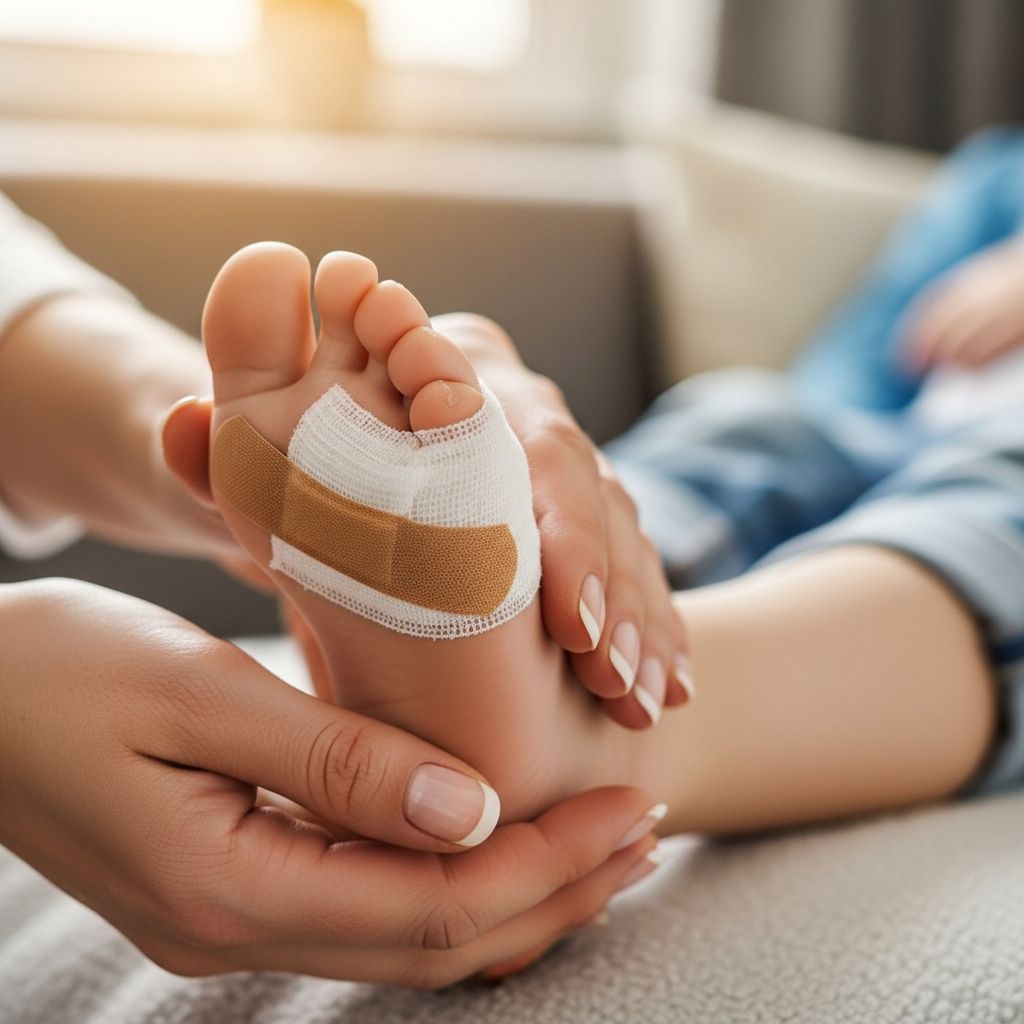
Toe wounds are common in children, whether from stubbing a toe on furniture, stepping on something sharp, or cutting the skin while playing barefoot. Understanding how to clean, protect, and monitor a toe injury helps reduce pain and lowers the risk of infection. This guide offers step-by-step advice so caregivers can respond calmly and confidently.
What Counts as a Toe Wound?
A toe wound is any break in the skin on or around the toes. It may be as small as a scrape on the top of the toe or as serious as a deep cut that exposes underlying tissue. Because toes are close to the ground and often come into contact with dirt and germs, even small wounds need careful attention.
Typical Types of Toe Wounds in Children
- Superficial scrapes and grazes: Shallow skin loss, often from tripping or sliding on rough surfaces.
- Clean cuts: Straight edges from sharp objects such as glass, metal, or toys.
- Jagged or crushing wounds: Irregular edges or bruising, often from doors closing on toes or heavy objects falling.
- Puncture wounds: Small openings caused by nails, tacks, thorns, or other pointed objects penetrating the skin.
- Skin tears around the nail: Cuts near or under the toenail, particularly when the nail is broken or partially lifted.
Immediate First Aid: Step-by-Step
Quick, calm first aid helps control bleeding, reduces contamination, and reassures the child. The steps below apply to most minor toe wounds that do not involve severe bleeding or obvious bone or tendon damage.
1. Keep Your Child Calm and Safe
- Move your child away from the source of injury (for example, broken glass or rough ground).
- Have them sit or lie down so the injured foot can rest and you can examine it.
- Speak calmly and explain that you are going to help, as anxiety can increase perceived pain.
2. Wash Your Hands
Before touching the wound, wash your hands thoroughly with soap and water, or use an alcohol-based hand sanitizer if soap and water are not available. Clean hands reduce the chance of bringing new germs to the injured area.
3. Control the Bleeding
- Place a clean cloth, gauze pad, or folded tissue directly over the wound.
- Apply gentle, steady pressure for several minutes without frequently lifting to check.
- If blood soaks through, place another cloth on top without removing the first one.
- Once bleeding has slowed or stopped, keep the foot elevated on a pillow or folded towel if possible.
4. Gently Clean the Wound
Cleaning removes visible dirt and lowers the risk of infection. For most minor toe wounds, plain water is sufficient.
- Rinse the area under cool or lukewarm running water for several minutes.
- Use mild soap around the wound, but avoid scrubbing directly inside deeper cuts.
- If small particles remain on the surface, gently wipe them away with clean gauze or a soft cloth.
- Do not use hydrogen peroxide, alcohol, or strong antiseptics unless advised by a healthcare professional, as these may irritate tissue.
5. Protect the Skin
- Pat the area dry with clean gauze or a towel.
- For shallow wounds, you may apply a thin layer of over-the-counter antibiotic ointment if your child has no known allergy.
- Cover the wound with an adhesive bandage or sterile gauze and medical tape, especially if the toe will be in a shoe or touch the ground.
When a Toe Wound Is More Serious
Some injuries need urgent evaluation by a health professional. When in doubt, it is safer to seek advice, especially in very young children or if the wound looks more than minor.
Red Flags Requiring Prompt Medical Care
- Bleeding that does not slow after 10–15 minutes of firm pressure.
- A wound that is deep, wide, or has edges that gape apart.
- Visible bone, tendon, or foreign material inside the wound.
- Crushed or misshapen toes, or a toenail that appears completely lifted or torn off.
- A puncture wound from a dirty or high-risk object (nail, broken glass, rusty metal).
- Loss of feeling, tingling, or inability to move the toe normally.
- A child who looks very unwell, has a fever, or complains of severe pain.
Possible Treatments from a Health Professional
The healthcare provider will examine the wound, assess the depth and location, and ask how the injury occurred. Treatment may include:
- Careful cleaning and removal of debris under good lighting.
- Closing the wound with stitches, tape, or medical glue if appropriate.
- Bandaging or splinting the toe to protect it while it heals.
- Prescribing antibiotics if infection risk is high.
- Checking your child’s vaccination record and giving a tetanus booster if needed.
- Ordering an X-ray if a foreign object may be trapped or if bone injury is suspected.
Day-to-Day Wound Care at Home
After the initial first aid or professional treatment, daily care supports healing and prevents complications. Consistency is more important than complex routines.
Cleaning and Bandage Changes
- Follow any specific instructions provided by your child’s doctor or nurse.
- In general, change the bandage at least once a day, or sooner if it becomes wet or dirty.
- Each time you change the dressing, gently clean around the wound with water and allow it to air-dry briefly.
- Reapply a thin layer of ointment only if you were told it is safe and helpful for this wound.
Keeping the Toe Comfortable
- Choose roomy, protective footwear such as sneakers with socks, or open-toed sandals if the weather allows and the wound is not at risk of further injury.
- Avoid tight shoes or seams that rub directly against the wound or bandage.
- Encourage rest from activities that put repeated pressure or friction on the toes, such as running or sports, until the skin is stronger.
Pain Relief
Mild toe wounds are often sore early on but improve quickly. If your child is uncomfortable:
- Offer age-appropriate pain medication recommended by your child’s healthcare provider.
- Keep the toe elevated on a pillow when sitting or lying down to reduce throbbing.
- Distract younger children with quiet activities while the toe is healing.
Spotting Signs of Infection
Because toes come into frequent contact with dirt and sweat, infections can develop if bacteria enter the wound. Early recognition makes treatment easier and helps prevent the infection from spreading.
Common Infection Symptoms
| Sign | What You Might Notice |
|---|---|
| Increased redness | Red area around the wound that grows or forms streaks up the foot. |
| Swelling and warmth | Toe looks puffy, feels hot, and may be more painful to touch. |
| Pus or cloudy drainage | Yellow, green, or foul-smelling fluid leaking from the wound or under the bandage. |
| Persistent or worsening pain | Child complains more about pain after the first couple of days instead of improving. |
| Fever or feeling unwell | Fever, chills, tiredness, or loss of appetite. |
If you see any combination of these signs, or if something about the wound worries you, contact your child’s healthcare provider promptly. Do not wait for multiple days of worsening symptoms before seeking help.
Healing Time and Scarring
Toe wounds, like other skin injuries, heal in stages. Shallow cuts and scrapes may close within a few days, while deeper wounds take longer. The pace of healing will also depend on your child’s age, overall health, and how carefully the wound is protected.
Typical Healing Progress
- First 24–48 hours: Bleeding stops, and a soft scab or protective layer begins to form.
- Next several days: New tissue starts filling in; tenderness and redness gradually lessen.
- Following weeks: The skin regains strength, and any scab falls away once the underlying tissue has closed.
Minimizing Scars
- Keep the wound clean and covered early on to support orderly healing.
- Discourage picking at scabs, which can slow repair and make scars more noticeable.
- After the skin is fully closed, protect the area from sun exposure with clothing or child-safe sunscreen, as sunlight can darken new scars.
Special Situations: When Extra Caution Is Needed
Some children or injury types need closer monitoring, even if the wound initially looks mild. Always share your child’s medical history with the professional treating the wound.
Children with Certain Medical Conditions
- Children with diabetes, immune system problems, or circulation issues may heal more slowly and are at higher risk for infection.
- Any foot wound in these children should be evaluated sooner rather than later, even if it seems minor.
Puncture Wounds of the Toe
Puncture injuries can be deceptive because the opening on the skin is small while the damage underneath may be deeper. Objects can break off inside, and germs can be carried far into the tissues.
- Seek medical advice for punctures, especially if caused by metal, dirty surfaces, or objects found outdoors.
- Watch for infection signs more closely than with simple scrapes or shallow cuts.
Preventing Toe Wounds in Children
Not every accident can be prevented, but small changes at home and during play reduce the chance of toe injuries. Prevention is particularly helpful for active toddlers and school-aged children who spend a lot of time on their feet.
Simple Prevention Strategies
- Encourage children to wear well-fitting shoes or sandals outdoors and in high-risk areas such as garages, patios, and playgrounds.
- Keep floors and walkways free of sharp objects, small toys, and clutter.
- Use doorstops or soft-close devices on heavy doors that could slam on toes.
- Trim toenails straight across (not too short) to prevent tears and injuries around the nail.
- Teach older children to check around before moving furniture or heavy items.
Frequently Asked Questions (FAQs)
1. How do I know if my child’s toe wound needs stitches?
Stitches may be needed if the wound is deep, longer than a couple of centimeters, has edges that do not stay together, or is located in an area that moves a lot, such as joints or the skin between toes. Wounds that continue to bleed heavily despite steady pressure, or those caused by very dirty or sharp objects, should also be assessed promptly by a healthcare professional.
2. Is it safe to let my child walk on a toe wound?
For minor scrapes or small cuts that are well protected with a bandage and comfortable shoes, walking is usually acceptable if your child does not complain of significant pain. For deeper or more painful injuries, or after stitches, your child’s doctor may restrict certain activities to avoid reopening the wound or slowing healing.
3. How often should I change the bandage?
Most bandages should be changed at least once a day and any time they become wet, dirty, or loose. When changing the dressing, quickly check for signs of infection and make sure the skin around the adhesive is not becoming irritated.
4. What if my child’s toenail is damaged?
A partially lifted or cracked toenail can be painful and may catch on socks or bedding. Do not pull off a partially attached nail yourself. Cover the area with a non-stick pad and seek medical advice, especially if the nail appears crushed, the nail bed is bleeding heavily, or your child is very uncomfortable.
5. Can my child go swimming with a toe wound?
Swimming in pools, lakes, or the ocean with an open toe wound is generally not recommended due to the risk of exposing the injury to germs. Once the wound is mostly healed, closed, and your healthcare provider agrees, brief water exposure with a well-sealed waterproof dressing may be acceptable.
6. When should I worry about tetanus?
Tetanus is a serious infection caused by bacteria that can enter through wounds, particularly punctures from dirty or rusty objects. If your child has a toe injury involving soil, metal, or outdoor debris and you are not certain that their vaccinations are up to date, contact a healthcare professional promptly to ask whether a booster is needed.
7. My child is scared to let me touch the toe. What can I do?
Fear is common after a painful injury. Explain each step before you do it, use distraction such as music or a story, and offer choices when possible (for example, which bandage design to use). If cleaning or dressing changes are still very distressing, talk with your child’s healthcare provider about ways to make the process more comfortable.
Key Takeaways for Parents
- Calm, prompt first aid and gentle cleaning go a long way toward preventing complications in toe wounds.
- Watch for persistent bleeding, deep or gaping cuts, or signs of infection and seek medical advice when any of these are present.
- Consistent daily care, protective footwear, and minor home safety changes can help keep your child’s toes healthy and injury-free.