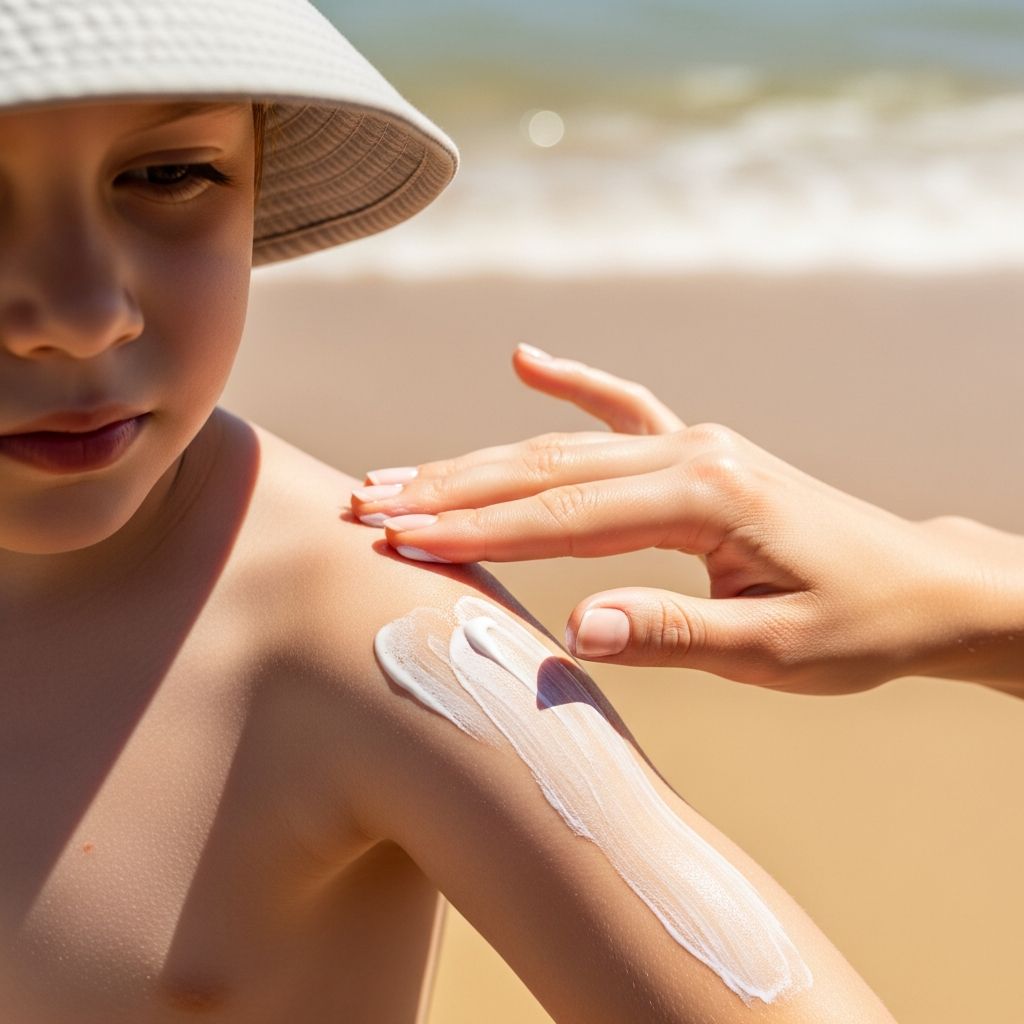
Understanding Solar Radiation and Children’s Skin Vulnerability
Children’s skin differs significantly from adult skin in both structure and function. The outer protective layer, known as the epidermis, is considerably thinner and more delicate in young individuals, making it substantially more susceptible to damage from ultraviolet (UV) radiation. This inherent vulnerability means that the cumulative effects of sun exposure during childhood can have lasting consequences well into adulthood.
When UV rays penetrate the skin, they trigger an inflammatory response that manifests as the red, painful condition we recognize as sunburn. However, the damage extends beyond the visible symptoms. Over time, repeated sun exposure without adequate protection accumulates in the skin’s deeper layers, accelerating cellular aging and significantly elevating the risk of developing skin cancer later in life. This underscores why establishing proper sun protection habits early is not merely a matter of comfort but a critical health investment.
Recognizing Peak Sun Intensity Hours
The sun’s ultraviolet rays vary in intensity throughout the day, following a predictable pattern that parents should understand and respect. The most dangerous hours for sun exposure occur in the middle portion of the day, specifically between 10 in the morning and 4 in the afternoon. During these hours, the sun’s position in the sky creates a more direct path for UV rays to reach the Earth’s surface, substantially magnifying their potential to cause skin damage.
Planning outdoor activities strategically around this window offers one of the simplest yet most effective protection strategies. Morning activities before 10 a.m. or evening pursuits after 4 p.m. allow children to enjoy outdoor recreation while exposure to the most damaging rays remains minimal. This timing adjustment requires minimal inconvenience while providing substantial protective benefits.
Strategic Clothing and Physical Barriers
Protective garments serve as the first line of defense against ultraviolet radiation. Clothing that covers the skin creates a physical barrier that UV rays cannot penetrate, making it an exceptionally effective prevention method. The ideal protective wardrobe for sun exposure includes several key components:
- Long-sleeved shirts constructed from lightweight, breathable fabrics that prevent overheating while maintaining UV protection
- Full-length pants or leggings that shield the legs from direct sun exposure
- Wide-brimmed hats that protect not only the scalp and face but also the ears and back of the neck, areas frequently overlooked in sun protection routines
- Sunglasses that filter UV rays and protect the sensitive eye area, which can develop sun-related damage if inadequately protected
- Specialized UV-protective clothing, which offers enhanced defense through specialized fabric technology designed to block ultraviolet radiation
Modern athletic and outdoor brands now manufacture clothing specifically engineered with UV-blocking properties, though standard lightweight, tightly-woven fabrics also provide meaningful protection. The key consideration is ensuring complete coverage of vulnerable areas while maintaining comfort during warm weather activities.
Sunscreen Selection and Application Fundamentals
Sunscreen products serve as a crucial supplementary defense system, particularly for exposed skin that clothing cannot cover. However, selecting an appropriate sunscreen requires attention to several specific criteria. The most effective products for children contain a sun protection factor (SPF) of at least 30, with many experts recommending SPF 50 for extended outdoor activities. The SPF number indicates how effectively the product shields skin from ultraviolet B (UVB) rays, which primarily cause the visible redness associated with sunburn.
Beyond the SPF rating, the sunscreen must provide broad-spectrum protection, meaning it defends against both UVA and UVB radiation. While UVB rays cause immediate visible damage, UVA rays penetrate deeper into the skin and contribute to long-term aging and cancer risk. Broad-spectrum products address both concerns simultaneously, offering comprehensive protection.
Water resistance represents another essential consideration, particularly for children who may splash in pools, play in sprinklers, or perspire during active play. Products marked as water-resistant for 40 to 80 minutes maintain their protective properties during typical water exposure, though reapplication remains necessary after swimming or heavy sweating.
Proper Sunscreen Application Technique
Selecting quality sunscreen proves ineffective without proper application. Parents should apply sunscreen 15 to 30 minutes before outdoor exposure, allowing it adequate time to form a complete protective barrier on the skin. The amount used matters significantly—most people apply insufficient quantities for adequate coverage. The recommended approach involves using approximately one teaspoon of product for the face and neck area, while nine teaspoons covers the entire body.
Reapplication schedules demand attention and consistency. Sunscreen should be reapplied every two hours during continuous outdoor exposure, or more frequently if the child has been swimming, sweating, or engaged in activities that might compromise the product’s effectiveness. An important misconception to address: reapplying sunscreen does not extend the total safe time in direct sun exposure or permit unlimited outdoor time. Instead, reapplication maintains consistent protection as the original layer diminishes.
Special Considerations for Infants and Very Young Children
Babies present unique sun protection challenges due to their highly sensitive skin and the potential risks associated with certain sunscreen formulations. The American Academy of Pediatrics recommends avoiding commercial sunscreen products altogether for infants younger than six months old. Instead, parents should rely exclusively on protective clothing, seeking shade, and limiting direct sun exposure during peak UV hours.
For infants aged six months to one year, minimal sunscreen use becomes acceptable if complete avoidance of sun exposure proves impossible. In such situations, parents may apply small quantities of SPF 15 sunscreen to particularly vulnerable areas such as the face and hands, while maintaining reliance on clothing and shade for primary protection.
Once children reach one year of age and beyond, regular sunscreen application becomes appropriate and recommended. However, parents should maintain vigilance regarding properly labeled children’s formulations and observe application recommendations based on the specific product.
Immediate Response to Sunburn Occurrence
Despite preventive efforts, sunburns may occasionally occur. The immediate response significantly influences the severity of discomfort and the healing timeline. The first action involves removing the child from continued sun exposure and moving them to shade or indoors immediately. Further sun exposure will intensify the existing damage and extend healing time substantially.
Following removal from sunlight, the affected skin requires cooling to reduce both temperature and inflammation. A cool (not cold) shower or bath serves this purpose effectively, with cool compresses offering an alternative for targeted areas. Extremely cold water can cause additional discomfort and should be avoided; lukewarm to cool temperatures provide optimal relief without shocking the system.
Supporting Recovery and Managing Symptoms
Sunburns trigger fluid shifts within the body, drawing moisture from deeper tissues toward the damaged skin surface and resulting in dehydration. Children recovering from sunburn should receive extra fluids for two to three days following the exposure, with an additional two cups of water daily recommended to support the healing process. This hydration support facilitates skin repair mechanisms and helps restore the body’s internal balance.
Topical treatments applied after cooling the skin provide comfort and support healing. Moisturizing creams and aloe vera gel soothe the burned area and reduce inflammation. These products should be applied generously to affected regions and may be refrigerated beforehand for enhanced cooling comfort. Importantly, petroleum-based products, oils, and butter should be avoided, as these substances trap heat against the skin and potentially worsen irritation.
Over-the-counter pain relief medications such as ibuprofen or acetaminophen may be administered according to dosage guidelines appropriate for the child’s age and weight to manage discomfort and reduce swelling. These medications address both pain and the underlying inflammatory response contributing to redness and tenderness.
Complications and When to Seek Medical Attention
While most sunburns can be managed at home through supportive care, certain situations warrant professional medical evaluation. Parents should contact their pediatrician if the child develops severe blistering, experiences chills or fever accompanying the sunburn, or displays signs of heat exhaustion. Additionally, any sunburn affecting a child under one year of age requires medical consultation, as infants’ systems may respond differently to sun damage and dehydration risk increases substantially.
Sunburned areas should receive complete covering when the child must return outdoors until the skin fully heals, preventing additional damage and potential infection of any compromised areas.
Behavioral Habits and Long-Term Protection
Beyond specific products and techniques, establishing sun safety as a family habit creates sustainable protection extending throughout childhood and into adulthood. When parents model appropriate sun protection behaviors—applying their own sunscreen, wearing protective clothing, and seeking shade during peak hours—children internalize these practices as normal and necessary rather than exceptional or inconvenient.
Making sun protection enjoyable rather than punitive encourages compliance. Selecting stylish sunglasses, allowing children to choose appealing hat designs, or framing outdoor activity planning as a puzzle to solve (finding shade, timing activities) transforms sun safety into a positive family value rather than a restriction.
Monitoring Environmental UV Conditions
The UV index, a daily measurement published in weather forecasts and available through various online sources, indicates the strength of ultraviolet radiation reaching the Earth’s surface on any given day. This index helps parents plan activities strategically, opting for indoor activities or heavily shaded outdoor time on days when the UV index reaches particularly high levels.
Addressing Common Questions About Sun Safety
Q: Does sunscreen with higher SPF numbers provide substantially better protection?
A: While higher SPF numbers offer incrementally better protection, the difference between SPF 30 and SPF 50 is modest—approximately 3 to 5 percent additional UVB filtering. SPF 30 blocks approximately 97 percent of UVB rays, while SPF 50 blocks approximately 98 percent. Proper application and reapplication matter more than pursuing the highest SPF number available.
Q: Can sunburn develop on cloudy days?
A: Yes, ultraviolet rays penetrate clouds effectively, and sunburn can develop even when the sky appears overcast. Cloud cover reduces UV intensity somewhat but does not eliminate exposure risk, making sun protection necessary regardless of cloud presence.
Q: Are children with darker skin tones less vulnerable to sunburn?
A: While darker skin contains more melanin providing some natural protection, children with all skin tones require comprehensive sun protection. Even those with darker complexions experience sunburn when exposed to intense UV radiation, and all children face increased skin cancer risk without adequate protection.
Q: How long does sunburn recovery typically require?
A: Most mild to moderate sunburns improve significantly within 3 to 5 days with appropriate home care, though complete skin restoration may require 1 to 2 weeks. Peeling skin during recovery represents the body’s natural healing process and should not be manually accelerated.
Q: Should sunscreen be applied on days when children remain mostly indoors?
A: If outdoor exposure is minimal or limited to brief periods in shade, sunscreen application may not be necessary. However, children who spend significant time near windows or engaging in outdoor activities should receive sunscreen protection regardless of cloud cover or season.
References
- Sunburn: Treatment & Prevention — American Academy of Pediatrics, HealthyChildren.org. Last updated 2024. https://www.healthychildren.org/English/health-issues/conditions/skin/Pages/sunburn-treatment-and-prevention.aspx
- How to prevent and treat sunburn in kids — Children’s Health (UT Southwestern). 2024. https://www.childrens.com/health-wellness/how-to-prevent-and-treat-sunburn-in-kids
- The Sunny Side of Care: Treating Children’s Sunburns — Miller Children’s & Women’s Hospital, MemorialCare. 2024. https://www.millerchildrens.memorialcare.org/blog/sunny-side-care-treating-childrens-sunburns
- Sunburn and Children — Nationwide Children’s Hospital. 2024. https://www.nationwidechildrens.org/conditions/health-library/sunburn-and-children
- Sunburn and Skin Protection for Children: A Comprehensive Guide — Sandy Springs Pediatrics. 2024. https://sandyspringspediatrics.com/sunburn-and-skin-protection-for-children-a-comprehensive-guide/
- Child Sunburn Care & Prevention — Kidsville McKinney Pediatrics. 2024. https://www.kidsvillepeds.com/blog/1381668-too-much-sun-too-little-protection-helping-your-child-avoid-and-heal-from-sunburn/