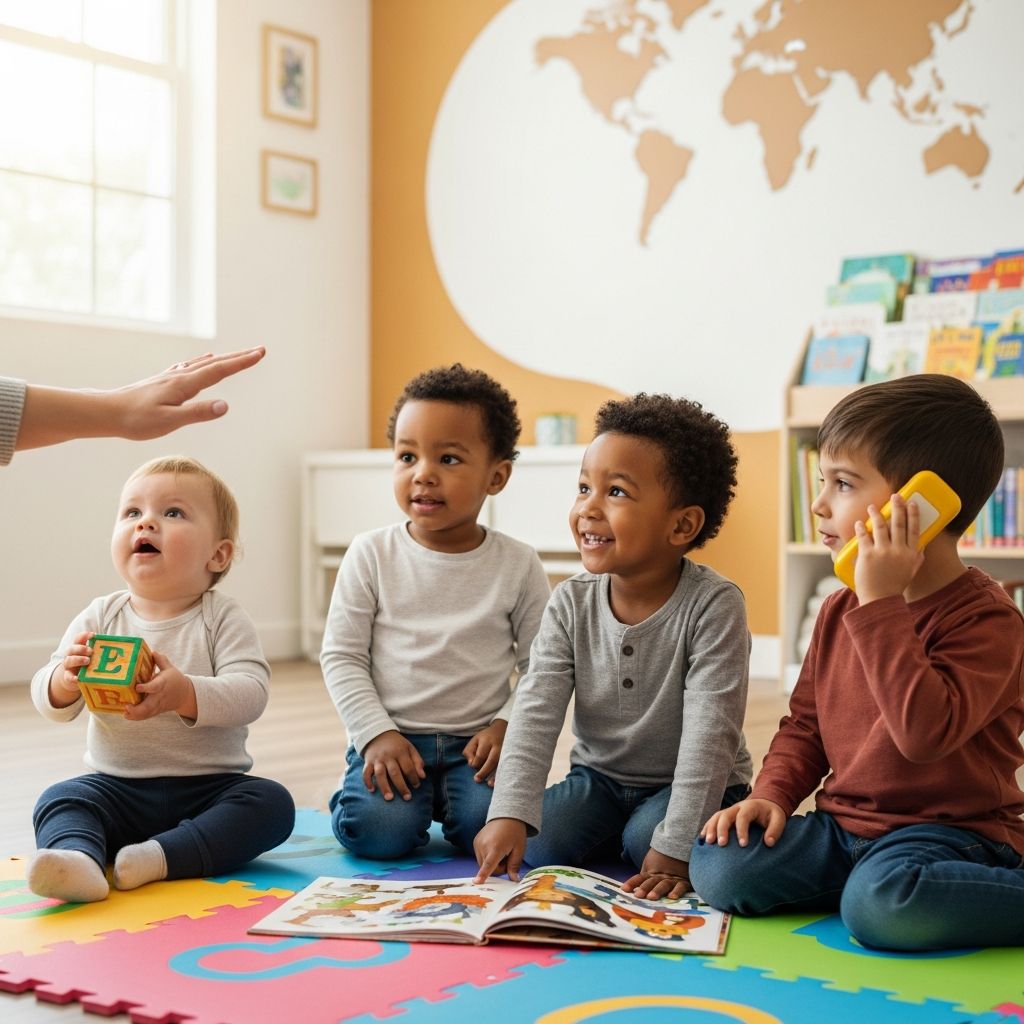
Understanding the progression of speech and language in young children empowers parents to foster healthy communication skills. The early years, particularly the first three, form the foundation for lifelong linguistic abilities, as the brain rapidly absorbs sounds, words, and structures during this critical window.
Foundational Sounds: Newborn to 3 Months
In the initial months, infants lay the groundwork for speech through basic responses to their environment. They recognize familiar voices, such as a parent’s, and calm down when hearing them, distinguishing pleasure from distress via coos, cries, or giggles. Loud noises trigger startle reflexes, and they smile or vocalize in response to rattles or direct interaction.
- Quiets to known voices while crying
- Reacts to sudden loud sounds
- Wakes to strong auditory stimuli
- Produces varied sounds like laughs or fussing
- Smiles and noises back when spoken to
These interactions build neural pathways essential for later language acquisition. Consistent exposure to rhythmic speech patterns during this phase enhances sound discrimination.
Emerging Vocalizations: 4 to 6 Months
By four months, babies actively engage with sounds, turning toward new noises and responding to tone shifts like “no.” They delight in toys that rattle and begin mimicking simple syllables such as “ooh,” “aah,” or “ba-ba.” This babbling marks the start of intentional sound production.
| Milestone | Description |
|---|---|
| Turns to sounds | Locates origin of new auditory input |
| Responds to tone | Changes behavior based on voice inflection |
| Enjoys noisy toys | Reaches for sound-making objects |
| Repeats sounds | Imitates caregiver vocalizations |
Parents can encourage this by narrating daily activities with exaggerated expressions, strengthening auditory processing.
Babbling Expansion: 7 to 12 Months
Around seven months, children respond to their names, ringing phones, or distant voices. They comprehend basic terms like “cup” or “shoe” and use repetitive babbles like “ma-ma” or “da-da.” Gestures accompany sounds, signaling growing communicative intent.
- Recognizes personal name
- Understands common object words
- Produces varied babble strings
- Imitates gestures in songs
This period transitions from pure sound play to meaningful proto-words, vital for vocabulary buildup. Singing rhymes helps reinforce these patterns.
First Words and Phrases: 12 to 18 Months
Between one and one-and-a-half years, toddlers grasp simple instructions like “put the ball in,” enjoy stories, and follow gestured directions. They label objects with 4-6 words, though pronunciation is approximate, and vocabulary grows monthly.
Key achievements include pointing to pictures, shaking heads for “no,” and imitating words. By 18 months, they understand action verbs and select items by size descriptors.
| Skill Area | Examples |
|---|---|
| Comprehension | Follows one-step directions with gesture |
| Expression | Says 2-3 words clearly to family |
| Social | Answers yes/no by action |
Expand their world by expanding single words into phrases during play, like turning “dog” into “big brown dog.”
Vocabulary Burst: 18 to 24 Months
The second year sees explosive growth: children use 50+ words by 24 months, combine two-word phrases (“more juice”), and ask simple questions. They point to body parts, follow two-step commands, and grasp negatives like “not now.”
- Understands action words (clap, jump)
- Identifies 2-3 body parts
- Forms phrases like “want cookie”
- Uses pronouns minimally
Daily reading and descriptive talk accelerate this surge. At 24 months, strangers understand about 50% of speech.
Sentence Building: 2 to 3 Years
Preschoolers construct three-to-four-word sentences, amass 200+ words, and use plurals or past tenses (“jumped shoes”). They follow two-step directions, know spatial terms (“in/on”), and answer wh- questions.
Speech clarity improves, though endings may drop. They experiment with question forms like “My ball?”
Complex Communication: 3 to 4 Years
By age three, children use descriptive adjectives (“happy big”), irregular verbs (“ran”), and recount events. They categorize items and handle multi-step instructions. Understandability reaches 75% for caregivers.
- Follows three-part directions
- Uses full sentences
- Understands opposites
Advanced Expression: 4 to 5 Years
Four-year-olds answer “why,” list categories, grasp abstract positions (“behind”), and describe processes. Speech is mostly clear except for multisyllabic words.
At five, they sequence events, rhyme, converse fluidly, and craft imaginative stories with compound sentences.
Strategies to Boost Speech Development
Active parental involvement is crucial. Use baby talk sparingly but engagingly, as it highlights speech patterns without hindering progress. Sing songs, read daily, and respond to babbles with expansions. Limit screen time; prioritize face-to-face interaction rich in varied vocabulary.
- Narrate routines descriptively
- Play sound games during baths or playtime
- Ask open-ended questions
- Model correct grammar
Incorporate gestures and music to enhance memory and expression.
Recognizing Potential Delays
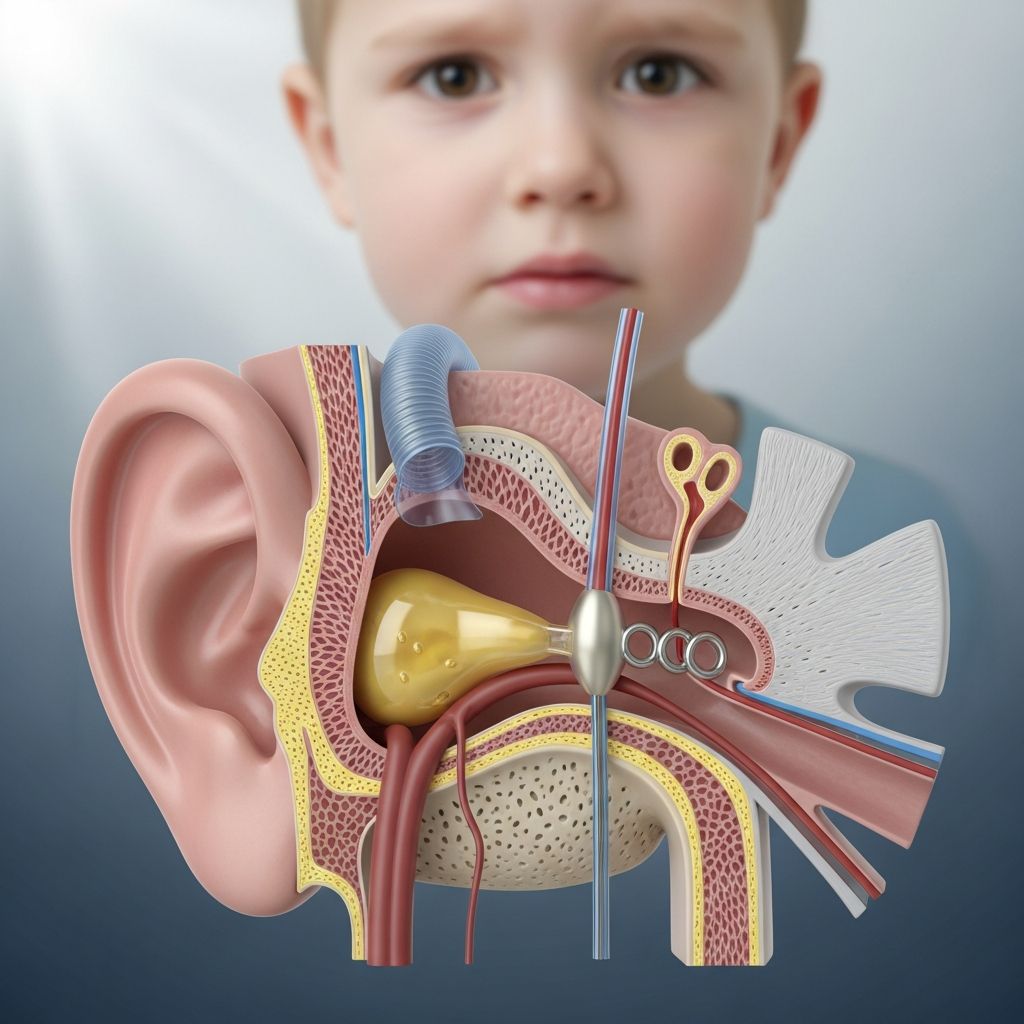
Variations are normal, but persistent lags warrant attention. Red flags include no babbling by 12 months, fewer than 50 words at 24 months, or unintelligible speech beyond 3 years. Hearing issues, often screened at birth, can underlie delays.
| Age | Concern if Absent |
|---|---|
| 12 months | No first words or gestures |
| 18 months | Under 20 words |
| 24 months | No two-word combos |
| 36 months | Speech <75% understandable |
Early intervention via speech therapy yields best outcomes, especially before age 3.
Frequently Asked Questions
At what age should a child say first words?
Most children utter their first words between 12 and 18 months, though some start earlier or later.
Does baby talk harm development?
No, engaging baby talk aids pattern recognition and vocabulary growth.
How much should strangers understand a 2-year-old?
About 50%; by 3 years, 75% for caregivers.
When to check hearing?
If no response to sounds by 6 months or speech stalls, evaluate promptly.
Can reading too much be excessive?
No, daily reading boosts vocabulary and comprehension significantly.
Professional Support Options
Consult pediatricians for screenings. Speech-language pathologists assess and tailor therapies. Programs like Early Intervention (birth-3) provide free services in many areas.
Monitor holistically: language delays may link to other developments. Consistent tracking ensures timely help.
References
- Age-Appropriate Speech and Language Milestones — Children’s Hospital of Philadelphia. 2023. https://www.chop.edu/health-resources/age-appropriate-speech-and-language-milestones
- Speech and Language Developmental Milestones — National Institute on Deafness and Other Communication Disorders (NIDCD), NIH. 2024-10-04. https://www.nidcd.nih.gov/health/speech-and-language
- Language and Speech Skills for Children Ages 1-2 Years — St. Jude Children’s Research Hospital. 2023. https://together.stjude.org/en-us/emotional-support-daily-life/early-childhood-development/language-development-1-to-2-years.html
- How Important Are Speech and Language Milestones? — Yale New Haven Health. 2024. https://www.ynhhs.org/articles/speech-and-language-milestones
- Facts About Children Speech & Language Development — First Words Therapy. 2023. https://firstwordstherapy.com/facts-about-children-speech-language-development/
- Communication Milestones: Age Ranges — American Speech-Language-Hearing Association (ASHA). 2024. https://www.asha.org/public/developmental-milestones/communication-milestones/
- Signs your child’s speech and language development is on track — Michigan Medicine. 2023. https://www.michiganmedicine.org/health-lab/signs-your-childs-speech-and-language-development-track