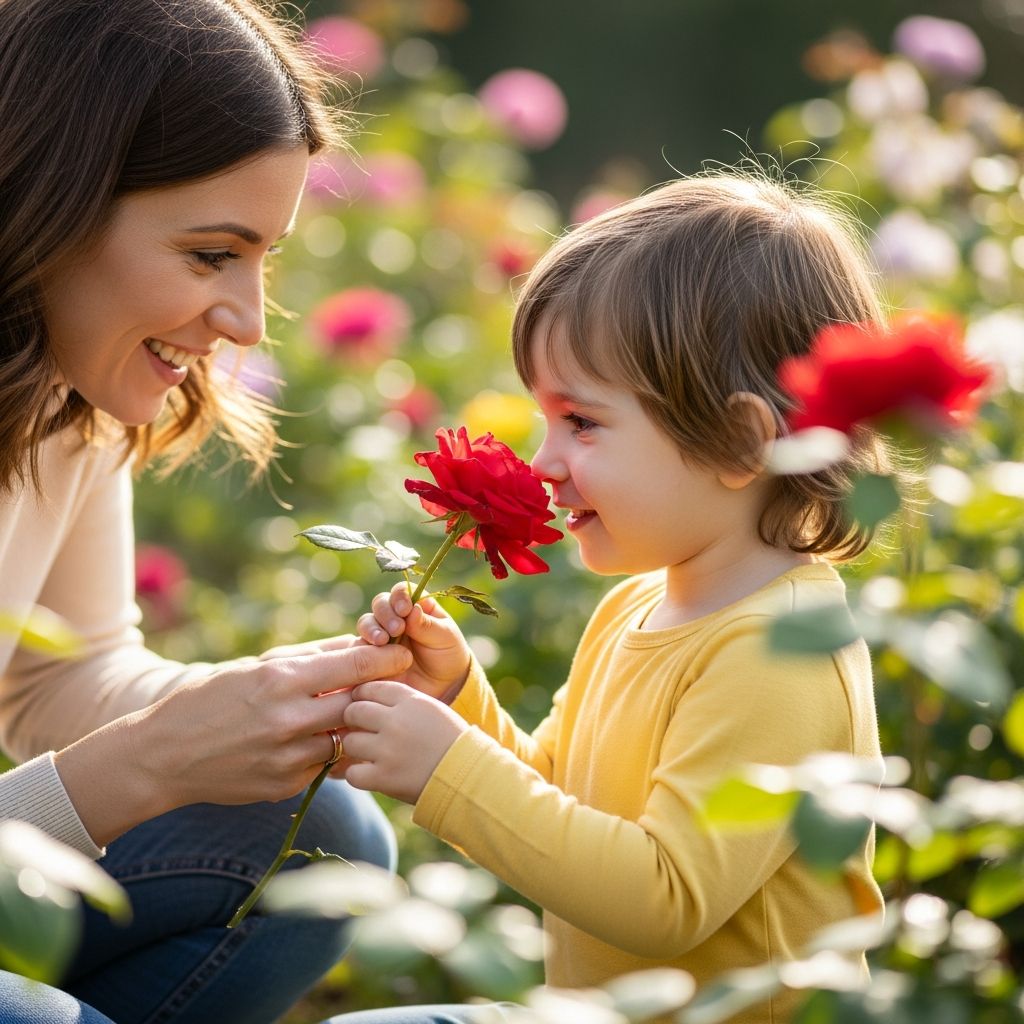
The sense of smell plays a quiet but powerful role in your child’s life. From the first days after birth, scent helps babies recognize parents, find food, and feel safe. As children grow, smells support learning, memory, and even protection from danger.
This guide explains how your child’s sense of smell develops, what signs to watch for, and how to safely encourage healthy olfactory (smell) experiences at home.
Why Smell Matters for Children
Smell is more than just noticing pleasant or unpleasant odors. It is closely linked with taste, emotion, and memory, and it quietly shapes daily life.
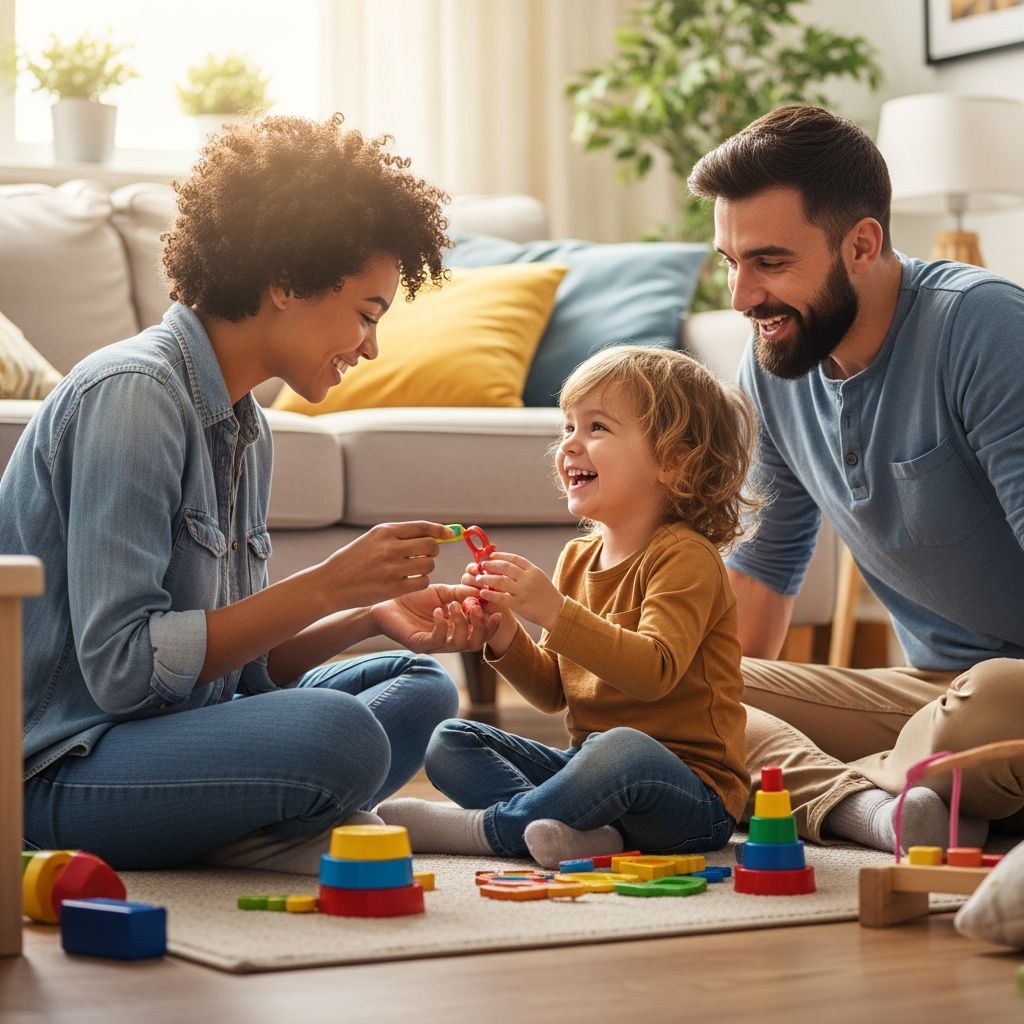
- Bonding and recognition: Newborns can recognize their mother’s natural scent and the smell of breast milk, which helps with early attachment and feeding.
- Feeding and appetite: Smell strongly influences how foods taste. If a child cannot smell well, eating may become less enjoyable and variety may decrease.
- Safety and protection: Smell helps children detect smoke, gas leaks, spoiled food, and some chemicals, acting as an early warning system.
- Emotions and memories: Familiar family smells, favorite meals, and seasonal scents can calm, comfort, or energize children.
How the Sense of Smell Works
Smell starts in the nose but quickly involves the brain.
- Inside the upper part of the nose is a thin patch of tissue called the olfactory epithelium, full of special smell receptors.
- When your child breathes in odor molecules, these receptors send signals to the olfactory bulb, a structure that is part of the brain.
- The brain then interprets those signals as particular smells and connects them to memories, emotions, and words.
Because this system is so closely tied to brain areas that handle memory and emotion, smells are especially good at triggering strong feelings and vivid memories.
Development of Smell: From Newborn to Teen
The sense of smell begins very early and continues changing throughout childhood and adolescence.
| Age | What Smell Can Do | What Parents Might Notice |
|---|---|---|
| Before birth | Structures for smell form during pregnancy; by late pregnancy, the olfactory system is capable of functioning. | Not directly visible, but a fetus is already being exposed to some odor molecules from the mother’s body and diet. |
| Newborn (0–2 months) | Newborns show a strong sense of smell and prefer their own mother’s odor, especially breast milk. | Baby may calm when held by a primary caregiver and turn toward the breast or a familiar scent. |
| Infant (2–12 months) | Can distinguish between different odors and show preferences or mild reactions. | May make facial expressions to strong smells, and show interest or dislike for particular household or food odors. |
| Toddler (1–3 years) | Smell continues to mature; children learn to connect smells with foods and routines. | May call certain smells “yucky” or “yummy,” imitate adults’ reactions, and show curiosity about spices, flowers, or soaps. |
| Preschool & early school age (3–8 years) | Children gradually improve at recognizing and naming specific odors as language and memory develop. | Can often identify familiar smells (like chocolate or orange) and may begin to complain about bad odors more clearly. |
| Older child & teen | By the later teenage years, many children reach near adult performance on smell tests. | Smell supports more complex food preferences, social awareness (body odor), and safety awareness. |
Smell, Taste, and Eating Habits
Smell and taste are tightly linked. When a child has a cold and can’t smell well, foods often taste bland or different. Over time, repeated exposure to different smells and flavors helps shape food preferences.
Research suggests that early sensory experiences can influence what children are willing to eat later. For example, infants exposed to a variety of flavors through breast milk or the family’s diet may accept a wider range of foods as they grow.
Ways Smell Influences Eating
- Appetite: Pleasant meal smells can stimulate hunger.
- Food variety: Exposure to many different food aromas can encourage curiosity and flexibility at mealtimes.
- Rejection of spoiled food: A working sense of smell helps children recognize food that has gone bad and should not be eaten.
Normal Smell Behaviors by Age
Every child is different, but certain patterns are common.
In Babies
- Turn their head toward the smell of breast milk or a familiar caregiver.
- Show calmness or increased interest around known scents, such as a parent’s clothing or usual laundry detergent.
- Become fussy or make facial grimaces when exposed to very strong or unpleasant odors.
In Toddlers and Preschoolers
- Begin to label odors as “nice” or “stinky.”
- Show curiosity about household smells: soaps, fruits, herbs, flowers.
- Imitate adults’ reactions to smells, sometimes exaggerating for fun.
- May not consistently avoid unsafe smells yet, so adult supervision remains important.
In School-Age Children
- Get better at identifying and describing specific odors, especially familiar ones.
- Show stronger disgust responses to unpleasant smells, which can help them avoid contamination.
- May talk about classmates’ or family members’ body odors and personal hygiene.
How Parents Can Support Healthy Smell Development
You do not need special equipment to help your child learn through smell. Simple, everyday experiences are usually enough.
Create a Gentle, Varied Smell Environment
- Use strong fragrances sparingly: Very intense perfumes, aerosols, or cleaning scents can overwhelm a child’s senses or irritate airways.
- Offer natural smells: Let children experience the odors of fruits, vegetables, herbs, flowers, clean clothes, and outdoor air.
- Rotate experiences: Change up bath soaps or household scents occasionally, but keep a few consistent smells that signal comfort and routine.
Turn Everyday Moments into Learning
- At mealtimes, invite your child to smell foods before tasting.
- On walks, pause to notice outdoor scents, like rain, grass, or trees.
- During laundry or cleaning, briefly let older children notice the scent of clean clothes or mild cleaners (never allow sniffing from bottles).
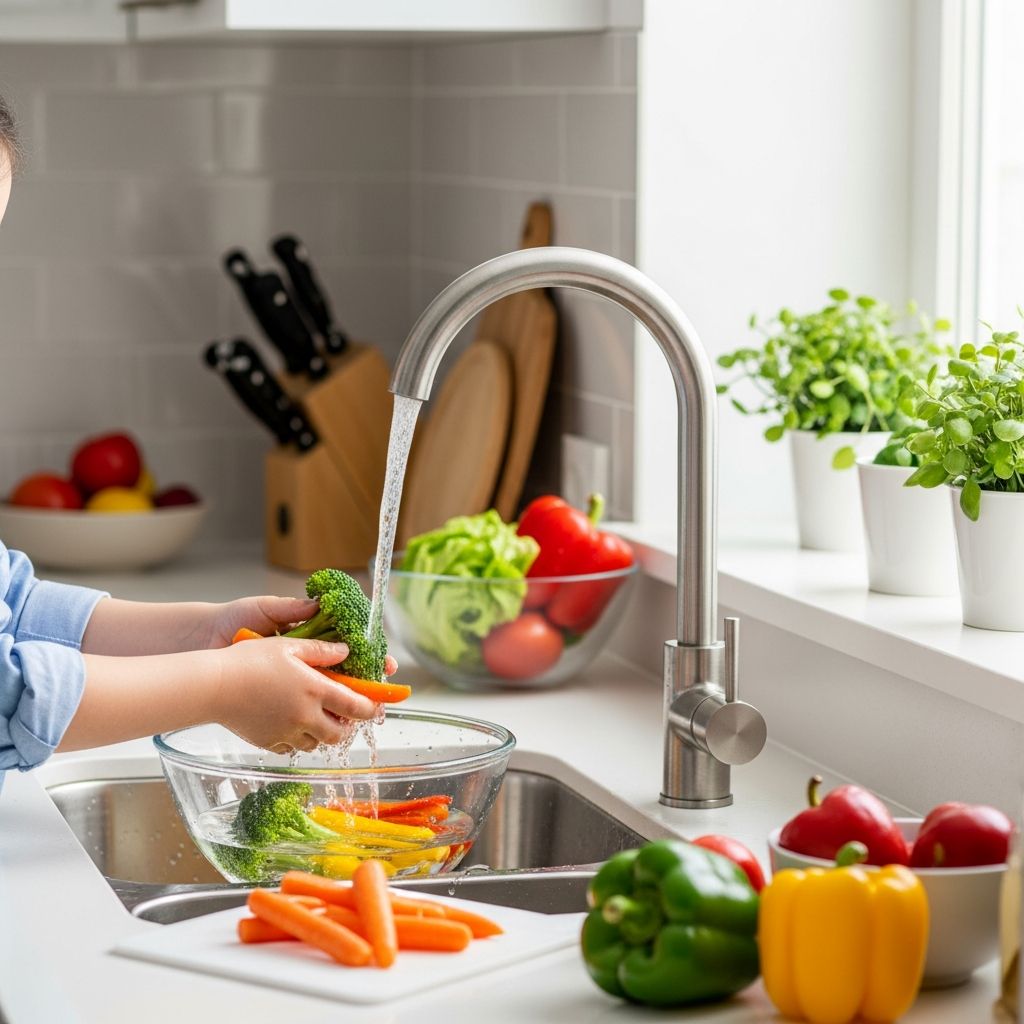
- In the kitchen, show how different spices and herbs smell before they are cooked.
Use Language to Build Awareness
Talking about smells helps children connect odor experiences with words and concepts, which supports overall cognitive development.
- Name smells using simple terms such as “sweet,” “spicy,” “fresh,” or “smoky.”
- Ask open questions: “What does this smell like to you?” or “Do you like this smell?”
- Compare scents: “This orange smells different from this lemon. How would you describe the difference?”
Safety Tips for Exploring Smell
Children should be encouraged to explore, but with clear limits to prevent harm.
- Keep chemicals out of reach: Cleaners, solvents, gasoline, and other chemicals can be dangerous to inhale closely. Store them safely and never invite a child to smell them.
- Supervise scented products: Candles, air fresheners, essential oils, and incense should be used with care. Some can irritate airways or trigger asthma.
- Teach about smoke and gas: As children grow, explain that the smell of smoke, gas, or something burning means they should tell an adult immediately.
- Be mindful of allergies: Some smells (like strong perfumes or animal dander) accompany particles that may trigger allergic symptoms in sensitive children.
- Avoid direct sniffing from containers: Show children how to notice smells in the air or from a short distance instead of putting noses directly into jars or bags.
When to Be Concerned About Your Child’s Sense of Smell
True smell loss in children is uncommon, but it can occur and may be related to infections, injuries, or certain medical conditions. Because smell is closely tied to taste and safety, it is important to notice potential problems early.
Possible Warning Signs
- Your child never reacts to strong smells, pleasant or unpleasant.
- A previously responsive child suddenly stops noticing odors at all.
- Your child cannot smell smoke, strong food odors, or scented products that others clearly notice.
- Food preferences change sharply because “everything tastes the same,” especially outside of a common cold.
- You notice frequent accidents with spoiled food or failure to notice body odor in older children.
Common Causes of Smell Problems
Research shows that while many children have a normal or even strong sense of smell, some medical issues can temporarily or permanently affect it.
- Respiratory infections: Colds, sinus infections, and allergies can block smell by swelling or blocking the nose.
- Head injury: A significant head trauma can damage the nerves related to smell.
- Structural problems: Certain nasal or sinus abnormalities can interfere with airflow to the smell receptors.
- Some neurological or genetic conditions: In a minority of cases, reduced smell can be linked with underlying disorders.
Talking to a Health Professional
If you suspect a problem, discuss it with your child’s doctor. Specialized smell tests can be adapted for children as young as 4 years old, and performance typically improves with age.
- Share specific examples: foods your child cannot smell, lack of reaction to odors, or sudden changes after an illness or injury.
- Note timing: when you first noticed the issue and whether it comes and goes with colds or allergies.
- Follow recommendations for evaluation, which may include examination of the nose and sinuses or referral to an ear, nose, and throat specialist.
Supporting Children With Reduced or Lost Smell
Some children may live with long-term reductions in smell (hyposmia) or complete smell loss (anosmia). While this can be challenging, there are practical steps families can take.
- Focus on other senses: Emphasize texture, color, sound, and visual presentation of foods to keep eating enjoyable.
- Use written reminders: For older children, encourage habits like labeling food with dates and checking expiration labels carefully.
- Prioritize safety tools: Ensure your home has working smoke and carbon monoxide detectors, as the child may not smell danger.
- Encourage open discussion: Let your child share feelings about the condition. Validate frustration or sadness and work together on coping strategies.
Simple Smell-Friendly Activities for Home
The following ideas can enrich your child’s sensory world while keeping safety in mind.
- Kitchen “sniff and tell”: Place very small amounts of safe items (like orange peel, cinnamon sticks, vanilla, mint leaves) on a plate and invite your child to describe each scent.
- Garden or balcony tour: Smell leaves, soil after rain, different flowers, and herbs. Talk about how each one is unique.
- Storytime with scents: When reading a book about food, seasons, or places, briefly introduce a related smell (for example, citrus when reading about summer fruit).
- Laundry day exploration: Let your child smell freshly washed clothing or bedding and relate the scent to feelings of comfort and cleanliness.
Frequently Asked Questions (FAQs)
Can newborns really recognize their parents by smell?
Yes. Studies show that newborns have a strong sense of smell and prefer the odor of their own mother and her breast milk over that of others, which supports early bonding and feeding.
At what age can children start naming different smells?
As language and memory mature, many children begin reliably naming familiar odors during the preschool and early school years. Research using child-friendly smell tests shows that odor identification skills gradually improve with age and typically reach near-adult levels in the later teenage years.
Do children have a better sense of smell than adults?
Children’s smell abilities develop during childhood and can be quite strong. Evidence suggests that smell sensitivity improves up to around age eight and then, after adolescence or early adulthood, slowly declines over the lifespan.
Is it normal for kids to be very sensitive or picky about certain smells?
Many children react strongly to particular odors, especially unpleasant ones. This can be part of normal development as they learn to distinguish and label smells. However, if reactions are extreme, interfere with daily life, or are linked with other sensory challenges, it is worth discussing them with a pediatrician or developmental specialist.
What should I do if my child suddenly cannot smell after a cold or injury?
Temporary changes after a cold or sinus infection are common and often improve as congestion clears. If smell loss persists, or if it begins after a head injury, contact your child’s doctor. Persistent or sudden smell changes deserve medical evaluation to rule out underlying problems.
References
- Olfactory perception in children — Croy I, Nordin S, Hummel T. Frontiers in Psychology. 2014-07-11. https://doi.org/10.3389/fpsyg.2014.00676
- Olfaction, the Sense of Smell — 5 Senses for Kids Foundation. 2022-01-10 (accessed). https://5senses4kids.org/en/olfaction-the-sense-of-smell/
- Newborn Senses — Stanford Medicine Children’s Health. 2023-06-15 (last reviewed). https://www.stanfordchildrens.org/en/topic/default?id=newborn-senses-90-P02631
- Do children have a better sense of smell than adults? — BBC Science Focus Magazine. 2018-05-01. https://www.sciencefocus.com/the-human-body/do-children-have-a-better-sense-of-smell-than-adults
- Research Shows Young Infants Use their Mother’s Scent to See Faces — Society for Research in Child Development. 2017-10-18. https://www.srcd.org/news/research-shows-young-infants-use-their-mothers-scent-see-faces