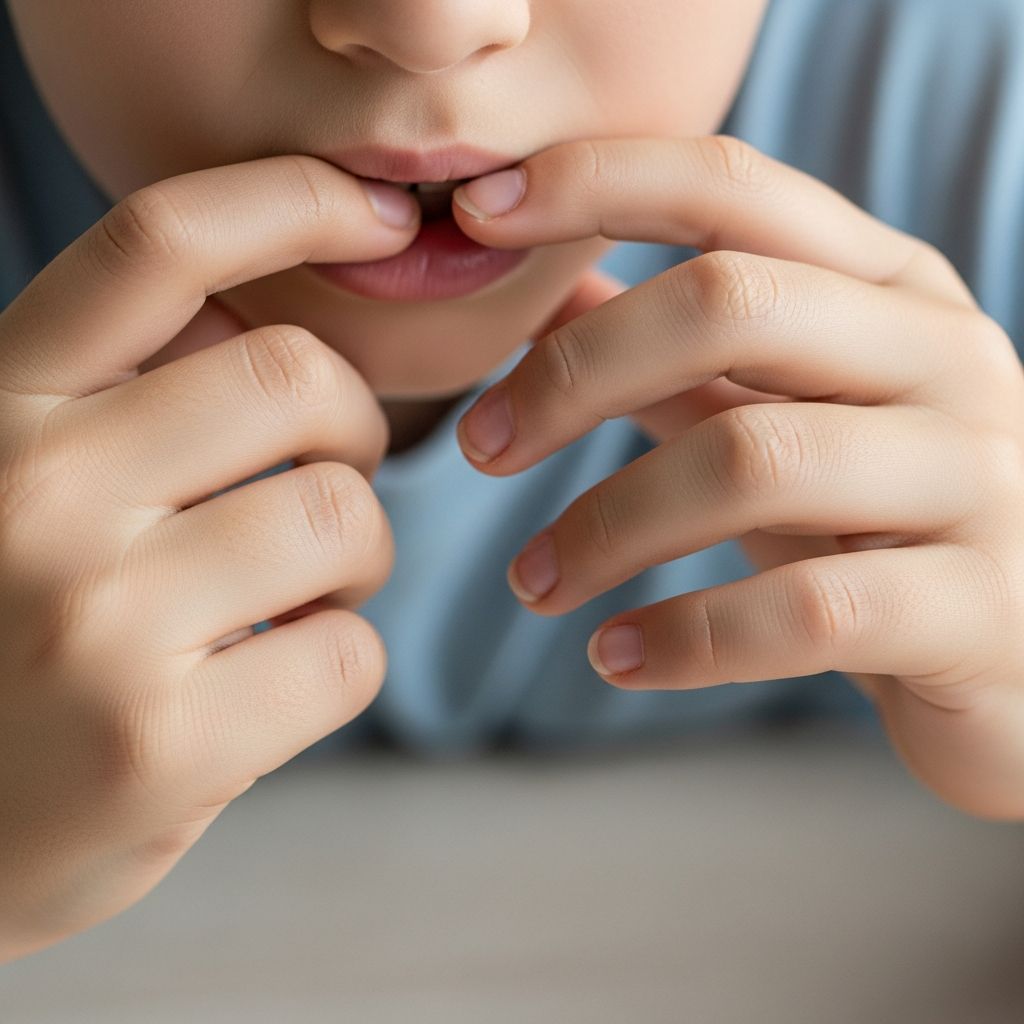
Nail biting, clinically termed onychophagia, affects many children and stems from a mix of emotional, sensory, and environmental triggers. While often dismissed as a harmless phase, it can result in physical harm and emotional challenges if persistent.
Recognizing the Habit in Young Ones
Children as young as preschool age may start gnawing on their nails, with peaks during school years when stress or boredom intensifies. This body-focused repetitive behavior (BFRB) involves chewing nails, cuticles, or surrounding skin, sometimes to the point of bleeding. Unlike casual nibbling, chronic cases disrupt daily life, causing shame or avoidance of social situations. Parents often notice shortened, jagged nails or reddened fingertips as early signs.
Unpacking the Root Causes
The origins of nail biting are multifaceted, not solely tied to anxiety as once thought. Recent insights show it frequently occurs during boredom, concentration on tasks, or low-stimulation moments rather than high-stress periods. Inadequate physical activity or environmental cues can exacerbate it, alongside links to conditions like ADHD, Tourette syndrome, or other psychiatric issues in some cases. Oral aggression traits or sensory-seeking behaviors also play roles, distinguishing it from mere tension relief. Genetic predispositions may contribute, as habits like gum chewing in adults sometimes replace childhood nail biting.
Common Triggers by Age Group
- Preschoolers (3-5 years): Exploration or imitating others, often temporary.
- School-age (6-12 years): Academic pressures, peer dynamics, or unstructured time.
- Teens: Heightened self-consciousness amplifying the cycle.
Understanding these triggers allows targeted interventions rather than blanket scolding, which can worsen the behavior.
Health Consequences for Growing Bodies
Beyond aesthetics, persistent nail biting inflicts tangible damage. Nails harbor bacteria, introducing them into the mouth and risking infections.
Physical Impacts Table
| Area Affected | Potential Issues | Severity Level |
|---|---|---|
| Dental | Chipped/cracked teeth, misalignment, root resorption, jaw tension | Moderate to High |
| Skin/Nails | Cuticle tears, hangnails, paronychia infections, permanent nail bed damage | Low to Moderate |
| Oral Health | Gum irritation, bacterial overgrowth (e.g., Enterobacteriaceae), cheek sores | Moderate |
| Jaw/Muscle | TMJ discomfort, headaches, grinding | Low to Moderate |
Dental forces from biting transfer to tooth roots, potentially causing long-term orthodontic needs. Skin breaches around nails invite bacterial entry, leading to painful swellings treatable only with antibiotics. In severe instances, nail beds may scar, hindering regrowth. Socially, visible damage fosters stigma, lowering self-esteem.
When to Seek Professional Input
Monitor if biting causes bleeding, pain, infections, or interferes with school/socializing. Co-occurring issues like anxiety or ADHD warrant evaluation. Dentists should assess for enamel wear or misalignment early. Pediatricians or psychologists classify it as a disorder if it persists despite efforts and causes distress.
Proven Approaches to Curb the Habit
Breaking nail biting requires patience, viewing it as a symptom needing holistic management rather than punishment. Combine behavioral tweaks, barriers, and support.
Behavioral Techniques
- Habit Reversal Training (HRT): Teach awareness (e.g., wristbands as cues), then substitute with fist clenching or fidget toys. Effective for BFRBs.
- Positive Reinforcement: Reward nail growth milestones with stickers or privileges, avoiding nagging.
- Stress Buffers: Increase playtime, mindfulness exercises, or routines to combat boredom.
Physical Deterrents
- Bitter-tasting nail polishes (safe for kids) to create aversion.
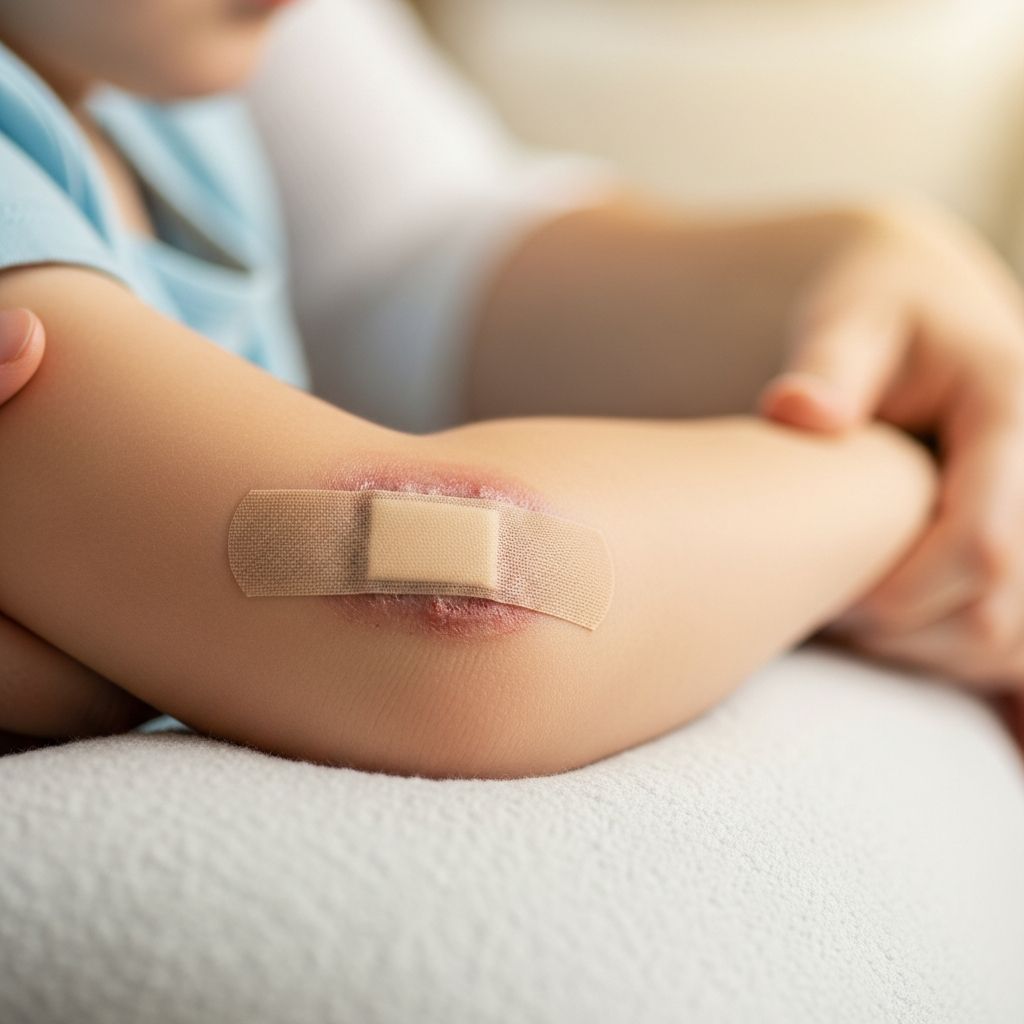
- Gloves, bandages, or manicures to protect nails visually and tactilely.
- Regular trims to minimize temptation.
For comorbidities, therapies like CBT address underlying anxiety or ADHD. Pharmacologic options lack strong evidence but may aid severe psychiatric cases.
Daily Routines for Lasting Change
Integrate habits like handwashing post-activities, keeping nails short, and providing alternatives (stress balls, chewable jewelry). Track progress in a shared chart to build motivation. Family involvement models calm responses to triggers. Consistency over months yields results, with relapses normal during changes like new schools.
Long-Term Outlook and Prevention
Most outgrow it by adolescence, but early intervention prevents damage. Promote overall wellness: balanced activity, sleep, and emotional check-ins reduce risks. If linked to deeper issues, multidisciplinary care ensures comprehensive support. Empowered parents foster resilience, turning a tricky habit into a growth opportunity.
Frequently Asked Questions
Is nail biting always a sign of anxiety in kids?
No, it often ties to boredom or focus rather than anxiety; recent studies refute the stress-only theory.
Can nail biting cause permanent dental harm?
Yes, chronic cases risk chips, misalignment, and root damage from repeated force.
What home remedies work best initially?
Bitter polishes, fidget tools, and rewards show quick wins without shame.
Should I punish my child for biting nails?
Avoid punishment; it heightens stress. Use gentle reminders and positives instead.
How long does it take to stop?
Weeks to months with consistent strategies; view it as a process.
References
- Problems Caused by Nail Biting in Children and How to Treat Them — Kids Dental Group. 2025-08-11. https://kidsdentalgroup.ca/2025/08/11/problems-caused-by-nail-biting-in-children-and-how-to-treat-them/
- Nail Biting; Etiology, Consequences and Management — PMC – NIH. 2013-02-01. https://pmc.ncbi.nlm.nih.gov/articles/PMC3556753/
- Nail Biting Disorder in Children: Onychophagia Symptom Test — ADDitude Magazine. N/A. https://www.additudemag.com/nail-biting-disorder-onychophagia-children-symptoms-test/
- How Can I Get My Child to Stop Biting Her Nails? — University of Utah Health. 2019-03-01. https://healthcare.utah.edu/the-scope/kids-zone/all/2019/03/how-can-i-get-my-child-stop-biting-her-nails
- Onychophagia — DermNet NZ. N/A. https://dermnetnz.org/topics/onychophagia