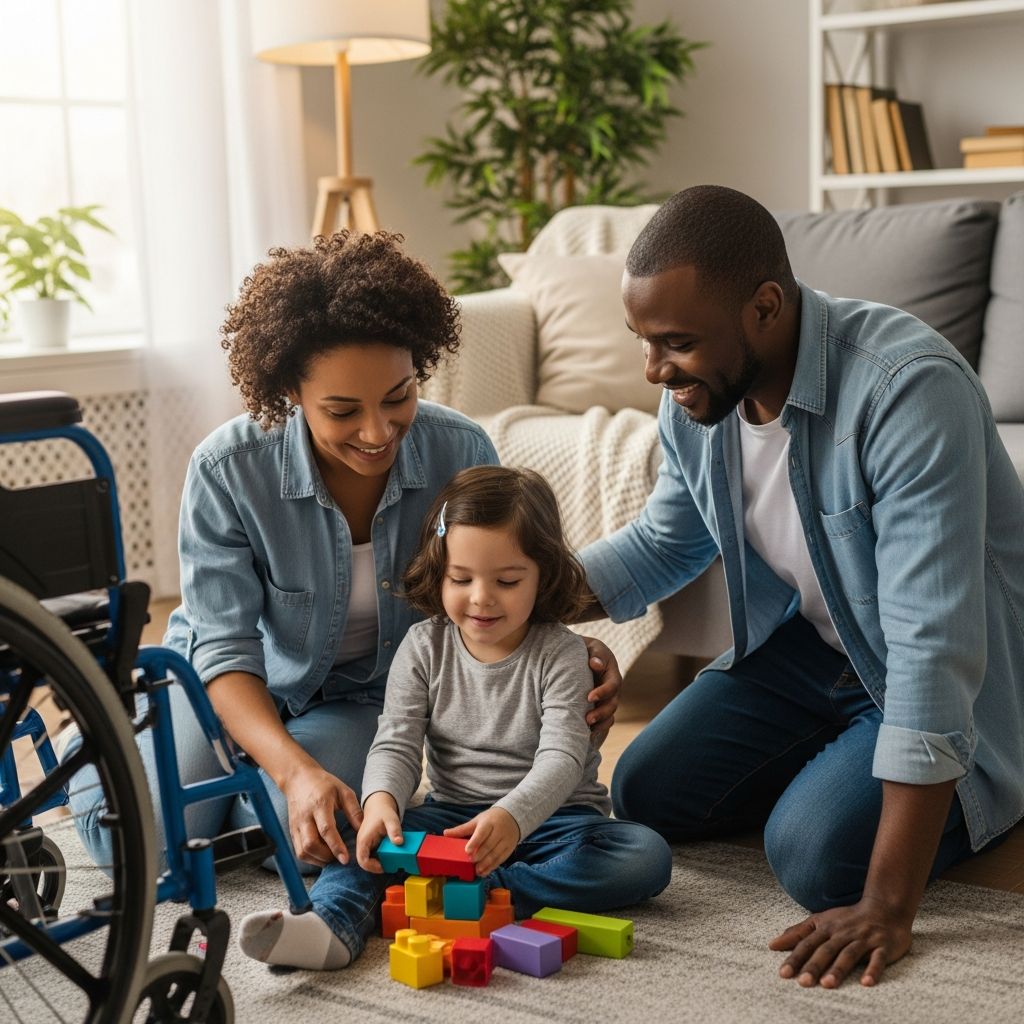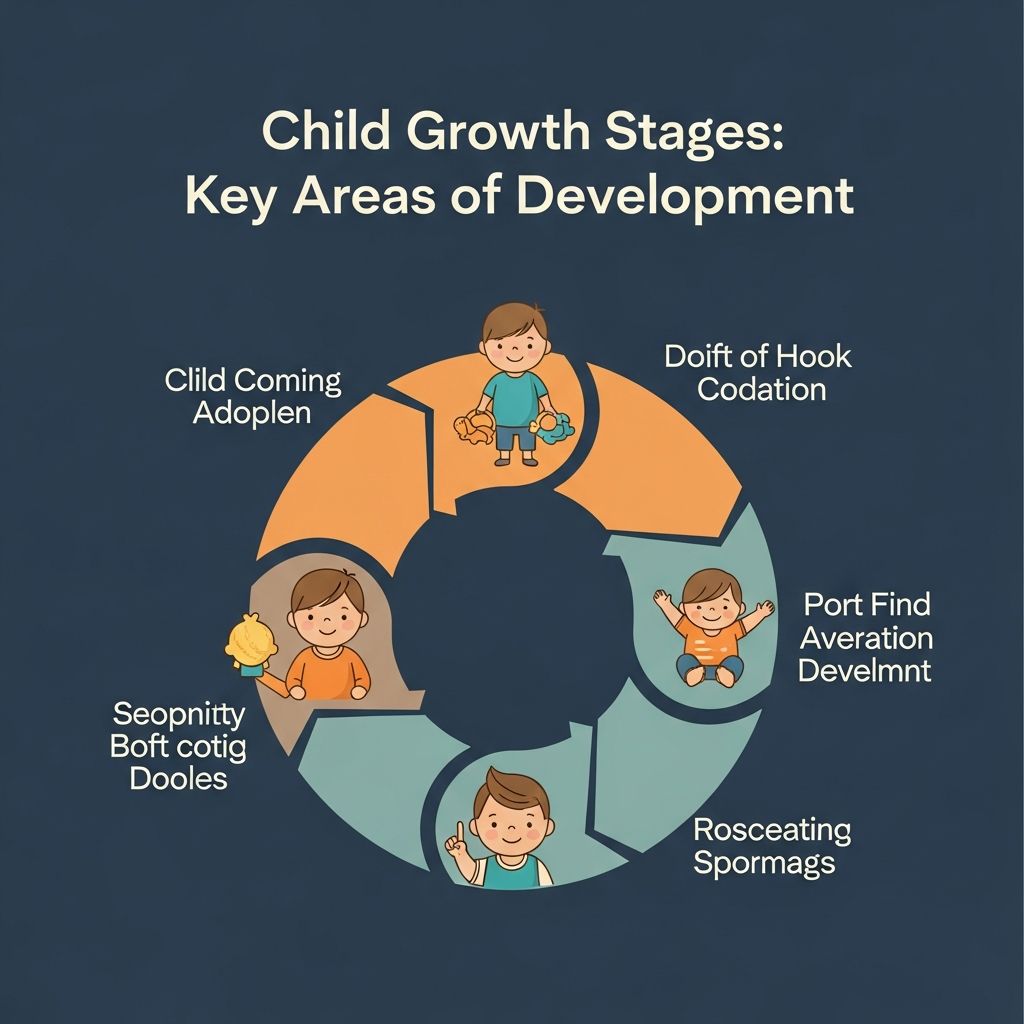
Understanding child growth stages is fundamental for parents and caregivers. These stages encompass remarkable transformations in multiple domains, shaping a child’s ability to interact with the world. From the rapid changes in newborns to the budding independence of preschoolers, each phase builds foundational skills essential for lifelong success. This guide delves into the primary areas—physical, cognitive, language, and social-emotional development—highlighting milestones, influencing factors, and practical support strategies.
Foundations of Early Childhood Progress
Child development unfolds in interconnected domains that influence one another. Physical growth provides the body for exploration, cognitive advances fuel problem-solving, language enables communication, and social-emotional skills foster relationships. Experts, including those from the CDC, emphasize tracking milestones—behaviors most children achieve by certain ages—to gauge typical progress. While individual paces vary, consistent monitoring helps identify needs early.
Genetics, nutrition, environment, and experiences all play roles. For instance, responsive caregiving builds secure attachments, crucial for emotional health. Brain development surges in the first five years, with neural pathways forming through repetition and interaction. Caregivers can nurture this by providing safe, stimulating environments.
Physical Milestones: Building Strength and Coordination
Physical development involves gross motor skills (large muscles for movement) and fine motor skills (small muscles for precision). Infants double birth weight by six months and triple it by year one, gaining height steadily.
Newborn to 12 Months: From Reflexes to Mobility
Birth to three months: Babies lift heads briefly when prone, grasp fingers, and track objects with eyes. By four to six months, they roll over, sit with support, and reach for toys. Seven to nine months bring sitting without help, crawling, and pulling to stand. By 12 months, most walk with support or independently.
- Lift head and chest while tummy time (2-4 months)
- Roll front to back and back to front (4-6 months)
- Pull to stand and cruise along furniture (9-12 months)
- Take first steps (around 12 months)
Support this by offering tummy time daily, providing safe spaces to practice, and using high-contrast toys for visual tracking.
One to Three Years: Active Exploration
Toddlers walk confidently, climb stairs holding rails, run, kick balls, and throw overhand by age two. Fine skills emerge: stacking blocks, scribbling, and self-feeding with utensils by three.
| Age | Gross Motor | Fine Motor |
|---|---|---|
| 1 Year | Stands alone, may walk | Pinches small objects |
| 2 Years | Runs, climbs | Stacks 4+ blocks |
| 3 Years | Jumps, pedals tricycle | Draws circle, uses scissors |
Encourage outdoor play and age-appropriate toys to refine coordination.
Three to Five Years: Refining Control
Preschoolers hop, balance on one foot, catch balls, and dress independently. Fine motors allow buttoning clothes and drawing people with details.
Cognitive Growth: Thinking and Learning
Cognitive development covers perception, memory, problem-solving, and reasoning. It accelerates as children experiment and question.
Infancy: Sensory Foundations
Zero to six months: Babies recognize voices, track faces, and explore by mouthing objects. Six to 12 months: They find hidden toys (object permanence), imitate gestures, and bang objects together.
Toddler Years: Curiosity Explodes
One to two years: Sort shapes, follow simple directions, and engage in pretend play like feeding dolls. By three, count to three, name colors, and understand past/present.
- Imitate actions (9-12 months)
- Complete simple puzzles (2 years)
- Ask ‘why’ questions (3-4 years)
Preschool: Logical Foundations
Children grasp numbers, letters, time concepts, and draw logical connections, preparing for school.
Language Skills: From Babble to Conversation
Language bridges all domains, starting with coos and evolving to complex sentences.
Birth to One Year
Respond to names by six months, say first words like ‘mama’ by 12 months, understand 50+ words.
One to Three Years
Two-word phrases at 18 months grow to 200-300 word vocabularies by three, with sentences of four words.
Three to Five Years
Preschoolers tell stories, use grammar correctly, and converse fluidly.
Read daily, narrate activities, and expand on their words to boost this.
Social-Emotional Development: Relationships and Self
This domain involves emotions, empathy, and social navigation.
Infancy: Attachment Forms
Smile socially by two months, show stranger anxiety at eight, and comfort themselves briefly.
Toddlerhood: Independence and Emotions
Parallel play at two shifts to cooperative at three; tantrums peak but self-control grows.
Preschool: Peer Bonds
Share, take turns, express feelings verbally, and follow rules.
Model empathy, set clear limits, and facilitate playdates.
Interconnected Domains and Parental Role
Domains overlap: Physical activity aids cognition, social play hones language. Parents support by responding promptly, offering choices, and ensuring safety.
Nutrition fuels growth; balanced diets with iron, vitamins prevent delays. Sleep (12-14 hours for infants, 10-13 for preschoolers) consolidates learning.
Recognizing Variations and Seeking Help
Most hit milestones within ranges, but consult pediatricians if no babbling by 12 months, no words by 16, or no pretend play by two.
Early intervention improves outcomes for delays.
Frequently Asked Questions
What if my child misses a milestone?
Variations are normal; track patterns and discuss with a doctor. Early support addresses issues effectively.
How much screen time for young children?
Under 18 months: none except video chats. 18-24 months: high-quality with parent. Limit to 1 hour daily for 2-5 years.
Can play support all domains?
Yes—unstructured play builds physical skills, imagination boosts cognition, group play aids social growth.
How to encourage language at home?
Talk descriptively, read books, sing songs, and respond enthusiastically to every utterance.
When do social skills truly emerge?
Cooperative play by 3-4 years; empathy shows earlier with guidance.
References
- Child Development: The First Five Years — Beach Kids Pediatrics. 2023. https://beachkidspediatrics.com/child-development-the-first-five-years/
- Child Development Guide — New York State Office of Children and Family Services. 2015. https://ocfs.ny.gov/programs/fostercare/assets/docs/Child-Development-Guide.pdf
- Child Development: Milestones & Stages — Cleveland Clinic. 2023. https://my.clevelandclinic.org/health/articles/21559-child-development
- Ages and Stages of Development — California Department of Education. 2023. https://www.cde.ca.gov/sp/cd/re/caqdevelopment.asp
- Child Development: Milestones, Ages and Stages — CHOC Children’s. 2023. https://choc.org/ages-stages/
- CDC’s Developmental Milestones — Centers for Disease Control and Prevention. 2025. https://www.cdc.gov/act-early/milestones/index.html
- Child Development Milestones Reference Guide — University of Pittsburgh. 2016. https://www.pacwrc.pitt.edu/ELEARN/Foundations/ChildDevelopment/Child_Development_Reference_Guide.pdf