Emotional development forms the cornerstone of a child’s ability to navigate relationships, handle challenges, and thrive in life. From the first cries of an infant to the complex social dynamics of school-age kids, understanding these stages empowers parents to provide targeted support. This guide draws on established child psychology principles to outline key milestones and actionable strategies, helping you build a foundation for your child’s emotional well-being.
Foundations of Emotional Intelligence in Early Life
Emotional growth begins at birth, rooted in the brain’s remarkable plasticity. Repeated positive interactions wire neural pathways that promote resilience and self-awareness. Parents play a pivotal role by creating consistent, nurturing environments where children learn to trust and express feelings safely.
Secure attachments, formed through responsive caregiving, enable infants to explore confidently while regulating basic emotions. Without this, children may struggle with anxiety or withdrawal later on. Research from developmental psychologists emphasizes that early bonds predict long-term social success.
Infancy: Building Trust Through Responsive Care
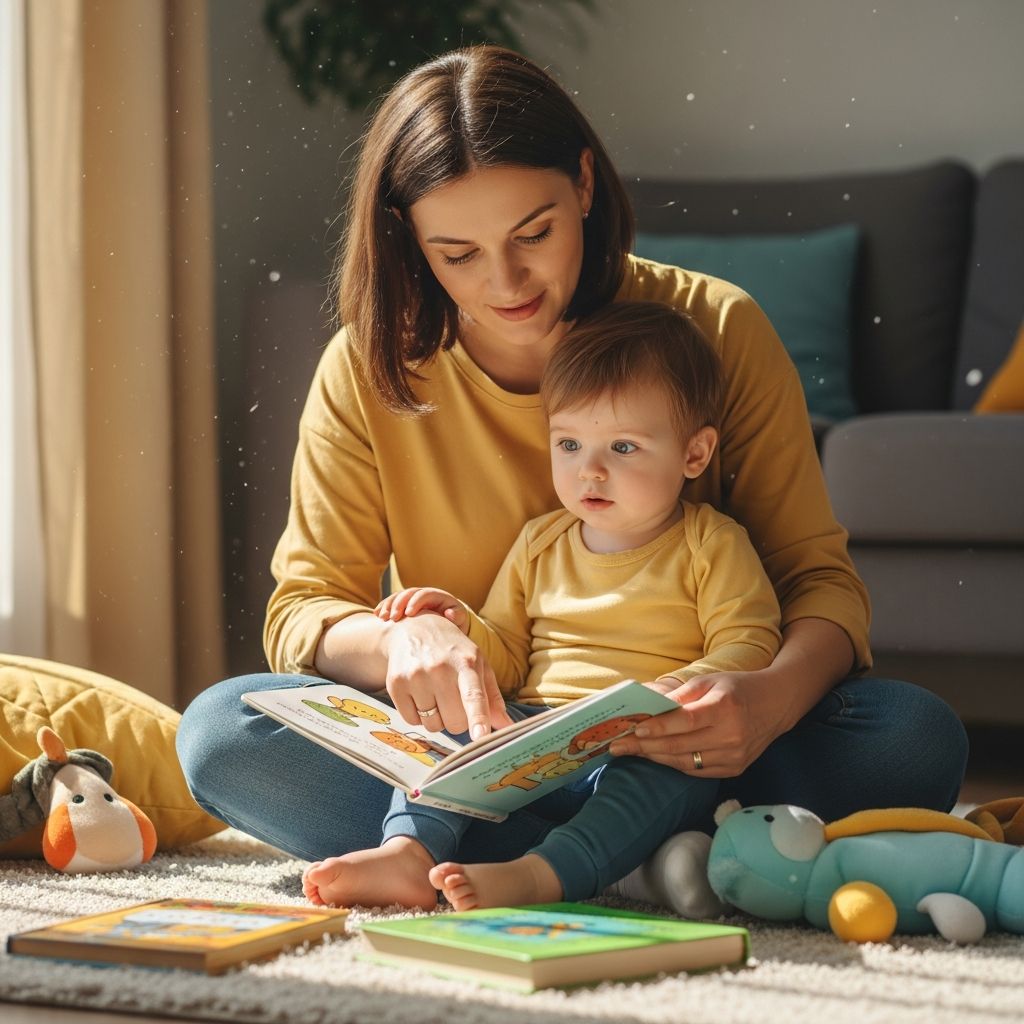
In the first year, babies rely on caregivers to interpret their cues—hunger, discomfort, joy. Mirroring facial expressions and using soothing touch fosters a sense of security. For instance, maintaining eye contact during feeds or play helps infants associate emotions with predictable responses.
- Gentle mirroring: Copy your baby’s coos and smiles to validate their feelings.
- Calm presence: Respond promptly to cries with soft words and cuddles, teaching that needs are met reliably.
- Sensory attunement: Use rhythmic rocking or singing to soothe distress, strengthening emotional bonds.
These practices not only calm immediate upset but also lay groundwork for empathy, as babies internalize the caregiver’s emotional attunement.
Toddler Years: Mastering Basic Emotions and Self-Awareness
Around ages 1-3, toddlers experience intense feelings like frustration and excitement but lack words to express them. This era marks the emergence of self-conscious emotions such as pride or shame, often triggered by separation or failure. Tantrums are common as the brain’s prefrontal cortex, responsible for impulse control, is still maturing.
Parents can guide this phase by modeling calm and labeling emotions. “You seem angry because the tower fell—it’s okay to feel that way,” helps children name and normalize experiences. Consistent routines further reduce anxiety, providing predictability amid rapid changes.
| Common Toddler Emotions | Triggers | Parental Strategies |
|---|---|---|
| Frustration | Toys breaking, denied wants | Acknowledge feeling, offer simple choices |
| Joy/Excitement | Play, milestones | Celebrate with enthusiasm, share the moment |
| Shame/Embarrassment | Mistakes, scolding | Reassure efforts, focus on growth |
Encouraging play-based expression, like using emotion-faced puppets, builds vocabulary and coping skills. Over time, this shifts reliance from meltdowns to verbal requests.
Co-Regulation: The Bridge to Independence
Before self-regulation, children need co-regulation—parents providing external calm until internal tools develop. Sitting quietly during a tantrum, using deep breaths together, or offering a hug signals safety. This repeated experience reshapes the nervous system, making big feelings manageable.
Start with your own regulation: Children mirror parental stress. A steady voice and relaxed posture during chaos teach emotional containment far better than lectures.
Preschool Progress: Empathy and Social Navigation
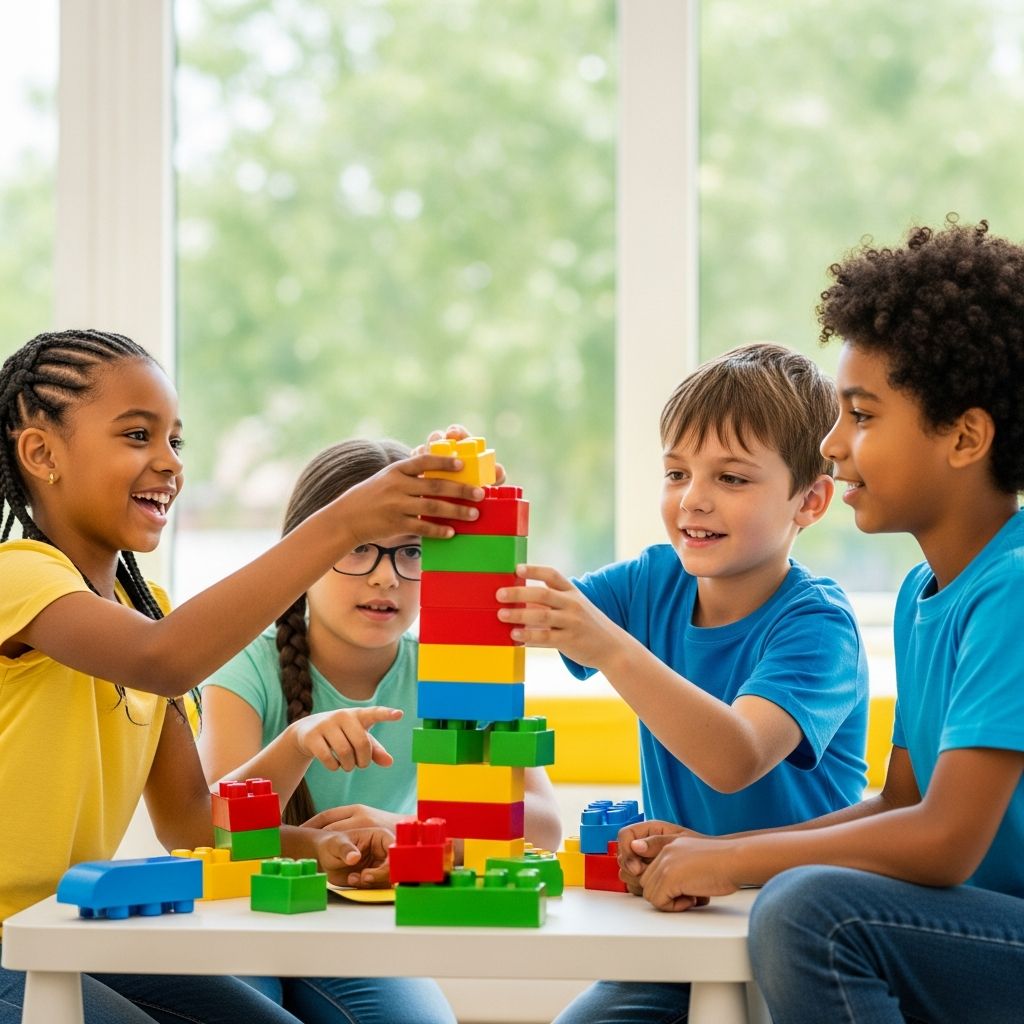
By ages 3-5, children differentiate emotions in themselves and others, expressing them through imaginative play or teasing. They grasp situational links, like sadness from goodbyes, and begin perspective-taking.
Fostering empathy involves daily discussions: “How do you think your friend felt when you took the toy?” Books with diverse characters reinforce this, prompting questions about motives and solutions.
- Label emotions in media: Pause shows to discuss characters’ feelings.
- Role-play scenarios: Act out sharing or apologies to practice responses.
- Validate all feelings: “It’s normal to be mad, but hitting hurts—let’s stomp feet instead.”
These build social awareness, crucial for friendships and conflict resolution. Challenges like ADHD can intensify emotions, but structured talks and emotion charts aid identification.
School-Age Advances: Resilience and Peer Dynamics
From 6-12, emotional regulation matures with cognitive growth. Children handle complex feelings like jealousy or disappointment, forming deeper friendships. Peer interactions test empathy and self-control.
Parents support by facilitating playdates, observing without intervening unless needed. Teach mediation: “What could you say to make it fair?” Regular check-ins about school feelings strengthen bonds and emotional literacy.
| Skill | Age 6-8 | Age 9-12 |
|---|---|---|
| Empathy | Recognizes basic sadness in peers | Understands nuanced motives, offers help |
| Regulation | Needs reminders for breathing | Uses strategies independently |
| Resilience | Bounces back from small losses | Persists through failures with ‘yet’ mindset |
Encourage persistence: “You can’t ride that bike yet—practice makes progress.” This instills grit.
Addressing Challenges: When Emotions Overwhelm
Some children face hurdles like intense shifts or regulation difficulties, especially with neurodiversity. Strategies include emotion journals, mindfulness apps, or professional input. Early intervention prevents escalation.
Connection precedes correction: Regulate first, then redirect. This hierarchy—parent calm, co-regulate, connect, correct—ensures teachable moments.
Lifelong Benefits of Proactive Emotional Nurturing
Investing in emotional skills yields dividends: better academics, relationships, and mental health. Children with strong foundations navigate adolescence’s storms with tools honed early. Daily rituals—bedtime emotion shares, family games—sustain growth.
Consistency trumps perfection. High-quality interactions, even brief, compound over time, shaping resilient adults.
Frequently Asked Questions (FAQs)
What if my child has frequent tantrums?
Tantrums peak in toddlerhood due to underdeveloped regulation. Co-regulate with calm presence, label feelings, and teach alternatives like squeezing a toy. Consistency reduces frequency.
How can I teach empathy effectively?
Use real-life examples, stories, and role-play. Ask open questions about others’ perspectives daily to build habitual awareness.
Is it okay to let my child fail?
Yes—supervised failure builds resilience. Label emotions, encourage problem-solving, and highlight strengths to foster ‘yet’ thinking.
What role do routines play?
Routines provide security, lowering anxiety and freeing energy for emotional learning. Predictable days support self-regulation.
When should I seek professional help?
If emotions persistently disrupt daily life, sleep, or relationships, consult a pediatrician or child psychologist for tailored support.
References
- A Parent’s Guide to Social and Emotional Development in Early Childhood — Metro Pediatrics. 2023. https://www.metropediatrics.com/pediatric-blog/a-parents-guide-to-social-and-emotional-development-in-early-childhood/
- Understanding Emotional Development — CHADD. 2024-01-15. https://chadd.org/attention-article/understanding-emotional-development/
- Social and Emotional Milestones for Kids: A Parent’s Guide — FDNA. 2023-05-20. https://fdna.com/health/resource-center/social-and-emotional-milestones-for-kids-a-parents-guide/
- Helping Children Build Emotional Regulation: A Parent’s Guide — All Together Wellness. 2024-03-10. https://www.alltogetherwellness.net/blog-posts/helping-children-build-emotional-regulation-a-parents-guide
- How to Help Kids Understand and Manage Their Emotions — American Psychological Association (APA). 2023-11-08. https://www.apa.org/topics/parenting/emotion-regulation