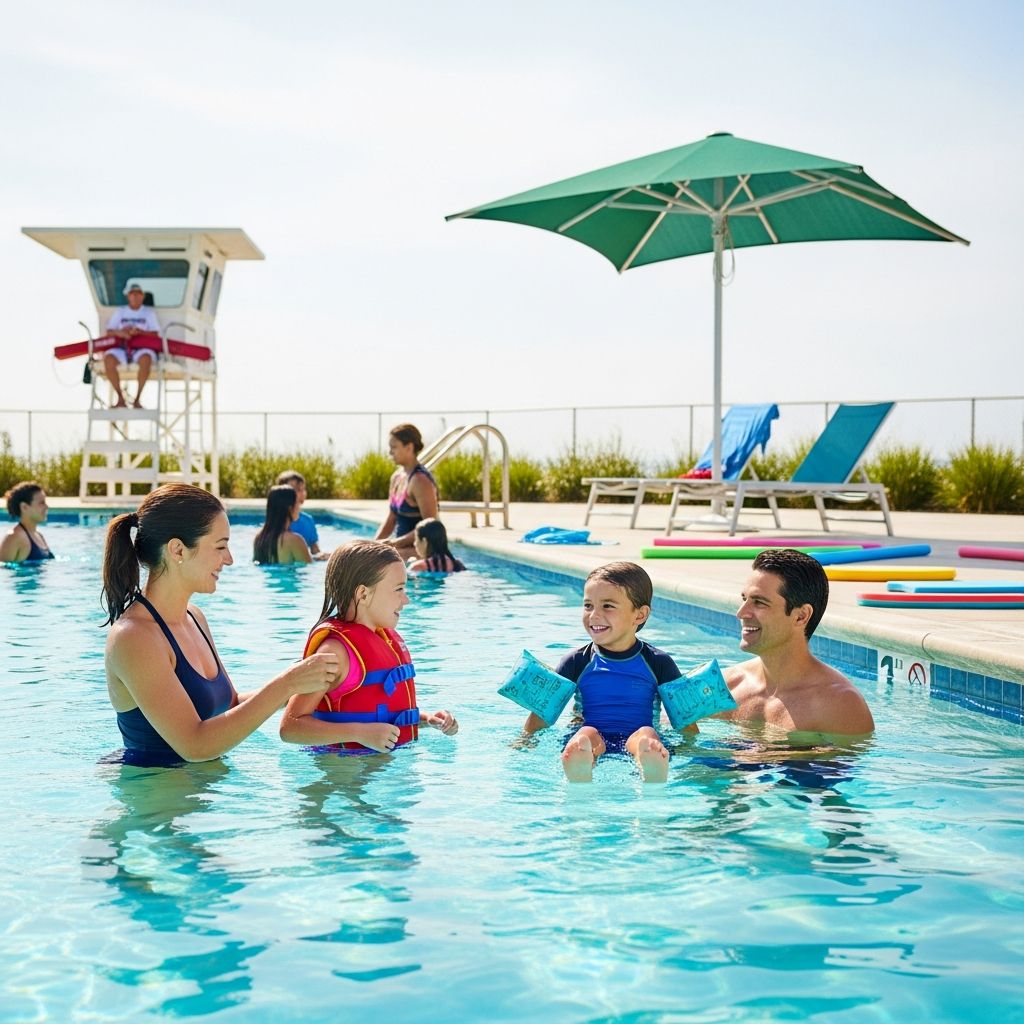
Drowning represents a leading cause of death for young children, yet simple preventive measures can drastically reduce these risks. This guide draws on authoritative data to equip parents with practical strategies for protecting kids around water, from backyard pools to everyday household sources.
Understanding the Scope of Drowning Risks
Each year, thousands of children face fatal drowning incidents, with the most vulnerable being those under five years old. In the United States, children ages 1-4 experience drowning as their primary cause of injury-related death, while for ages 5-14, it ranks second. Globally, the World Health Organization notes that risks escalate without active supervision, particularly for children interacting with open water sources. Recent U.S. Consumer Product Safety Commission data reveals a troubling increase: from 339 child drownings under age 15 in 2020 to 380 in 2021, with 75% involving children five and younger.
Residential settings account for 81% of known fatal child drownings, underscoring the need for home-focused prevention. Nonfatal incidents also burden families, with thousands requiring emergency care annually—averaging 6,500 ER visits for pool or spa-related submersion injuries from 2019-2021. These statistics highlight that drowning occurs silently and swiftly, often in mere inches of water, demanding constant vigilance.
High-Risk Scenarios in and Around the Home
Beyond pools, everyday household items pose significant threats. Historical CPSC data from 1996-1999 reported 459 young child drownings in bathtubs, buckets, toilets, spas, and other containers, with bathtubs involved in about two-thirds of cases. Infants and toddlers can drown quickly if caregivers step away briefly, even with bath seats, which contributed to at least 29 deaths in that period.
Spas and hot tubs claimed 55 young lives in the same timeframe, while buckets, ponds, sinks, and fish tanks present lesser but real dangers. For children under one, home environments like pools, bathtubs, or buckets are prime locations. Low-income households face heightened risks, with 79% of children in families earning under $50,000 lacking basic swimming abilities. Racial disparities persist, as Black children aged 10-14 drown at rates 7.6 times higher than white peers in pools.
| Hazard Type | Annual U.S. Child Fatalities (Examples) | Key Vulnerability |
|---|---|---|
| Residential Pools/Spas | ~358 avg. (2019-2021) | Ages 0-4 (75% of cases) |
| Bathtubs | ~292 (1996-1999 period) | Unsupervised moments |
| Buckets/Toilets/Other | ~115 non-pool home hazards | Inches of water suffice |
Core Prevention Layers: Building a Safe Environment
Effective drowning prevention relies on multiple “layers of protection,” combining physical barriers, technology, and behavioral habits. The CDC emphasizes four-sided isolation fences separating pools from homes and yards, reducing child drowning risk by 83% compared to three-sided setups.
- Install Isolation Barriers: Surround pools on all four sides with fences at least 4 feet high, featuring self-closing, self-latching gates. Avoid relying on house doors as part of the enclosure.
- Secure Hot Tubs and Spas: Use compatible safety covers and ensure drains have anti-entrapment covers meeting federal standards to prevent suction hazards.
- Control Household Access: Keep toilet lids down with clips, install bathroom door latches out of reach, and empty buckets immediately after use.
- Pool and Door Alarms: Deploy alarms on gates and doors leading to water areas for early detection.
The WHO advocates community measures like playpens, doorway barriers, and well covers to limit water access, proving highly effective in reducing exposure. For above-ground or inflatable pools, treat them identically to permanent structures with full fencing.
Active Supervision: The Water Watcher Approach
No barrier replaces human oversight. Drowning happens quietly, so designate a “Water Watcher”—a sober, undistracted adult solely responsible for supervising children in or near water. Avoid multitasking like phone use or socializing; rotate watchers if needed during gatherings.
- Stay within arm’s reach of young children (under 5) in water.
- If a child goes missing, check the pool or water first—seconds matter.
- For boats, ensure kids wear U.S. Coast Guard-approved life jackets.
Supervised childcare for preschoolers cuts drowning risks, per WHO modeling that predicts 774,000 fewer child drownings by 2050 through daycare scaling.
Empowering Kids with Essential Water Skills
Formal swimming lessons slash drowning risk by 88% for ages 1-4. Teach children to float, tread water, and perform safe self-rescue, always in controlled settings with proper instructor ratios. Combine lessons with water safety education: no running near pools, recognizing lifeguard signals, and avoiding drains.
Parents should enroll kids early, prioritizing certified programs. While skills build confidence, they complement—not replace—supervision and barriers.
Preparing for Emergencies: CPR and Response
Every caregiver must learn CPR, a potential lifesaver in drowning cases where brain damage can occur in minutes without oxygen. Call emergency services immediately upon submersion: remove child from water, begin rescue breaths and compressions if trained, and use an AED if available.
- Enroll in certified CPR courses through Red Cross or local health departments.
- Keep rescue equipment like shepherd’s hooks, life rings, and phones poolside.
- Practice family emergency drills for swift action.
Navigating Community and Travel Water Safety
Pools owned by friends or family host 87% of drownings for under-5s, so apply home rules everywhere. At beaches or lakes, heed rip current warnings and use life jackets. Hotels and apartments often have lax barriers—designate watchers and scout layouts first.
Advocate for community pools with fences, alarms, and lifeguards. Support programs teaching swim skills to underserved groups to address disparities.
Frequently Asked Questions (FAQs)
What is the most effective way to prevent pool drownings?
Four-sided pool fences with self-latching gates reduce risk by 83%, paired with constant Water Watcher supervision.
Can young toddlers benefit from swim lessons?
Yes, formal lessons cut drowning risk by 88% for ages 1-4, focusing on basic survival floats and safety.
Are bathtubs really a drowning hazard?
Absolutely—bathtubs caused two-thirds of non-pool home drownings in studied cases; never leave children unattended.
How do life jackets factor into safety?
Mandatory on boats and open water for non-swimmers; choose U.S. Coast Guard-approved models.
What role does CPR play in outcomes?
Immediate CPR can prevent death or permanent injury; all adults should be trained.
Long-Term Strategies for a Safer Future
Investing in prevention yields massive returns: WHO projects $400 billion in savings from swim lessons and daycare by 2050. Families can lead by modeling safe behaviors, installing barriers promptly, and educating relatives. Regular safety audits of home water sources ensure ongoing protection.
By layering barriers, supervision, education, and preparedness, parents transform potential tragedies into safe aquatic fun. Commit to these practices year-round, not just summer, to foster lifelong water confidence.
References
- Drowning — World Health Organization. 2023-11-22. https://www.who.int/news-room/fact-sheets/detail/drowning
- The Facts On Childhood Drowning — Children’s Safety Network. Accessed 2026. https://www.childrenssafetynetwork.org/infographics/facts-childhood-drowning
- New Data Shows Child Drownings Remain High — Pool Safely (U.S. CPSC). 2024-07-11. https://www.poolsafely.gov/2024/07/11/new-data-shows-child-drownings-remain-high/
- CPSC Warns: Pools Are Not the Only Drowning Danger at Home for Kids — U.S. Consumer Product Safety Commission. 2002-05-23. https://www.cpsc.gov/Newsroom/News-Releases/2002/CPSC-Warns-Pools-Are-Not-the-Only-Drowning-Danger-at-Home-for-KidsData-Show-Other-Hazards-Cause-More-than-100-Residential-Child-Drowning-Deaths-Annually
- Facts & Stats About Drowning — Stop Drowning Now. Accessed 2026. https://www.stopdrowningnow.org/drowning-statistics/
- Water Safety And Young Children — American Academy of Pediatrics (HealthyChildren.org). Accessed 2026. https://www.healthychildren.org/English/safety-prevention/at-play/Pages/Water-Safety-And-Young-Children.aspx
- Drowning Facts — Centers for Disease Control and Prevention. Accessed 2026. https://www.cdc.gov/drowning/data-research/facts/index.html
- The Latest Drowning Statistics 2024 — National Drowning Prevention Alliance. 2024. https://ndpa.org/parenttoolkit/BlogsParentToolkit/BLOG-The%20Latest%20Drowning%20Statistics-NDPA.pdf