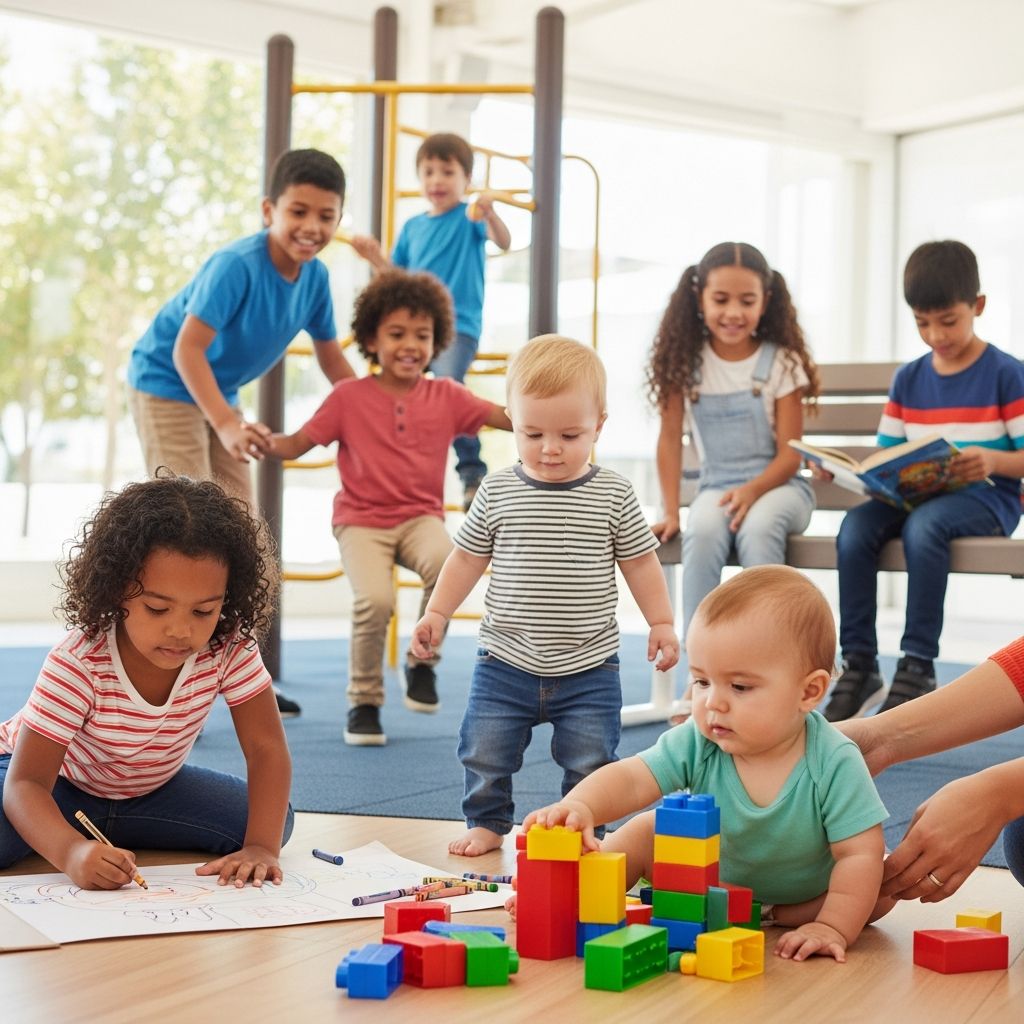
Navigating Your Child’s Developmental Journey
Every child develops at their own unique pace, yet there are common patterns and milestones that healthcare providers and parents can use to understand what to expect during different stages of childhood. Recognizing these developmental patterns helps parents identify whether their child is progressing typically and when to seek professional guidance if concerns arise. This guide provides an overview of the major developmental stages from birth through the early school years, encompassing physical growth, cognitive abilities, language development, and social-emotional changes.
The Newborn and Early Infant Stage: Birth to Six Months
During the first six months of life, infants undergo dramatic transformations in their physical capabilities and awareness of their surroundings. This period is characterized by rapid growth, with many babies doubling their birth weight within this timeframe. The brain is particularly active during this stage, building essential neural pathways that will support future learning and development.
Physical Changes and Motor Development
Newborns begin life with reflexive movements, but their control over their body increases significantly by six months. In the earliest weeks, infants can lift their head briefly and may turn toward sounds or faces. By three months, babies often begin to follow moving objects with their eyes and may attempt to grasp objects placed in their hands. Around four to six months, most infants can roll over, sit with support, and may begin to transfer objects from one hand to another.
Sensory and Cognitive Awareness
Infants in this stage are beginning to understand that they are separate individuals from their caregivers. They respond to familiar voices and may recognize their primary caregiver’s face. Cognitive development during this period involves learning through sensory experiences—exploring textures, watching faces, and listening to sounds. Babies also begin to show preferences for certain activities or people.
Early Social and Emotional Bonding
The foundation for secure attachment forms during these early months. Infants will begin to smile socially, typically between six and twelve weeks, and will show recognition of familiar people. They become distressed when separated from their caregiver and are soothed by familiar voices and touch. This bonding process is crucial for emotional security and future social development.
The Mobile Infant Period: Six Months to Twelve Months
The second half of the first year marks a significant transition as infants become increasingly mobile and develop more sophisticated communication skills. Most babies show increased muscle coordination and greater control over their body movements during this period.
Advancing Physical Capabilities
By six months, many infants can sit with minimal support and may rock back and forth in preparation for crawling. Between eight and twelve months, babies typically develop the ability to crawl, pull themselves up to a standing position using furniture, and may begin to cruise along furniture or take their first independent steps. Hand coordination also improves dramatically—infants develop a pincer grasp, allowing them to pick up small objects between their thumb and fingers, which opens up new exploration opportunities.
Language Development Begins
During the second half of the first year, infants progress from cooing and babbling to producing more intentional sounds. By nine to twelve months, many babies will say their first words, often “mama” or “dada.” They begin to understand simple words and may respond to their own name. This emerging language capability represents a major cognitive milestone.
Personality and Independence Emerging
Older infants show increasing personality and preferences. They become more curious about their environment and may show stranger anxiety—becoming wary of unfamiliar people. They enjoy peek-a-boo games and show increasing ability to engage in turn-taking interactions with caregivers. Object permanence—the understanding that objects still exist when out of sight—develops during this stage, leading to increased exploration and problem-solving attempts.
The Toddler Years: One to Three Years
Toddlerhood brings dramatic changes in independence, communication, and personality expression. Children transition from infants to active explorers with increasing autonomy and self-awareness.
Motor Skill Refinement
During the toddler years, children progress from tentative walkers to confident movers. Between twelve and eighteen months, most toddlers walk independently and may begin to climb stairs with assistance. By age two, they can run, kick a ball, and climb onto furniture with increasing coordination. Fine motor skills also develop—toddlers learn to scribble with crayons, feed themselves with utensils, and manipulate objects with greater precision. By age three, many children can use scissors with supervision and draw simple shapes.
Explosive Language Growth
Language development accelerates dramatically during these years. Between eighteen months and two years, many toddlers experience a vocabulary explosion, moving from single words to simple phrases and short sentences. By age two and a half to three, most toddlers can engage in simple conversations, ask questions, and follow two-step directions. They begin to understand basic concepts like colors, numbers, and size. This communication growth facilitates social interaction and allows toddlers to express needs and emotions more effectively.
Emerging Self-Awareness and Social Skills
Toddlers become increasingly aware of themselves as individuals distinct from others. They begin to develop a sense of autonomy, often expressing preferences and desires. While they still depend heavily on caregivers for emotional regulation, they increasingly engage in parallel play—playing alongside other children, even if not directly interacting. By age three, many toddlers show empathy toward upset peers and enjoy cooperative play. Emotional expression becomes more varied and intense during this stage, with both joy and frustration expressed dramatically.
Cognitive Development and Problem-Solving
Toddlers begin to engage in pretend play, which supports cognitive development and imagination. They start to understand basic cause-and-effect relationships and develop primitive problem-solving skills. Memory improves, allowing them to recall events and people from their past. They begin to understand simple routines and can follow basic instructions when given consistently.
The Preschool Years: Three to Five Years
The preschool years represent a period of rapid cognitive advancement, refined physical abilities, and increasingly sophisticated social interactions. Children become more independent and develop stronger friendships during this stage.
Physical Coordination and Athletic Skills
Preschoolers demonstrate remarkable improvements in both gross and fine motor skills. By age three, most children can run smoothly, jump with both feet, and balance briefly on one foot. By age four, they can hop on one foot, climb stairs with alternating feet, and demonstrate better overall coordination. Fine motor control continues to improve, allowing preschoolers to draw recognizable shapes, copy letters, and engage in activities requiring hand-eye coordination. They show improved ability with self-care tasks like using the toilet, washing hands, and dressing themselves with minimal assistance.
Advanced Cognitive and Academic Skills
Preschoolers begin to develop foundational academic skills. They can recognize letters, understand that letters represent sounds, and may begin to recognize some words. Number recognition and basic counting emerge, along with understanding of concepts like “more” and “fewer.” Their thinking becomes more logical, though it still contains magical thinking—the belief that thoughts can cause events or that inanimate objects have feelings. Preschoolers enjoy storytelling, asking endless questions, and exploring how things work. Their attention span lengthens, allowing them to engage in activities for longer periods.
Social Development and Peer Relationships
Play becomes increasingly social during the preschool years. Children engage in cooperative play, taking turns and following simple game rules. They develop friendships based on shared interests and proximity. While conflicts with peers are common, preschoolers begin to use words to resolve disagreements rather than physical aggression. They show interest in fairness and justice, though their understanding is still developing. Emotional expression becomes more sophisticated, and children can increasingly identify and name their emotions.
Developing Autonomy and Self-Regulation
Preschoolers show increasing independence in daily activities and decision-making. They often prefer to do things themselves and may resist help. Emotional regulation improves, though preschoolers still experience intense feelings and may have difficulty managing frustration or disappointment. They begin to understand rules and routines better and can follow simple household rules and expectations. Self-consciousness emerges, and they become aware of others’ reactions to their behavior.
Key Developmental Domains to Monitor
Child development encompasses multiple interconnected areas. Understanding these domains helps parents and caregivers recognize what is typical and when to seek professional evaluation if concerns arise.
| Developmental Domain | What It Includes | Why It Matters |
|---|---|---|
| Physical Development | Gross and fine motor skills, growth patterns, coordination | Foundation for independence, play, and athletic activities |
| Cognitive Development | Learning, memory, problem-solving, reasoning | Essential for academic success and adapting to new situations |
| Language Development | Understanding and using words, communication skills | Critical for social interaction, expressing needs, and learning |
| Social-Emotional Development | Forming relationships, managing emotions, cooperation | Fundamental for making friends, resolving conflicts, and well-being |
| Self-Help Skills | Feeding, dressing, toileting, personal hygiene | Promotes independence and readiness for school and social settings |
Supporting Development Across All Stages
Parents and caregivers play a crucial role in supporting healthy development. Responsive caregiving—attending to a child’s cues, providing comfort, and engaging in interaction—forms the foundation for secure attachment and healthy development. Talking, singing, and reading to children supports language and cognitive development. Providing safe spaces for exploration and age-appropriate play materials encourages physical and cognitive growth. Consistent routines help children feel secure and develop self-regulation skills.
Creating an Enriching Environment
Children learn best through play and exploration in safe environments. Providing age-appropriate toys, books, and materials supports development across all domains. Outdoor time allows for physical activity and natural exploration. Limiting screen time and prioritizing interactive play supports brain development more effectively than passive media consumption.
When to Seek Professional Guidance
While developmental timelines provide general guidelines, significant variation is normal. However, certain signs warrant professional evaluation. Concerns about speech and language development, persistent delays in motor skills, lack of interest in social interaction, or difficulty with behavioral regulation should be discussed with a pediatrician. Early intervention services are available in most communities for children showing developmental delays, and early identification can prevent future difficulties.
Common Questions About Child Development
What is the difference between a developmental delay and a difference in development pace?
All children develop at their own pace. A developmental delay occurs when a child consistently falls significantly behind expected milestones across multiple areas of development. A difference in pace means a child is developing normally but perhaps earlier or later than average. A pediatrician can help distinguish between these situations.
How can I help my child meet developmental milestones?
The most important factors are responsive interaction, consistent caregiving, safe exploration opportunities, and age-appropriate play. Talking to your child, reading together, providing varied play experiences, and maintaining predictable routines all support development. Pushing children to achieve milestones before they are ready is unnecessary and can create stress.
Is it concerning if my child meets milestones later than peers?
Individual variation is normal and expected. Some children walk at twelve months while others walk at sixteen months; both are within typical range. However, if your child is significantly behind in multiple areas or not progressing over time, discussion with your pediatrician is warranted to ensure there are no underlying concerns.
How do screen time and technology affect child development?
Excessive screen time, especially passive viewing, can interfere with language development, physical activity, and social interaction during critical developmental periods. Interactive experiences with responsive caregivers are more beneficial for development. Most experts recommend limiting screen time for young children in favor of play, exploration, and direct interaction.
Should I be concerned about my child’s emotions and behavior during these stages?
Emotional and behavioral changes are normal as children develop. Frustration, fear, and peer conflicts are expected. However, persistent behavioral problems, extreme aggression, withdrawal from social interaction, or signs of anxiety should be discussed with your pediatrician, who can provide guidance or referrals if needed.
References
- Child Development: Milestones & Stages — Cleveland Clinic. 2024. https://my.clevelandclinic.org/health/articles/21559-child-development
- Child Development Guide — New York Office of Children and Family Services. 2015. https://ocfs.ny.gov/programs/fostercare/assets/docs/Child-Development-Guide.pdf
- CDC’s Developmental Milestones: Learn the Signs. Act Early — Centers for Disease Control and Prevention. 2024. https://www.cdc.gov/act-early/milestones/index.html
- Ages and Stages of Development — California Department of Education. 2024. https://www.cde.ca.gov/sp/cd/re/caqdevelopment.asp
- Child Development: Milestones, Ages and Stages — Children’s Hospital of Orange County (CHOC). 2024. https://choc.org/ages-stages/