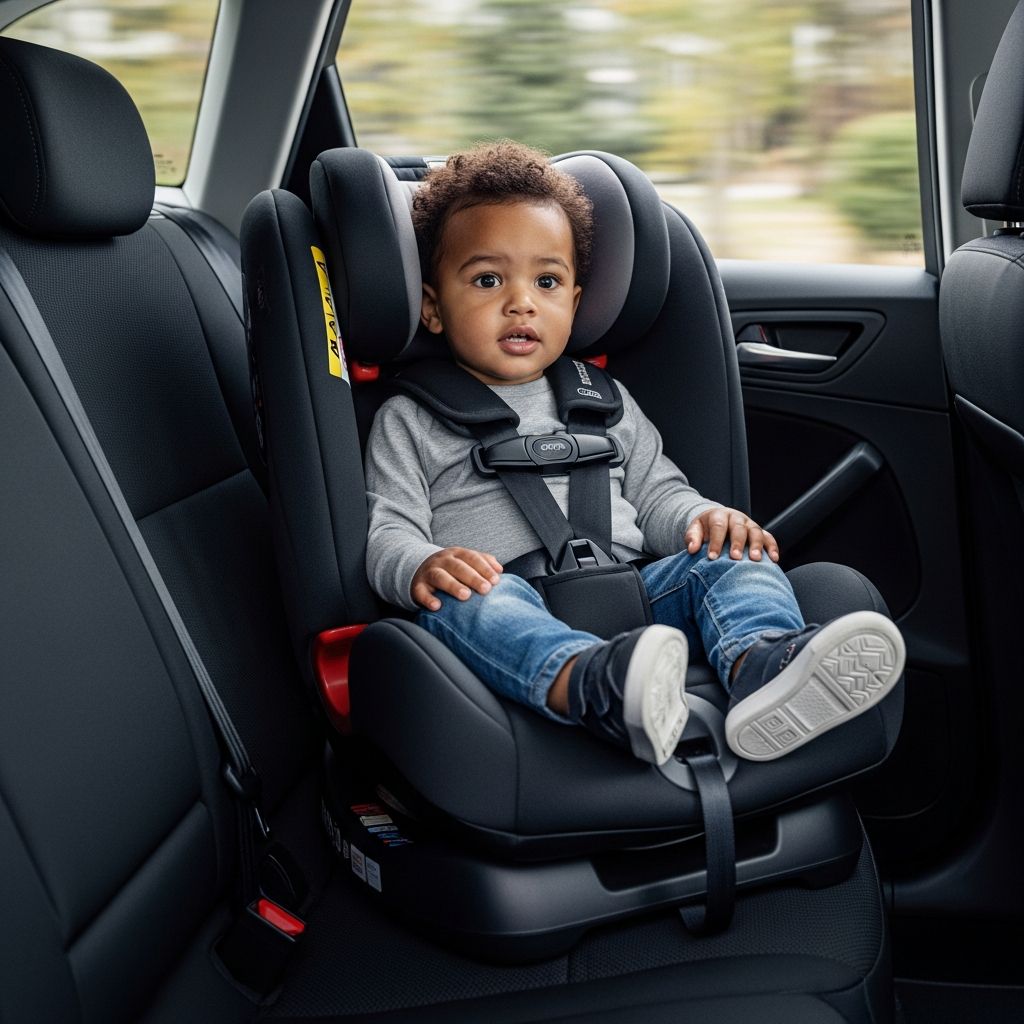
Properly restraining children in vehicles is one of the most effective ways to prevent injuries and deaths in car crashes. Recent analyses show that while child fatalities have slightly declined, misuse of car seats remains alarmingly high, with safety practices often dropping off after age three. This article delves into the data, common errors, age-appropriate guidelines, and practical steps for parents to maximize protection.
Shocking Statistics on Child Injuries and Fatalities
From 2019 to 2023, over 3.9 million children aged 11 and under were involved in U.S. car crashes, leading to more than 516,000 injuries and 2,800 fatalities. In 2023 alone, nearly 100,000 children suffered injuries, with 700 killed as passengers in motor vehicles and over 125,000 injured. Tragically, 43% of these child passenger deaths involved unrestrained kids, and 26% of children under 15 who died in 2022 crashes were unrestrained despite a belted driver.
These numbers underscore a persistent issue: restraint use. Nearly 64% of children riding with unbelted drivers were also unrestrained, highlighting how parental habits directly impact child safety. Historical progress is notable—child motor vehicle deaths dropped 61% since the mid-1970s, saving at least 11,606 kids under age four from 1975 to 2017 through car seats—but gaps remain.
The Proven Life-Saving Power of Correct Restraints
Child safety seats dramatically lower risks when used properly. According to the U.S. Department of Transportation, restraints reduce fatalities by 71% for infants under one year and 54% for children aged 1-4 in passenger cars. Booster seats cut serious injury risk by 45-59% for ages 4-8 compared to seat belts alone, with evidence-based reviews confirming 58-70% injury reductions and 61% lower mortality.
Rear-facing seats offer the highest protection for infants and toddlers, while forward-facing and boosters provide graduated safety as kids grow. Unrestrained children aged 0-4 face 2.5-4.4 times higher risks of broken bones, concussions, open wounds, and hospitalization. Premature transition to seat belts for 2-5-year-olds doubles injury risk. Overall, age-appropriate restraints are Level 1 recommended by trauma experts for reducing morbidity and mortality across all pediatric ages.
Alarming Trends: When Do Parents Stop Using Boosters?
A AAA analysis of five years of crash data reveals a troubling decline: safety seat and booster use drops nearly 10% between ages 3 and 4, continuing to fall despite needs persisting until ages 10-12. The American Academy of Pediatrics estimates most children aren’t ready for adult seat belts alone until then. In 2024 inspections, only 17% of 20-40 pound children remained in rear-facing seats as recommended, with 60% forward-facing and others prematurely in boosters.
This ‘premature graduation’ increases vulnerability. Rear seat positioning alone cuts fatal injury risk by 40% for kids under 16, with the center rear seat safest (9-24% better than outboard). Yet, laws, education, and enforcement have proven effective in boosting compliance.
Top Mistakes Parents Make with Car Seats
In 2024, 67% of 91,618 inspected car seats nationwide were misused, per the National Digital Car Seat Check Form database analyzed by AAA, NSC, and Westat. The three most common errors are:
- Loose installation: Seats not tight enough to the vehicle, allowing movement.
- Missing tether: Forward-facing seats without top tether anchored.
- Loose harness: Straps not snug on the child, reducing effectiveness.
Other frequent issues include incorrect harness height, seat belt routing errors, and using expired or recalled seats. Airbags pose extra risks: children under 12 face up to 254% higher death risk in front seats with deployment.
Age-Based Guidelines for Optimal Child Restraints
Follow these evidence-based recommendations from NHTSA, AAP, and trauma guidelines to match restraints to height, weight, and age:
| Age/Size | Recommended Restraint | Key Benefits/Risks Avoided |
|---|---|---|
| Infants (<1 year, <20-30 lbs) | Rear-facing car seat | 71% fatality reduction; highest crash force protection |
| Toddlers (1-4 years) | Rear- to forward-facing car seat | 54% fatality drop; avoid lap-belt spinal injuries |
| 4-8 years or <4’9″ | Belt-positioning booster | 45-70% injury reduction vs. belts alone |
| 8-12 years or 4’9″+ | Seat belt (back seat) | Ready when belt fits properly (lap low, shoulder mid-chest) |
All kids 12 and under belong in the back seat to avoid airbag risks and leverage the safest crash zone. Check fit with the ‘5-step test’: child’s bottom against back, knees bend naturally, lap belt low, shoulder belt on shoulder/chest, and no slack.
Step-by-Step Guide to Proper Car Seat Installation
- Choose the right seat: NHTSA-rated, not expired (most last 6-10 years), matching child’s size.
- Read manuals: Vehicle and seat instructions for LATCH, belt, or tether compatibility.
- Install rear-facing first: Use LATCH or seat belt; recline at correct angle; no more than 1 inch movement at base.
- Secure forward-facing: Add top tether to storage point; pinch test for tightness.
- Harness snug: Pinch fabric at collarbone—no slack; top slots at/below shoulders for rear-facing, at/above for forward.
- Booster fit: High-back for side protection; backless once head is 1 inch below top.
- Inspect regularly: After crashes, growth spurts, or moves.
Parents can get free inspections from certified Child Passenger Safety Technicians via NHTSA’s locator or events like National Child Passenger Safety Week (Sept. 21-27).
Vehicle Choice and Additional Safety Factors
Select vehicles with top NHTSA 5-Star ratings for child crash protection. Features like LATCH anchors, easy tether access, and spacious back seats aid compliance. Avoid front seats for kids under 13. Driver sobriety is crucial—one in four child occupant deaths from 2005 involved alcohol-impaired drivers. Seat belt laws correlate with higher restraint use.
Frequently Asked Questions (FAQs)
At what age can my child switch from rear-facing to forward-facing?
Keep rear-facing until at least age 2 or the seat’s maximum weight/height limit, as it provides superior head/neck protection.
How do I know if a booster seat is needed?
Use until 4’9″ or 8-12 years, when the adult belt fits correctly without a booster.
Is the middle seat safest?
Yes, for fatal injuries (9-24% risk reduction), if LATCH/belts allow secure install.
What if my car lacks LATCH?
Use seat belts; they’re equally effective if tight.
Can I use a car seat in a rideshare or taxi?
Yes, bring your own; many services allow it, prioritizing child safety.
Community and Policy Solutions for Better Compliance
Child safety seat laws, distribution programs, education campaigns, and incentives have increased usage rates. Organizations like GHSA advocate through the National Child Passenger Safety Board. Parents: model buckling up, as kids mimic drivers. With Baby Safety Month and certification events, now’s the time to act.
By addressing misuse and extending boosters, we can save thousands more lives. Commit to proper restraints—it’s the simplest way to protect your most precious passengers.
References
- Car Seat Safety Starts at Birth — and Shouldn’t End Too Soon — AAA Newsroom. 2025-08-25. https://newsroom.aaa.com/2025/09/car-seat-safety-starts-at-birth-and-shouldnt-end-too-soon/
- Car Crash Stats: How Effective Are Car Seats? — SafeWise. (Recent update inferred). https://www.safewise.com/crash-stats-effective-car-seats/
- Child Passenger Safety Statistics & Fact Sheet — RWBFire.org (NHTSA-derived). (Ongoing). https://www.rwbfire.org/child-passenger-safety-statistics-fact-sheet
- Child Passenger Safety: An Evidence-Based Review — Eastern Association for the Surgery of Trauma. (Recent). https://www.east.org/education-resources/practice-management-guidelines/details/child-passenger-safety–an-evidence-based-review
- Child Passengers — Governors Highway Safety Association (NHTSA 2023 data). 2023-2024. https://www.ghsa.org/state-laws-issues/child-passengers
- Child Safety — NHTSA Traffic Safety Marketing. 2023 data. https://www.trafficsafetymarketing.gov/safety-topics/child-safety