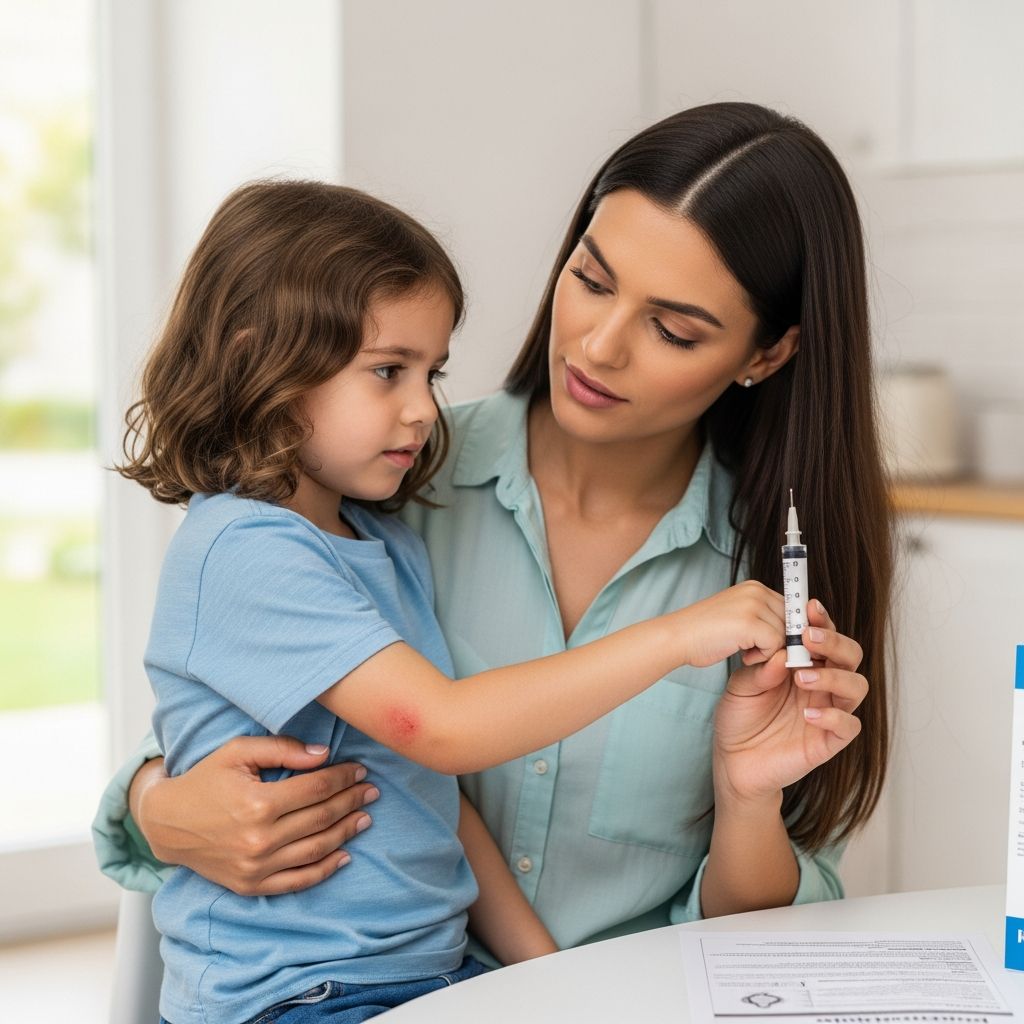
Severe allergic reactions, known as anaphylaxis, pose significant risks to children, affecting multiple body systems rapidly and potentially leading to life-threatening outcomes if not addressed immediately. Parents play a crucial role in early detection and response, with intramuscular epinephrine serving as the cornerstone of treatment to reverse symptoms effectively.
Understanding the Nature of Anaphylaxis in Young Patients
Anaphylaxis represents an acute, systemic allergic response triggered by allergens such as foods, insect stings, medications, or latex, manifesting within minutes to hours of exposure. In children, it frequently involves skin reactions like hives or swelling in 80-90% of cases, respiratory distress in 60-70%, and cardiovascular issues like low blood pressure in 10-30%. This multi-organ involvement underscores the urgency of intervention.
Infants and toddlers are particularly vulnerable, with studies showing that those with diagnosed food allergies and action plans receive epinephrine five times more often during reactions compared to undiagnosed cases. Biphasic reactions, where symptoms recur after initial improvement, further complicate management, necessitating prolonged observation.
Key Indicators of a Severe Allergic Episode
Recognizing anaphylaxis promptly can save lives. Parents must watch for specific signs across body systems. Acute onset after allergen exposure is a hallmark.
- Skin signs: Sudden hives, itching, flushing, or angioedema (swelling of lips, eyes, or tongue).
- Respiratory signs: Wheezing, shortness of breath, throat tightness, stridor (high-pitched breathing sound), or nasal congestion.
- Cardiovascular signs: Dizziness, fainting, rapid/weak pulse, or age-specific low blood pressure (e.g., systolic drop >30% in children).
- Gastrointestinal signs: Vomiting, crampy pain, or diarrhea persisting beyond mild upset.
Diagnosis criteria include involvement of skin plus respiratory or cardiovascular symptoms, or reduced blood pressure post-known allergen exposure. Mild itching alone rarely indicates anaphylaxis, but combined symptoms demand action.
Immediate Response Protocols for Parents
When anaphylaxis is suspected, time is critical—delays increase hospitalization or fatality risks. The first step is always epinephrine administration via auto-injector into the outer thigh muscle, not delayed for IV access or antihistamines.
- Administer epinephrine immediately (0.01 mg/kg, max 0.3 mg for kids).
- Call emergency services (911) while monitoring ABCs: Airway, Breathing, Circulation.
- Position child lying flat with legs elevated unless respiratory distress requires sitting up; turn vomiting child to side.
- Begin CPR if no breathing/pulse.
Antihistamines like diphenhydramine relieve mild symptoms but are inadequate for anaphylaxis due to slow action; they serve as adjuncts only. After epinephrine, symptoms may resolve temporarily, but hospital evaluation is mandatory for 4+ hours observation.
Epinephrine Auto-Injectors: Essential Tools for Families
Devices like EpiPen or Auvi-Q deliver precise IM doses quickly. Children at risk should carry two at all times—home, school, travel—with prescriptions based on weight. Training via demos ensures confident use; even through clothing, thigh injection works best.
Post-use, massage site 10 seconds, note time, and seek care. Expiration checks and trainer devices aid preparedness. Studies confirm action plans with epinephrine prescriptions boost treatment rates dramatically.
Developing a Robust Allergy Emergency Action Plan
A written plan, signed by a physician, outlines triggers, symptoms, treatments, and contacts. The American Academy of Pediatrics emphasizes epinephrine’s primacy over antihistamines. Customize for age, including infant dosing.
| Symptom Level | Actions | Medications/Doses |
|---|---|---|
| Mild (hives only) | Antihistamine; monitor | Cetirizine 2.5mg (2+ yrs) |
| Severe (breathing issues, swelling, low BP) | Epinephrine now; call 911 | 0.15mg (15-30kg); 0.3mg (>30kg) |
| Post-treatment | ER visit; observe 4hrs | Repeat epi if needed q5min |
Distribute to schools, caregivers, and sports coaches. Review annually or post-reaction.
Coordinating Care in Educational and Community Settings
Schools must stock undesignated epinephrine and train staff per state laws. Parents provide plans, photos, and meds. Teach children self-advocacy: “My throat itches; I need my EpiPen.” Field trips require duplicate kits.
- Meet school nurse yearly.
- Practice drills with mock scenarios.
- Label allergens clearly for meals.
Supportive Medical Interventions in Acute Care
In hospitals, protocols prioritize IM epinephrine (repeat q5-15min), oxygen, IV fluids for hypotension, and bronchodilators like albuterol for wheezing. Adjuncts include H1/H2 blockers (diphenhydramine 1mg/kg, ranitidine 1mg/kg) and corticosteroids (prednisone 1mg/kg) to curb late-phase reactions.
| Medication | Dose (Pediatric) | Purpose |
|---|---|---|
| Albuterol (nebulized) | 2.5-5mg | Respiratory relief |
| Diphenhydramine IM/IV | 1mg/kg (max 50mg) | Skin symptoms |
| Methylprednisolone IV | 1mg/kg (max 125mg) | Inflammation control |
Airway support prepares for intubation if needed. Discharge includes new prescriptions and allergy follow-up.
Prevention Tactics to Minimize Allergen Exposure
Avoidance is foundational: Read labels, inquire about ingredients, use medical alerts. For food allergies, introduce single allergens safely under guidance. Immunotherapy may desensitize some. Emergency kits travel everywhere.
Long-Term Oversight and Follow-Up Essentials
Post-reaction, allergist evaluation identifies triggers via testing. Update plans, train family. Monitor for asthma overlap, as it heightens risk. Education reduces fear, empowers action.
Frequently Asked Questions (FAQs)
What if symptoms improve after epinephrine?
Still go to the ER—biphasic reactions occur in up to 20% of cases, requiring monitoring.
Can antihistamines replace epinephrine?
No; they are too slow for anaphylaxis and do not address breathing or blood pressure issues.
How often should we replace auto-injectors?
Check expiration yearly; replace immediately if used or expired.
Is anaphylaxis common in infants?
Yes, especially food-related; action plans improve epinephrine use rates.
What if my child refuses the injector?
Practice with trainers; explain simply. In emergency, hold firmly—pain is brief vs. risk.
References
- Emergency treatment of anaphylaxis in infants and children — PMC/NCBI. 2011-02-01. https://pmc.ncbi.nlm.nih.gov/articles/PMC3043023/
- Create an Allergy and Anaphylaxis Emergency Plan — American Academy of Pediatrics (healthychildren.org). 2023-01-01. https://www.healthychildren.org/English/health-issues/conditions/allergies-asthma/Pages/Create-an-Allergy-and-Anaphylaxis-Emergency-Plan.aspx
- Anaphylaxis Clinical Pathway – Emergency Department — Children’s Hospital of Philadelphia (CHOP). 2024-01-01. https://www.chop.edu/clinical-pathway/anaphylaxis-emergent-care-clinical-pathway
- Anaphylaxis: Causes, Symptoms, Diagnosis & Treatment — Cleveland Clinic. 2024-06-12. https://my.clevelandclinic.org/health/diseases/8619-anaphylaxis
- Food Allergy Anaphylaxis in Infants and Toddlers — Asthma and Allergy Foundation of America (AAFA). 2023-01-01. https://aafa.org/asthma-allergy-research/our-research/food-allergy-anaphylaxis-in-infants/
- Allergic Reactions: What to Do — Nemours KidsHealth. 2024-01-01. https://kidshealth.org/en/parents/allergic-reaction-sheet.html
- Allergic and anaphylactic reactions — Royal Children’s Hospital Melbourne. 2023-01-01. https://www.rch.org.au/kidsinfo/fact_sheets/allergic_and_anaphylactic_reactions/