Chigger bites can turn a fun day outside into a very itchy experience for kids, but with the right information and a calm approach, parents can handle these bites safely and confidently.
What Exactly Are Chiggers?
Chiggers are the larval stage of a type of mite that lives outdoors in areas with grass, weeds, and low shrubs. They are extremely small and usually reddish or orange in color, making them hard to see with the naked eye. Instead of burrowing into the skin, they attach to the surface and feed briefly, then fall off.
These tiny creatures are most active during warm weather and are commonly found in fields, forests, near lakes, and in overgrown yards. Because they are so small and painless at the moment of contact, kids typically do not realize they have been bitten until the intense itching starts hours later.
Where Do Kids Usually Encounter Chiggers?
Children who enjoy outdoor play are naturally more likely to cross paths with chiggers, especially when they sit or lie directly on grass, leaves, or soil. Areas with tall grass, leaf piles, unmowed lawns, or brushy edges around paths are common habitats for these mites.
Chiggers tend to gather in clusters on the ground, so a child may walk through an area and come away with many bites, while a sibling just a few steps away is barely affected. They are often picked up during activities such as camping, hiking, playing in a field, or exploring along the edges of wooded trails.
Why Do Chigger Bites Itch So Much?
Chigger bites itch intensely because the larva injects saliva that breaks down the top layer of the skin, creating a tiny feeding tube. The body’s immune system reacts strongly to this saliva, leading to redness, swelling, and a powerful itch. The chigger does not remain in the skin; it typically falls off after feeding for a short period of time, but the body’s reaction continues.
The itching usually begins a few hours after exposure rather than immediately. For many children, the discomfort can last for several days, especially if there are many bites in one area or if the child’s skin is particularly sensitive.
How Chigger Bites Look on Children
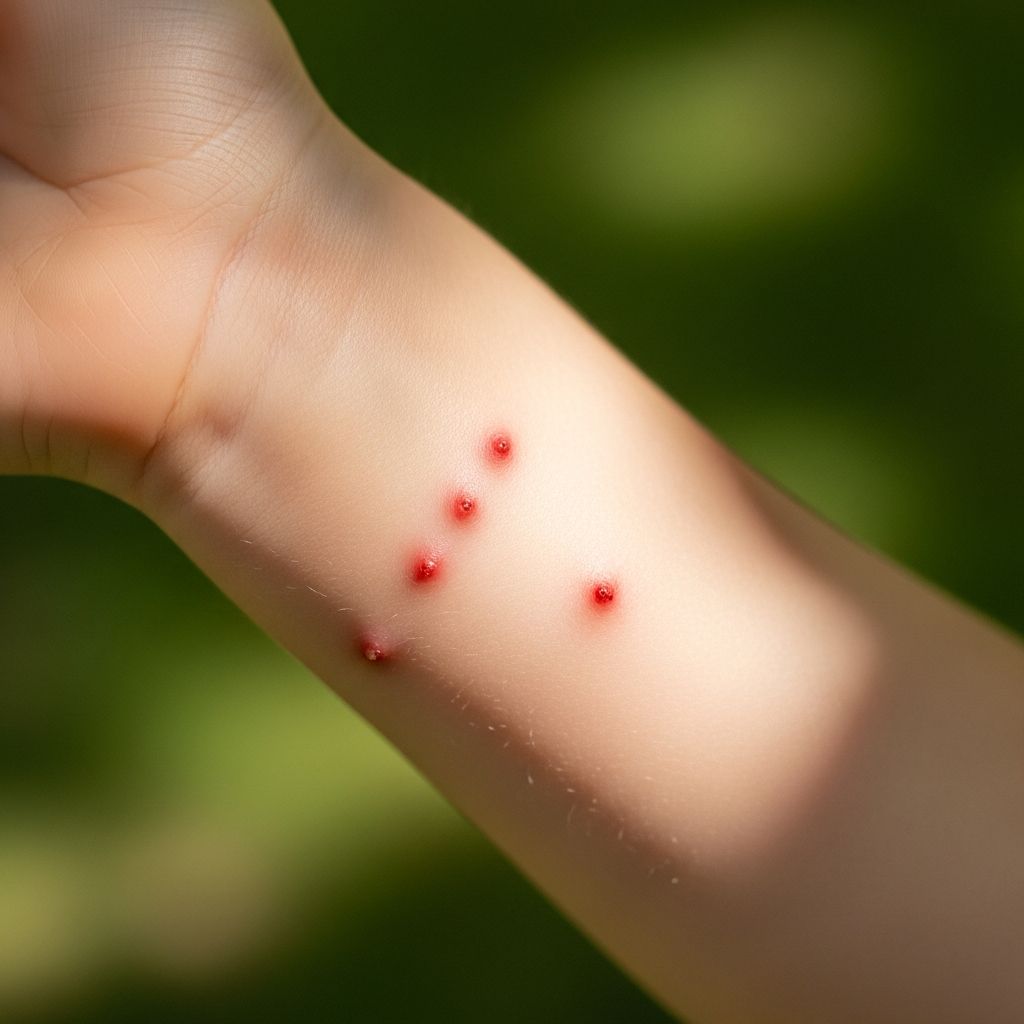
Chigger bites often appear as small, red bumps that may look like pimples or tiny blisters. They frequently show up in clusters or lines rather than as single isolated spots. Parents might also notice a darker or redder dot at the center of each bump.
These bites commonly appear:
- Around the waistline where clothing fits tightly, such as elastic bands on shorts or underwear.
- On ankles, behind the knees, or around sock or shoe lines.
- In warm, folded areas of skin such as the armpits or groin.
Unlike some other bites, chigger bites are usually not scattered randomly over the whole body but concentrated in the spots where the mites were trapped between skin and clothing.
Chigger Bites vs. Other Bug Bites
Parents often confuse chigger bites with mosquito, flea, or bedbug bites. While all can be itchy and red, there are a few clues that point specifically to chiggers. Location on the body, pattern of the bumps, and recent outdoor activity can help distinguish them.
The table below highlights some general differences to help parents think through what might be causing a child’s symptoms. This table is for guidance only and does not replace a medical diagnosis.
| Type of bite | Typical location | Common pattern | Key clue |
|---|---|---|---|
| Chigger | Waist, ankles, skin folds, areas under tight clothing | Clusters or lines of tiny red bumps with strong itching | Often appears after playing or hiking in tall grass or brush |
| Mosquito | Any exposed skin such as arms, legs, or face | Isolated or scattered raised bumps | Often noticed soon after outdoor exposure, especially near standing water |
| Flea | Lower legs, ankles, or areas under loose clothing | Small bumps, sometimes in groups around sock line | More common when pets or indoor infestations are present |
| Bedbug | Arms, back, neck, or legs | Linear clusters, sometimes called “breakfast, lunch, and dinner” lines | Usually appear after sleeping in an infested bed or furniture |
Common Symptoms Kids May Complain About
For most children, the main symptom of chigger bites is intense itching in the affected area. The itching may be worse at night when a child is trying to fall asleep and is more focused on the discomfort. Some kids also say the skin feels tight, hot, or slightly painful when clothing rubs over the bumps.
Other possible signs include:
- Red, raised, or swollen clusters of tiny bumps.
- A visible dot in the center of each bump.
- Scratches or broken skin from repeated itching.
Although the itching can be dramatic, most children remain otherwise well: they play, eat, and drink normally and do not have fever or other signs of serious illness.
Do Chiggers Stay in the Skin?
One of the biggest myths about chiggers is that they burrow into the skin and stay there, but this is not true. Chiggers stay on the surface of the skin, feed through their feeding tube for a short time, and then drop off. By the time parents see the rash, the mites are usually long gone.
This means parents do not need to try to suffocate chiggers with nail polish, petroleum jelly, or other products. These methods can irritate the skin and do not remove the cause of the irritation, which is the body’s reaction to saliva left behind at the bite site.
First Steps After Outdoor Play
If a child has been playing in a place where chiggers might live, quick action can reduce the number of bites and limit itching later. Parents do not need to wait until a rash appears to start simple protective steps.
Helpful immediate actions include:
- Have the child shower or bathe with warm water and soap as soon as possible after coming indoors.
- Pay close attention to skin folds, behind the knees, around the waist, and in the groin area while washing.
- Remove outdoor clothing and wash it in hot water before it is worn again.
These steps help remove any remaining chiggers from the skin and clothing, reducing the chance of further bites.
Home Treatment for Chigger Bites
Most chigger bites can be managed at home with simple measures that focus on easing discomfort and protecting the skin. The goal is to reduce itching, prevent damage from scratching, and support the skin while it heals naturally.
Parents can consider the following approaches, as long as their child does not have known allergies to any ingredients and the child’s healthcare provider has no objections:
- Cool compresses: Pressing a clean, cool washcloth on the bites for a few minutes at a time can calm itching and reduce swelling.
- Mild soap and water: Gently cleaning the area once or twice a day keeps the skin free of sweat and dirt that may worsen irritation.
- Anti-itch lotions or creams: Products made for itchy skin, such as calamine or other soothing formulas, may provide short-term relief.
- Over-the-counter hydrocortisone creams: When appropriate for the child’s age and with guidance from packaging or a healthcare professional, these creams can help reduce inflammation and itching.
- Oral allergy medicines: For older children, oral antihistamines may be suggested by a healthcare provider to reduce itching, particularly at night.
Parents should always read labels carefully and use only age-appropriate products in the recommended amounts.
Helping Kids Avoid Scratching
Scratching chigger bites can break the skin and increase the risk of infection, especially when a child’s nails are long or dirty. Because the itch can be overwhelming, children often scratch without realizing how much damage they are causing.
Parents can try several strategies to limit scratching:
- Keep fingernails trimmed short and cleaned regularly.
- Use soft cotton clothing or pajamas that cover the affected areas at night.
- Distract younger children with stories, toys, or calm activities at bedtime.
- Apply lotions or creams just before sleep to minimize itching during the night.
For very young children, using soft cotton mittens or socks over the hands for short periods may also reduce scratching while the child is asleep, as long as breathing and circulation are not restricted.
Possible Complications to Watch For
Most chigger bites heal without any lasting problem, but complications can arise if the skin is heavily scratched or if the child has very sensitive skin. Because the top layer of the skin can be damaged, bacteria can enter and cause a minor infection.
Warning signs of possible infection include:
- Increasing redness or warmth spreading beyond the original bumps.
- Yellow crust or pus at the site of scratching.
- Pain that is getting worse instead of better.
- Fever or a child who appears generally unwell.
If these signs appear, parents should contact a healthcare provider promptly, as antibiotics or other treatments may be needed.
When to Call a Doctor
Although chigger bites are usually a mild and temporary problem, certain situations warrant a call or visit to a healthcare professional. A doctor can confirm the cause of the rash, recommend appropriate treatments, and rule out more serious conditions.
Parents should seek medical advice if:
- The itching is so intense that the child cannot sleep or function during the day.
- Bites cover large areas of the body or appear in unusual places such as the face or eyes.
- Home treatment does not improve symptoms within a few days.
- There are signs of skin infection, such as spreading redness, warmth, or pus.
- The child has any trouble breathing, facial swelling, or other signs of an allergic reaction.
Bringing details about recent outdoor activities, travel, and any new soaps, lotions, or detergents can help the doctor make an accurate diagnosis.
Safe Prevention Strategies for Families
Preventing chigger bites is usually easier than treating them, especially for children who react strongly to the itch. With some planning and the right protective steps, families can still enjoy parks, camps, and backyards with much less risk.
Parents can reduce exposure to chiggers by:
- Encouraging children to stay on established trails instead of running through tall grass or brush.
- Having kids sit on blankets or chairs rather than directly on the ground.
- Keeping lawns mowed and clearing brush or leaf piles in areas where children play.
These actions reduce the number of places where chiggers can live and make contact with children less likely.
Protective Clothing and Repellents
Clothing choices can make a big difference in the likelihood of chigger bites. Covering the skin creates a barrier that is harder for mites to cross and gives parents more time to wash chiggers off after outdoor play.
Helpful clothing and repellent strategies include:
- Dressing children in long sleeves, long pants, and high socks in areas where chiggers are common.
- Tucking pant legs into socks and shirts into pants to limit access points.
- Using insect repellents labeled for chigger or mite protection, following age guidelines and instructions on the label.
- Washing treated skin after returning indoors, as directed by the product’s instructions.
Some families also treat shoes, socks, or outer clothing with products designed for fabrics, not skin; these should be used only exactly as labeled and kept safely away from children during application and drying.
Helping Kids Feel Less Anxious About Bites
Itchy bites can be scary for children, especially if they do not understand what caused them. Calm explanations help kids feel more secure and less likely to panic about every itch or bump.
Parents can reassure children by:
- Explaining that chigger bites are common and usually go away in a few days.
- Letting kids help with gentle home care, such as holding a cool cloth on their skin.
- Focusing on fun safety habits, like putting on “adventure socks” and “explorer pants” before going into the grass.
This approach turns protection into part of outdoor play rather than something to fear.
Frequently Asked Questions About Chigger Bites
1. Are chigger bites dangerous for children?
Most of the time, chigger bites are more annoying than dangerous. The main problem is intense itching and the risk of skin infection from scratching, not from the mites themselves. Serious illness related to chigger bites is rare in healthy children, but a healthcare provider should be involved if there are signs of infection or if the child seems unusually ill.
2. How long do chigger bites last?
Itching from chigger bites usually begins within several hours after exposure and can last for several days. In some children, especially those with sensitive skin or many bites, mild irritation may linger for a week or more. As long as the skin is cared for and not heavily scratched, the bumps typically fade without scarring.
3. Can chiggers spread from one person to another?
Chiggers do not spread directly from one person to another the way head lice or some infections do. Once the mites have finished feeding and fall off, they do not move from a child’s skin to siblings or parents. However, chiggers can remain on clothing or blankets that were in contact with the ground, which is why washing these items in hot water is recommended.
4. Do pets bring chiggers into the house?
Pets that roam in tall grass or wooded areas can pick up chiggers on their fur, potentially bringing them close to people. Regular grooming, use of appropriate veterinary flea and tick products, and limiting pets’ access to heavily infested outdoor areas can decrease the chance of chiggers coming inside. If a pet seems very itchy after outdoor time, a veterinarian can provide guidance.
5. Should nail polish or home remedies be used on chigger bites?
Covering chigger bites with nail polish, gasoline, or harsh chemicals is not safe and does not remove mites that have already fallen off. These approaches can irritate or damage the skin and may make the itching or risk of infection worse. It is safer to stick with gentle cleansing, cool compresses, and products specifically made to soothe itchy skin, and to consult a healthcare professional with any concerns.
6. Can a child still play outside after getting chigger bites?
Yes, children can continue to enjoy outdoor play once they are comfortable and protective steps are in place. Using appropriate clothing, choosing mowed or cleared areas, and applying recommended repellents can reduce the chance of new bites. Teaching kids to shower and change clothes after high-risk activities adds another layer of protection.
Key Takeaways for Busy Parents
Chigger bites are a common part of warm-weather outdoor life and, while very itchy, are usually manageable with home care. With an understanding of where chiggers live, how their bites look, and how to treat them gently, parents can keep their children more comfortable and confident outdoors.
By combining smart prevention, quick washing after outdoor adventures, and simple soothing treatments, families can focus less on scratching and more on enjoying nature together.