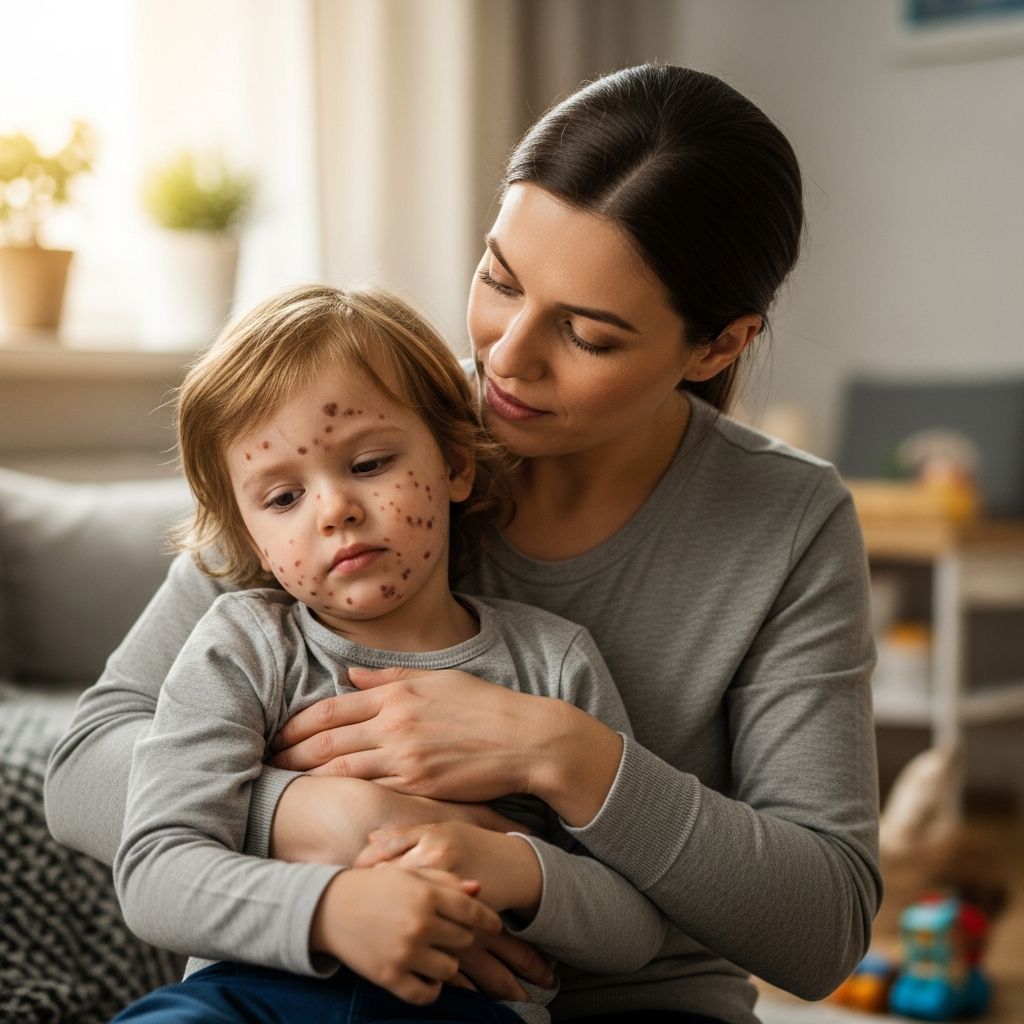
Chickenpox, caused by the varicella-zoster virus, remains a common childhood illness despite vaccination efforts. It spreads easily through airborne droplets or contact with rash fluid, typically affecting kids under 10 but possible at any age. Most cases resolve in 1-2 weeks with supportive care, though complications can arise in vulnerable groups.
Understanding the Chickenpox Virus
The varicella-zoster virus enters the body via respiratory tract or skin, incubating for 10-21 days before symptoms emerge. Once active, it multiplies rapidly, leading to widespread blister formation. After recovery, the virus hides in nerve cells, potentially reactivating later as shingles. Highly contagious from 1-2 days before rash onset until all lesions scab over—usually 5-7 days—parents must isolate affected children to curb spread.
Early Warning Signs Before the Rash
Chickenpox doesn’t start with spots. Initial clues include mild fever (100-102°F), fatigue, headache, and reduced appetite 1-2 days prior. Lymph nodes may swell, and kids often feel generally unwell. These prodromal symptoms signal the virus ramping up, preparing for the hallmark rash.
The Distinctive Chickenpox Rash Journey
The rash evolves in phases: first red spots appear on the trunk, face, and scalp, quickly turning into fluid-filled blisters within hours. These itch intensely and burst, forming crusty scabs that heal without scars if unscrambled. New crops emerge over days, so lesions at various stages coexist. On darker skin, spots may look brown or purple.
- Spots: Flat, red macules, 1/10 inch wide.
- Blisters: Clear, fluid-filled vesicles on red bases, fragile and prone to leaking.
- Scabs: Dark crusts that flake off after 5-7 days.
Mouth, genital, and eyelid blisters add discomfort, making eating painful.
Safe Strategies to Ease Itching and Discomfort
Itchiness drives kids to scratch, risking bacterial infections and scars. Focus on cooling and soothing measures.
Bath Time Relief Methods
Lukewarm baths every 3-4 hours soothe skin without spreading the virus. Add colloidal oatmeal (finely ground, not kitchen oats), baking soda (1 cup per tub), or Aveeno products. Soak 15-20 minutes, pat dry gently—no rubbing.
Topical Applications for Calm Skin
Calamine lotion dries blisters and cuts itch; apply post-bath, avoiding eyes. Fragrance-free anti-itch lotions or petroleum jelly protect raw spots. Skip antibiotic creams unless prescribed, as they may irritate.
Preventing Scratches and Infections
Trim nails short, use mittens or socks on hands at night. Oral antihistamines (age-appropriate, per label or doctor) reduce urge to scratch.
Handling Fever and Pain Effectively
Fever peaks early, alongside aches. Acetaminophen (Tylenol) controls temperature and eases discomfort—dose by weight, follow instructions.
| Medication | Use For | Warnings |
|---|---|---|
| Acetaminophen | Fever, pain | Safe first choice; check dose |
| Ibuprofen | Fever (if needed) | Avoid if possible; skin infection risk |
| Aspirin | Never | Reye’s syndrome risk |
Avoid aspirin entirely—linked to Reye’s syndrome, a rare but deadly liver-brain condition.
Caring for Mouth and Genital Sores
Oral blisters sting, curbing intake and risking dehydration. Offer cold, soft foods: yogurt, smoothies, applesauce, sugar-free popsicles. Skip acidic (OJ), salty, or spicy items. Genital creams from pharmacist aid those areas. Ensure fluids: water, electrolyte drinks. Watch for dehydration signs like dry mouth, no tears, scant urine.
Contagion Rules and Isolation Protocols
Keep child home from school/daycare until no new blisters and all scabbed—about 7 days. No public outings, even post-scab, for 5 days after first spots. Separate from newborns, pregnant women, immunocompromised.
Medical Interventions: When and What
Supportive care suffices for healthy kids. Antivirals (acyclovir) shorten duration if started within 24 hours of rash, recommended for teens, adults, pregnant, or high-risk kids. Doctor may prescribe if severe.
Spotting Complications Early
Seek urgent care for:
- Fever >102°F lasting 4+ days
- Pus-leaking, red/warm rash (infection)
- Stiff neck, confusion, breathing trouble, vomiting
- Severe cough, abdominal pain, hemorrhagic rash
- Any issue in infants <3 months, pregnant contacts
Bacterial skin infections, pneumonia, encephalitis are rare but serious.
Vaccination: The Top Defense
Two-dose varicella vaccine (12-15 months, 4-6 years) prevents 90% cases, 100% severe ones. Unvaccinated kids post-exposure may get vaccine to avert illness. Boosts immunity lifelong.
Special Concerns for At-Risk Groups
Pregnant women: Risk congenital varicella syndrome (birth defects). Newborns of infected mothers: neonatal chickenpox, often severe. Immunosuppressed: prolonged illness. Advise doctor immediately.
Frequently Asked Questions
Can chickenpox return?
No, but the virus may cause shingles later.
Is chickenpox milder in vaccinated kids?
Yes—breakthrough cases are fewer, milder.
How long is my child contagious?
Until all blisters scab, ~5-7 days.
Should I pop the blisters?
No—delays healing, invites infection.
Does chickenpox build lifelong immunity?
Usually, barring shingles reactivation.
Long-Term Outlook and Scarring Prevention
Healthy kids recover fully, gaining immunity. Minimize scars by avoiding picks/scratches. Hydration, nutrition, rest speed recovery. Most back to normal in 2 weeks.
Empower yourself with knowledge: prompt care prevents woes. Consult pediatrician for tailored advice.
References
- 7 Home Remedies for Chickenpox — Healthline. 2023-05-15. https://www.healthline.com/health/home-remedies-for-chickenpox
- How to care for a child with chickenpox — American Academy of Dermatology (AAD). 2024-02-10. https://www.aad.org/public/everyday-care/itchy-skin/rash/chicken-pox
- Chickenpox in children and teenagers — Raising Children Network. 2024-08-20. https://raisingchildren.net.au/guides/a-z-health-reference/chickenpox
- Doctor explains CHICKENPOX | Causes, Stages, Symptoms — YouTube (Dr. O’Donovan). 2023-11-12. https://www.youtube.com/watch?v=i2G90pK6OhI
- Chickenpox: Treatment & Care — Nemours KidsHealth. 2024-01-05. https://kidshealth.org/en/parents/chickenpox-sheet.html
- How to Treat Chickenpox — Centers for Disease Control and Prevention (CDC). 2025-03-18. https://www.cdc.gov/chickenpox/treatment/index.html
- Chickenpox: Causes, Symptoms, Treatment & Prevention — Cleveland Clinic. 2024-06-22. https://my.clevelandclinic.org/health/diseases/4017-chickenpox