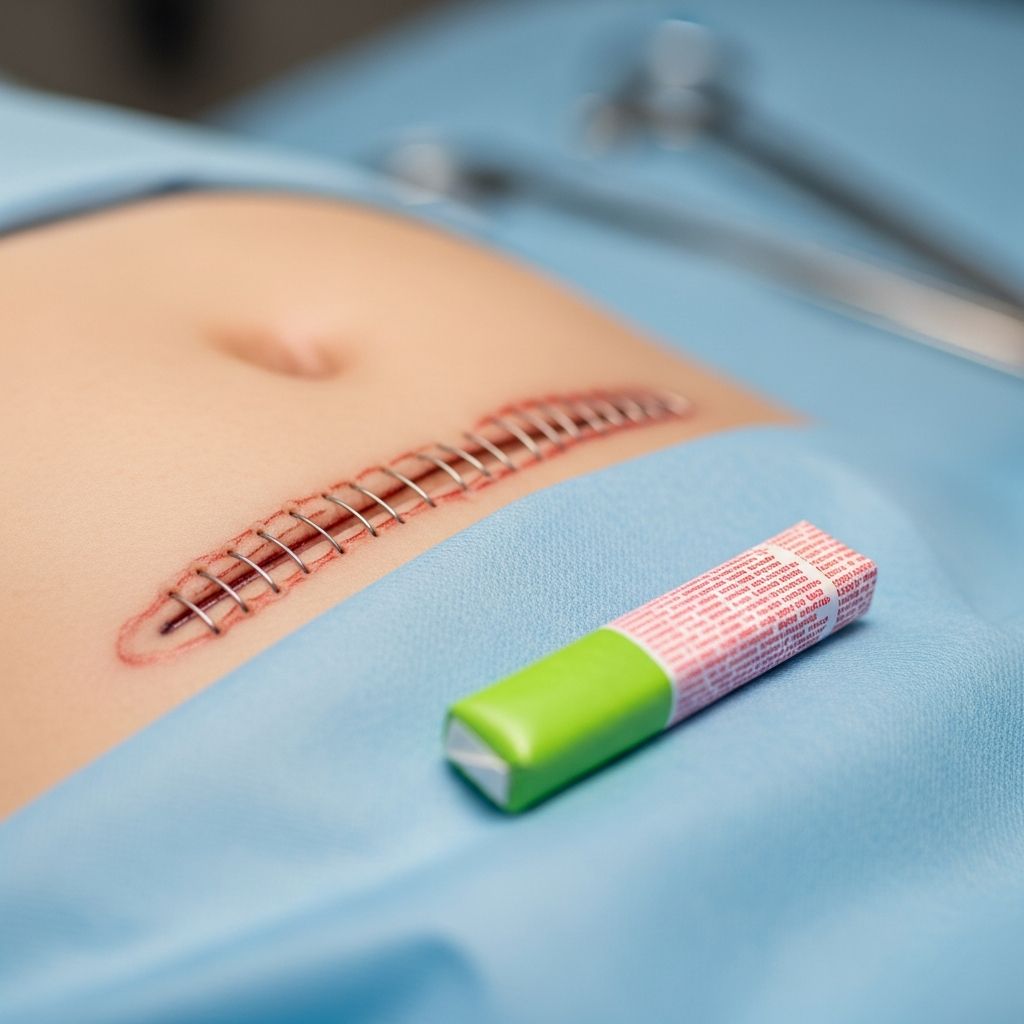
After a cesarean section, many women face delayed bowel function due to postoperative ileus, causing discomfort and extended hospital stays. Chewing gum offers a simple, evidence-based solution to stimulate gut motility, potentially allowing earlier discharge and improved comfort.
Understanding Postoperative Ileus in C-Section Patients
Postoperative ileus refers to temporary paralysis of the intestines following surgery, common after abdominal procedures like C-sections. Symptoms include bloating, nausea, vomiting, absent bowel sounds, and no passage of gas or stool. This condition arises from anesthesia, opioid painkillers, surgical manipulation of bowels, and fasting protocols, delaying oral intake and recovery.
In C-section cases, ileus affects up to 10-15% of patients severely, prolonging hospitalization by 1-2 days on average. Traditional management involves withholding food and fluids (NPO status) until flatus returns, IV fluids, and sometimes nasogastric tubes. These approaches, while standard, extend discomfort and healthcare costs without addressing ileus root causes.
How Chewing Gum Triggers Bowel Activity
Chewing gum mimics eating by activating the cephalic-vagal reflex: jaw movement and flavor stimulate saliva production, gastric juices, and gut hormones like motilin and gastrin. This non-caloric “sham feeding” promotes peristalsis—the wave-like muscle contractions moving food through intestines—without risking aspiration or overload on sluggish bowels.
Sugarless gum is ideal, as it avoids caloric intake while providing sustained stimulation. The mechanism, first noted in gastrointestinal surgeries over 20 years ago, translates effectively to obstetrics due to C-section’s similar intra-abdominal impacts.
Clinical Evidence: Key Findings from Meta-Analyses
A landmark Cochrane review aggregated 13 randomized controlled trials (RCTs) involving 2,399 women post-C-section. Those chewing gum experienced first flatus 7.09 hours earlier (95% CI -9.27 to -4.91; very low-quality evidence due to high heterogeneity and bias risks). Consistency held across subgroups: elective vs. emergency C-sections, primary vs. repeat, early vs. delayed gum start (up to 12 hours post-op), and feeding protocols.
Time to first defecation shortened by 9.22 hours (11 studies, 2,016 women; 95% CI -11.49 to -6.95). Hospital stay reduced by 0.36 days (about 8.6 hours; 7 studies, 1,489 women; 95% CI -0.53 to -0.18). Ileus incidence dropped over 60% (RR 0.39; 95% CI 0.19-0.80; 4 studies, 1,139 participants; low-quality evidence).
| Outcome | Gum Chewing Effect | Studies/Participants | Evidence Quality |
|---|---|---|---|
| First Flatus | -7.09 hours | 13/2,399 | Very low |
| First Defecation | -9.22 hours | 11/2,016 | Very low |
| Hospital Stay | -0.36 days | 7/1,489 | Low |
| Ileus Risk | RR 0.39 (61% lower) | 4/1,139 | Low |
Additional benefits included fewer nausea/vomiting episodes (RR 0.33) and earlier hunger sensation, enhancing maternal satisfaction indirectly.
Practical Guidelines for Gum Chewing Protocols
- Timing: Start immediately post-op or within 12 hours, once alert and nausea-free.
- Duration/Frequency: 15-60 minutes per session, 3-6+ times daily. No optimal regimen established; flexibility key.
- Type: Sugar-free to prevent insulin spikes or dental issues; flavors like mint for palatability.
- Monitoring: Track flatus, bowel sounds, and tolerance. Discontinue if jaw pain or aversion occurs (rare, <1%).
Regimens varied across trials without impacting efficacy, suggesting broad applicability. Combine with early ambulation and feeding for synergistic effects.
Safety Profile and Potential Drawbacks
Gum chewing proved safe: only 3/925 women reported discomfort (jaw ache, bad taste), no aspiration, choking, or allergic issues. Low-quality evidence confirms tolerability, with no excess adverse events vs. controls. Contraindications minimal—avoid in swallowing disorders or gum allergies. Unlike prokinetics (e.g., metoclopramide), it carries no pharmacological risks.
Limitations: Self-reported outcomes risk bias; blinding impossible (obvious intervention). High heterogeneity (I²=92-95%) tempers confidence, warranting larger RCTs.
Broader Recovery Benefits Beyond Bowels
Accelerated gut recovery enables earlier oral intake, reducing IV dependency and thrombotic risks from immobility. Shorter stays lower infection odds and costs—potentially $1,000+ savings per case. Psychological gains: faster bonding with baby, reduced separation anxiety.
A 2024 Cureus study (recent as of 2026 context) affirmed significant gut motility gains post-C-section, aligning with prior meta-analyses.
Implementing Gum Chewing in Hospitals
Many units now standardize this: protocols bundle gum with enhanced recovery after surgery (ERAS) pathways, including early feeding and multimodal analgesia. Nurse education ensures compliance; patient info sheets boost acceptance. Cost negligible (gum packets < $0.10/use).
Barriers: tradition-bound NPO practices, unawareness. Advocacy via guidelines (e.g., ACOG potential endorsement) could normalize it.
Patient Stories and Real-World Impact
Women report feeling “human again” sooner—gas passage signals normalcy amid postpartum haze. One trial noted improved mood correlating with bowel return. While anecdotes, they underscore comfort gains unmeasured in trials.
Frequently Asked Questions
What type of gum is best after C-section?
Sugar-free varieties like xylitol-based gums; avoid sticky or sugary types to prevent dental issues or aspiration risks.
How soon can I start chewing gum post-op?
Immediately after recovery from anesthesia if no nausea; studies show benefits even starting 12 hours later.
Will gum chewing affect breastfeeding?
No evidence of interference; sugar-free gum is safe and non-caloric.
Can everyone do this after C-section?
Most yes, barring allergies, jaw issues, or swallowing problems. Consult your care team.
Does it work for emergency C-sections too?
Yes, subgroup analyses confirm efficacy in elective and non-elective cases.
Future Research Directions
Optimal protocols (e.g., exact sessions/day) need refinement. Long-term outcomes like satisfaction, cost analyses, and combos with probiotics warrant study. Pediatric C-sections or high-risk cohorts (e.g., obesity) remain underexplored.
Despite evidence gaps, gum chewing’s risk-benefit ratio strongly favors routine use in modern obstetrics.
References
- Chewing gum for enhancing early recovery of bowel function after caesarean section. — Cochrane Database Syst Rev (PMC). 2019-04-15. https://pmc.ncbi.nlm.nih.gov/articles/PMC6472604/
- Does chewing gum after caesarean section lead to quicker recovery of bowel function? — Cochrane. 2019-04-30. https://www.cochrane.org/evidence/CD011562_does-chewing-gum-after-caesarean-section-lead-quicker-recovery-bowel-function
- Gum chewing stimulates early return of bowel motility after caesarean section. — BJOG (Wiley). 2009-08-01. https://obgyn.onlinelibrary.wiley.com/doi/10.1111/j.1471-0528.2009.02225.x
- Could Chewing Gum Speed Recovery Following Cesarean Section? — OB/G Project. 2018-08-28. https://www.obgproject.com/2018/08/28/could-chewing-gum-speed-recovery-following-cesarean-section/
- Role of Gum Chewing in Post-operative Gut Motility After Caesarean Section. — Cureus. 2024-10-01. https://www.cureus.com/articles/395643-role-of-gum-chewing-in-post-operative-gut-motility-after-caesarean-section