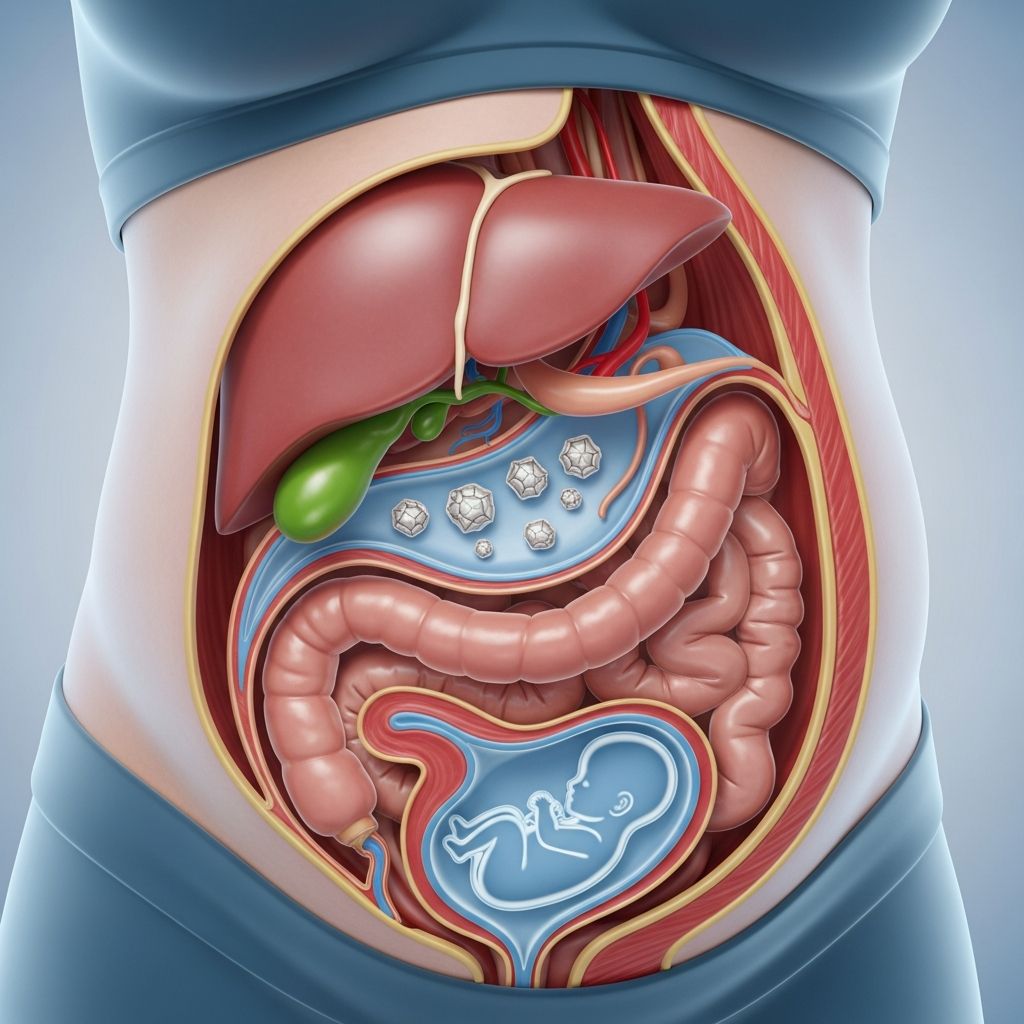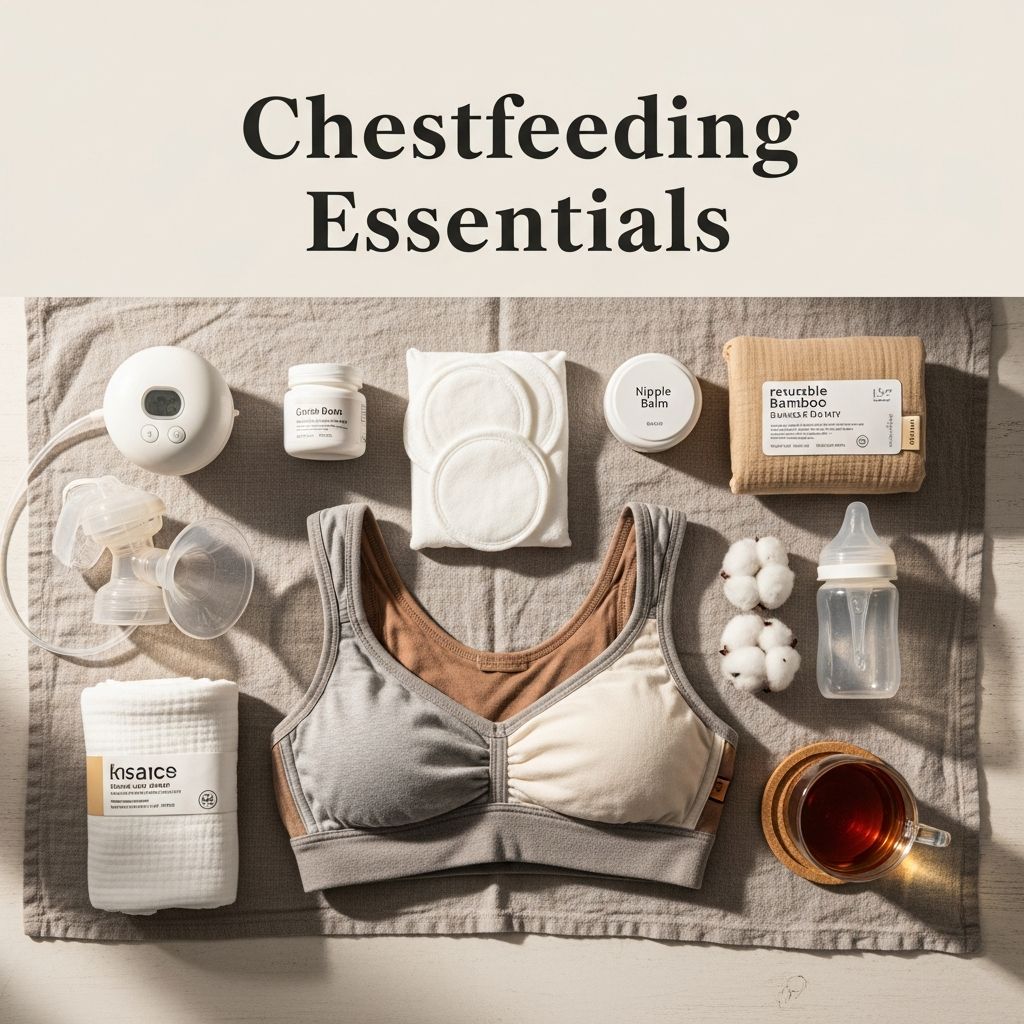
Chestfeeding represents a vital, adaptable method of infant nutrition that prioritizes both health outcomes and family diversity. This practice involves feeding a baby directly from the parent’s chest, providing essential milk rich in antibodies and tailored nutrients while promoting profound emotional connections.
Defining Chestfeeding in Modern Parenting
Chestfeeding refers to the act of a parent offering milk from their chest to an infant, a term intentionally designed to encompass all caregivers regardless of gender identity or anatomy. It gained prominence as an inclusive alternative to traditional terminology, welcoming transgender men, nonbinary individuals, and others who lactate. Unlike formula feeding, chestfeeding delivers live, dynamic milk that evolves with the baby’s needs—from nutrient-dense colostrum in the early days to mature milk supporting rapid growth.
This approach extends beyond nutrition. Even in cases of low milk supply, the physical closeness offers non-nutritive benefits like soothing cries, easing discomfort, and stimulating natural reflexes. Parents report heightened calmness from hormone releases during sessions, making it a cornerstone of early bonding.
Health Advantages for Infants
Infants who chestfeed receive unparalleled protection and developmental support. Human milk’s composition—packed with probiotics, antibodies, and adjustable nutrients—fortifies the gut microbiome, aiding digestion and long-term immunity.
- Immune Boost: Antibodies reduce risks of infections like diarrhea, respiratory illnesses, ear infections, and severe conditions such as bacterial meningitis or necrotizing enterocolitis.
- Respiratory and Chronic Protection: Lower incidence of pneumonia, RSV, asthma, allergies, whooping cough, and retinopathy of prematurity.
- Long-Term Wellness: Decreased chances of SIDS, childhood leukemia, type 1/2 diabetes, obesity, and improved dental health.
- Brain and Growth Support: Enhanced neurodevelopment, higher IQ potential, and self-regulated eating habits via leptin hormone, promoting healthy weight lifelong.
The American Academy of Pediatrics endorses exclusive chestfeeding for the first six months, noting only about 25% of U.S. infants achieve this despite targets for broader adoption. Milk adapts daily, even within feedings, ensuring optimal hydration and calories.
Benefits for the Lactating Parent
Chestfeeding aids postpartum recovery through hormonal mechanisms. Oxytocin contractions shrink the uterus, minimizing bleeding and accelerating return to pre-pregnancy size while burning calories for weight loss.
| Benefit | Mechanism | Outcomes |
|---|---|---|
| Uterine Recovery | Oxytocin release | Faster involution, reduced hemorrhage |
| Mental Health | Prolactin and oxytocin | Lower postpartum depression risk, increased confidence |
| Chronic Disease Prevention | Sustained lactation | Reduced breast/ovarian cancer, type 2 diabetes, hypertension |
| Bonding and Convenience | Skin-to-skin contact | Stronger emotional ties, easier travel |
Prolactin fosters relaxation, potentially cutting postpartum depression odds. Economically, it eliminates formula costs, bottle prep, and waste, with environmental perks from less packaging. Parents enjoy portable feeding, simplifying outings.
Practical Guidance for Successful Chestfeeding
Starting chestfeeding requires preparation and patience. Position the baby chest-to-chest for optimal latch: mouth wide, lips flanged, covering most areola. Frequent sessions—8-12 daily for newborns—build supply via demand.
- Skin-to-Skin: Enhances milk ejection and comfort; undress baby against your bare chest post-birth.
- Hydration and Nutrition: Drink water abundantly; eat calorie-rich foods like oats, nuts, and leafy greens to sustain production.
- Pumping Support: Use if separating from baby; store milk properly for later feeds.
- Comfort Measures: Warm compresses for engorgement; varied positions like football hold for cesarean recoveries.
For diverse parents, hormone therapies may influence supply; consult lactation experts early. Non-nutritive sucking comforts without milk flow, aiding reflux or sleep.
Navigating Common Obstacles
Challenges like sore nipples, engorgement, or perceived low supply affect many. Nipple pain often stems from shallow latches—seek help promptly. Mastitis, an infection risk, presents as flu-like symptoms; antibiotics and continued feeding resolve most cases.
Supply worries are common but rarely absolute; stress impacts prolactin. Galactagogues like fenugreek or professional assessment help. Formula supplementation preserves bonding if needed.
Inclusive challenges for trans/nonbinary parents include affirming language and medical support. Communities provide tailored advice, emphasizing chestfeeding’s emotional rewards regardless of volume.
Chestfeeding in Inclusive Family Dynamics
Chestfeeding transcends biology, empowering all parents. Transgender men on testosterone may pause treatments to lactate, sharing equal feeding roles. Nonbinary parents normalize chest use, fostering gender-neutral parenting narratives.
Partners bond via skin contact during sessions. Cultural shifts amplify visibility, with policies supporting pumping and public feeding. Global health bodies like WHO advocate for inclusivity in promotion.
Long-Term Impacts and Societal Value
Chestfeeding’s ripple effects span lifetimes. Babies gain cognitive edges; parents, sustained health. Public health savings from fewer illnesses underscore its worth—fewer doctor visits, hospitalizations.
Society benefits from empowered families. Exclusive feeding rates lag; education boosts adoption. Environmental gains include reduced formula production emissions.
Frequently Asked Questions
Can anyone chestfeed?
Yes, anyone capable of lactating can chestfeed, including transgender and nonbinary parents. Even low supply offers bonding benefits.
How long should chestfeeding last?
AAP recommends six months exclusive, then continued with solids up to two years or longer as desired.
What if I experience pain?
Pain signals latch issues; consult a specialist. Most resolve quickly with adjustments.
Does chestfeeding affect medication?
Many are safe; check with providers. Resources like LactMed guide compatibility.
Is chestfeeding free?
It saves on formula but requires time and supportive gear like pumps.
References
- Our Top 10 Benefits of Breastfeeding/Chestfeeding for Birthing Parent and Baby with Tips and Tricks — Babies in Bloom. 2023. https://www.babies-in-bloom.com/our-top-10-benefits-of-breastfeeding-chestfeeding-for-birthing-parent-and-baby-with-tips-and-tricks/
- Chestfeeding — ECU Health. 2024. https://healthlibrary.ecuhealth.org/RelatedItems/3,16306
- Benefits of Breastfeeding (Chestfeeding) — Mass General Brigham. 2024-05-01. https://www.massgeneralbrigham.org/en/about/newsroom/articles/breastfeeding-benefits
- Latest information on infant breast/chestfeeding — VA News. 2022-08-10. https://news.va.gov/134143/latest-information-infant-breast-chestfeeding/
- What is chestfeeding and why is it important? — Healthline. 2023. https://www.healthline.com/health/chestfeeding