Chest pain alarms parents when it strikes a child, but in kids and teens, it’s rarely a sign of heart trouble. Most episodes arise from everyday issues like muscle tweaks or stress, resolving without intervention. This guide breaks down typical triggers, symptoms to monitor, and steps for evaluation to ease worries and ensure safety.
Why Chest Pain Occurs More Often in Young People
Active lifestyles expose children to strains from sports, rough play, or growth spurts that pull on chest tissues. Emotional pressures from school or social life can manifest physically too. Unlike adults, where cardiac risks dominate, pediatric cases lean heavily toward non-serious origins—musculoskeletal problems account for up to 68% of instances.
Understanding this shifts focus from panic to practical assessment. Parents can spot patterns by noting pain triggers, duration, and companions like coughs or breathlessness.
Everyday Musculoskeletal Triggers
The chest wall—muscles, ribs, and cartilage—bears the brunt of daily activity. Here’s how common issues unfold:
- Muscle Strain or Spasms: Vigorous play, sports, or heavy coughing tightens chest muscles, causing sharp aches that worsen with movement or deep breaths. These fade in hours or days with rest.
- Costochondritis: Inflammation where ribs meet the breastbone creates localized tenderness, often from repetitive motion or minor injury. Pressing the spot reproduces the pain, and it eases with anti-inflammatories.
- Precordial Catch Syndrome (PCS): A fleeting, stabbing sensation near the heart, lasting seconds to minutes, strikes without warning, especially in school-age kids. It ties to nerve pinches or muscle twitches and vanishes with a deep breath—no lasting harm.
These dominate visits to clinics, with PCS alone explaining many sudden complaints in adolescents.
Gastrointestinal Sources of Discomfort
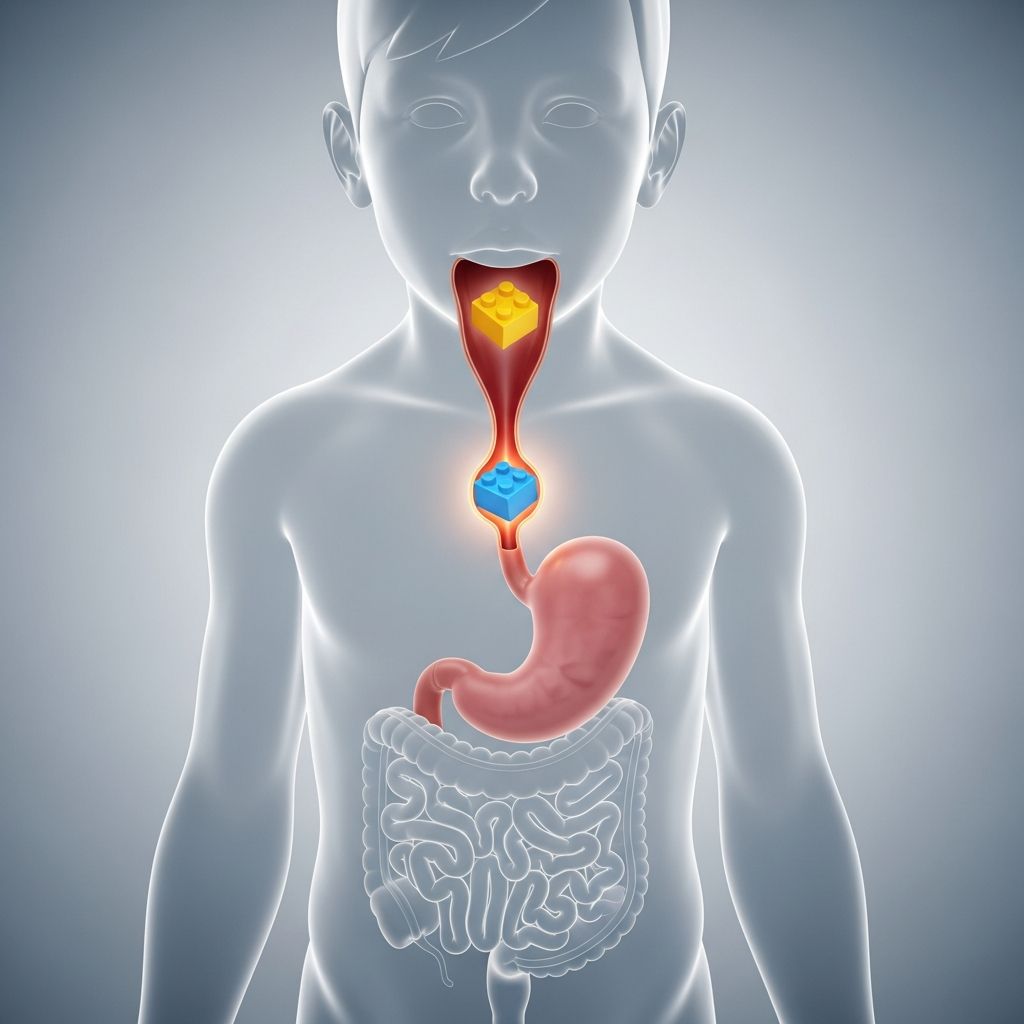
Stomach woes mimic heart pain through the esophagus. Acid reflux (GERD) sends burning up the chest post-meals, worsened by lying flat. Constipation or swallowed objects can press nerves, radiating unease.
| Condition | Symptoms | Triggers | Relief Tips |
|---|---|---|---|
| GERD/Heartburn | Burning in chest/throat | Spicy foods, overeating | Small meals, upright posture |
| Esophagitis | Raw sensation on swallow | Acid backup, infections | Antacids, soft diet |
| Foreign Body | Sudden sharp pain | Swallowed items | Urgent imaging |
Gastro issues make up 2-8% of cases but respond well to lifestyle tweaks or meds.
Breathing-Related Chest Issues
Lung and airway problems add tightness or stabs, often with coughs or wheezes. Asthma flares constrict airways during exercise; infections like pneumonia inflame linings (pleuritis). Rarer events include pneumothorax—air leaks causing collapse—or pneumomediastinum from intense coughing.
- Asthma: Wheezy pain after running, eased by inhalers.
- Pleuritis: Sharp jabs on inhale, linked to viruses.
- Pneumothorax: Sudden dyspnea in tall, thin teens.
These demand quick checks if breathing falters.
When Emotions Play a Role
Stress or anxiety tightens the chest, mimicking physical hurt. Kids under exam pressure or family tension report dull aches or butterflies that peak during worry. Process of elimination often reveals this after ruling out bodily causes.
Supportive talks and relaxation techniques help, but persistent cases warrant counseling.
Uncommon but Serious Cardiac Concerns
Heart origins are rare (<5%), yet vital to exclude. Watch for:
- Pericarditis: Inflamed heart sac from viruses causes sharp pain easing when leaning forward, plus fever.
- Coronary Anomalies: Twisted vessels limit oxygen, sparking exertion pain or fainting. Kawasaki disease scars arteries.
- Cardiomyopathy: Thickened muscle strains supply, rare in youth.
- Aortic Issues: Aneurysms in Marfan syndrome stretch vessels.
Family heart history or palpitations heighten risks.
Recognizing Urgent Red Flags
Not all pains need ER trips, but these signal action:
- Pain with exercise, fainting, or irregular beats.
- Shortness of breath, rapid breathing, or pallor.
- Fever, rash, swelling, or abdominal pain.
- Persistent pain >15 minutes or recurrent nightly.
Err on caution: Sudden severe pain means immediate care.
How Doctors Evaluate Chest Pain
Assessment starts with history: pain site, onset, radiation, relievers. Exam checks vitals, listens to lungs/heart, probes tender spots. Tests if warranted:
- ECG for rhythms.
- Chest X-ray for lungs/bones.
- Echo for heart structure.
- Bloodwork for inflammation.
Most need no imaging; reassurance suffices.
Home Management Strategies
For mild, likely benign pain:
- Rest and ice inflamed areas.
- Over-the-counter pain relievers like ibuprofen (age-appropriate doses).
- Encourage hydration, loose clothes.
- Track symptoms in a journal.
Avoid if red flags appear—call pediatrician.
Preventing Recurrences
Build habits: Warm-ups before sports, stress outlets like mindfulness, balanced diets to curb reflux. Posture matters—slouching strains chests.
Annual checkups catch risks early.
Frequently Asked Questions
Is chest pain ever normal in kids?
Yes, often from activity or growth; monitor if it lingers.
How long should I wait before seeing a doctor?
Immediately for severe symptoms; otherwise, if over days.
Can anxiety really cause chest pain?
Absolutely—it triggers muscle tension mimicking heart issues.
What’s precordial catch syndrome?
Benign sharp twinges lasting minutes, common in youth.
Does costochondritis need special treatment?
Rest and NSAIDs usually resolve it fully.
References
- Chest Pain in Kids and Teens — Nemours KidsHealth. 2023. https://kidshealth.org/en/parents/chest-pain.html
- Approaches to Pediatric Chest Pain: A Narrative Review — PMC/NCBI. 2024-10-15. https://pmc.ncbi.nlm.nih.gov/articles/PMC11594360/
- Chest Pain in Children: Common Causes & When to Be Concerned — American Academy of Pediatrics. 2023. https://www.healthychildren.org/English/health-issues/conditions/heart/Pages/Chest-Pain-in-Children.aspx
- Chest Pain in Children | Causes & FAQs for Parents — Cincinnati Children’s Hospital. 2024. https://www.cincinnatichildrens.org/health/c/chest-pain
- Sharp chest pain? Your child might have PCS — Texas Children’s Hospital. 2023-05-12. https://www.texaschildrens.org/content/wellness/sharp-chest-pain-your-child-might-have-pcs
- Chest Pain in Children: When Should You Worry? — Cardiology Lancaster. 2024. https://www.cardiologylancaster.com/post/chest-pain-in-children-when-should-you-worry
- Pediatric Chest Pain: A Guide for General Healthcare Providers — Norton Healthcare. 2024-08-20. https://nortonhealthcareprovider.com/news/pediatric-chest-pain-a-guide-for-general-healthcare-providers