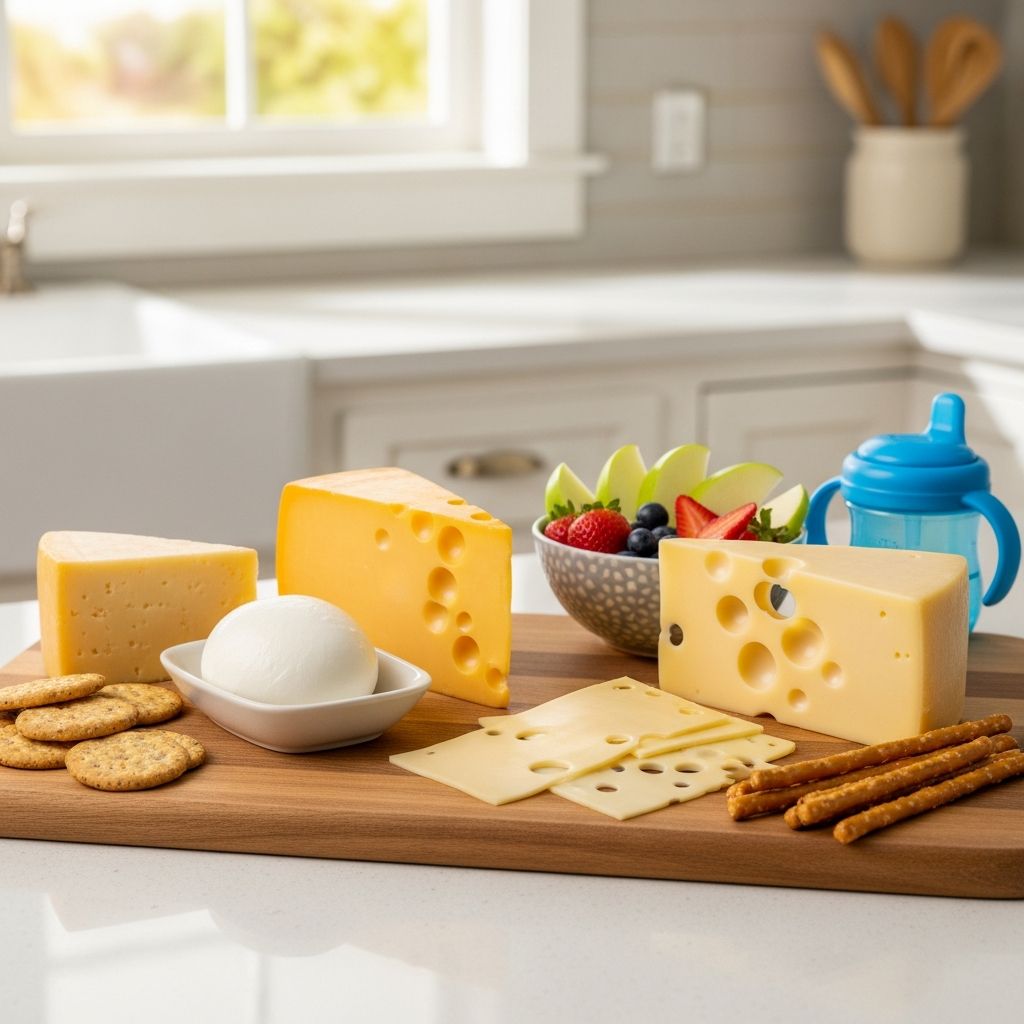
Cheese shows up in many children’s favorite foods, from grilled cheese sandwiches to pizza toppings and pasta bakes. Parents often wonder whether this popular ingredient is as healthy as it is tasty, and how to use it wisely in everyday meals. This guide explains how cheese fits into a child’s diet, what nutrients it provides, how much is appropriate, and what to know about safety, allergies, and lactose intolerance.
Why Cheese Matters in a Child’s Diet
Cheese is more than just a flavorful topping. It provides several key nutrients that support growth and development when eaten in sensible amounts.
Key Nutritional Benefits
- Calcium: Essential for building strong bones and teeth, especially during childhood and adolescence, when bone mass is rapidly increasing.
- Protein: Helps build and repair tissues, and supports muscle growth and immune function.
- Fat: Supplies energy and helps the body absorb fat-soluble vitamins such as vitamins A, D, E, and K.
- Vitamin A: Supports vision, immune health, and normal growth.
- Vitamin B12: Important for red blood cell formation and brain and nervous system function.
Because of this nutrient mix, cheese can help children meet their daily needs for calcium and protein, particularly if they are otherwise picky eaters.
How Cheese Fits into Daily Dairy Needs
Health organizations typically recommend 2–3 servings of dairy per day for children, depending on age. Each serving can be met by a variety of foods such as milk, yogurt, or cheese.
| Age Group | Approximate Dairy Recommendation* | Example Cheese Equivalent |
|---|---|---|
| 1–3 years | About 2 cup-equivalents/day | Up to 1.5–2 oz (40–55 g) cheese spread across meals |
| 4–8 years | About 2.5 cup-equivalents/day | Around 2–2.5 oz (55–70 g) cheese per day, with other dairy |
| 9–13 years | About 3 cup-equivalents/day | Up to 3 oz (85 g) cheese per day if balanced with milk/yogurt |
*Dairy recommendations can vary by country and by a child’s overall diet and health status. Ask your child’s health care provider for personalized guidance.
The Upside and Downside of Cheese for Kids
Cheese is nutritious, but it is not perfect. It is important to weigh both its advantages and potential drawbacks when planning meals.
Benefits of Including Cheese
- Supports bone development due to its high calcium content.
- Provides long-lasting energy from protein and fat, which helps kids stay full between meals.
- Boosts overall nutrient intake for children who drink little milk or do not like yogurt.
- Easy to serve: portable, does not require cooking, and can be added to many dishes.
- Can improve diet quality when used to enhance vegetables or whole grains, such as grated cheese on steamed broccoli or whole-wheat pasta.
Potential Concerns
- High in saturated fat: Many cheeses contain significant saturated fat, which, in large amounts, may influence heart health over time.
- High in sodium: Some varieties, especially processed cheese slices and snack cheeses, can be quite salty.
- Calorie-dense: Small amounts pack considerable calories, which can add up quickly in children with lower energy needs.
- Possible triggers for allergies or lactose intolerance in sensitive children.
These issues do not mean cheese must be avoided. Instead, they suggest that parents should focus on portion control, choose less processed options, and consider the child’s total diet.
Portion Size: How Much Cheese Is Enough?
Serving sizes for cheese can be confusing because it is often shredded, sliced, or melted into dishes. A simple way to think about it is that 1.5–2 ounces (about 40–55 grams) of hard cheese roughly equals one cup-equivalent of milk in terms of dairy servings.
Kid-Friendly Portion Guides
- For toddlers (1–3 years): A portion about the size of two small dominoes or two adult thumbs pressed together.
- For younger school-age children (4–8 years): Around two to three domino-sized pieces or a small matchbox-sized block of cheese.
- For older children and teens: Portions can be slightly larger but should still be measured rather than eaten directly from the package.
Remember that cheese in cooked dishes—such as lasagna or pizza—also contributes to the daily total. When possible, estimate how much cheese is in each serving of a recipe to avoid going overboard.
Choosing the Right Cheese for Your Family
Not all cheeses are the same. The type you choose can make a meaningful difference in fat, salt, and calorie content.
Types of Cheese Commonly Served to Kids
- Hard and semi-hard cheeses: Cheddar, Colby, Swiss, Gouda, Monterey Jack. These are popular in sandwiches and snacks.
- Soft cheeses: Mozzarella, ricotta, cream cheese, cottage cheese. These often have a milder taste, which many children prefer.
- Processed cheeses: Cheese slices, spreads, and some boxed macaroni-and-cheese products. These may contain added sodium, stabilizers, and other ingredients.
What to Look for on Labels
Food labels can help you choose options that fit into a healthy eating pattern for children.
- Lower sodium: Compare brands and select cheeses with less sodium per serving when possible.
- Reasonable saturated fat: Choose regular cheese but pay attention to fat content; or use reduced-fat versions where taste and texture are acceptable for your child.
- Short ingredient lists: Natural cheeses usually contain only milk, cultures, salt, and enzymes. These are often less processed than products labeled as “cheese food” or “cheese product.”
- Pasteurized milk: For young children, especially under age 5, stick with cheeses made from pasteurized milk to reduce the risk of foodborne illness.
When Lower-Fat Options Make Sense
For children who already have a diet high in saturated fat or who are at increased risk of heart disease later in life, health professionals often recommend lower-fat dairy choices, especially after age 2. In those cases, partially skimmed cheese or naturally lower-fat cheeses like part-skim mozzarella can be good compromises, as long as the child still enjoys eating them.
Cheese Safety: What Parents Need to Know
Safe handling and appropriate cheese choices are especially important for babies and young children, who are more vulnerable to foodborne illness.
Raw vs. Pasteurized Cheese
- Raw-milk cheeses are made from unpasteurized milk. These can carry harmful bacteria such as Listeria monocytogenes and Salmonella, which can cause serious illness.
- Pasteurized cheeses are heated to kill most bacteria and are considered safer for children.
Health agencies generally advise that children, pregnant people, older adults, and those with weakened immune systems avoid unpasteurized cheeses.
Storing and Handling Cheese Safely
- Keep cheese refrigerated at 40°F (4°C) or below and return it to the refrigerator promptly after serving.
- Use clean utensils and cutting boards to prevent cross-contamination with raw meat or unwashed produce.
- Check expiration or “use by” dates and discard cheese that smells off, looks unusually slimy, or has mold not intended for that variety.
- For shredded or sliced cheese placed in lunch boxes, use an ice pack or insulated container to keep it cool until lunchtime.
Cheese, Lactose Intolerance, and Milk Allergy
Some children react poorly to dairy, and parents may wonder if cheese is safe or appropriate in those cases. The answer depends on the type of problem.
Lactose Intolerance
Lactose intolerance occurs when the body does not make enough lactase, the enzyme needed to digest lactose (milk sugar). Symptoms can include gas, bloating, stomach cramps, and diarrhea after eating dairy.
- Hard cheeses such as cheddar or Swiss usually contain less lactose than milk or ice cream, so some lactose-intolerant children may tolerate small amounts.
- Lactose-free cheeses and other lactose-free dairy products are also available and can help children meet their calcium and protein needs.
- If your child regularly has symptoms after eating cheese, consult a health care provider or dietitian before making major diet changes.
Milk Allergy
A milk allergy is an immune reaction to proteins in cow’s milk and can cause hives, vomiting, trouble breathing, or more severe symptoms. It is different from lactose intolerance and may be life-threatening.
- Children with diagnosed milk allergy generally need to avoid all forms of cow’s milk and dairy, including cheese, unless told otherwise by an allergist.
- Non-dairy alternatives, such as fortified soy beverages, can provide calcium and protein, but labels should be carefully checked.
- Always follow your allergist’s advice about emergency medications such as epinephrine.
Making Cheese a Smart Part of Meals and Snacks
Once you understand portion sizes and safety basics, cheese can be included in a variety of balanced, kid-friendly meals.
Ideas for Balanced Snacks
- Small cubes of cheese with sliced fruit and whole-grain crackers.
- Cottage cheese with berries or pineapple pieces.
- Grated cheese sprinkled on top of warm vegetables.
- A thin slice of cheese in a whole-wheat sandwich with plenty of vegetables.
Try to pair cheese with fruits, vegetables, or whole grains, rather than serving it alone. This combination adds fiber and extra vitamins to your child’s snack or meal.
Tips for Everyday Cooking
- Use smaller amounts of strongly flavored cheeses (like sharp cheddar or Parmesan) to add taste without large portions.
- Add cheese at the end of cooking so it melts and seems more abundant.
- Mix cheese with vegetables in casseroles, omelets, or quesadillas to encourage children to try new foods.
- Limit extra cheese on foods that are already high in fat and salt, such as pepperoni pizza or creamy pasta sauces.
Frequently Asked Questions About Kids and Cheese
Is cheese healthy for kids to eat every day?
Cheese can be part of a healthy daily diet as long as portions are reasonable and the rest of your child’s meals include fruits, vegetables, whole grains, and lean proteins. Aim to stay within age-appropriate dairy recommendations and choose less processed cheeses when possible.
What kind of cheese is best for young children?
Pasteurized cheeses with mild flavors and a softer texture—such as part-skim mozzarella, mild cheddar, cottage cheese, or ricotta—are usually good choices. These are easier to chew, versatile in recipes, and can be sliced or grated into small, manageable pieces.
Can babies have cheese?
In many guidelines, small amounts of pasteurized cheese may be introduced once an infant is developmentally ready for solid foods and has tolerated a few other foods, but recommendations vary. Parents should discuss timing and appropriate cheese types with their pediatrician, especially if there is a family history of food allergies.
How can I reduce the salt and fat my child gets from cheese?
Offer cheese in smaller portions, use flavorful varieties so you can serve less, and balance them with low-sodium, low-fat foods such as fresh fruits and vegetables. Check nutrition labels and limit very salty or heavily processed cheeses.
What if my child does not like milk but enjoys cheese?
Cheese can help cover some of the calcium and protein that milk would usually provide, but it is still important to watch portion sizes and total saturated fat. A registered dietitian or pediatric health provider can help you build a balanced meal plan that includes cheese and other sources of calcium, such as yogurt or fortified non-dairy beverages.
References
- Food Sources of Calcium — National Institutes of Health, Office of Dietary Supplements. 2022-04-26. https://ods.od.nih.gov/factsheets/Calcium-Consumer/
- Dairy Group — U.S. Department of Agriculture, MyPlate. 2021-06-01. https://www.myplate.gov/eat-healthy/dairy
- Dietary Guidelines for Americans, 2020–2025 — U.S. Department of Agriculture & U.S. Department of Health and Human Services. 2020-12-29. https://www.dietaryguidelines.gov/resources/2020-2025-dietary-guidelines-online-materials
- Food Safety for Babies and Toddlers — U.S. Food and Drug Administration. 2021-10-01. https://www.fda.gov/food/people-risk-foodborne-illness/food-safety-babies-and-toddlers
- Lactose Intolerance in Children — American Academy of Pediatrics (HealthyChildren.org). 2019-11-21. https://www.healthychildren.org/English/healthy-living/nutrition/Pages/Lactose-Intolerance-in-Children.aspx