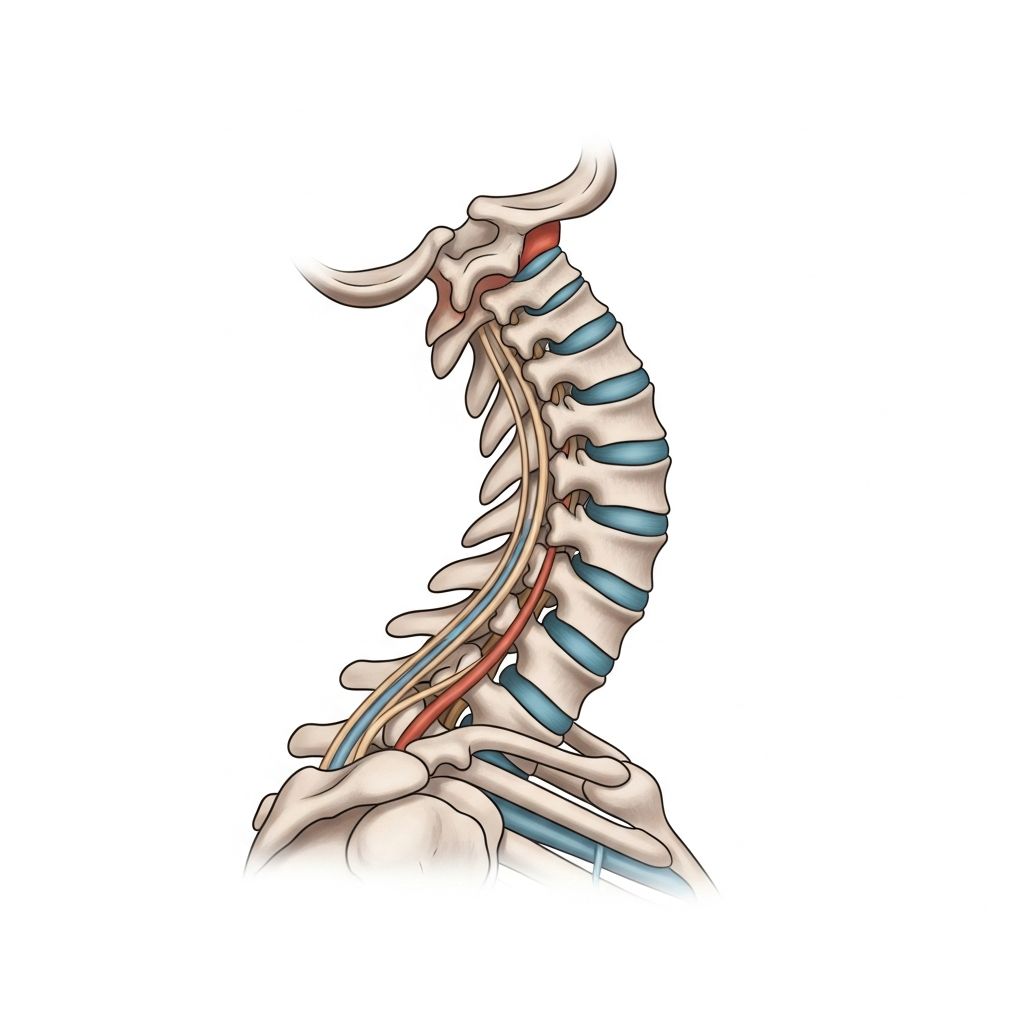
What Is Cervical Kyphosis in Children?
Cervical kyphosis is a spinal condition that affects the neck region in children. Normally, the cervical spine (the seven vertebrae in the neck) has a gentle inward curve, which helps support the head and allows for smooth movement. In cervical kyphosis, this natural curve is lost or reversed, causing the neck to bend forward in an abnormal way. This change can affect how a child holds their head, moves their neck, and even how they interact with their environment.
While some degree of spinal curvature is normal, cervical kyphosis refers to a more pronounced or abnormal forward bend. It can develop for a variety of reasons, including congenital factors, injuries, certain medical conditions, or prolonged poor posture. In children, this condition is less common than other spinal issues like scoliosis, but it still requires careful attention because of its potential impact on growth, movement, and nerve function.
Recognizing the Signs in Everyday Life
Parents are often the first to notice changes in their child’s posture or movement. Cervical kyphosis may not always cause obvious pain, especially in the early stages, so subtle behavioral and physical clues can be important.
Here are some signs that may suggest cervical kyphosis:
- A visible forward bend or rounding in the neck area
- Difficulty looking up at the sky, whiteboard, or TV screen
- Frequent complaints of neck discomfort or stiffness
- Headaches, especially at the base of the skull or behind the eyes
- Reduced ability to turn the head side to side or look over the shoulder
- Leaning forward while sitting or standing, even when not using screens
- Complaints of tingling, numbness, or weakness in the arms or hands
- Changes in handwriting or difficulty with fine motor tasks like buttoning clothes
- Unusual walking patterns or balance issues in more advanced cases
- Problems with bladder or bowel control (rare, but serious and requires immediate medical attention)
Because children are still growing, their bodies may compensate for spinal changes in ways that adults cannot. This can make symptoms less obvious at first, but over time, the strain on muscles, nerves, and joints can become more apparent.
Common Causes and Risk Factors
Cervical kyphosis in children can arise from several different causes. Understanding these helps in both prevention and treatment planning.
Congenital and Developmental Factors
Some children are born with structural differences in the vertebrae that can lead to an abnormal neck curve. These may include fused vertebrae, incomplete formation of bones, or other spinal malformations present from birth. These conditions are usually identified early, often during routine checkups or imaging for other concerns.
Injuries and Trauma
Fractures, dislocations, or severe sprains in the neck area can disrupt the normal alignment of the cervical spine. Sports injuries, falls, or accidents involving the head and neck can increase the risk, especially if not properly treated or rehabilitated.
Medical Conditions
Certain health conditions can contribute to or worsen cervical kyphosis. These include:
- Spinal infections or inflammation
- Neuromuscular disorders (such as cerebral palsy or muscular dystrophy)
- Connective tissue disorders
- Previous spinal surgeries or treatments that affect spinal stability
Posture and Lifestyle Influences
While not the sole cause, prolonged poor posture—especially from excessive screen time, slouching, or carrying heavy backpacks—can place extra stress on the cervical spine. Over time, this may contribute to changes in spinal alignment, particularly in children whose bones and muscles are still developing.
When to Seek Medical Evaluation
Not every child with a slightly rounded neck has cervical kyphosis, but certain situations should prompt a visit to a pediatrician or spine specialist.
Consider seeking medical advice if your child:
- Has a noticeable change in neck posture that doesn’t improve with reminders to sit up straight
- Complains of persistent neck pain, headaches, or arm discomfort
- Shows signs of weakness, numbness, or tingling in the arms or hands
- Has difficulty with balance, walking, or coordination
- Experiences changes in bladder or bowel control
- Has a history of spinal injury, surgery, or a chronic medical condition affecting the spine
Early evaluation is important because it allows for timely diagnosis and intervention, which can help prevent complications and support healthy spinal development.
How Doctors Diagnose Cervical Kyphosis
Diagnosing cervical kyphosis involves a combination of physical examination and imaging studies.
Physical Assessment
A doctor will observe how the child holds their head and neck, check the range of motion, and look for any visible deformities. They may ask the child to perform simple movements like turning the head, looking up, or shrugging the shoulders to assess strength and flexibility.
Neurological Screening
Because the cervical spine houses the spinal cord and nerve roots, a neurological exam is often part of the evaluation. This may include testing reflexes, muscle strength, sensation in the arms and hands, and coordination.
Imaging Tests
To confirm the diagnosis and understand the severity, imaging is usually needed:
- X-rays: Provide a clear view of the bones and the curve of the cervical spine.
- MRI (Magnetic Resonance Imaging): Shows soft tissues, including the spinal cord, nerves, and discs, which helps determine if there is any compression.
- CT scans: Sometimes used for more detailed bone imaging, especially if there are complex structural issues.
These tests help the medical team decide whether the kyphosis is mild, moderate, or severe, and whether it is affecting the spinal cord or nerves.
Approaches to Treatment and Management
Treatment for cervical kyphosis depends on the cause, severity, and whether there are any neurological symptoms. The goal is to relieve discomfort, prevent progression, and support normal growth and function.
Non-Surgical Options
For many children, especially those with mild to moderate kyphosis and no nerve involvement, non-surgical approaches are the first line of treatment.
- Physical therapy: A physical therapist can design exercises to strengthen neck and upper back muscles, improve posture, and increase flexibility.
- Posture training: Teaching proper sitting, standing, and screen habits can reduce strain on the cervical spine.
- Pain management: Over-the-counter pain relievers, heat or ice, and activity modification may help manage discomfort.
- Bracing: In some cases, a cervical collar or brace may be recommended to support the neck and limit movement while healing or to prevent worsening of the curve.
Surgical Considerations
Surgery is not common in children with cervical kyphosis but may be considered if:
- The curve is severe and progressive
- There is evidence of spinal cord or nerve compression
- There are significant neurological symptoms (weakness, loss of function, or bowel/bladder issues)
- Non-surgical treatments have not been effective
Surgical options may include spinal fusion, instrumentation (rods, screws), or decompression procedures to relieve pressure on the spinal cord. These decisions are made carefully by a pediatric spine specialist, often in consultation with neurology and rehabilitation teams.
Supporting Your Child at Home and School
Parents play a crucial role in helping a child with cervical kyphosis manage daily life and maintain a positive outlook.
Creating a Supportive Environment
- Ensure desks, chairs, and computer screens are at the right height to promote good posture.
- Encourage regular breaks from screens and sedentary activities.
- Limit heavy backpacks and encourage the use of both straps or rolling bags.
- Support participation in safe, low-impact physical activities as recommended by the care team.
Emotional and Social Support
Children may feel self-conscious about their posture or limitations. Open communication, reassurance, and involving them in treatment decisions can build confidence. If needed, talking with a counselor or joining a support group can help both the child and family cope with the emotional aspects of a chronic condition.
Working with the School
Informing teachers and school staff about the condition can help ensure accommodations, such as:
- Seating near the front of the classroom
- Extra time for writing or fine motor tasks if needed
- Permission to take breaks or adjust posture during long lessons
- Access to assistive tools if recommended by therapists
Long-Term Outlook and Follow-Up
The long-term outlook for children with cervical kyphosis varies widely depending on the cause and severity. Many children with mild cases do very well with conservative management and go on to lead active, healthy lives.
Regular follow-up with a pediatric spine specialist is important to monitor the curve, assess growth, and adjust treatment as needed. Imaging and clinical exams are typically repeated at intervals to track progress.
Key factors that influence long-term outcomes include:
- Early detection and intervention
- Consistency with therapy and posture habits
- Management of any underlying medical conditions
- Supportive family and school environment
Frequently Asked Questions
Can cervical kyphosis go away on its own?
In some mild cases, especially those related to posture, improvements can occur with physical therapy, posture correction, and lifestyle changes. However, structural or congenital kyphosis usually does not resolve completely without medical intervention and requires ongoing monitoring.
Is cervical kyphosis painful for children?
Some children may have little or no pain, especially early on. Others may experience neck discomfort, stiffness, or headaches, particularly after prolonged activity or poor posture. Pain tends to be more common in moderate to severe cases or when nerves are involved.
Can poor posture from using phones and tablets cause cervical kyphosis?
Poor posture alone is unlikely to cause true cervical kyphosis, but it can contribute to muscle strain, neck pain, and changes in spinal alignment over time. Encouraging healthy screen habits and good posture is important for overall spinal health, even if it doesn’t directly cause kyphosis.
How often should a child with cervical kyphosis see a doctor?
The frequency of visits depends on the severity and treatment plan. Children with mild cases may be seen every 6–12 months, while those with more significant curves or undergoing treatment may need more frequent checkups, sometimes every 3–6 months.
Can children with cervical kyphosis participate in sports?
Many children can safely participate in sports and physical activities, but this should be discussed with the care team. High-impact or contact sports may be restricted in some cases, especially if there is spinal instability or nerve involvement. Low-impact activities like swimming, walking, or cycling are often encouraged.
When to Seek Immediate Medical Help
While most cases of cervical kyphosis develop gradually, certain symptoms require urgent medical attention:
- Sudden weakness or inability to move arms or legs
- Loss of sensation in the arms, hands, or trunk
- Difficulty breathing or swallowing
- Problems with bladder or bowel control (incontinence or inability to urinate/defecate)
- Severe neck pain after an injury
These could indicate spinal cord compression or another serious issue and should be evaluated in an emergency setting.
References
- Cervical Kyphosis in Children: Diagnosis and Management — American Academy of Pediatrics. 2023. https://publications.aap.org/
- Spinal Deformities in Pediatric Patients — Scoliosis Research Society. 2022. https://www.srs.org/
- Guidelines for the Evaluation and Management of Pediatric Spine Conditions — Pediatric Orthopaedic Society of North America (POSNA). 2023. https://www.posna.org/