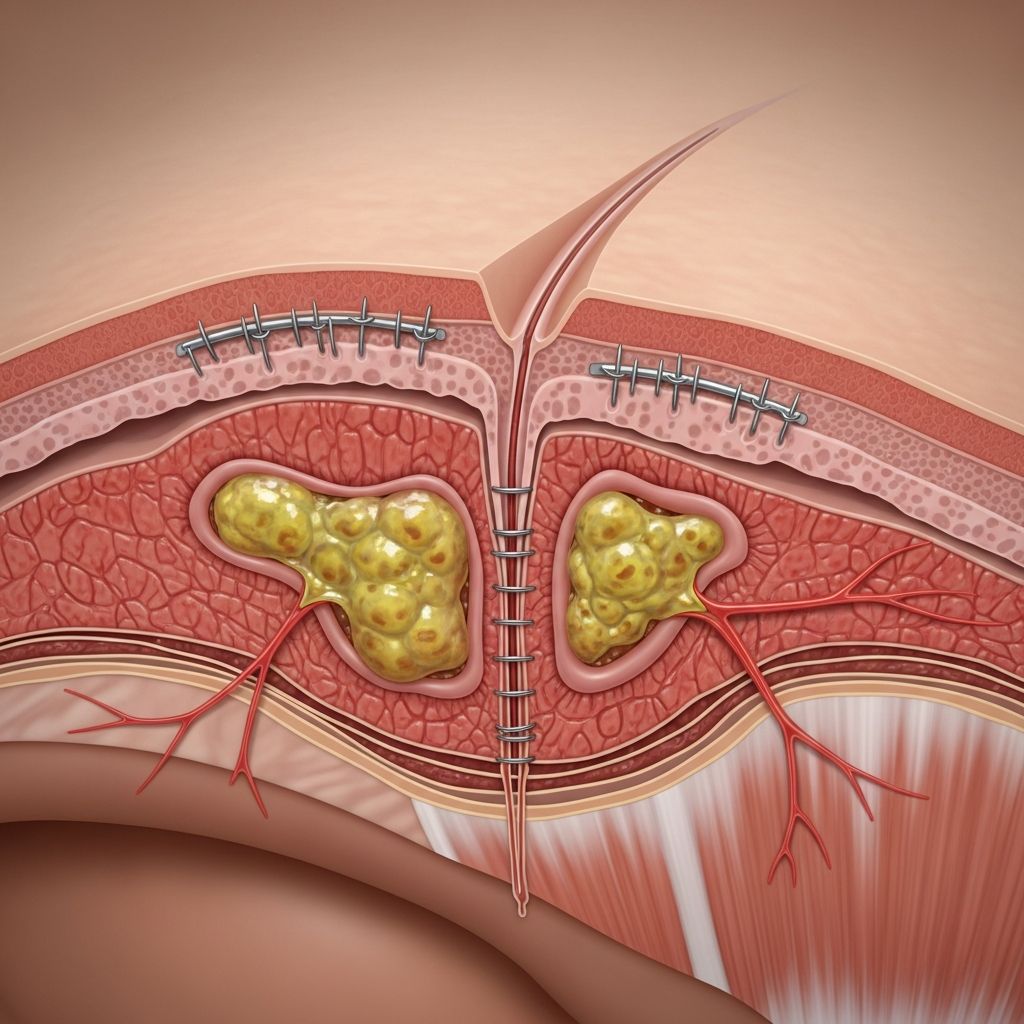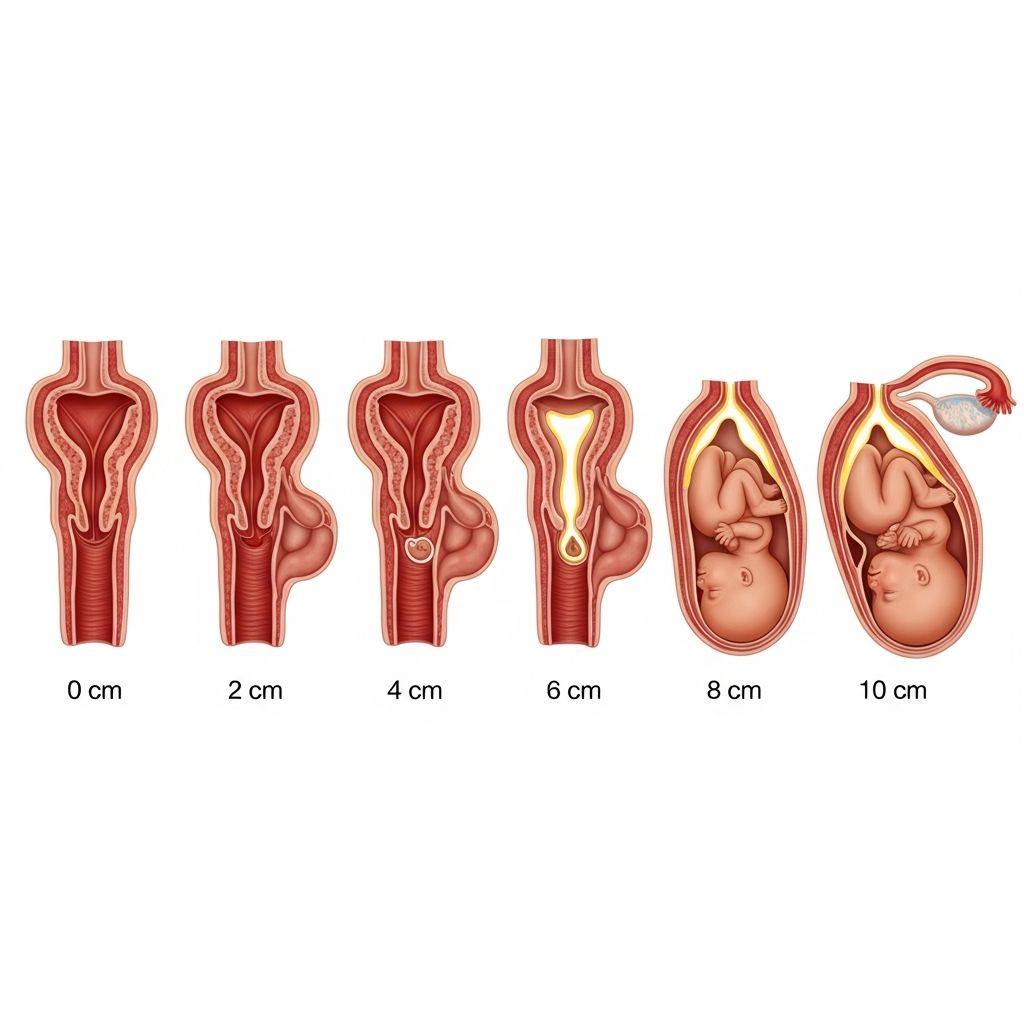
The journey of childbirth involves remarkable changes in the body, with cervical dilation serving as a key indicator of labor advancement. This process transforms the cervix from a closed barrier to a fully open passage at 10 centimeters, allowing the baby to pass through the birth canal. Full dilation marks the transition to pushing, typically after hours of contractions that gradually thin and widen the cervix—a companion process known as effacement.
Understanding the Cervix’s Role in Pregnancy and Birth
During pregnancy, the cervix acts as a protective gatekeeper, remaining firm, closed, and mucus-sealed to shield the uterus from infection. As term approaches, hormonal shifts and the baby’s descent into the pelvis trigger softening and initial changes. Dilation measures the cervical opening in centimeters (cm), from 0 cm (closed) to 10 cm (fully dilated for vaginal delivery), while effacement describes thinning from 0% (thick) to 100% (paper-thin). These occur simultaneously in the first stage of labor, the longest phase, divided into early, active, and transition subphases.
Healthcare providers assess progress via internal exams, tracking dilation alongside contraction patterns, fetal position, and station (baby’s descent level). Visual aids like dilation charts help demystify this invisible process, comparing openings to everyday objects for relatability.
Phases of Labor: Breaking Down Cervical Changes
Labor’s first stage dominates with cervical preparation, lasting 8-20 hours for first-time mothers and shorter for multiparous women. Contractions initiate these changes, driven by oxytocin and prostaglandin hormones.
Early Labor: The Preparation Phase (0-6 cm)
Early labor is subtle, with irregular contractions 5-30 minutes apart, lasting 30-45 seconds. The cervix dilates slowly from 0-6 cm while effacing up to 80-100%. This ‘latent’ phase can span 14-20 hours, allowing rest and mobility. Many women manage at home until contractions intensify.
- Key Signs: Mild cramping, lower backache, bloody show (mucus plug loss).
- Progress Rate: 0.5-1 cm/hour; slower for primiparas.
- Tips: Walk, hydrate, time contractions; contact provider if membranes rupture or bleeding occurs.
Active Labor: Acceleration Builds (6-10 cm)
Active labor ramps up at 6 cm, with contractions every 3-5 minutes, lasting 45-60 seconds. Dilation accelerates to 1-1.5 cm/hour, signaling hospital admission for most. Effacement nears completion, and the baby descends.
- Intensity: Stronger pain, managed via breathing, hydrotherapy, or epidurals.
- Duration: 4-8 hours typically.
- Monitoring: Frequent checks for fetal heart rate and progress.
Transition: The Intense Final Push (8-10 cm)
Transition is brief (30 minutes to 2 hours) but challenging, with dilation from 8-10 cm. Contractions peak every 2-3 minutes, lasting up to 90 seconds, often causing nausea, shaking, or emotional surges. An irresistible urge to push may emerge, though resisted until full dilation.
- Challenges: Overwhelm, rectal pressure; support from doulas/partners vital.
- Milestone: 10 cm = ready for second stage.
Visualizing Dilation: Everyday Object Comparisons
Abstract measurements become tangible with analogies, helping visualize the cervix’s expansion.
| Dilation (cm) | Visual Analogy | Labor Phase | Typical Sensations |
|---|---|---|---|
| 0-1 | Closed fist or cheerio | Pre-labor/Early | Braxton Hicks, spotting |
| 2 | Small grape | Early | Mild cramps |
| 3 | Quarter or banana slice | Early | Regular contractions start |
| 4 | Small cookie (Oreo) | Active | Intensifying pain |
| 5 | Mandarin orange | Active | Breathing techniques needed |
| 6 | Avocado or soda can top | Active | Closer contractions |
| 7 | Tomato | Active/Transition | Back labor possible |
| 8 | Apple | Transition | Nausea, shaking |
| 9 | Donut | Transition | Urge to push |
| 10 | Bagel or fist opening | Full | Push time |
This table illustrates progression; actual experience varies by individual factors like parity and interventions.
Cervical Effacement: The Thinning Companion
Effacement (% thinned) parallels dilation, from thick (0%) to translucent (100%). Early labor sees 50-80% effacement with minimal dilation; full effacement precedes rapid opening. Visuals show progression: closed cervix (figures A/B), 60% effaced/1-2 cm (C), 90%/4-5 cm (D), to fully open. Pressure from the baby’s head drives both processes.
Beyond Dilation: Full Labor Stages
Second Stage: Pushing and Delivery
At 10 cm, pushing begins, lasting 20 minutes to 3 hours. The baby crowns, emerges head-first, followed by shoulders and body. Episiotomies or tears may occur.
Third Stage: Placenta Delivery
Contractions expel the placenta within 5-30 minutes, completing vaginal birth.
Factors Affecting Dilation Speed
- First vs. Subsequent Births: Primiparas average 1 cm/hour active; multiparas faster.
- Positioning: Upright postures (walking, squatting) enhance progress.
- Interventions: Pitocin speeds dilation but risks overstimulation; epidurals may slow it slightly.
- Variations: Posterior babies or OP position prolong labor.
Monitoring Progress and When to Seek Help
Track contractions via apps; head to hospital at 4-1-1 rule (4 min apart, 1 min long, for 1 hour). Stalled dilation (<1 cm/4 hours) may prompt augmentation. Always report decreased fetal movement or fluid gush.
Preparation Strategies for Expectant Parents
Educate via classes, birth plans, and doulas. Practice positions, pain relief options (TENS, water birth), and partner support techniques. Mental prep reduces anxiety, aiding oxytocin flow.
Frequently Asked Questions
Can I dilate before true labor starts?
Yes, late pregnancy dilation (1-3 cm) is common without contractions, indicating readiness.
How do I know if I’m dilating at home?
Rely on contraction timing, bloody show, or water breaking; avoid self-checks to prevent infection.
What if labor stalls?
Providers may use membrane sweeping, walking, or medications; C-section if no progress after intervention.
Does epidural slow dilation?
It may extend active labor slightly but doesn’t halt it; benefits often outweigh.
Is 10 cm always needed for vaginal birth?
Yes for full-term babies; smaller for preemies occasionally.
Empowering Insights for a Confident Birth
Knowledge of dilation empowers choices, turning apprehension into anticipation. Every labor is unique—trust your body and team. Postpartum, the cervix closes swiftly, resuming its protective role.
References
- Cervix Dilation Chart: Stages of Labor — Healthline (Medically reviewed by Stacy A. Henigsman, DO). 2024-09-12. https://www.healthline.com/health/pregnancy/cervix-dilation-chart
- Cervix dilation chart: Stages of labor and what to expect — Medical News Today. 2023-01-20. https://www.medicalnewstoday.com/articles/322615
- Stages of labor and birth: Baby, it’s time! — Mayo Clinic. 2024-05-15. https://www.mayoclinic.org/healthy-lifestyle/labor-and-delivery/in-depth/stages-of-labor/art-20046545
- What is Dilation in Pregnancy? — American Pregnancy Association. 2023-11-01. https://americanpregnancy.org/healthy-pregnancy/labor-and-birth/what-is-dilation-in-pregnancy/
- Cervical Effacement and Dilatation — My Health Alberta. 2024-02-10. https://myhealth.alberta.ca/Health/pages/conditions.aspx?hwid=zx3441
- Stages of Labor — Cleveland Clinic. 2024-07-22. https://my.clevelandclinic.org/health/body/22640-stages-of-labor
- Cervical effacement and dilation — Mayo Clinic. 2023-08-05. https://www.mayoclinic.org/healthy-lifestyle/labor-and-delivery/multimedia/cervical-effacement-and-dilation/img-20006991