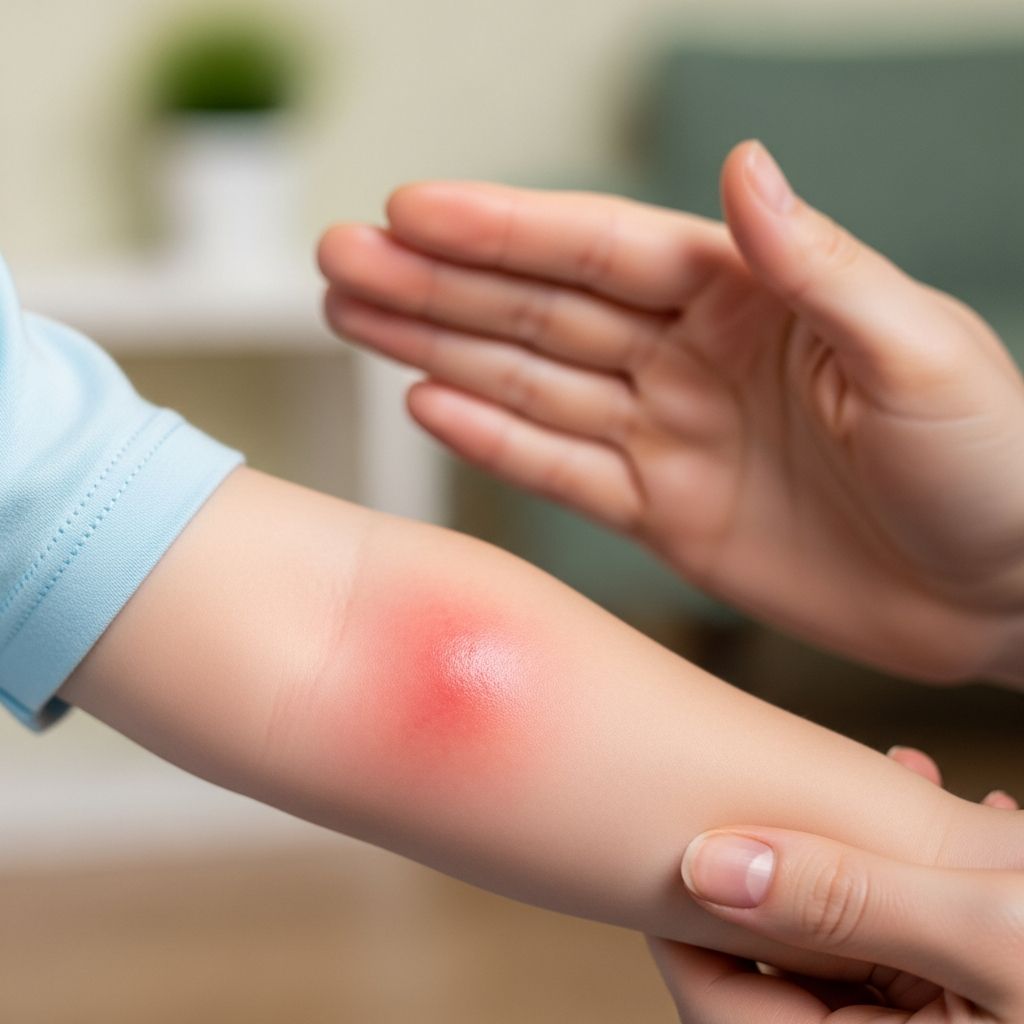
Cellulitis is a common skin infection in children, but it can sometimes become serious if it is not recognized and treated quickly. Understanding what to look for, how it is treated, and how to lower your child’s risk can help you respond calmly and confidently.
What Is Cellulitis?
Cellulitis is a bacterial infection that affects the deeper layers of the skin and the tissues just under the skin. It usually starts in one area, then may spread outward if the bacteria are not controlled by treatment. The skin often looks red, feels warm, and can be swollen and painful to touch.
In children, cellulitis most often appears on the legs, arms, or face, but it can develop on any part of the body where there has been a break in the skin. Even tiny cuts, insect bites, or scratches can provide an entry point for bacteria.
Why Children Get Cellulitis
Bacteria that normally live harmlessly on the skin can cause trouble if they slip through a break or weakness in the skin barrier. Once inside, they multiply in the soft tissues, triggering inflammation and infection.
Two main types of bacteria are usually involved:
- Streptococci (strep) – These bacteria often spread quickly across the skin.
- Staphylococci (staph) – These can form pockets of pus and sometimes include more resistant strains, such as MRSA.
Common Triggers and Risk Factors
Cellulitis does not appear out of nowhere. In many cases, there is a visible event or condition that makes infection more likely, although the initial break in the skin is not always easy to see.
Typical Entry Points for Infection
- Small cuts or scrapes from everyday play.
- Insect bites, especially if they are scratched open.
- Animal bites or scratches.
- Blisters, burns, or other skin injuries.
- Cracked or dry skin around the feet or hands.
Underlying Conditions That Raise Risk
- Skin conditions like eczema or dermatitis that cause itching and open sores.
- Repeated fungal infections of the feet or toes, which can break the skin.
- Weakened immune system due to chronic illness, certain medicines, or recent serious infections.
- Poor circulation or swelling in a limb, which can make it harder for the body to fight infection.
Early Warning Signs Parents Should Notice
Spotting cellulitis early gives your child the best chance of a fast recovery. Parents often first notice that an area of skin simply “does not look right” or seems more sore than expected for a minor injury.
Local Skin Changes
- Red patch of skin that may spread over hours or days.
- Swelling that makes the area look puffy or tense.
- Warmth when you feel the area with the back of your hand.
- Pain or tenderness, especially when the area is touched or when your child moves.
- Shiny or tight-looking skin; sometimes small blisters or oozing.
Whole-Body Symptoms
- Fever or chills.
- Tiredness, less energy, or unusual fussiness in younger children.
- Loss of appetite or just “acting sick.”
Sometimes you may see red streaks moving away from the main area toward the body. This can mean the infection is spreading along lymph vessels and needs quick medical attention.
When Cellulitis Is an Emergency
Most cases can be treated at home with prescription antibiotics, but some situations require urgent or emergency care.
Call the Doctor the Same Day If:
- You see a new red, warm, swollen area that is painful.
- The redness appears after a cut, scratch, or insect bite.
- Your child feels unwell, has a low-grade fever, or is more tired than usual.
Seek Emergency Care or Call Emergency Services If:
- The redness is spreading quickly or you see red streaks moving away from the area.
- Your child has a high fever, chills, or seems confused or very drowsy.
- The skin looks dark, purple, or black, or there are large blisters.
- The infection is around the eye, behind the ear, or near the genitals.
- Your child has a known immune problem or serious medical condition and signs of cellulitis appear.
How Doctors Diagnose Cellulitis
There is no single test that instantly confirms cellulitis. Instead, a health professional will usually rely on a careful exam and questions about your child’s health history and recent activities.
What to Expect During the Visit
- The doctor will examine the affected area, checking for redness, warmth, swelling, and tenderness.
- You may be asked when you first noticed the changes, and whether there was an injury, bite, or rash beforehand.
- The doctor will measure your child’s temperature and may check nearby lymph nodes.
Blood tests or imaging are not needed for every child, but they may be ordered if the infection is severe, your child looks very unwell, or the doctor is worried about deeper or spreading infection.
Treatment Options for Children
Treatment aims to stop the bacteria, relieve discomfort, and prevent complications. Most children start to feel better within a few days of beginning proper treatment, though the skin may take longer to return to normal.
Medications Commonly Used
- Oral antibiotics: Given by mouth for mild to moderate infections. It is essential to complete the entire course, even if the skin looks better quickly.
- Intravenous (IV) antibiotics: Used in the hospital for more serious infections, rapidly spreading redness, or if your child cannot take or absorb medicine by mouth.
- Pain relief: Over-the-counter pain and fever medicines may be recommended to keep your child comfortable.
Home Care Measures That Help
- Encourage rest so the body can focus on healing.
- Elevate the affected limb on pillows if possible to reduce swelling.
- Use cool, damp cloths on the area if approved by your doctor to ease pain and warmth.
- Keep the skin clean and dry, following any specific wound care instructions you were given.
Monitoring Progress at Home
Keeping a close eye on the infected area helps you and your child’s doctor know whether the treatment is working. Visible improvement is usually expected within 24–48 hours after starting the appropriate antibiotic.
Practical Tips for Tracking Improvement
- Take a clear photo of the area when treatment begins, then again each day at about the same time.
- Notice whether the redness is fading, staying the same, or spreading.
- Watch for changes in your child’s energy level, appetite, and temperature.
Contact your child’s health provider if the redness is expanding, the pain is getting worse, your child develops a new or higher fever, or you are worried that something is not right.
Possible Complications (And Why Fast Treatment Matters)
Most children recover fully from cellulitis with no long-term problems, particularly when treatment starts early. However, untreated or severe cases can lead to more serious issues.
Potential Complications
- Abscesses (pockets of pus) that may require drainage.
- Spread of infection to deeper tissues, joints, or the bloodstream.
- Damage or scarring in the affected area in very severe cases.
- Recurrent infections in the same area if underlying issues are not addressed.
If the infection spreads to the bloodstream or deeper organs, it can become life-threatening. This is why it is so important to take spreading redness, high fever, or a very unwell child seriously and seek urgent care.
How to Help Prevent Cellulitis in Kids
Not every case of cellulitis can be avoided, but good skin and wound care can greatly lower the risk. These habits are especially important for children who often get scrapes or who have skin conditions like eczema.
Daily Skin Care Habits
- Keep your child’s skin moisturized to prevent cracks, especially on hands and feet.
- Manage eczema and other rashes as advised by your child’s doctor to reduce scratching and broken skin.
- Teach your child not to pick at scabs, bug bites, or blemishes.
- Keep fingernails trimmed short to lessen the damage from scratching.
Safe Wound Care Routine
- Wash any cuts, scrapes, or bites right away with mild soap and clean water.
- Apply an appropriate over-the-counter ointment if recommended by your health provider.
- Cover the wound with a clean bandage, especially if it is on a part of the body that gets dirty or rubbed by clothing.
- Change the bandage daily, or sooner if it becomes wet or dirty.
Cellulitis vs. Other Skin Problems
Many childhood skin issues cause redness and discomfort, so it can be hard for parents to know what they are looking at. While only a health professional can give a definite diagnosis, there are key differences between cellulitis and some common conditions.
| Condition | Typical Appearance | Key Features |
|---|---|---|
| Cellulitis | Large area of red, warm, swollen skin | Painful; may spread quickly; may be linked to fever or your child feeling unwell |
| Simple insect bite reaction | Small, raised, itchy bump with limited redness | Usually more itchy than painful; redness often stays around the bite |
| Eczema flare | Dry, scaly, often very itchy patches | Usually long-lasting or recurring; often appears on both sides of the body |
| Allergic rash (hives) | Raised, pale or red welts that can move around the body | Very itchy; individual spots may appear and disappear within hours |
If you are unsure whether your child has cellulitis or something more minor, it is safest to call your pediatrician or a nurse advice line for guidance.
Helping Your Child Cope Emotionally
Being sick and possibly going to the hospital can be frightening for children. Emotional support is an important part of recovery, especially for younger children who may not understand what is happening.
- Explain in simple, calm words that the redness is an infection and the medicine is there to help.
- Allow your child to ask questions, and answer honestly at a level they can understand.
- Bring comfort items, such as a favorite toy or blanket, to appointments or the hospital.
- Offer praise and small rewards for taking medicine, cooperating with dressings, or handling procedures.
Frequently Asked Questions About Cellulitis in Children
1. Is cellulitis contagious between children?
Cellulitis itself is not typically passed directly from one person to another in the way a cold or flu spreads. The bacteria that cause it can live on healthy skin, and the infection happens when they enter through a break in the skin. Good handwashing and not sharing items that touch open wounds help reduce the spread of bacteria in general.
2. How quickly should antibiotics start working?
Many children begin to feel less pain and have a lower fever within 24–48 hours after starting the right antibiotic. The redness and swelling can take longer to improve and sometimes look slightly worse before they get better. If you see no sign of improvement after two days, or if your child seems sicker, contact the doctor.
3. Can cellulitis come back?
Yes, some children have more than one episode, especially if they have ongoing risk factors such as chronic skin problems, frequent injuries in the same area, or circulation issues. Working with your child’s healthcare provider to manage these underlying issues and practicing careful skin and wound care can lower the chance of another infection.
4. Will my child have a scar?
In many cases, the skin heals with little or no visible mark once the infection clears. Severe infections, deep tissue damage, or repeated infections in the same area can sometimes leave discoloration or scarring. Protecting the area from sun exposure as it heals and following wound care instructions can support better cosmetic healing.
5. Can cellulitis be treated with home remedies alone?
No. Cellulitis is a bacterial infection and requires proper medical evaluation and usually prescription antibiotics. Warm or cool compresses and rest may help with comfort, but they cannot replace antibiotics. Delaying medical care increases the risk of complications and more serious illness.
Key Takeaways for Parents
- Red, warm, swollen, and painful skin in one area – especially after a cut or bite – may be cellulitis and should be checked the same day.
- Prompt treatment with antibiotics usually leads to full recovery and prevents serious complications.
- Good skin care, quick cleaning of wounds, and controlling scratching can help reduce the risk of cellulitis in the future.
By staying alert to early changes in your child’s skin and acting quickly when something looks wrong, you can play a major role in protecting your child’s health and preventing cellulitis from becoming a serious problem.