What Exactly Is Cauliflower Ear?
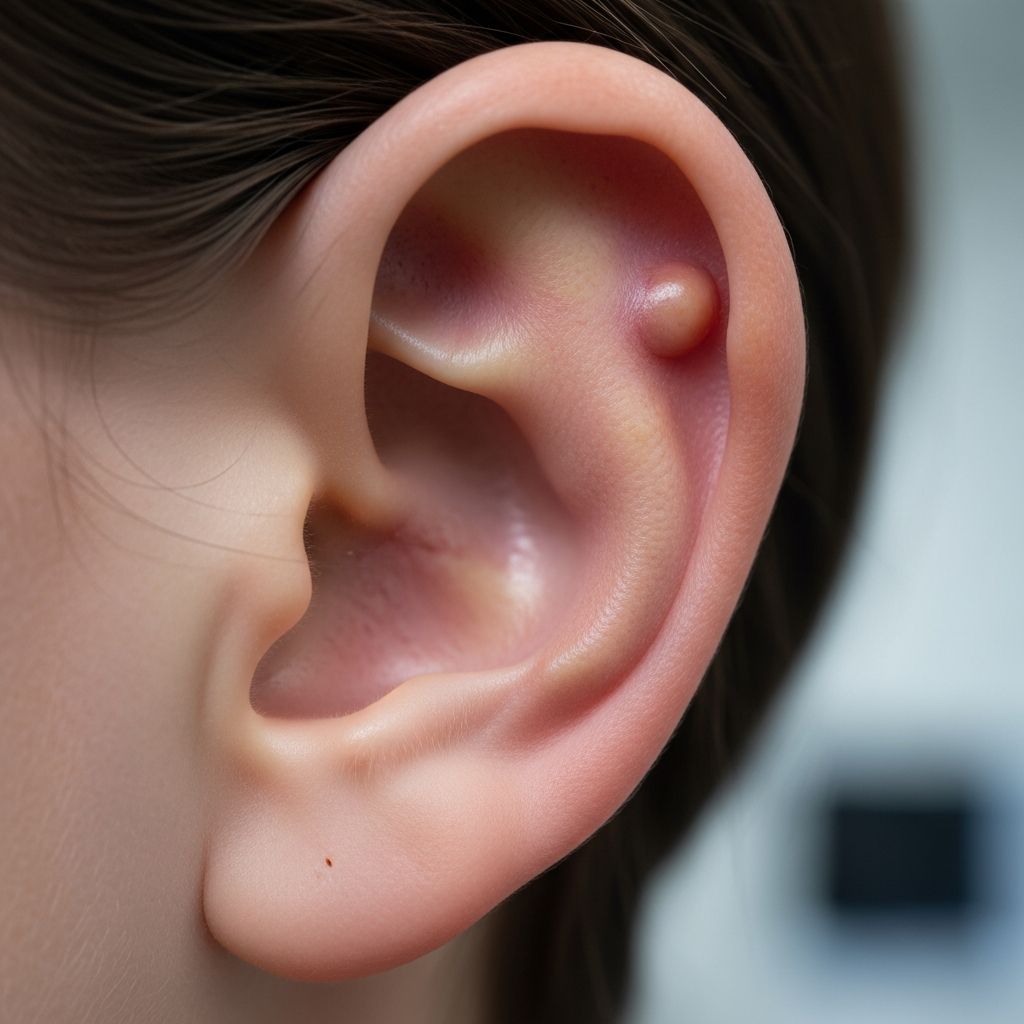
Cauliflower ear is a condition that changes the shape and texture of the outer ear, making it look swollen, lumpy, and irregular, somewhat like the surface of a cauliflower. It is not a disease in the traditional sense, but rather a physical change that happens when the ear’s internal structure is damaged and then heals in an abnormal way.
The outer ear, also known as the auricle or pinna, is made of flexible cartilage covered by skin. Unlike bones, cartilage does not have its own blood vessels and relies on the overlying skin and surrounding tissues to supply it with oxygen and nutrients. When this supply is disrupted—often due to injury—the cartilage can be damaged, leading to scarring and a permanent change in the ear’s appearance.
How Does This Ear Change Happen?
The process that leads to cauliflower ear usually begins with a direct impact to the side of the head or the ear itself. This kind of trauma can occur in contact sports, rough play, or accidents. The force of the blow can cause small blood vessels in the ear to break, allowing blood to collect between the skin and the cartilage.
This collection of blood is called an auricular hematoma. If it is not treated promptly, the hematoma acts like a barrier, cutting off the cartilage’s access to fresh blood and nutrients. Without this supply, the cartilage begins to die in that area. As the body tries to repair the damage, it forms scar tissue and new, irregular cartilage. This scarred, thickened tissue is what gives the ear its characteristic bumpy, cauliflower-like look.
Who Is Most Likely to Develop This Condition?
Cauliflower ear is most commonly seen in people who participate in certain sports where the ears are frequently struck or compressed. These include:
- Wrestling
- Boxing
- Mixed martial arts (MMA)
- Rugby
- Some martial arts
In these activities, repeated friction, pressure, or direct blows to the ear can cause repeated trauma. Over time, this increases the risk of developing a hematoma and, eventually, cauliflower ear. However, it is important to understand that this condition is not limited to athletes. Anyone who experiences a significant injury to the outer ear—such as from a fall, collision, or even certain types of ear piercings or infections—can potentially develop this deformity if the injury is not properly managed.
Recognizing the Early Signs
Spotting the problem early is one of the best ways to prevent permanent changes. In the hours or days after an ear injury, several warning signs may appear:
- Swelling of the outer ear, especially in one specific area
- Redness and warmth over the injured part of the ear
- Pain or tenderness when touching the ear
- Visible bruising or discoloration
- A soft, fluid-filled bump that may feel squishy at first and then become firmer over time
These symptoms are not unique to cauliflower ear, but they are signs that the ear has been injured and that medical attention should be considered. If left untreated, the swelling may gradually harden, and the ear’s normal curves and ridges can become distorted.
Potential Symptoms and Complications
While the most obvious feature of cauliflower ear is the change in appearance, it can also be associated with other symptoms, especially if the injury is severe or becomes infected. These may include:
- Mild to moderate ear pain that persists or worsens
- A feeling of fullness or pressure in or around the ear
- Temporary hearing changes, such as muffled hearing, if swelling affects the ear canal
- Ringing in the ear (tinnitus)
- Headaches, particularly if the injury is part of a larger head impact
- Facial swelling or bruising near the ear
- Signs of infection, such as increased redness, warmth, pus, or fever
It is worth noting that once the ear has fully changed shape, the condition itself is usually not painful. However, the altered shape can sometimes make it uncomfortable to wear glasses, helmets, or headphones, and some people may feel self-conscious about the appearance.
When to Seek Medical Help
Any time the ear is struck hard or shows signs of significant swelling, it is wise to have it checked by a healthcare provider. This is especially important if:
- The swelling is large or rapidly increasing
- The pain is severe or not improving
- There is bleeding from the ear canal
- There are signs of infection (pus, fever, increasing redness)
- There are other head injury symptoms, such as confusion, dizziness, or loss of consciousness
Early medical evaluation can determine whether a hematoma is present and whether it needs to be drained. Prompt treatment greatly reduces the risk of permanent deformity.
How Doctors Diagnose the Condition
In most cases, cauliflower ear is diagnosed based on a physical examination and the person’s history of trauma to the ear. A healthcare provider will look at the ear’s shape, feel for areas of swelling or firmness, and ask about how and when the injury occurred.
No special imaging tests are usually needed to diagnose cauliflower ear itself. However, if there is concern about a more serious head injury, such as a concussion or skull fracture, additional tests like a CT scan may be ordered. If infection is suspected, the provider may also check for signs of abscess or other complications.
Standard Treatment Approaches
Treatment depends on how soon the injury is recognized and whether a hematoma has formed. The main goals are to:
- Remove the accumulated blood or fluid
- Restore blood flow to the cartilage
- Prevent infection
- Minimize long-term deformity
Common steps in treatment include:
- Drainage: If a hematoma is present, a healthcare provider may make a small cut in the skin to drain the blood. This is often done under local anesthesia to keep discomfort to a minimum.
- Compression: After drainage, a compressive dressing or bandage is usually applied to keep the skin pressed against the cartilage. This helps prevent more fluid from collecting and supports proper healing.
- Medications: Antibiotics may be prescribed if there is a risk of infection, and pain relievers can help manage discomfort.
- Follow-up: Regular check-ups are important to make sure the ear is healing well and that the hematoma does not return.
If the ear has already developed a permanent cauliflower-like shape, treatment is usually focused on managing symptoms and, in some cases, cosmetic correction through plastic surgery.
Preventing Long-Term Changes
The best way to avoid cauliflower ear is to prevent or properly treat ear injuries before they progress. Key prevention strategies include:
- Wearing appropriate protective headgear in contact sports
- Seeking prompt medical care after any significant ear injury
- Following all instructions for wound care and follow-up after treatment
- Being aware of the early signs of swelling or hematoma so that treatment can begin quickly
For athletes, coaches and trainers should be trained to recognize the signs of ear trauma and know when to refer an athlete for medical evaluation. In many sports, using headgear that covers and cushions the ears can dramatically reduce the risk of repeated trauma.
Can the Ear Return to Normal?
Once the cartilage has been damaged and scar tissue has formed, the changes are usually permanent. However, if treatment is started early—ideally within a few days of the injury—it is often possible to prevent the ear from taking on the classic cauliflower appearance.
In cases where the ear has already changed shape, reconstructive surgery may be an option for some people who are bothered by the appearance or have functional problems, such as difficulty wearing protective gear. These procedures are typically performed by plastic or reconstructive surgeons and aim to reshape the ear by removing excess scar tissue and, in some cases, reshaping the cartilage.
Living with a Changed Ear Shape
For many people, cauliflower ear is primarily a cosmetic concern. It does not usually cause serious health problems, but it can affect how a person feels about their appearance. Some may feel self-conscious, especially in situations where the ears are visible, such as during sports, swimming, or social activities.
Open conversations with family, coaches, or healthcare providers can help address any emotional or social concerns. For young athletes, it can be helpful to explain that the condition is common in certain sports and that it is a sign of participation and effort, not something to be ashamed of.
Common Misconceptions About Cauliflower Ear
There are several myths about this condition that are worth clarifying:
- Myth: Only boxers or wrestlers get cauliflower ear.
Fact: While it is more common in certain sports, anyone with a significant ear injury can develop it. - Myth: It is always painful.
Fact: The initial injury can be painful, but the long-term deformity is often not painful. - Myth: It will heal on its own without treatment.
Fact: Without proper care, the changes are likely to become permanent. - Myth: It always causes hearing loss.
Fact: Hearing is usually not affected unless there is a separate injury to the ear canal or eardrum.
When to Talk to a Specialist
Most cases of ear trauma can be managed by a primary care provider or urgent care clinic. However, it may be helpful to see a specialist if:
- The injury is severe or complex
- There are repeated episodes of hematoma
- There are signs of chronic infection or abscess
- The person is interested in cosmetic correction
Specialists who may be involved include ear, nose, and throat (ENT) doctors, plastic surgeons, and sports medicine physicians.
Key Takeaways for Parents and Athletes
For parents of children in contact sports and for athletes themselves, understanding cauliflower ear can make a big difference. Key points to remember include:
- Any significant blow to the ear should be taken seriously.
- Swelling, redness, and pain in the outer ear after trauma need medical evaluation.
- Early treatment can often prevent permanent changes to the ear’s shape.
- Wearing proper protective gear is one of the best ways to reduce risk.
- Even if the ear has already changed shape, there are options for managing symptoms and, in some cases, improving appearance.
Frequently Asked Questions
Q: Can cauliflower ear be reversed without surgery?
A: Once the cartilage has been permanently altered and scar tissue has formed, the changes are usually not reversible without surgical correction. However, early treatment of a fresh hematoma can often prevent the deformity from developing in the first place.
Q: Is cauliflower ear dangerous to overall health?
A: In most cases, cauliflower ear is not dangerous to overall health. It is primarily a cosmetic change. However, it can increase the risk of ear infections and, in rare cases, may contribute to hearing problems if the ear canal is affected.
Q: How long after an ear injury does cauliflower ear develop?
A: If a hematoma is not treated, the cartilage can begin to die within a few days. Permanent changes in the ear’s shape typically become noticeable within about 5 to 10 days after the injury.
Q: Can ear piercings cause cauliflower ear?
A: Standard earlobe piercings are very unlikely to cause cauliflower ear. However, certain types of cartilage piercings, especially if they become infected or repeatedly traumatized, can lead to swelling and scarring that might resemble mild changes. True cauliflower ear is usually the result of blunt trauma, not routine piercings.
Q: What should I do if I think I have a hematoma in my ear?
A: If you notice significant swelling, pain, or a fluid-filled bump on your outer ear after an injury, it is important to see a healthcare provider as soon as possible. Early drainage and proper care can help prevent long-term deformity.
References
- Cauliflower Ear — UMass Memorial Health. Accessed 2025. https://www.ummhealth.org/health-library/cauliflower-ear
- Cauliflower Ear: Causes, Symptoms, and Treatment — WebMD. Accessed 2025. https://www.webmd.com/skin-problems-and-treatments/cauliflower-ear-symptoms-causes-treatments
- Cauliflower Ear — Children’s Hospital of Pittsburgh, UPMC. Accessed 2025. https://www.chp.edu/our-services/plastic-surgery/conditions/cauliflower-ear
- Cauliflower Ear: Identification, Treatment, and More — Healthline. Accessed 2025. https://www.healthline.com/health/cauliflower-ear
- Cauliflower Ear — StatPearls, NCBI Bookshelf. 2024. https://www.ncbi.nlm.nih.gov/books/NBK470424/