Understanding Feline-Related Health Concerns During Pregnancy
Pregnancy brings numerous health considerations that expectant mothers must navigate carefully. One often-overlooked concern involves interactions with household pets, particularly cats and their litter boxes. While keeping a beloved feline companion during pregnancy is entirely possible, understanding the potential health risks allows mothers-to-be to take appropriate precautions that protect both their own wellbeing and their developing baby’s health.
The primary health concern associated with cats during pregnancy relates to a parasitic infection that can be transmitted through feline waste. This condition poses potential complications for fetal development, making it essential for pregnant women to understand the transmission pathways and implement preventive measures. The good news is that with proper knowledge and simple precautions, families can maintain their cherished pet relationships while ensuring optimal safety throughout the pregnancy.
The Parasitic Threat: What Every Pregnant Woman Should Know
A specific parasitic infection transmitted through cat feces represents the primary health risk associated with litter box exposure during pregnancy. This infection, caused by the Toxoplasma gondii parasite, can have serious consequences for fetal development if transmitted to an expectant mother. The parasite naturally occurs in cats that have consumed infected prey animals such as rodents, birds, or small mammals, which happens most commonly when cats have outdoor access.
Understanding the lifecycle of this parasite is crucial for pregnant women. Once a cat has ingested infected prey or food, the parasite is shed through fecal matter. However, the pathogen does not become infectious immediately after being excreted. Research indicates that the parasite requires a specific incubation period before it poses a transmission risk to humans. This timeline creates an important window of opportunity for prevention.
The infection can manifest differently depending on when transmission occurs during pregnancy. While an infected pregnant woman may experience no noticeable symptoms herself, the consequences for the developing fetus can be significant. Potential complications include premature delivery, inadequate fetal growth patterns, and damage to critical organs including the eyes and brain. These serious health outcomes underscore why preventive measures are so important during the prenatal period.
Transmission Routes: How the Infection Spreads
Understanding how the parasitic infection moves from cats to humans helps pregnant women identify and minimize their exposure risk. The primary transmission pathway involves direct contact with contaminated fecal material. When pregnant women handle a litter box containing infected cat waste, they can inadvertently expose themselves to the parasite through hand-to-mouth contact, even without realizing it has occurred.
Beyond direct contact, another transmission route involves airborne particles. When cat feces dry within the litter box, the microscopic oocysts (parasitic structures) can become suspended in the air as dust particles. Pregnant women changing litter or simply spending time near a contaminated litter box may inhale these particles, resulting in infection. Although this route is less common than direct contact transmission, it remains a genuine concern, particularly in poorly ventilated spaces.
A third exposure pathway involves contaminated soil and sand. Cats frequently use gardens, sandboxes, and outdoor soil areas as litter sites. Pregnant women who handle garden soil without protective equipment or play in sandboxes where cats have defecated risk exposure to the parasite. This broad range of transmission routes means that protection requires attention to multiple aspects of daily life, not just direct litter box handling.
Practical Protection Strategies for Expectant Mothers
The most effective protection strategy involves delegating litter box responsibilities to another household member during pregnancy. Ideally, this responsibility should fall to someone with a healthy immune system who can consistently perform this task. This approach completely eliminates the pregnant woman’s direct exposure to the most concentrated source of parasitic material.
When delegation is not possible, pregnant women can implement several protective measures that substantially reduce transmission risk:
- Wear disposable gloves when handling the litter box to create a physical barrier between your hands and any contaminated material.
- Change litter daily because the parasite requires 1-5 days to become infectious after being shed in feces. Daily removal prevents the pathogen from reaching its infectious stage.
- Wash hands thoroughly after any litter box contact, using soap and warm water to eliminate any microscopic particles that may have transferred to your skin.
- Wear a protective mask during litter changes to reduce the risk of inhaling aerosolized oocysts from dried fecal material.
- Avoid touching your face before washing your hands, as this is a common route for parasites to enter your body through mucous membranes.
Pet Management Practices That Lower Infection Risk
Beyond personal protective measures, managing the cat itself can substantially reduce the likelihood of infection transmission. Keeping cats exclusively indoors significantly decreases their opportunity to hunt infected prey animals, which is the primary way cats acquire the parasitic infection in the first place. Indoor cats that are not exposed to wild prey have much lower infection rates than their outdoor counterparts.
Feeding practices also influence infection risk. Providing cats with complete commercial dry food or canned food eliminates their consumption of potentially contaminated raw meat or prey. Pregnant women should avoid preparing raw meat diets for their cats during pregnancy, as this practice increases the cat’s exposure to infectious material and the subsequent shedding risk.
Additionally, pregnant women should avoid adopting new cats or handling stray cats, particularly kittens, during pregnancy. Newly adopted cats may carry the infection, and stray cats have unknown health histories and potentially greater exposure to infected prey. These precautions help minimize the introduction of new infection sources into the household.
Beyond the Litter Box: Other Exposure Prevention Measures
Protecting a pregnant woman from parasitic infection requires attention to environmental contamination beyond the litter box itself. Gardens and outdoor soil present significant exposure risks because cats commonly use these areas as alternative toilet sites. When gardening, pregnant women should wear gloves to prevent direct soil contact and always wash their hands thoroughly with soap and warm water after gardening activities.
Similarly, sandboxes used by children can become contaminated when outdoor cats use them as litter areas. Pregnant women should wear protective gloves when handling sandbox sand and should ensure that such play areas are covered when not in use to discourage cat use.
Proper food safety practices also contribute to infection prevention. While less directly related to cat contact, consuming undercooked meat or unwashed vegetables can expose pregnant women to the parasite. Maintaining rigorous food hygiene through proper cooking temperatures and produce washing provides an additional layer of protection.
Risk Assessment: Is the Danger Real?
While understanding the transmission pathways and potential complications is important, it is also valuable to recognize that actual infection in pregnant women in developed countries is relatively uncommon. This statistic should not breed complacency, however, because when infection does occur, the potential consequences for fetal development are serious enough to warrant preventive action.
The actual risk depends on multiple factors, including whether the cat has outdoor exposure (which significantly increases infection likelihood), the specific practices within the household, and the geographic location. Women living in areas with high infection prevalence in the cat population face somewhat elevated risk compared to those in regions where the infection is less common.
Healthcare providers consistently recommend preventive measures not because infection is inevitable, but because the infection is preventable and the potential consequences are severe. Taking reasonable precautions is therefore a prudent approach that reflects the seriousness of potential complications while acknowledging that many pregnant women who follow these guidelines will never encounter the infection.
Creating a Safe Living Environment
Preparing the home for pregnancy while maintaining a cat requires thoughtful planning. Many experts recommend against keeping the litter box in the pregnant woman’s bedroom, as this creates unavoidable exposure during extended time in that space. Placing the litter box in a separate, well-ventilated area reduces incidental exposure and makes delegated cleaning responsibilities easier to manage.
The pregnant woman should have minimal interaction with the litter box area during her pregnancy. This means ensuring that another household member assumes complete responsibility for litter maintenance and that the pregnant woman can move through the home without needing to handle or approach the box. Creating this spatial separation helps make prevention effortless rather than requiring constant conscious effort.
Maintaining overall good hygiene practices throughout the household further supports safety. Regular handwashing before eating or touching the face, after any pet contact, and after outdoor activities reduces transmission risk across multiple potential exposure routes. These habits benefit the entire household beyond pregnancy considerations.
When Professional Guidance Becomes Important
Pregnant women concerned about their specific situation should discuss cat ownership and litter box exposure with their healthcare provider. Physicians can assess individual risk factors, address specific concerns, and provide personalized recommendations based on the woman’s particular circumstances and her cat’s health status.
Some women may benefit from testing to determine whether they have already developed immunity to the infection, which would substantially change their risk profile going forward. Healthcare providers can explain these testing options and help women understand what their results mean for managing their pregnancy.
Additionally, if a pregnant woman suspects potential exposure has occurred, medical professionals can discuss symptoms to monitor and determine whether testing or preventive measures are warranted. Open communication with healthcare providers ensures that women receive guidance appropriate for their situation rather than following generic recommendations that may be overly cautious or not cautious enough.
Frequently Asked Questions
Must pregnant women get rid of their cats?
No, pregnant women do not need to rehome their cats. With proper precautions—particularly delegating litter box cleaning to someone else and following safety guidelines—cats can safely remain in the home throughout pregnancy.
Can a pregnant woman pet her cat?
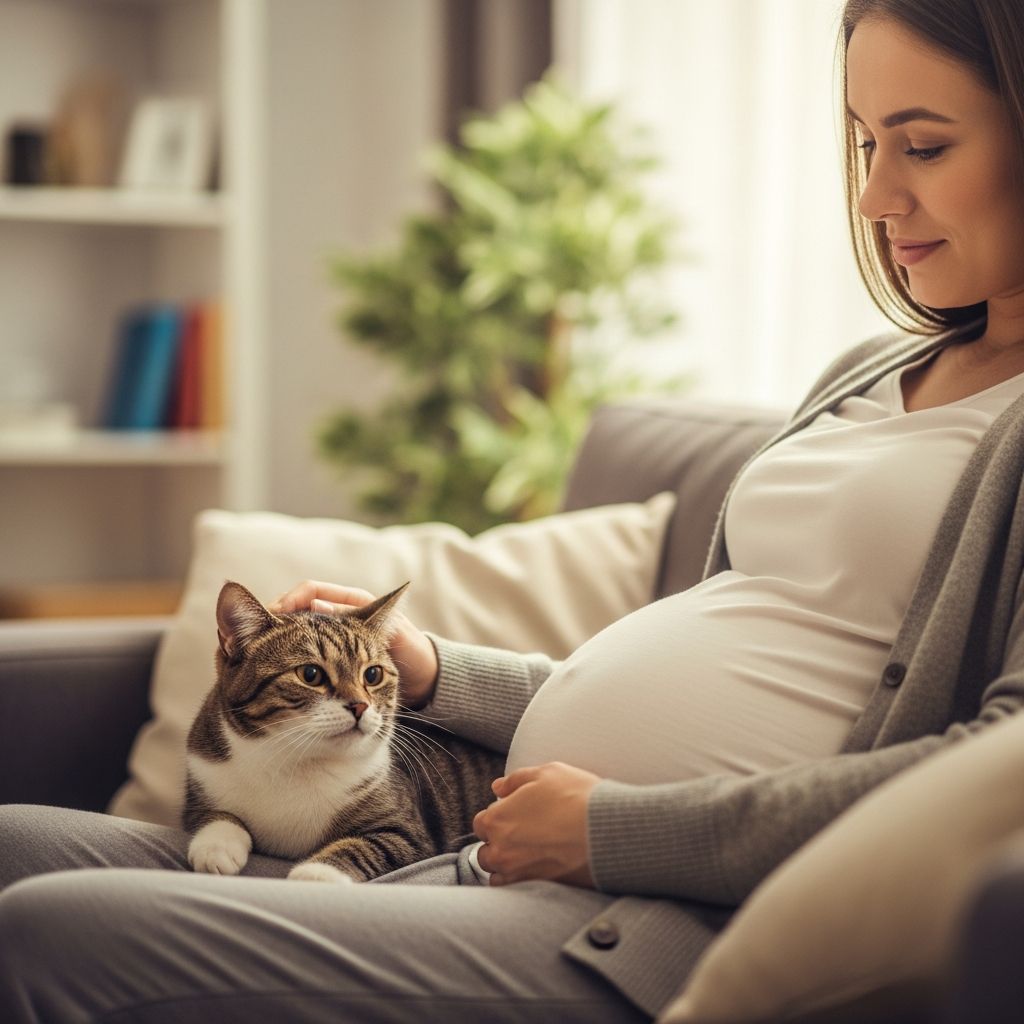
Yes, pregnant women can safely pet and interact with their cats. The infection transmission risk comes specifically from contact with feces and contaminated materials, not from normal petting or handling.
Is it safe if the litter box is cleaned immediately after the cat uses it?
While immediate cleaning helps, some risk remains because the parasite may still be present in residual fecal material left in the box. Daily cleaning rather than multiple times per day is the recommended standard.
What should a pregnant woman do if she has already cleaned the litter box?
One instance of litter box cleaning carries relatively low risk, especially if the woman washes her hands thoroughly afterward. However, she should avoid this task going forward and should discuss her exposure with her healthcare provider if she has concerns.
Can indoor cats get the infection?
Indoor cats have much lower infection rates because they do not hunt infected prey. However, they can theoretically be exposed through contaminated food sources, making commercial pet food feeding important.
Are there symptoms a pregnant woman would notice if exposed?
Many pregnant women infected with the parasite experience no symptoms at all, which is why prevention is so important rather than relying on recognizing symptoms.
References
- Cat Litter and Pregnancy: Risks, and How to Change It Safely — Miracle Cord. 2024. https://miraclecord.com/news/cat-litter-and-pregnancy/
- Handling Kitty Litter during Pregnancy: What You Need to Know — Cary OB/GYN. 2024. https://caryobgyn.com/handling-kitty-litter-during-pregnancy-what-you-need-to-know/
- Cat Litter Box & Pregnancy — Purina. 2025-06-05. https://www.purina.com/articles/cat/behavior/litter/litter-box-pregnancy
- Are Litter Boxes Safe During Pregnancy? — Ohio State University Health. 2024. https://health.osu.edu/health/animal-health/litter-box-and-pregnancy
- Is it Safe to Clean a Cat’s Litter Box During Pregnancy? — Kids Health. 2024. https://kidshealth.org/en/parents/litter-box-pregnancy.html
- Toxoplasma Prevention Before You Become Pregnant – Food Safety for Moms to Be — U.S. Food and Drug Administration. 2024. https://www.fda.gov/food/people-risk-foodborne-illness/toxoplasma-prevention-you-become-pregnant-food-safety-moms-be
- Is it Safe to Keep a Cat During Pregnancy? — American College of Obstetricians and Gynecologists. 2024. https://www.acog.org/womens-health/experts-and-stories/ask-acog/is-it-safe-to-keep-a-cat-during-pregnancy