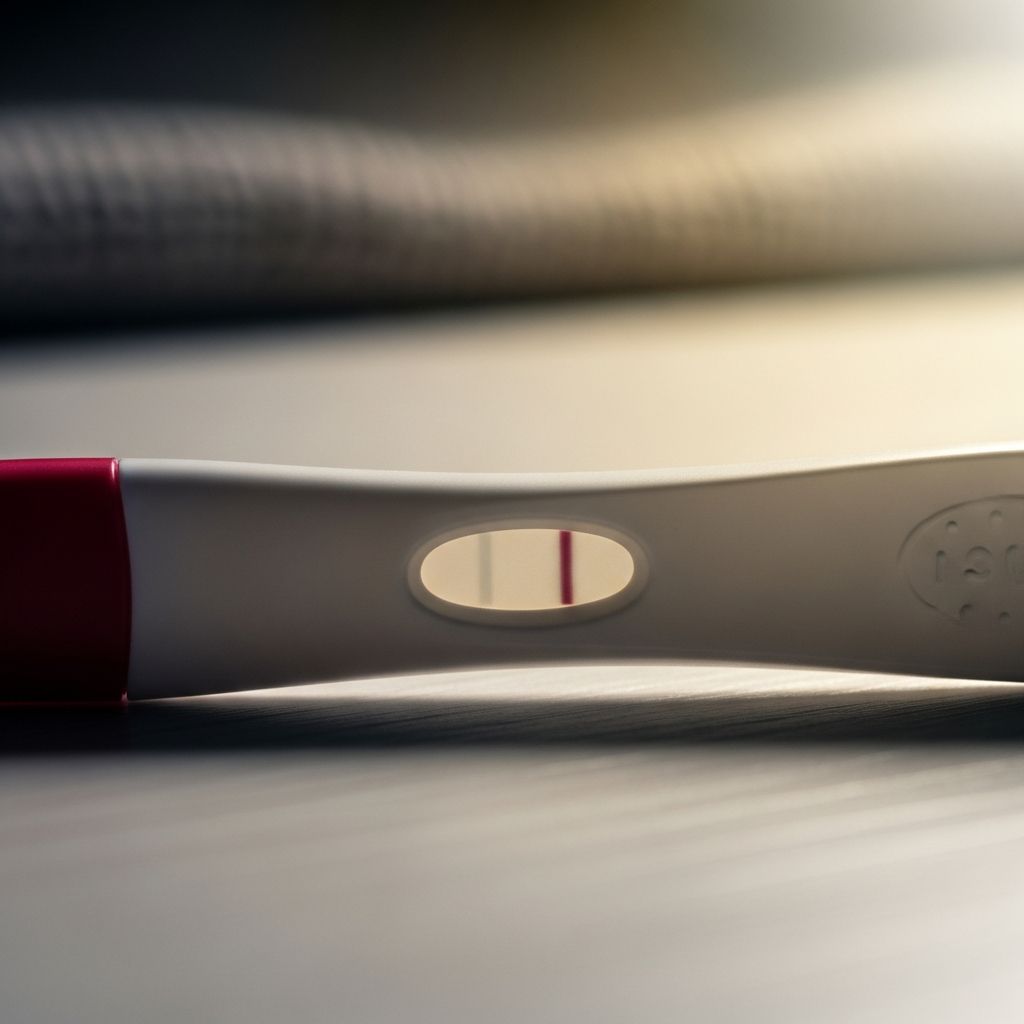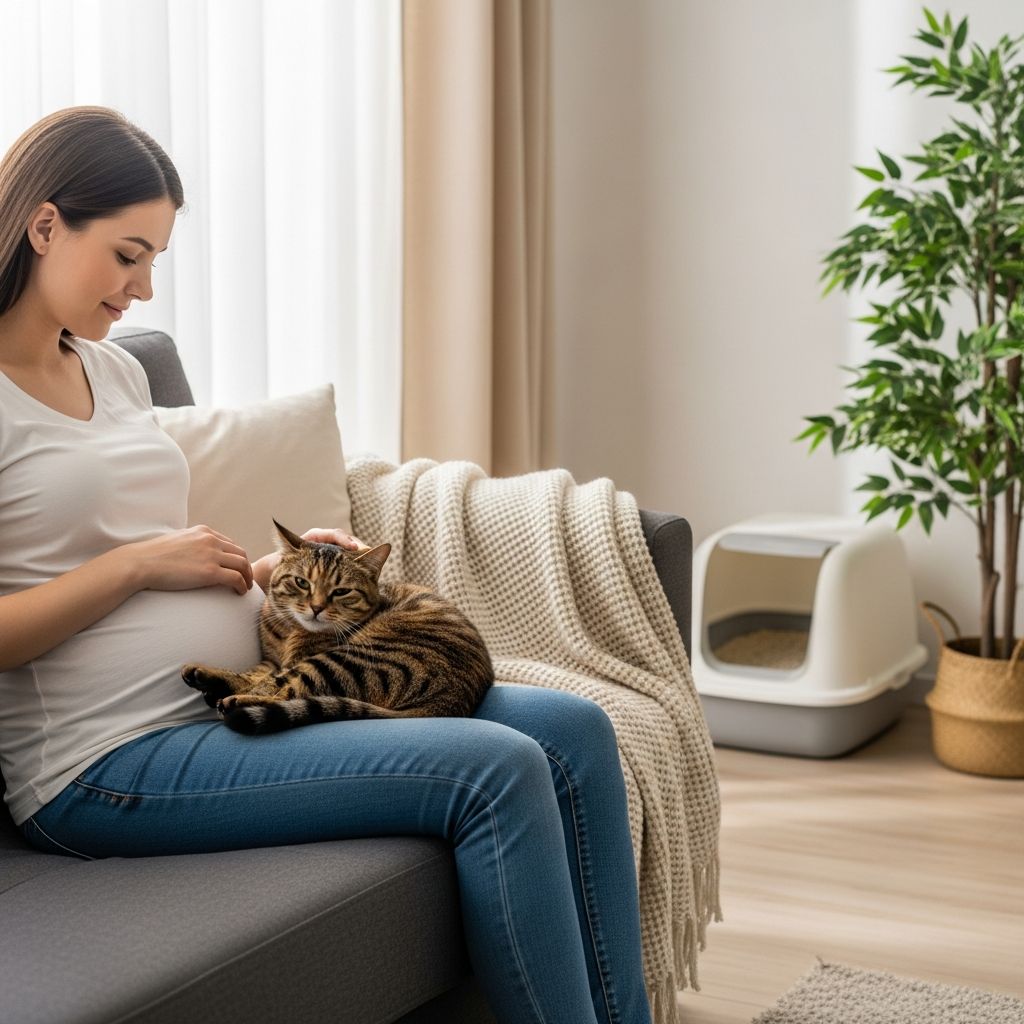
Many people are told to get rid of their cat as soon as they become pregnant, but this is rarely necessary. With the right information and a few simple changes around the home, you can usually keep your cat, manage the litter box safely, and protect your growing baby at the same time.
Why Cat Litter Matters During Pregnancy
The main concern about cat litter in pregnancy is not the litter granules themselves, but what can be hiding in cat poop. Some cats can carry a parasite that may cause an infection called toxoplasmosis, which in rare cases can harm an unborn baby. Understanding how this infection spreads helps you focus on what truly matters rather than worrying about every scratch or cuddle.
- The risk comes from contact with infected cat feces, not from simply being near a cat.
- Most pregnant people with cats go through pregnancy without any problems when they follow basic hygiene steps.
- In many countries, food and soil can be a more common source of toxoplasmosis than household cats, so kitchen and garden habits matter too.
Understanding Toxoplasmosis in Simple Terms
Toxoplasmosis is an infection caused by a tiny parasite called Toxoplasma gondii. Cats are the only animals that shed the parasite in their feces, but humans can catch it in several ways. Many adults who become infected never realize it because they have mild or no symptoms, yet infection during pregnancy can sometimes pose a risk for the fetus.
Key facts about toxoplasmosis that matter during pregnancy:
- Once a cat is infected, it usually sheds the parasite in its stool for a limited time, not forever.
- The parasite typically needs a day or more in the environment before it becomes infectious, which is why regular cleaning helps reduce risk.
- Not every cat is infected, and indoor cats that never eat raw meat or hunt are much less likely to carry the parasite.
How People Can Be Exposed
Knowing how toxoplasmosis spreads helps you target your efforts where they are most effective. Cat litter is one route of exposure, but it is not the only one, and often not the most common in day-to-day life.
Common ways people may come into contact with the parasite include:
- Handling cat feces in litter boxes or when cleaning areas where cats have defecated.
- Eating undercooked or raw meat that contains the parasite’s tissue cysts.
- Touching soil, sand, or garden beds contaminated with infected cat feces and then touching the mouth without washing hands.
- Consuming unwashed fruits or vegetables that have soil residue.
This means that safe cooking, good handwashing, and careful gardening habits are just as important as litter box routines during pregnancy.
Do You Have to Get Rid of Your Cat?
For most families, rehoming a cat is not necessary. Emotional attachment to a pet can be strong, and unnecessary separation can cause stress at a time when calm and support are especially important. Instead of giving up your cat, the focus should be on reducing direct contact with cat feces and improving household hygiene.
You may want to consider:
- Keeping your cat indoors as much as possible to reduce hunting and exposure to infected prey.
- Feeding your cat commercial cat food rather than raw meat.
- Asking your health care provider whether testing for prior toxoplasmosis infection is appropriate in your situation.
Who Should Handle the Litter Box?
During pregnancy, the ideal plan is to have someone else in the household take over litter box duty. Delegating this task eliminates the most direct route of exposure from cat feces to your hands and, potentially, to your mouth.
- If a partner, roommate, or family member can scoop and change the litter, ask them to do so throughout pregnancy.
- If possible, they should clean the box daily to remove stool before the parasite, if present, has time to become infectious.
- This helper should also wash their hands after handling the litter box, for their own safety and general hygiene.
Safe Litter Box Routine When You Have No Help
In reality, some people do not have anyone else who can consistently take care of the litter box. In that case, the goal is to create layers of protection that lower the chance of swallowing any microscopic particles from the litter.
Step-by-step protection plan
- Wear disposable gloves. Put on a clean pair before touching the litter scoop, box, or trash bag.
- Add a mask if dust is an issue. A simple mask helps reduce inhalation of dusty litter particles while you scoop.
- Scoop daily. Removing waste every day limits the time parasites have to mature in the litter.
- Avoid touching your face. While you clean, keep your hands away from your mouth, nose, and eyes.
- Seal waste tightly. Place scooped clumps into a bag, tie it securely, and put it directly into an outdoor bin if feasible.
- Wash hands thoroughly. After taking off gloves, wash with soap and warm water for at least 20 seconds, paying attention to the areas around fingers and under nails.
Where to Keep the Litter Box
Placement of the litter box can also influence your exposure. The goal is to avoid close, prolonged contact with litter dust and odors, especially in spaces where you sleep or eat.
General placement tips include:
- Avoid placing the litter box in the bedroom, especially near the bed or any surfaces where you keep food or drinks.
- Choose a well-ventilated area that is easy to clean, such as a bathroom or laundry room.
- Keep the box away from food preparation areas and the dining table.
Table: Basic Litter Box Safety Choices
| Situation | Less Safe Choice | Better Choice During Pregnancy |
|---|---|---|
| Who scoops the litter box? | Pregnant person always scoops | Non-pregnant household member scoops whenever possible |
| Cleaning frequency | Scooping every few days | Daily scooping and regular full litter changes |
| Protective equipment | No gloves or mask | Disposable gloves, optional mask, careful handwashing |
| Litter box location | In bedroom or near food areas | In a separate, well-ventilated room away from sleeping and eating spaces |
| Cat lifestyle | Outdoor hunting, raw meat diet | Mostly or fully indoor cat, commercial cat food diet |
Household Hygiene Beyond the Litter Box
Cat litter is only one part of the picture. Good everyday hygiene reduces the chance of many infections, not just toxoplasmosis. These steps are useful for everyone in the household, whether pregnant or not.
- Wash cutting boards, knives, and countertops after preparing raw meat.
- Cook meat thoroughly, avoiding pink or undercooked centers unless safe by local guidelines.
- Rinse fruits and vegetables under running water before eating, even if you plan to peel them.
- Wear gloves while gardening or handling soil and wash hands afterward.
- Discourage children from playing in uncovered sandboxes that cats could use as toilets.
Understanding Symptoms and When to Call the Doctor
Most pregnant people will never develop toxoplasmosis, but it is helpful to know what symptoms can look like. Many cases resemble a mild flu, so it is easy to overlook or confuse with a common viral infection.
Possible signs of toxoplasmosis can include:
- Mild fever or feeling generally unwell.
- Swollen lymph nodes, especially in the neck.
- Muscle aches and fatigue that last for days or weeks.
These symptoms are not specific to toxoplasmosis, which is why medical evaluation is important. If you are pregnant and think you might have been exposed—for example, through undercooked meat or an unsafe litter box incident—contact your prenatal care provider. They can decide whether testing is needed and discuss any next steps.
Talking to Your Health Care Provider
Your prenatal visits are a good time to raise any concerns about cats or litter boxes. Health professionals can consider your personal health history, local infection patterns, and living situation to give more precise advice. Do not hesitate to bring up even small questions; peace of mind is valuable during pregnancy.
Topics you might ask about include:
- Whether you have had toxoplasmosis in the past and how that affects your current risk.
- Safe cooking temperatures and food handling practices in your region.
- How to handle an accidental exposure, such as splashing litter on your skin or eyes.
Myth-Busting: Common Misconceptions
Misinformation about cats and pregnancy spreads quickly, sometimes leading to fear and drastic decisions. Clearing up myths helps you make balanced choices that protect both your family and your pet.
- Myth: Every cat is dangerous in pregnancy. In fact, many cats never carry the parasite that causes toxoplasmosis, especially those that live indoors and eat only commercial food.
- Myth: Just touching a cat will infect you. Normal petting and cuddling do not transmit the parasite; the main concern is contact with infected feces or contaminated soil or food.
- Myth: Getting rid of the cat is the only safe solution. For most families, practical hygiene steps and litter box precautions are enough to manage risk.
Practical Daily Routine for Cat Owners Who Are Pregnant
Turning safety advice into a simple daily routine makes it easier to follow. The aim is not perfection but consistency: small habits repeated over time offer strong protection.
A sample day might look like this:
- Morning: Someone else scoops the litter box; if you must do it, use gloves and wash hands afterward.
- Mealtimes: Ensure all meat is cooked thoroughly and surfaces are wiped down after meal prep.
- Snacks: Rinse fruits or vegetables before eating, even quick snacks.
- Evening: Keep bedroom and eating areas free of the litter box; cuddle your cat without touching your face, and wash hands before bed.
FAQs About Cat Litter and Pregnancy
Can I keep my cat while I am pregnant?
In most cases, yes. With good hygiene and careful handling of the litter box, many people safely keep their cats throughout pregnancy. The main adjustment is finding ways to avoid direct contact with cat feces and focusing on safe food and gardening practices.
Is the litter itself harmful, or just the poop?
Clean litter granules are not usually the issue. The concern arises when litter becomes contaminated with stool from an infected cat. Once that happens, particles of the contaminated litter can carry the parasite if not handled carefully.
What if my cat is strictly indoors?
An indoor cat that does not hunt and eats only commercial cat food has a lower chance of carrying the parasite compared with a cat that spends time outdoors and catches prey. Even so, the same hygiene steps are recommended because it can be difficult to know a cat’s infection status without testing.
Should I ask my vet to test my cat for toxoplasmosis?
Some people consider testing, but a negative test cannot always guarantee that a cat will never become infected in the future. Veterinary and medical professionals can help you weigh the benefits and limits of testing based on your region and your cat’s lifestyle.
Can I get toxoplasmosis from a cat scratch or bite?
The classic route for this parasite is through swallowing infectious material, not through a simple scratch. However, any animal bite or scratch can introduce bacteria into the skin, so cleaning wounds and seeking medical advice when needed is always wise during pregnancy.
How often should the litter box be changed?
Daily scooping is ideal during pregnancy, with regular full litter changes and washing of the box according to the litter manufacturer’s guidance. Frequent cleaning helps remove feces before parasites, if present, have time to mature.
Key Takeaways for Expectant Cat Owners
- You usually do not need to give up your cat when you become pregnant.
- The main risk is toxoplasmosis from infected cat feces, not ordinary contact with your pet.
- Having another person handle the litter box and keeping to daily cleaning greatly lowers exposure.
- Protective gear, proper handwashing, and safe food and gardening habits add important extra layers of safety.
- When in doubt or after any suspected exposure, contact your prenatal care provider for personalized advice.