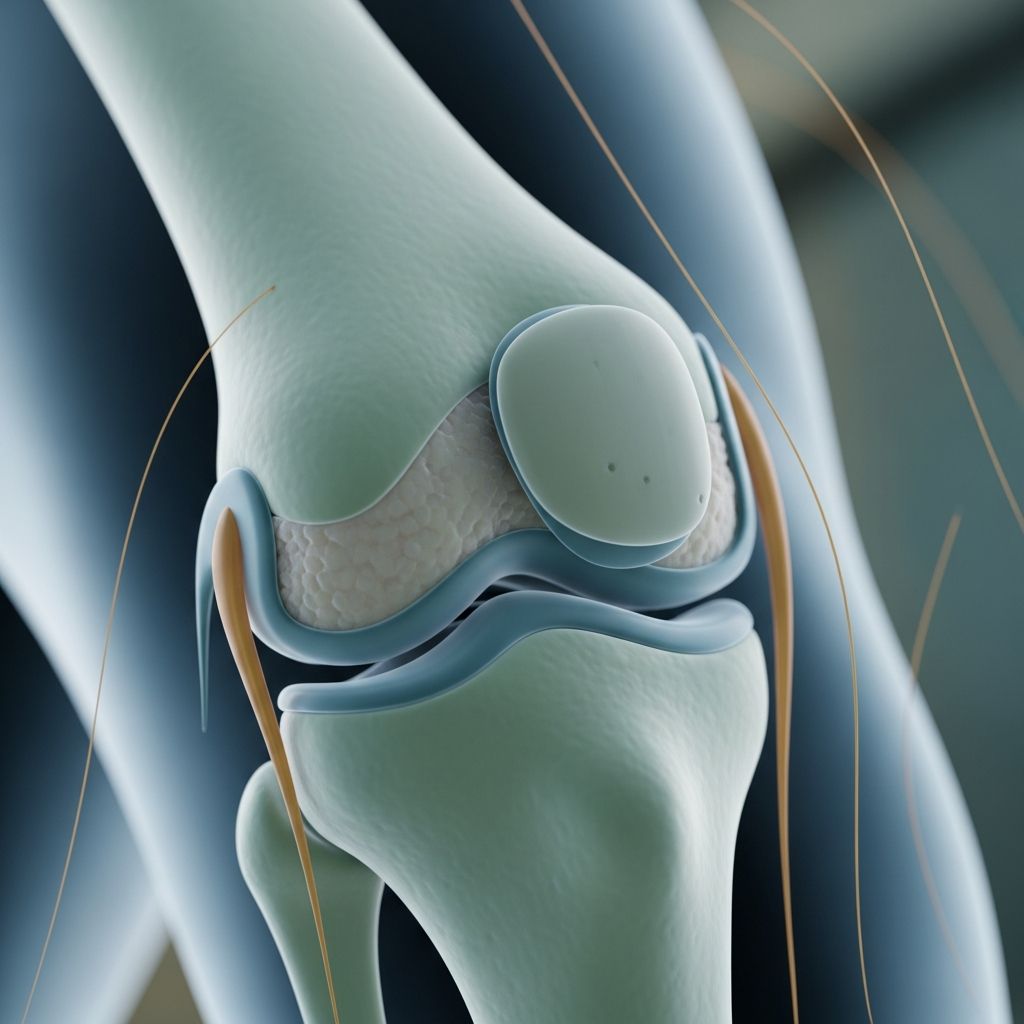
Cartilage-hair hypoplasia (CHH) represents a rare genetic syndrome that impacts multiple body systems, primarily manifesting through distinctive skeletal, hair, and immune features. First identified in specific populations like the Amish and Finns, this condition arises from alterations in the RMRP gene, leading to challenges in growth, immunity, and overall health.
Genetic Foundations of CHH
The core cause of CHH lies in mutations within the RMRP gene on chromosome 9p13.3. Unlike typical protein-coding genes, RMRP produces a noncoding RNA essential for forming the RNase MRP enzyme complex, which plays roles in mitochondrial RNA processing, cell cycle regulation, and ribosomal biogenesis. Disruptions in this RNA lead to unstable complexes, impairing cellular functions and resulting in the syndrome’s diverse symptoms.
Inheritance follows an autosomal recessive pattern, meaning a child must inherit mutated copies from both parents to be affected. Carriers remain asymptomatic but can transmit the gene. Prevalence is higher in isolated communities due to founder effects, such as the 70A→G mutation common in Finnish and Amish groups. Genetic counseling is vital for at-risk families to assess recurrence risks and options like prenatal testing.
Recognizing Physical Characteristics
Individuals with CHH exhibit short-limbed dwarfism from birth, with disproportionately short arms and legs compared to trunk length. Adult heights typically range from 3 to 4 feet, reflecting progressive metaphyseal chondrodysplasia—abnormalities at the ends of long bones.
- Skeletal features: Metaphyseal flaring, cupping, and irregularities, especially at knees and ankles; genu varum (bowed legs); limited elbow extension; joint hyperlaxity in hands and feet.
- Hair abnormalities: Fine, sparse, light-colored hair lacking a central pigment core (hypotrichosis), affecting scalp, eyebrows, and eyelashes; up to 15% experience alopecia.
- Other traits: Hypopigmentation, malformed nails, dental issues, and spinal changes like increased lumbar lordosis.
Radiographic findings confirm diagnosis, showing widened metaphyses with cystic changes, delayed epiphyseal ossification, and fibular overgrowth contributing to ankle varus.
Immune System Vulnerabilities
A defining aspect of CHH is variable immunodeficiency, ranging from mild to severe, affecting both antibody production and T-cell function. Neutropenia (low neutrophils) heightens infection risk, particularly respiratory and gastrointestinal.
Defective lymphocyte proliferation links to RMRP’s role in cell cycle control, causing G2 phase accumulation and apoptosis in immune cells. This predisposes to recurrent infections, autoimmunity, and malignancies like lymphoma and leukemia. Anemia and bone marrow failure may also occur, necessitating vigilant monitoring.
Associated Health Concerns
Beyond skeletal and immune issues, CHH involves several complications:
| System | Common Issues | Management Notes |
|---|---|---|
| Gastrointestinal | Hirschsprung disease (absent nerve cells in colon), enterocolitis | Surgical intervention if severe |
| Cancer Risk | Lymphomas, leukemias (10-30% lifetime risk) | Regular screenings, prompt evaluation of symptoms |
| Musculoskeletal | Joint laxity leading to instability, scoliosis, coxa vara | Orthotics, physical therapy; surgery rare |
| Other | Anemia, growth hormone insensitivity | Blood tests, nutritional support |
Intelligence and motor milestones remain normal, enabling full developmental potential with proper support.
Diagnostic Approaches
Diagnosis combines clinical evaluation, family history, and targeted tests. Key steps include:
- Physical exam noting disproportionate short stature, hair features, and joint laxity.
- X-rays revealing metaphyseal dysplasia, particularly knee flaring and epiphyseal anomalies.
- Genetic testing confirming biallelic RMRP mutations.
- Immunologic workup: CBC for neutropenia, lymphocyte subsets, vaccine responses.
Prenatal diagnosis via amniocentesis or CVS is feasible in high-risk pregnancies. Differential diagnosis excludes other chondrodysplasias like Ellis-van Creveld syndrome.
Comprehensive Care Strategies
Multidisciplinary management optimizes outcomes:
- Orthopedic monitoring: Bracing for bowing, PT for joint stability; surgeries uncommon unless deformities progress.
- Immunology support: Prophylactic antibiotics, IVIG for severe deficiency, hematopoietic stem cell transplant in extreme cases.
- Infection prevention: Vaccinations (avoid live ones if immunocompromised), hygiene education.
- Nutritional oversight: High-calorie diets, supplements for growth; monitor celiac disease risk.
- Cancer surveillance: Annual blood counts, imaging as needed.
Growth hormone therapy shows limited efficacy due to cartilage defects.
Living with CHH: Daily Life and Support
Children with CHH lead active lives with adaptations. Schools may provide accommodations for mobility, while adaptive sports promote fitness. Emotional support addresses body image concerns, especially hair and stature differences.
Families benefit from rare disease networks, connecting with others via foundations like the Immune Deficiency Foundation. Genetic counseling aids family planning.
Research Horizons and Future Prospects
Ongoing studies explore RMRP’s mechanisms, targeting therapies like gene correction or immune modulators. Clinical trials focus on malignancy prevention and growth interventions. Long-term data from Finnish and Amish cohorts inform best practices.
Frequently Asked Questions (FAQs)
What is the prognosis for CHH?
With vigilant care, life expectancy nears normal, though infections and cancers pose risks. Early intervention improves quality of life.
Can CHH be prevented?
As a genetic condition, prevention involves carrier screening in high-risk groups and informed reproductive choices.
Does CHH affect intelligence?
No, cognitive development is typically normal, allowing educational and professional success.
How common is CHH?
Extremely rare globally (1:200,000), but higher in Finns (1:18,000) and Amish.
Is stem cell transplant curative for immune issues?
It can restore immunity in severe cases but doesn’t address skeletal or hair features.
References
- Cartilage–hair hypoplasia — Wikipedia. 2023-10-15. https://en.wikipedia.org/wiki/Cartilage%E2%80%93hair_hypoplasia
- Cartilage-hair hypoplasia — Orphanet. 2024-01-20. https://www.orpha.net/en/disease/detail/175
- Cartilage hair hypoplasia: characteristics and orthopaedic management — NIH/PMC. 2015-04-25. https://pmc.ncbi.nlm.nih.gov/articles/PMC4417732/
- Cartilage-hair hypoplasia — MedlinePlus Genetics. 2024-05-10. https://medlineplus.gov/genetics/condition/cartilage-hair-hypoplasia/
- Cartilage-hair hypoplasia — Immune Deficiency Foundation. 2023-11-05. https://primaryimmune.org/understanding-primary-immunodeficiency/types-of-pi/cartilage-hair-hypoplasia
- Cartilage-hair hypoplasia: A comprehensive review — Journal of Hematology & Immunology. 2024-09-15. https://rupress.org/jhi/article/1/4/e20250142/278347/Cartilage-hair-hypoplasia-A-comprehensive