Ensuring your child’s safety in the car starts with correct car seat use. Motor vehicle crashes remain a leading cause of injury for young children, but proper car seat installation and usage can reduce fatal injury risk by up to 71% for infants and 54% for toddlers.
Understanding Car Seat Fundamentals
Car seats must match your child’s age, weight, height, and the vehicle’s seat belt system. Rear-facing seats offer the best protection for infants by supporting the head, neck, and spine during crashes. The National Highway Traffic Safety Administration (NHTSA) emphasizes keeping children rear-facing until they reach the seat’s maximum height or weight limit.
Forward-facing seats with harnesses suit older toddlers, while boosters transition children to adult seat belts. Always check the manufacturer’s labels for specific limits. With new Federal Motor Vehicle Safety Standard (FMVSS) 213a rules effective December 5, 2026, all new car seats for children under 40 pounds must pass enhanced side-impact tests simulating 30 mph T-bone crashes.
Critical Installation Errors to Sidestep
Over 46% of car seats are installed incorrectly, according to NHTSA data, compromising protection. Common issues include loose fits and wrong belt paths.
- Skipping the Level Check: Infant seats must sit level. Use the built-in level indicator or place a towel under one side if needed on sloped seats.
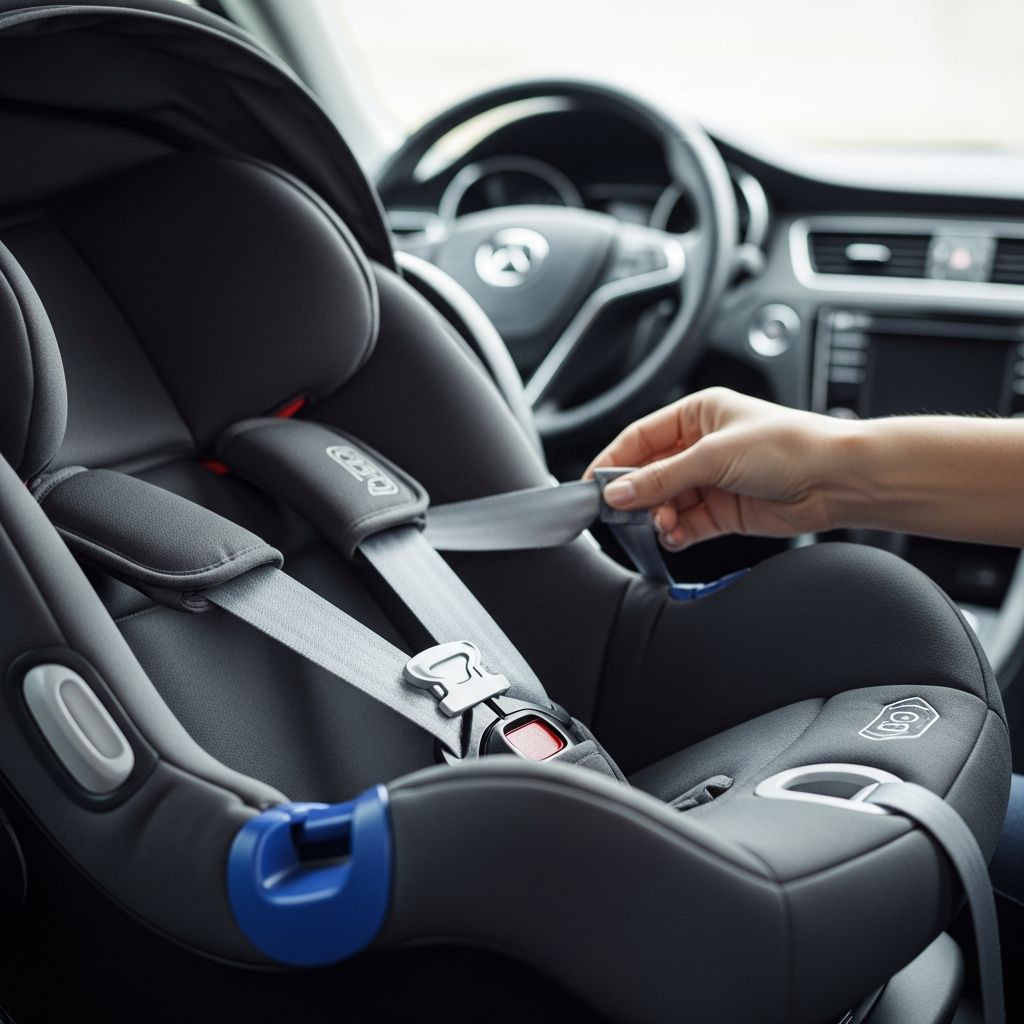
- Ignoring Belt Tension: The seat should move less than 1 inch at the belt path when tugged. For LATCH systems, connectors must click securely.
- Wrong Seat Position: Rear-facing seats go in the back seat, preferably behind the passenger. Never use front seats with active airbags.
Professional inspection at certified stations, locatable via NHTSA’s tool, confirms correctness.
Harness and Strap Mastery
Harness misuse allows children to slide out or sustain deeper injuries. Slots must align with shoulders: rear-facing at or below, forward-facing at or above.
| Seat Type | Harness Slot Position | Chest Clip Location |
|---|---|---|
| Rear-Facing | At or below shoulders | At armpit level |
| Forward-Facing | At or above shoulders | At armpit level |
| Booster | N/A (seat belt only) | N/A |
Tighten until you can’t pinch slack on the chest strap. Dress children lightly—no puffy coats under harnesses, as they compress in crashes.
Seat Belt and LATCH System Choices
Choose LATCH for lighter seats (under 65 pounds total child + seat weight), but seat belts work for all. Hybrid installation combines both for stability. New 2026 standards don’t alter installation methods but enhance crash performance.
- Thread belts per manual diagrams.
- Avoid locking clips unless specified.
- Lock belts by pulling the shoulder portion fully.
Recognizing Expiration and Crash Damage
Car seats expire 6-10 years from manufacture due to material degradation. Check the label. After any crash, replace the seat—even minor ones—unless manufacturer states otherwise. Plastic can weaken invisibly.
Upcoming 2026 Safety Upgrades Explained
FMVSS 213a mandates side-impact testing for seats under 40 pounds, addressing crashes that injure children severely due to proximity to doors. Tests ensure head containment, reduced chest forces, and structural integrity.
Current seats remain safe if unexpired and undamaged. For new purchases, verify compliance by contacting makers, as labels may not yet specify. Larger brands already meet standards; smaller ones get until 2026.
Vehicle Fit and Multiple Kids Strategies
Not all seats fit every car—test before buying. For siblings, prioritize rear-facing for the youngest. Narrow seats help in tight spaces.
- Measure hip room.
- Check tether anchors.
- Use docking stations for infant carriers.
Weatherproofing and Daily Habits
Extreme heat warps plastic; shade seats in summer. Cold stiffens straps—warm indoors first. Clean per manual to preserve integrity. Register for recalls via manufacturer sites or NHTSA app.
Health and Special Needs Considerations
Premature babies or those with medical devices need specialist advice. Rear-facing longer protects preemies’ necks.
Frequently Asked Questions (FAQs)
Do I need a new car seat for 2026 rules?
No, existing seats are safe if current. Buy compliant new ones for side-impact upgrades.
How tight should the harness be?
Snug—no pinchable slack, buckle flat against body.
Can I use LATCH and seat belt together?
Yes, for added security if manual allows.
When to switch to forward-facing?
At max rear-facing limits; keep rear-facing longest possible.
Where to get installation help?
NHTSA’s locator finds certified techs.
Proven Steps for Daily Safety Checks
Before every drive:
- Verify rear-facing orientation.
- Check 1-inch movement rule.
- Ensure harness routing and tightness.
- Confirm chest clip alignment.
- Look for expiration/recalls.
These habits, backed by NHTSA guidelines, maximize protection.
In summary, vigilance against common errors and embracing updates like FMVSS 213a ensure safer journeys. Consult NHTSA tools for personalized fits.
References
- New Car Seat Regulations 2026: FMVSS 213a Guide for Parents — Baby Sense Monitors. 2026. https://www.babysensemonitors.com/blogs/news/new-car-seat-regulations-2026-fmvss-213a-guide-parents
- New car seat regulations go into effect next year: What parents should know — ABC News. 2026. https://abcnews.go.com/GMA/Family/new-car-seat-regulations-effect-parents/story?id=122037162
- Car Seat & Booster Seat Safety, Ratings, Guidelines — National Highway Traffic Safety Administration (NHTSA). Accessed 2026. https://www.nhtsa.gov/equipment/car-seats-and-booster-seats
- Car Seats, Boosters & Seat Belts — Traffic Safety Marketing (NHTSA). 2026. https://www.trafficsafetymarketing.gov/safety-topics/child-safety/car-seats-boosters-seat-belts