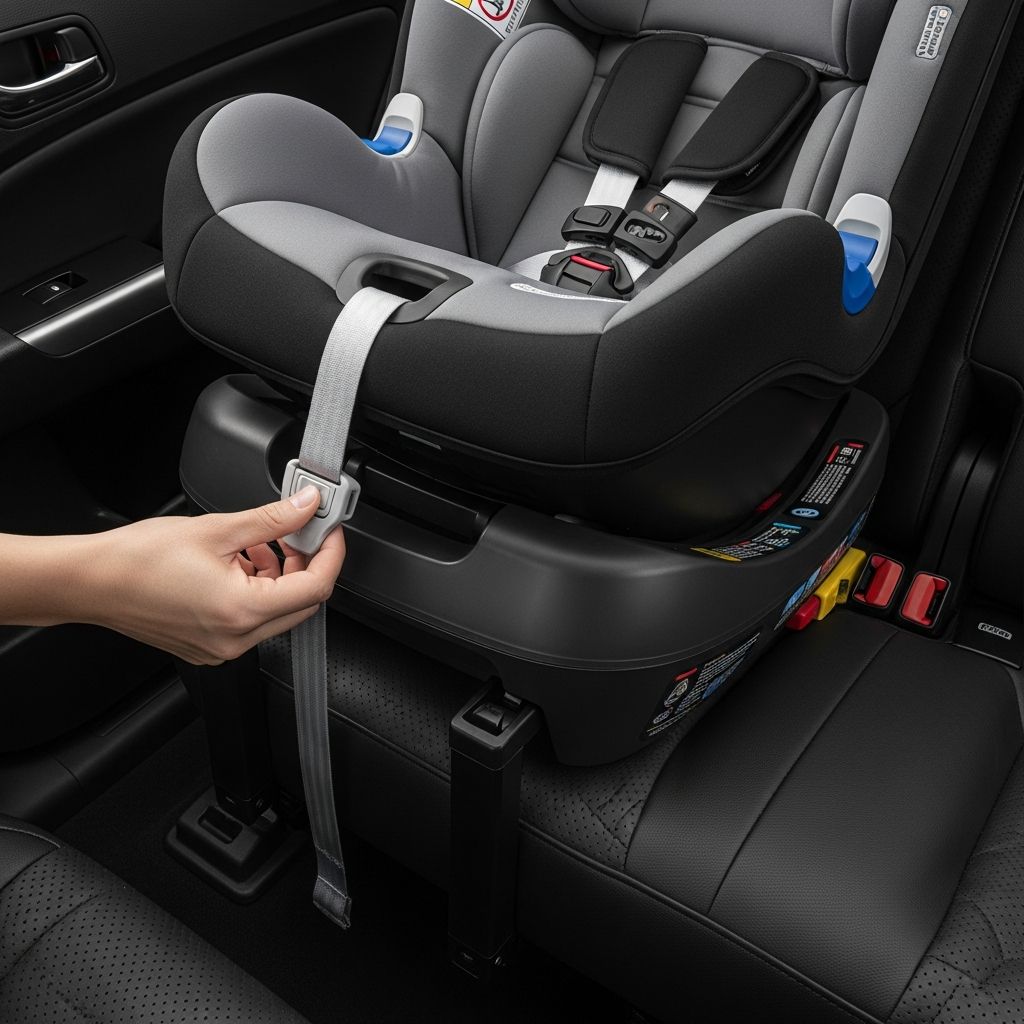
Ensuring your child’s car seat fits perfectly in your vehicle is critical for their protection during travel. Proper matching prevents installation errors that could compromise safety in a crash. This comprehensive guide draws from official safety standards to help parents select compatible seats, install them correctly, and maintain optimal fit.
Understanding Vehicle and Car Seat Compatibility
Not every car seat works seamlessly in every vehicle due to differences in seat dimensions, anchor points, and belt systems. Before purchasing, test the seat in your car to confirm it secures tightly without excessive movement. Vehicle manuals specify approved seating positions, often limiting rear-facing seats to certain rear spots.
Key factors include the vehicle’s lower anchors location—typically in at least two rear positions between the seat bight—and tether anchors, which vary by model (e.g., rear shelf in sedans or floor in SUVs). Car seats must align with these for secure attachment. Rear seats are safest for children under 13, avoiding front airbags that pose risks to rear-facing installations.
Types of Car Seats and Age-Appropriate Choices
Car seats evolve with your child’s growth: rear-facing for infants (protecting head, neck, and spine), forward-facing with harness for toddlers, and boosters for older kids transitioning to seat belts. Select based on height/weight limits and ensure the seat accommodates your vehicle’s space.
- Rear-Facing Seats: Best for newborns to 2+ years; never front-seat install.
- Forward-Facing Seats: For 1-5 years; always use top tether.
- Booster Seats: 4-12 years; back seat until age 13.
Consult manuals for exact transitions, prioritizing extended rear-facing for better crash protection.
Installation Methods: LATCH vs. Seat Belt
Two primary methods secure car seats: LATCH (Lower Anchors and Tethers for Children) or vehicle seat belts. Never combine both, as it reduces effectiveness. Choose based on weight limits (often 40-65 lbs for LATCH) and which yields the snuggest fit.
| Method | Best For | Key Steps | Weight Limit |
|---|---|---|---|
| LATCH | Lower weights, easier for some vehicles | Connect lower straps to anchors; add tether for forward-facing | Typically 40 lbs |
| Seat Belt | Heavier kids, all positions | Thread through belt path, lock belt per vehicle manual | No strict limit |
For forward-facing seats, attach the top tether to limit forward motion—mandatory for highest safety.
Step-by-Step Rear-Facing Installation
Rear-facing seats prioritize spine alignment in crashes. Position in the back seat, ideally center if anchors allow.
- Read vehicle and car seat manuals thoroughly.
- Locate lower anchors or belt path; avoid front seats with airbags.
- Secure base: LATCH clips to anchors or lock seat belt.
- Tighten until 1-inch test passes—no more than 1 inch side-to-side or front-to-back movement.
- Adjust harness: straps at/below shoulders, snug pinch test (no fabric pinchable).
- Chest clip at armpit level; remove bulky clothing.
Many rear-facing seats shouldn’t contact the front seatback; check the 1-inch rule.
Mastering Forward-Facing and Booster Installations
Forward-facing shifts focus to tethers. After LATCH or belt securement:
- Harness straps at/above shoulders, untwisted.
- Top tether hooked tightly to vehicle anchor.
- Perform 1-inch test at belt path.
Boosters require proper belt fit: lap belt low on hips, shoulder belt across chest—not neck. Child’s ears above or at booster top, knees bending naturally over seat edge. Back seat only until 13.
Common Installation Mistakes to Avoid
Errors like loose fits or twisted straps reduce protection by 75%. Critical pitfalls:
- Using both LATCH and belt: Causes slack.
- Bulky coats under harness: Creates dangerous space.
- Twisted/loose straps: Fail pinch/chest clip tests.
- Aftermarket add-ons: Untested items become projectiles.
- Front-seat rear-facing: Airbag incompatibility.
Keep manuals accessible; register seat for recalls.
Performing the Essential Safety Checks
Post-installation verification ensures readiness. The inch test is universal: grasp at belt path, shake—under 1 inch movement confirms security.
- Harness Fit: Pinch at collarbone; tighten if fabric grabs.
- Chest Clip: Align with armpits.
- Recline Angle: Match indicators on seat.
- Proximity: Rear-facing clearance from front seat.
Re-check after travel, as vibrations loosen fits.
Professional Help and Inspection Stations
Self-installation succeeds only 30% first try. Seek certified Child Passenger Safety Technicians (CPSTs) via events or stations. Safe Kids Worldwide lists locations; NHTSA offers inspection finders.
Frequently Asked Questions
Can I use LATCH and seat belt together?
No, choose one for proper tension; combining compromises safety.
What is the 1-inch test?
Grab seat at belt path; it shouldn’t move over 1 inch side-to-side or front-to-back.
Where are tether anchors in my car?
Check manual: often rear shelf (sedans), floor/SUV backs, or ceiling in vans.
Is the front seat safe for car seats?
Never for rear-facing due to airbags; back seat until age 13.
How often should I check installation?
After every ride, crashes, or seat moves; get professional inspection routinely.
Long-Term Maintenance and Upgrades
Replace seats after crashes, exceeding expiration (6-10 years), or recalls. Update as child grows, prioritizing extended rear-facing. Annual CPST checks maintain safety.
By matching seats to vehicles meticulously, parents uphold NHTSA/CDC standards, slashing injury risks dramatically. Invest time upfront for lifelong secure travels.
References
- Installing – The Ultimate Car Seat Guide — Safe Kids Worldwide. Accessed 2026. https://ucsg.safekids.org/basic-tips/installing/
- Car Seat & Booster Seat Safety, Ratings, Guidelines — NHTSA. Accessed 2026. https://www.nhtsa.gov/equipment/car-seats-and-booster-seats
- Car Seat Installation DOs and DON’Ts — Safety 1st. Accessed 2026. https://safety1st.com/blogs/safety-1st-blog/car-seat-installation-dos-and-don-ts
- Resources | Child Passenger Safety — CDC. Accessed 2026. https://www.cdc.gov/child-passenger-safety/resources/index.html