The cannonball is the loudest, silliest, and often most loved way to enter a swimming pool. It is not just a chaotic jump; it is a tiny lesson in physics, bravery, and family bonding wrapped into one big splash.
When a child pulls their knees to their chest and launches into the water, they are doing much more than trying to soak everyone on the pool deck. They are testing their courage, learning how their body moves in space, and discovering the joy of making a visible impact on the world around them.
What Exactly Is a Cannonball Jump?
A cannonball is a type of pool jump where a person leaps into the water, tucks their knees up toward their chest, wraps their arms around their legs, and hits the surface in a compact shape to create the biggest splash possible.
Unlike a smooth dive, which aims for quiet entry and minimal disturbance, the cannonball celebrates noise, water displacement, and unapologetic fun. It is the opposite of subtle, which is exactly why kids love it.
Why Kids Are Obsessed With Big Splashes
Children are naturally drawn to experiences where they can see clear cause and effect, and a cannonball is a perfect example: jump bigger, tuck tighter, land just right—and the pool erupts. That instant feedback is both thrilling and instructive.
There is also a social side. When kids shout, “Watch this!” before leaping into the water, they are not only performing a trick; they are asking to be seen, validated, and cheered on by the people they care about most.
Hidden Benefits of Cannonballs for Kids
Even though cannonballs look like pure silliness, they quietly support a child’s physical and emotional development in several ways. Viewed through a parenting lens, they can be a surprisingly rich activity.
Parents who understand these deeper benefits are more likely to encourage the fun while setting smart limits, turning pool time into a blend of joy and growth.
Physical skills and body awareness
A good cannonball demands more body control than it first appears. Kids must coordinate a run (or jump), time their takeoff, pull their legs in, and hold a compact shape until they hit the water.
- Improved coordination from combining jumping, tucking, and balance in one movement.
- Better spatial awareness as kids learn how high and far they can safely jump.
- Strength and flexibility gains from repeatedly leaping, tucking, and swimming back to the wall.
Confidence and courage in the water
A cannonball is a small act of bravery. Stepping off the edge into deeper water, letting go of the rail, and choosing a loud, splashy entry helps kids learn they can handle brief moments of uncertainty.
Over time, mastering this simple but dramatic jump can make children feel more secure in their swimming abilities and more trusting of their own bodies in the water.
Creativity and playful experimentation
Once kids get the basic motion down, they start to experiment: higher jumps, different takeoff points, silly countdowns, or friendly competitions with siblings and friends. This playfulness encourages problem-solving and imagination.
They begin asking questions like, “What happens if I jump farther out?” or “What if I tuck tighter?”—early signs of scientific thinking emerging through fun.
The Simple Physics Behind a Big Splash
A cannonball is a child-sized physics lesson in motion, water, and force. You do not need formulas to explain it; a few simple ideas help kids understand why some jumps send water flying farther than others.
Talking about the “why” behind the splash can make the experience even more interesting, especially for curious kids who like to know how things work.
Surface area: why shape matters
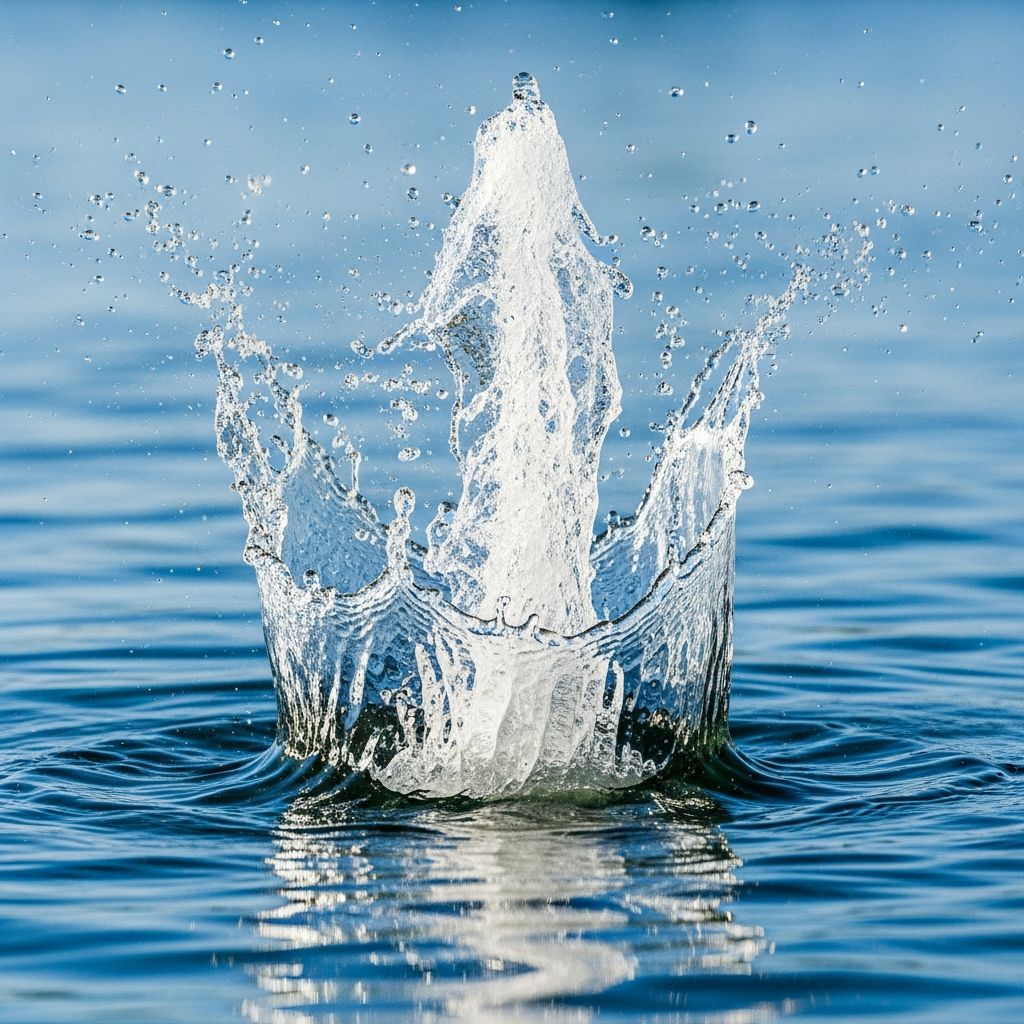
When a jumper hits the water, the size and shape of their body at impact determines how much water is pushed aside. A compact tuck keeps the body rounded so a large curved surface strikes the pool at once.
The more water that is displaced in an instant, the bigger the spray that shoots upward into the air.
Speed and height: higher often means louder
Jumping from a higher spot or pushing off more powerfully usually creates a faster fall into the water. That increased speed at impact leads to more energy transferred into the pool and a more dramatic splash.
Of course, height always has to be balanced with safety and depth, which is why rules about where and how to jump should come first.
Why a tight tuck is only part of the story
Kids often hear that a “tight ball” is the key, but the most spectacular splashes usually come from a combination of a rounded shape, good entry angle, and relaxed limbs that allow a bit more surface to interact with the water.
That is why two children doing cannonballs from the same spot can get very different results; the details of how they hold their bodies and hit the surface matter.
Parents’ Concerns: Noise, Safety, and Respect
For adults, cannonballs can feel like chaos: water everywhere, noise echoing off the concrete, and the constant fear that someone is going to slip or land too close to another swimmer. Those worries are reasonable—and manageable.
With thoughtful boundaries, parents can protect safety, respect others around the pool, and still allow kids the thrill of the big jump.
Smart safety rules for cannonball days
Before approving any splash contests, set clear expectations. Kids respond better when rules are short, consistent, and explained ahead of time instead of only after something goes wrong.
- Only jump where the water is deep enough and jumping is allowed.
- One jumper at a time; wait until the previous person has moved clear.
- No running on slippery decks—walk to the edge, then jump.
- Keep cannonballs away from steps, ladders, and shallow areas.
Respecting shared spaces
Not everyone at the pool wants to be part of a splash zone. It helps to choose times and corners of the pool where fewer people are sunbathing with books or holding small children.
Encouraging kids to ask, “Is it okay if we do cannonballs over here?” teaches empathy and consideration along with physical skills.
How to Teach a Safe, Fun Cannonball
Helping a child learn to cannonball is less about technical perfection and more about creating a safe, step-by-step path from hesitation to confidence. Breaking the jump into simple phases makes it feel approachable.
Parents do not need to be swim coaches. A patient attitude, a watchful eye, and a willingness to get splashed go a long way.
Step-by-step guide for beginners
- Start with straight jumps. Have your child jump feet-first into a safe, deep area while you wait in the water nearby. This builds trust and comfort leaving the edge.
- Add the knee lift. Once straight jumps feel easy, ask them to lightly bend their knees midair without fully tucking, just to practice the motion.
- Introduce the tuck. Next, encourage them to pull their knees higher and wrap their arms loosely around their legs right before hitting the surface.
- Refine the shape. With practice, remind them to keep their back slightly rounded and chin tucked to avoid bumping knees against their face.
- Practice surfacing calmly. After each jump, they should know how to orient themselves, swim to the top, take a breath, and return to the wall.
Common mistakes to avoid
Kids learn quickly from doing, but a few gentle corrections can prevent unnecessary scares or bumps. Talk about these points between jumps, not midair.
- Avoid landing flat on the back or stomach, which can sting and startle younger children.
- Discourage jumping too close to the side, which increases the risk of accidental impact with the wall.
- Remind them to look forward and down, not straight back at the deck, to keep their body aligned with the water.
Turning Cannonballs Into Family Traditions
What begins as one noisy jump can evolve into a set of family rituals that kids remember long after childhood ends. Cannonballs can become a symbol of summer, togetherness, and shared bravery.
Small traditions help mark memories: the first cannonball of the season, last jump before dinner, or a special countdown everyone yells together.
Fun ways to make cannonballs a “thing”
- Opening-day splash. Declare the first warm pool day as the “Official Cannonball Kickoff” and let each family member take a turn.
- Goofiest form contest. Instead of only rewarding the biggest splash, hand out imaginary medals for funniest pose or most creative countdown.
- Parent vs. kid challenge. Let kids judge whose splash looked bigger or sillier, flipping the usual dynamic and giving them a sense of authority.
Table: Cannonball vs. Other Pool Entries
This simple table can help kids understand how different ways of entering the water feel and why they might choose each one.
| Entry Style | Main Goal | Noise & Splash Level | Best For |
|---|---|---|---|
| Cannonball | Make the biggest splash and have fun. | Very high splash, lots of noise. | Playful games, family contests, confident swimmers. |
| Feet-first jump | Simple, safe way to enter deep water. | Moderate splash, easy to control. | Beginners, learning depth changes, quick re-entry. |
| Head-first dive | Streamlined, quiet entry for distance. | Low splash if done correctly. | Swim practice, lap swimming, older kids with lessons. |
| Side slide-in | Gentle, calm entry. | Minimal splash. | Toddlers, nervous swimmers, sharing crowded pools. |
Cannonballs as Tiny Lessons in Resilience
Sometimes a jump does not go as planned: the splash is smaller, the landing stings, or a child swallows an unexpected mouthful of water. How adults respond in those moments shapes whether kids feel defeated or determined.
A quick check-in—“Are you okay?”—followed by encouragement and a chance to try again teaches that small failures are normal and fixable, not reasons to quit.
FAQs About Cannonballs and Kids
Is there a right age to start doing cannonballs?
There is no universal age, but children should be comfortable in deep water, able to swim back to the surface on their own, and able to follow instructions. For many kids, this is sometime in the early elementary years, though readiness matters more than age.
Can cannonballs help kids overcome fear of deep water?
They can, if introduced gradually and respectfully. Treat cannonballs as a later milestone once a child already feels safe floating, treading water, and resurfacing calmly after a regular jump.
Are cannonballs safe for adults too?
Yes, as long as basic safety rules are followed. Adults should check for depth, avoid crowded areas, and be honest about their own comfort and joint health before launching themselves into the air.
What should kids do if they feel disoriented under the water?
Teach them a simple habit: exhale slowly, look for the light above, and kick gently until they reach the surface. Practicing this in a calm moment can make it easier to remember during an unexpected tumble.
How can parents join in without taking over?
Join a few rounds, then step back and become the cheering section. Let kids create their own games and rules, and ask them to teach you their favorite version of the jump.
Why Cannonballs Will Always Belong in Childhood
On the surface, a cannonball is only a noisy leap into chlorinated water. Beneath that surface, it is a tiny adventure: a moment where a child decides to trust their body, embrace a bit of chaos, and see what happens when they take a bold jump.
For parents, saying “yes” to a reasonable number of cannonballs is a way of saying yes to joy, exploration, and the kind of memories that smell faintly of sunscreen and echo with laughter long after the towels are dry.