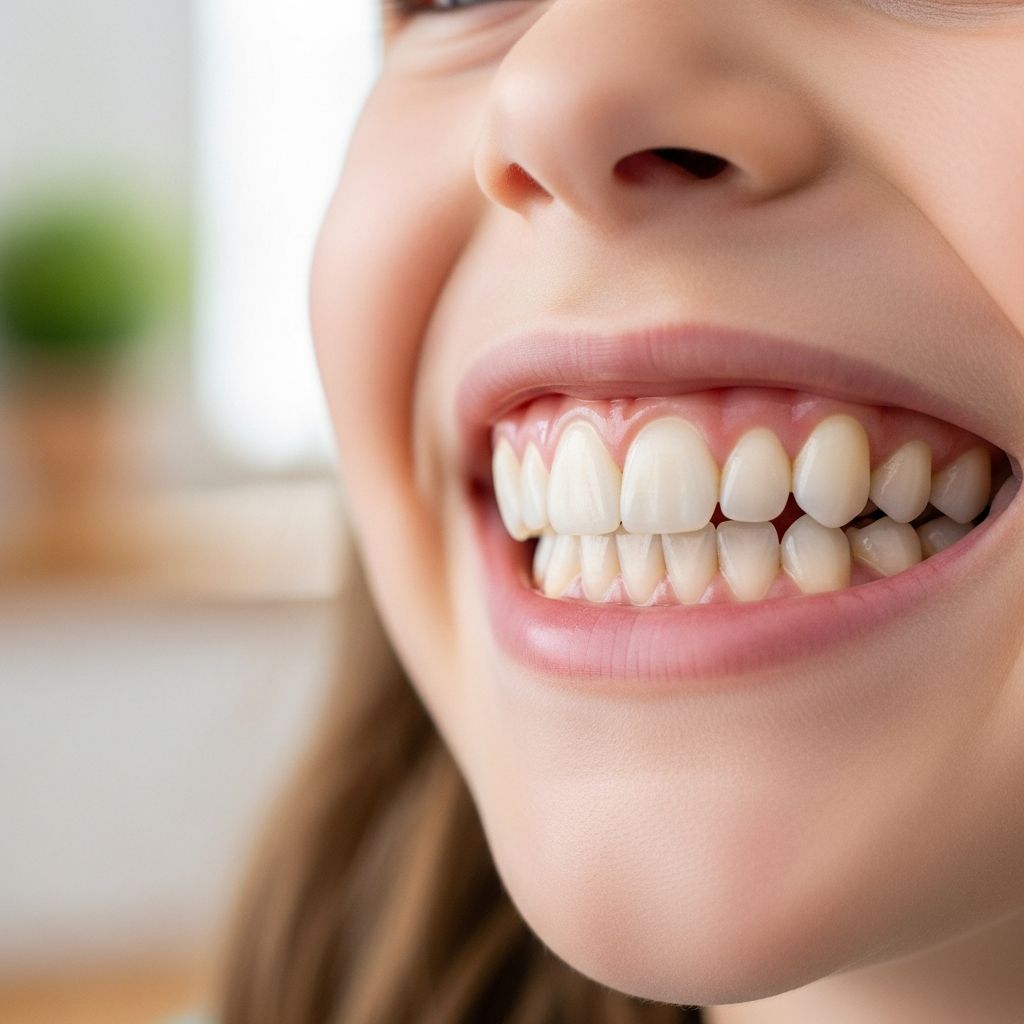
Canine teeth are the slightly pointed teeth that sit next to the flat front teeth, and they play a big role in chewing, speaking, and guiding the way the jaws meet. These teeth show up first as baby teeth and later as permanent teeth, helping children move from soft baby food to biting into tougher foods like apples and sandwiches.
Where Canine Teeth Are in the Mouth
Every child has four canine teeth when the mouth is fully developed: two on the top jaw and two on the bottom jaw. Each canine sits between the front cutting teeth (incisors) and the back chewing teeth (molars or premolars), acting like a bridge between these different tooth types.
- Upper canines are sometimes called “eye teeth” because they sit roughly under the area of the eyes.
- Lower canines sit in the middle of the lower dental arch and help guide the lower jaw when a child bites and chews.
- Canines usually have the longest root of any tooth, making them very strong anchor points in the mouth.
What Makes Canine Teeth Special
Unlike the flat edge of incisors or the wide surface of molars, canine teeth have a pointed or slightly curved tip. This shape helps them grab and tear food rather than just cut or crush it.
- The pointed edge works like a tiny hook, catching and tearing pieces of food.
- The long root helps stabilize the bite so the jaws fit together smoothly.
- Because of their position, canines help guide other teeth into the correct place as a child grows.
Baby Canine Teeth: First Pointy Helpers
Baby canine teeth arrive after many of the front baby teeth and some baby molars have already come in. Although the exact ages vary from child to child, most babies get their canine teeth in the second year of life.
- Upper baby canines usually erupt between about 16 and 22 months.
- Lower baby canines often appear between about 17 and 23 months.
- By around age 3, most children have a full set of 20 baby teeth, including all four canines.
Permanent Canines: Long-Term Bite Protectors
As children grow, baby canine teeth become loose and are replaced with stronger permanent canine teeth. This usually happens during the grade-school years when many other permanent teeth are arriving as well.
- Lower permanent canines commonly erupt between about 9 and 12 years of age.
- Upper permanent canines often come in slightly later, usually between about 10 and 12 years.
- Permanent canines usually replace the baby canines in the same positions along the dental arch.
Canine Tooth Timeline Table
The table below summarizes general age ranges for canine tooth eruption. Every child is different, so small differences in timing are usually normal.
| Tooth Type | Jaw | Typical Eruption Age | Notes |
|---|---|---|---|
| Baby canine | Upper | About 1622 months | Often follow the baby front teeth and first baby molars. |
| Baby canine | Lower | About 1723 months | Frequently appear around the same time as upper canines. |
| Permanent canine | Lower | About 912 years | Arrive during the mixed baby-and-adult-teeth phase. |
| Permanent canine | Upper | About 1012 years | One of the last front teeth to fully erupt. |
How Canine Teeth Help with Eating
Canine teeth turn soft bites into confident chewing by helping kids tackle foods that need more than just a simple bite. They work together with the incisors and molars to make chewing smooth and efficient.
- They tear into tougher textures like meat, crusty bread, and crunchy vegetables.
- They help move food from the front of the mouth to the back molars for grinding.
- They help keep the jaws aligned so the other teeth meet evenly while chewing.
How Canines Affect Speech and Smiles
Beyond chewing, canine teeth play a part in forming certain sounds, especially those that use the tongue and lips against the teeth. They also shape the curve of the smile and the way the upper lip rests on the teeth.
- Missing or poorly placed canines can sometimes make certain speech sounds less clear.
- Well-aligned canines help create a smooth arch, which many people find attractive.
- The shape and color of the canines influence the overall brightness and balance of a smile.
Teething Discomfort: When Canines Come In
When canine teeth erupt through the gums, some babies and children feel mild discomfort or irritability. The pointy shape of the crown can press on the gum tissue more sharply than flatter teeth.
- Children may chew on fingers, toys, or cool teethers to relieve pressure.
- Gums around the new tooth may look slightly swollen or more pink than usual.
- Parents can ask a pediatric dentist or pediatrician about safe ways to ease teething discomfort.
Common Issues Involving Canine Teeth
Canine teeth are sturdy, but they can still develop problems if there is not enough space, if brushing is poor, or if a child has an accident. Early dental checkups can catch many of these concerns while they are easier to fix.
- Crowding: Permanent canines sometimes struggle to find space and may erupt crooked or high in the gum.
- Impaction: A canine that remains trapped in the bone or gum instead of erupting fully is called impacted.
- Tooth decay: Plaque can collect near the gum line and on the ridges, leading to cavities if not cleaned well.
- Chips and fractures: Because canines are used for tearing, they can chip if a child bites something very hard.
How Dentists Manage Canine Tooth Problems
If a dentist notices that canine teeth are not erupting properly or are causing crowding, several treatment options may be discussed. The exact plan depends on the child’s age, jaw growth, and how the other teeth are arranged.
- Monitoring with regular X-rays to see whether the tooth is moving in the right direction.
- Using braces or other orthodontic devices to create space so the canine can move into the correct position.
- In some cases, minor surgical exposure of an impacted canine so it can be gently guided into place with orthodontic treatment.
Daily Care for Strong Canine Teeth
Good habits protect canine teeth just like all other teeth. Children learn these routines early and carry them into their teen and adult years, helping to prevent cavities and gum disease.
- Brush teeth twice a day with fluoride toothpaste, paying special attention to the gum line and curved sides of the canines.
- Floss once a day to clean the spaces between the canines and neighboring teeth.
- Limit sugary snacks and drinks, especially sticky foods that cling to the pointed surfaces.
- Visit a dentist regularly for cleanings, checkups, and sealants or fluoride treatments when recommended.
Helping Kids Learn to Care for Their Canines
Parents and caregivers can turn canine-tooth care into a fun and simple routine rather than a chore. Consistent support helps children feel confident about looking after their own teeth.
- Let children choose a soft-bristled toothbrush with a favorite color or character.
- Use a timer or a short song to help them brush for about two minutes.
- Show them in a mirror where the canine teeth are and how to angle the brush toward the gum line.
- Give praise for good brushing and flossing rather than focusing only on missed spots.
Protecting Canine Teeth During Sports
Because canines sit near the front of the mouth, they are at risk during sports or active play if a child takes a hit to the face. Protective gear helps reduce this risk.
- Use a properly fitted mouthguard for contact sports or activities with a risk of falls.
- Talk to a dentist about custom mouthguards if a child wears braces or has a unique bite.
- Teach children to avoid using their teeth, especially the canines, to open packages or bite hard objects.
Canine Teeth Myths and Fun Facts
Many people notice canine teeth because of their pointed shape, and this has led to a few myths and interesting facts. Learning the truth can make dental development less scary and more fascinating for kids.
- Having slightly more pointed canines does not mean a child has “bad” teeth; it is just a normal variation.
- In many animals, canines are used for defense or hunting, but in humans they mainly help with tearing food and guiding the bite.
- Even though canines are strong, they still need daily care and protection just like every other tooth.
When to Call the Dentist About Canines
Most canine teeth erupt without serious problems, but parents should still watch for signs that a dental visit might be helpful. Early attention can keep small issues from becoming bigger ones.
- No sign of certain canines long after other teeth in the same area have erupted.
- Visible swelling, pain, or a bump in the gum where a canine should be coming in.
- Canines growing far above the normal gum line or turning sideways.
- Any injury to the mouth that makes the canines feel loose, broken, or painful.
Kid-Friendly Canine Tooth Checklist
Children can use a simple checklist to remind themselves how to care for their canine teeth every day. This builds responsibility and helps them see the connection between daily habits and a healthy smile.
- Brush morning and night, including the pointy teeth next to the front ones.
- Floss between the canines and the teeth beside them.
- Wear a mouthguard for sports or rough play.
- Choose water over sugary drinks most of the time.
- Smile in the mirror and check that the canines look clean and feel comfortable.
FAQs About Canine Teeth in Kids
1. Why are my child’s canine teeth more pointed than the others?
Canine teeth are naturally more pointed than front teeth and molars because their main job is to grip and tear food. Slight differences in shape from one child to another are usually normal, and a dentist can confirm that the teeth are healthy and properly aligned.
2. Is it normal for one canine to come in before the others?
Yes, teeth often erupt in pairs or small groups, but one side can appear earlier than the other. If a large time gap or obvious crowding develops, a dental visit can help check the position of the remaining canine.
3. My child’s permanent canine looks yellow compared with the baby teeth. Should I worry?
Permanent teeth, including canines, often look slightly darker than baby teeth because their enamel is thicker and the tooth is larger. As more permanent teeth erupt, the overall color usually looks more even, but regular checkups are important to rule out staining or early decay.
4. Can a missing baby canine mean the adult one will be missing too?
Sometimes a missing baby tooth can be a sign that the permanent tooth is missing, but there are also cases where the adult tooth is present even if the baby version never appeared. X-rays taken by a dentist can show whether the permanent canine is developing in the jaw.
5. Do crooked canines always need braces?
Not every slightly crooked canine needs full orthodontic treatment, but canines that are far out of position can affect the bite, wear on other teeth, and appearance. A dentist or orthodontist can evaluate whether simple monitoring or active treatment is the best choice.
6. How can I help my child clean around braces and the canines?
Special orthodontic brushes, floss threaders, and water-based cleaning devices can make it easier to reach around wires near the canine teeth. Consistent daily cleaning and regular visits to the orthodontist and dentist help keep these teeth healthy while the smile is being straightened.
Key Takeaways for Parents and Kids
Canine teeth may be small compared with molars, but they have a big impact on how children bite, chew, speak, and smile. By watching their development, protecting them from injury, and building strong cleaning habits, families can help these important teeth stay healthy from the baby years through the teen years and beyond.