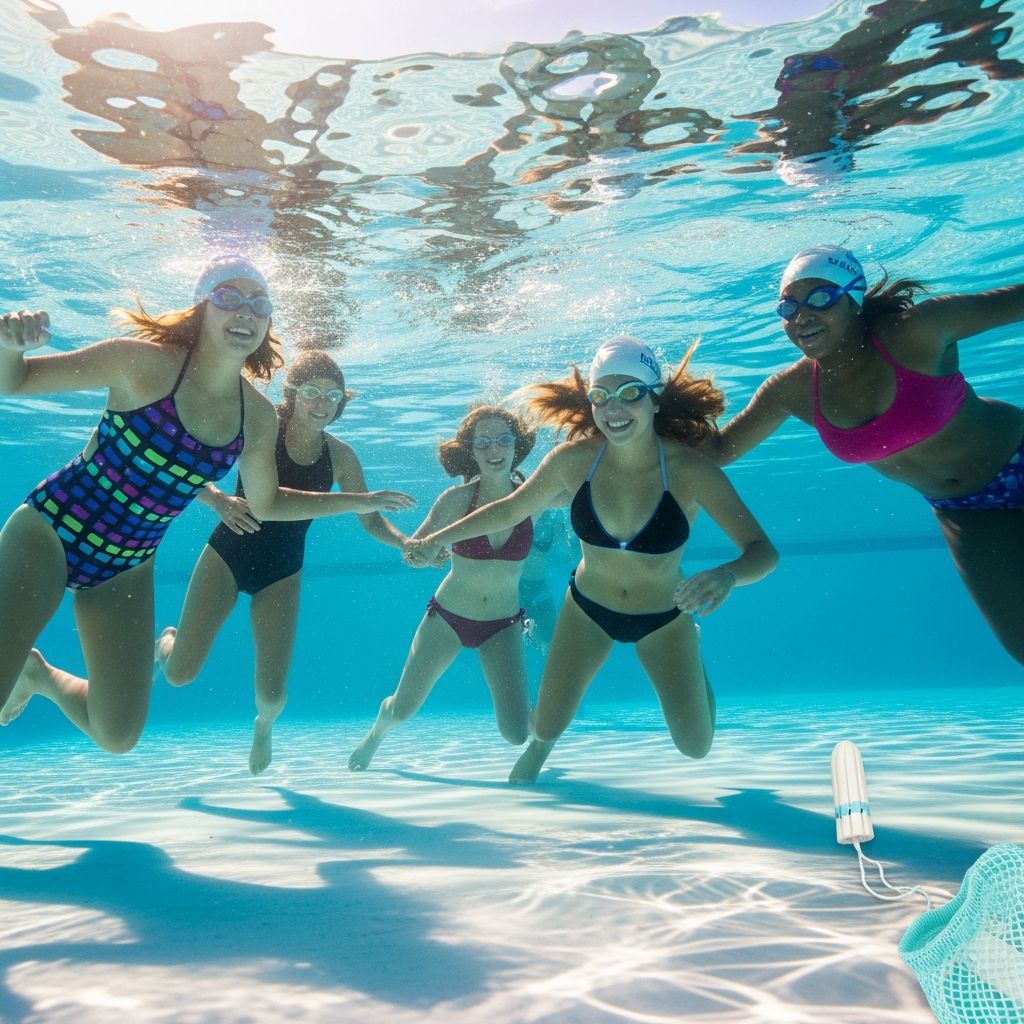
Getting your period doesn’t mean you have to miss out on swimming, beach trips, or pool parties. With the right information and a bit of practice, tampons can help you stay active and comfortable in the water.
Why Periods Don’t Have to Cancel Pool Day
Many teens feel anxious when their period shows up right before a swim meet, vacation, or a long-awaited pool hangout. The good news is that you can usually keep all those plans by learning to use tampons safely and correctly.
Tampons are designed to absorb menstrual blood inside the vagina, which means there’s nothing visible outside your body when you’re swimming. Used properly, they allow you to move, dive, and play without worrying that your period will show.
How Tampons Work Inside Your Body
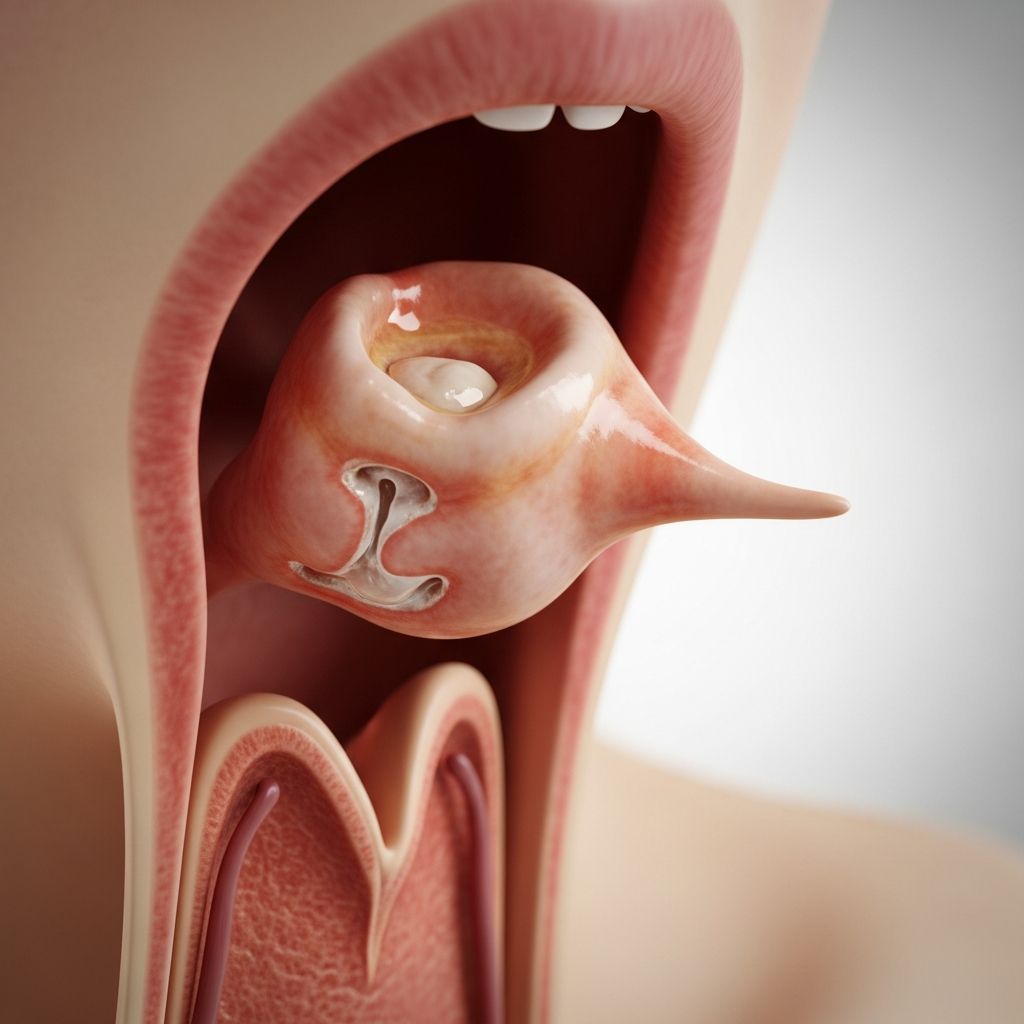
A tampon is a small cylinder made of absorbent material, usually cotton or a cotton blend. Once placed inside the vagina, it gently expands as it absorbs menstrual fluid.
- Position: The tampon sits in the vaginal canal, held in place by the surrounding muscles.
- Absorption: It soaks up menstrual blood as it leaves the uterus and passes through the vagina.
- Removal string: A small string remains outside the vaginal opening, making it easy to pull the tampon out when it’s time to change it.
When inserted correctly, you usually can’t feel a tampon at all. If it feels scratchy, pokes, or causes pressure, it may not be in far enough or may be the wrong absorbency for your flow.
Is It Safe to Swim with a Tampon?
For most healthy teens, swimming with a tampon is considered safe. The tampon blocks menstrual fluid from leaving the vagina, reducing the chance of blood entering the pool or ocean while you swim.
Unlike pads, which sit outside the body and soak up liquid from the outside, tampons work internally, so they are much better suited for swimming and other water activities like surfing, diving, or water polo.
Tampons vs. Pads vs. Period Underwear in Water
Different period products work differently around water. Some are great for swimming, while others are better for dry land.
| Product Type | Works for Swimming? | Pros | Limitations |
|---|---|---|---|
| Tampons | Yes | – Hidden inside the body – Good leak protection in water – Comfortable for many people once they learn to use them | – Requires insertion into the vagina – Must be changed regularly – Not everyone is comfortable using them immediately |
| Pads | No | – Easy to use – Good for sleeping or dry activities | – Absorbs pool or ocean water – Can bunch up and feel heavy – Often visible under swimwear |
| Period Underwear | Sometimes (light use) | – Simple to wear like regular underwear – Reusable and eco-friendly | – Not always designed for full swimming sessions – May feel heavy when soaked – Can show under some swimsuits |
Choosing the Right Tampon for Swimming
Picking a suitable tampon can make a huge difference in how confident you feel around water. If you’re new to tampons, it helps to start with a smaller size and work your way up only if needed.
- Absorbency: For beginners, “light” or “regular” absorbency is usually easiest to insert and remove.
- Applicator type: Many teens find plastic applicators smoother and more comfortable at first than cardboard or non-applicator designs.
- Comfort: If one brand feels uncomfortable, another style or size may feel completely different.
Aim for the lowest absorbency that still prevents leaks. Using a much more absorbent tampon than your flow requires can feel dry and uncomfortable during removal.
Step-by-Step: How to Insert a Tampon
Insertion gets easier with practice. It might feel a bit awkward the first few times, but patience and relaxation help a lot.
Before You Start
- Wash your hands with soap and water.
- Unwrap the tampon and make sure the string is firmly attached.
- Find a comfortable position, such as sitting on the toilet with knees apart or standing with one foot on the edge of the tub.
Inserting the Tampon
- Hold the applicator (if there is one) in the middle, where the two tubes meet, with your thumb and middle finger.
- Use your other hand to gently separate the outer folds of skin around the vaginal opening.
- Angle the applicator slightly toward your lower back, not straight up, and gently slide the tip into the vagina.
- When the thicker part of the applicator is inside, use your index finger to push the inner tube all the way in, sending the tampon into place.
- Remove the applicator and throw it in the trash (not the toilet). The string should hang outside your body.
If you’re using a non-applicator tampon, you will gently guide the tampon inside with your finger instead of using a plastic or cardboard tube.
How to Tell If It’s In Correctly
- You should barely feel it or not notice it at all.
- The string hangs comfortably outside, not too short and not extremely long.
- If you feel pressure or irritation when you sit, laugh, or walk, it may not be far enough in—remove it and try a new one.
Using a Tampon for Swimming Specifically
When you plan to swim, timing and preparation matter. Always start with a fresh tampon right before entering the water and have replacements nearby.
- Put in a new tampon within 30 minutes before you get into the pool or ocean.
- Check that the string is tucked gently inside your swimsuit so it isn’t visible.
- Bring extra tampons and a small bag or pouch so you can change in the restroom if you stay in the water for a long time.
After you finish swimming, it’s a good idea to change to a dry tampon and swimsuit as soon as you comfortably can. This helps you avoid irritation from wet fabric staying against your skin for too long.
What About Water Entering the Vagina?
It’s normal to wonder if pool or ocean water will rush into your vagina or soak your tampon. The vaginal opening is usually partly closed, and the tampon takes up space inside, so only a small amount of water, if any, may enter.
Even if a little water does reach the tampon, it’s usually not a problem. Still, because tampons are absorbent, changing to a fresh one after swimming helps keep things feeling clean and comfortable.
How Often to Change a Tampon
Most health guidelines suggest changing a tampon every 4–8 hours, depending on your flow. You should never leave a tampon in for more than 8 hours.
- On heavier flow days, you may need to change it closer to every 4 hours.
- On lighter days, you might reach the full 6–8 hours, but do not go past 8 hours, even overnight.
When you’re done swimming for the day, switch to a new tampon or to a pad or period underwear if you’re going to relax on land.
Understanding Toxic Shock Syndrome (TSS)
Toxic Shock Syndrome is a rare but serious illness that has been linked to tampon use, among other causes. The risk is low, but it’s still important to know the basics so you can use tampons responsibly.
- Always change tampons regularly and avoid leaving one in longer than 8 hours.
- Choose the lowest absorbency that manages your flow.
- Never use more than one tampon at a time (for example, don’t use two tampons to handle a heavy day).
If you ever feel very sick with symptoms like sudden high fever, vomiting, dizziness, or a rash while using tampons, remove the tampon and tell a parent, guardian, or trusted adult and seek medical care promptly.
Can Virgins Use Tampons?
Yes, people who have never had vaginal intercourse can usually use tampons. Being a virgin is about whether or not someone has had sex, not about using a period product.
There is a thin tissue called the hymen near the vaginal opening, and its shape and size vary widely from person to person. A tampon may stretch or slightly tear this tissue, or it may not, but this does not change who you are or your values.
Common Worries and How to Handle Them
It’s completely normal to feel nervous about tampons and swimming, especially the first few times. Most concerns have simple answers once you understand how tampons work.
- “What if someone can see it?” If the tampon is inserted correctly, only the string is outside the body. Tucking the string into the side of your swimsuit usually keeps it hidden.
- “What if I leak in the pool?” With a fresh, properly fitted tampon, leaks are unlikely. Still, you can wear darker swimsuit bottoms for extra peace of mind.
- “What if it gets stuck?” Your vagina is not a bottomless tunnel. The tampon can’t travel into your uterus or belly. If it feels hard to remove, relax, bear down slightly like you’re having a bowel movement, and gently pull the string.
When to Avoid Swimming with a Tampon
Most of the time, swimming with a tampon is fine, but there are moments when it might be better to skip the water or talk to a health professional first.
- If you have a vaginal infection or unusual discharge and haven’t seen a doctor yet.
- If you’ve just had surgery or a medical procedure on your reproductive organs and were told to avoid tampons.
- If you feel pain, burning, or intense discomfort every time you try to insert a tampon.
In these situations, speak with a parent or guardian and connect with a doctor, nurse, or other trusted health provider to figure out what’s safe for you.
Tips for Your First Time Using a Tampon
Learners often feel more relaxed if they practice tampon use before an actual swim day. This way, you’re not trying something totally new five minutes before jumping into the pool.
- Try your first tampon at home on a day when you’re not rushed or stressed.
- Have a mirror available if it helps you understand where your vaginal opening is.
- Take slow, deep breaths while inserting to help your muscles relax.
- If it doesn’t work on the first try, that’s okay. You can always take a break and try again later.
Hygiene and Disposal
Good hygiene habits make tampon use safer and more comfortable. They also show respect for shared spaces like bathrooms and locker rooms.
- Wash your hands before and after inserting or removing a tampon.
- Wrap used tampons in toilet paper or the wrapper and place them in the trash.
- Avoid flushing tampons; they can clog plumbing and harm the environment.
- Store clean tampons in a dry pouch or bag so they stay protected in your backpack or locker.
Body Positivity and Personal Choice
Some people love the freedom tampons provide, especially for sports and swimming, while others prefer pads or menstrual cups. There is no single “right” period product—only the one that works best for your body, beliefs, and comfort level.
It may take time to figure out what feels best, and that’s okay. You can even switch between products depending on what you’re doing: tampons for swimming, pads or period underwear for sleeping, and so on.
FAQs About Tampons and Swimming
Can I swim on my very first period?
Yes. If you feel ready to try a tampon and can insert it comfortably, you can swim even during your very first period. If you don’t feel ready for tampons yet, it’s also okay to skip swimming until you’re more comfortable.
Will a tampon fall out while I’m swimming?
Normally, no. The muscles around your vagina hold the tampon in place. If it’s inserted fully and the right size for your flow, it should stay put during regular swimming and light activity.
Can I pee with a tampon in?
Yes. The opening where urine leaves the body is different from the vaginal opening, so you can urinate without removing your tampon. Just be sure to move the string gently out of the way so it doesn’t get very wet.
What if I forget there’s a tampon in?
If you think you may have left a tampon in for longer than 8 hours, remove it as soon as you remember. If you can’t find the string or feel unwell (such as fever or dizziness), tell a trusted adult and contact a health provider.
Can I sleep with a tampon after swimming?
You can sleep with a tampon in as long as the total time worn does not go over 8 hours. Many people prefer to switch to a pad or period underwear at night, especially if they tend to sleep longer or worry about forgetting the time.
Do tampons make my period heavier?
No. Tampons do not change how much blood your body releases. They only absorb the fluid that is already coming out, so your period itself does not become heavier or lighter because of a tampon.
Final Thoughts
Swimming during your period is absolutely possible, and tampons are one of the most practical ways to do it comfortably. With a bit of practice, attention to hygiene, and awareness of your body’s signals, you can enjoy pool days, beach trips, and water sports without letting your period control your plans.