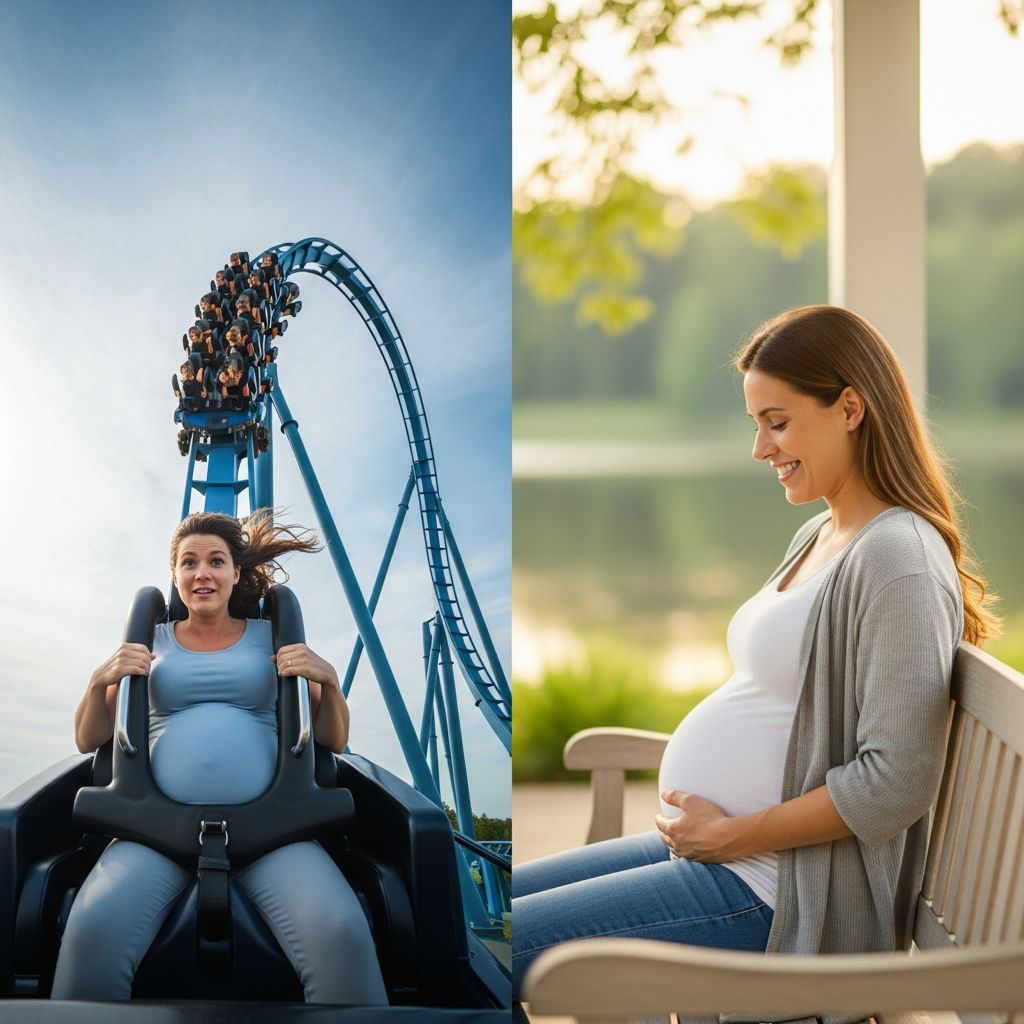
Pregnancy brings joy but also requires caution, especially when planning fun outings like visits to amusement parks. High-speed roller coasters and thrill rides, while exhilarating for many, pose significant concerns for expectant mothers due to the intense physical forces involved. Medical experts universally advise against them to protect both maternal and fetal health. This article delves into the science behind these recommendations, trimester-specific considerations, and practical tips for enjoying parks safely.
Understanding the Physics of Thrill Rides and Pregnancy
Modern roller coasters generate extreme G-forces through rapid acceleration, sudden drops, sharp turns, and inversions. These forces—positive, negative, and lateral—can exceed 4-6 Gs, far beyond everyday experiences. During pregnancy, the body undergoes profound changes: the uterus expands, blood volume increases by up to 50%, and ligaments loosen under hormonal influence. Such dynamics make the body more vulnerable to jarring impacts.
The primary worry is how these forces translate inside the body. Sudden stops and starts create shear stress on internal organs, particularly the uterus. This can dislodge the placenta, leading to serious complications. Even minor jolts, akin to those in low-speed car accidents, have been linked to adverse outcomes in pregnant women.
Key Health Risks Associated with Thrill Rides
Riding intense attractions during pregnancy isn’t just uncomfortable—it’s potentially dangerous. Here’s a breakdown of the main risks:
- Placental Abruption: The forceful movements may cause the placenta to separate prematurely from the uterine wall, cutting off the baby’s oxygen and nutrients. This emergency requires immediate medical intervention and affects about 1% of pregnancies but rises with trauma.
- Miscarriage Risk: In early pregnancy, high-impact jolts could contribute to spontaneous loss, though direct studies on rides are absent due to ethical constraints.
- Preterm Labor: Vibrations and stress might trigger contractions, especially in later trimesters when the cervix softens.
- Maternal Discomfort: Nausea, dizziness, and back strain are amplified by pregnancy hormones and physical changes.
- Fetal Distress: While the fetus is cushioned by amniotic fluid, extreme accelerations could affect heart rate and development.
Amusement parks post clear warnings, prohibiting pregnant visitors from thrill rides. Venues like Disney, Six Flags, and Busch Gardens enforce this strictly, often requiring self-disclosure.
Trimester-by-Trimester Guidance for Amusement Park Visits
Pregnancy risks evolve across trimesters, influencing ride safety.
| Trimester | Ride Types to Avoid | Why? | Safe Options |
|---|---|---|---|
| First (Weeks 1-12) | All coasters, drops, spins | High miscarriage risk; organ formation vulnerable to stress | Walks, shows, gentle carousels |
| Second (Weeks 13-26) | Moderate thrills, water slides | Placenta more secure, but G-forces still risky | Family rides under 2G, train tours |
| Third (Weeks 27+) | Any bumpy or fast ride | Preterm labor risk; larger uterus compresses vessels | Seated shows, parades, dining |
In the first trimester, the embryo is particularly sensitive, with no protective fluid yet. Second trimester offers a relative ‘safe window’ for low-impact fun, but experts still caution against anything vigorous. By the third, mobility issues and labor risks dominate.
Expert Insights from Medical Organizations
Leading authorities align on avoidance. The American College of Obstetricians and Gynecologists (ACOG) classifies thrill rides as high-risk activities, comparable to contact sports. Similarly, the American Pregnancy Association emphasizes that while no ride-specific studies exist—due to inability to ethically test on pregnant women—the physics and accident analogies suffice for prohibition.
Obstetricians note that even ‘mild’ coasters exert forces exceeding safe thresholds. One study on ride simulations showed uterine pressure spikes akin to minor collisions. Parks’ policies reflect this consensus, prioritizing liability and safety.
Alternatives: Family-Friendly Amusement Park Strategies
Skip the coasters? No problem—parks offer plenty of alternatives. Plan around these:
- Live Entertainment: Catch parades, character meets, and shows—pure fun without physical strain.
- Gentle Rides: Opt for carousels, ferris wheels, or slow-moving dark rides (check height/speed limits).
- Themed Areas: Explore gardens, playgrounds, and interactive exhibits.
- Dining and Relaxation: Indulge in park cuisine at shaded spots; stay hydrated.
- Evening Spectacles: Fireworks and light shows provide thrills visually.
Timing matters: Visit mid-week to avoid crowds, wear comfortable shoes, and take breaks. Apps from parks like Universal or Cedar Fair list pregnancy-safe attractions.
Real-Life Experiences and Common Myths
Anecdotes abound of women riding coasters uneventfully, fueling myths of safety. However, absence of personal harm doesn’t negate population-level risks—many complications are silent until severe. Myth: ‘It’s fine in the second trimester.’ Fact: Forces remain dangerous regardless.
Another: ‘Smaller coasters are okay.’ Even family coasters hit 2-3Gs, risky for pregnancy. Always heed signage.
Preparing for a Safe Park Day
Consult your doctor pre-visit. Pack essentials: water, snacks, prenatal vitamins, comfortable layers. Monitor for warning signs like bleeding, contractions, or dizziness—head to medical services immediately (all major parks have them).
For partners: Help scout safe paths, carry bags, and prioritize rest. Apps track wait times for low-thrill options.
Frequently Asked Questions About Pregnancy and Amusement Parks
Can I ride any roller coasters while pregnant?
No, all roller coasters and thrill rides are discouraged due to G-forces risking placental abruption and other issues.
What about water slides or bumper cars?
Avoid them too—sudden impacts and spins pose similar placental separation risks.
Is it safe to visit amusement parks at all?
Yes, stick to walking, shows, and gentle attractions for a fun, low-risk day.
How do parks enforce pregnancy restrictions?
Via signage and honor system; they can’t check medically but ban violators if noticed.
What if I’ve already ridden one—should I worry?
Contact your healthcare provider promptly for monitoring, especially if symptoms arise.
Post-Pregnancy Thrills: Looking Ahead
Once baby arrives, reclaim those coaster seats! Many parks offer mom-baby events. Breastfeeding? Designated lounges abound.
Prioritizing safety now ensures joyful parenting later. Amusement parks await your return—thrill-filled and worry-free.
References
- Roller Coasters While Pregnant — American Pregnancy Association. 2023-05-15. https://americanpregnancy.org/healthy-pregnancy/is-it-safe/roller-coasters-while-pregnant/
- Pregnancy and Roller Coasters — American Pregnancy Association. 2023-05-15. https://americanpregnancy.org/healthy-pregnancy/is-it-safe/roller-coasters/
- Physical Activity and Exercise During Pregnancy and the Postpartum Period — American College of Obstetricians and Gynecologists (ACOG). 2020-04-01. https://www.acog.org/clinical/clinical-guidance/committee-opinion/articles/2020/04/physical-activity-and-exercise-during-pregnancy-and-the-postpartum-period
- Placental Abruption — Centers for Disease Control and Prevention (CDC). 2024-02-20. https://www.cdc.gov/reproductivehealth/maternalinfanthealth/placentalabruption.htm