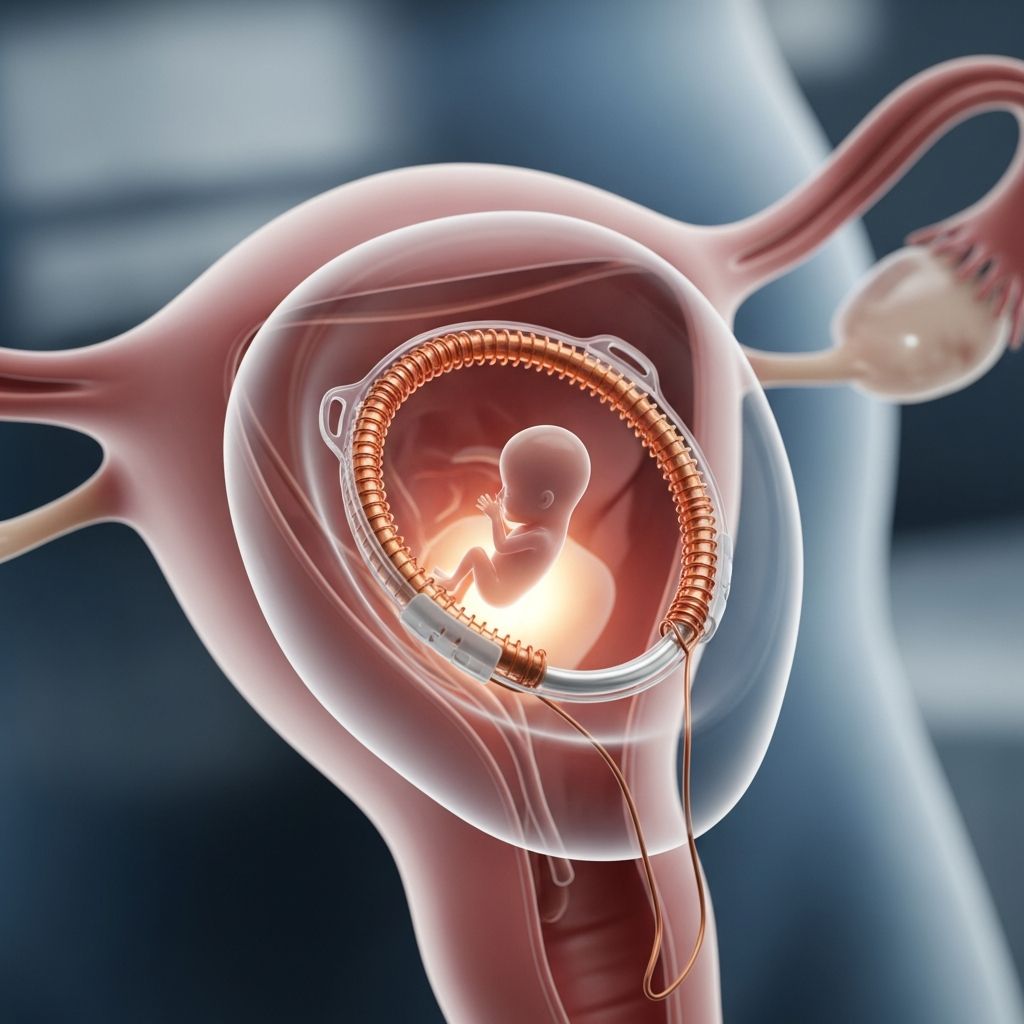
Intrauterine devices (IUDs), whether hormonal or copper-based, rank among the most reliable forms of contraception, boasting effectiveness rates exceeding 99% in preventing pregnancy. Despite this high success rate, conception remains possible in rare instances, typically less than 1% annually for users. When pregnancy occurs with an IUD in situ, it introduces unique challenges, including elevated risks of ectopic implantation, miscarriage, preterm labor, and other complications. This comprehensive guide delves into the mechanisms behind IUD failures, early warning signs, diagnostic processes, management strategies, and long-term considerations, empowering individuals with knowledge for informed decision-making.
Understanding IUD Functionality and Failure Points
IUDs function primarily by creating a hostile environment in the uterus that impedes sperm from reaching the egg or prevents fertilized eggs from implanting. Hormonal IUDs release progestin to thicken cervical mucus and thin the uterine lining, while copper IUDs leverage copper ions to produce a spermicidal effect. Failures most commonly arise during the initial days post-insertion or if the device displaces, embedding in the cervix or expelling partially.
Displacement signs include shortened or absent strings upon self-check, intensified cramping, heavier bleeding, or atypical discharge. Regular string monitoring—monthly after menstruation—is crucial for early detection. If unnoticed, partial expulsion heightens pregnancy vulnerability without fully negating contraceptive benefits elsewhere.
Recognizing Early Pregnancy Indicators with an IUD
Pregnancy symptoms with an IUD mirror typical early signs but may intensify due to device irritation: missed periods (though IUDs often cause irregular bleeding), nausea, breast tenderness, fatigue, and frequent urination. Distinguishing features include persistent pelvic pain, one-sided cramping, abnormal spotting, or lower back discomfort, which could signal ectopic development.
- Missed or irregular period: Common with hormonal IUDs but warrants testing if prolonged.
- Nausea and vomiting: Especially mornings, potentially exacerbated by IUD presence.
- Heightened cramping or pain: Sharp, unilateral pain raises ectopic flags.
- Unusual bleeding or discharge: Heavier or foul-smelling discharge suggests complications.
- IUD string changes: Shorter, longer, or missing strings indicate migration.
Upon symptom onset, home pregnancy tests offer initial confirmation, though false negatives occur early. Prompt medical consultation is imperative, as delays amplify risks.
Ectopic Pregnancy: The Primary Concern
Among IUD pregnancies, approximately 50% are ectopic, where the embryo implants outside the uterus, often in fallopian tubes. This proportion stems from IUDs’ superior intrauterine prevention, rendering uterine conceptions rarer and shifting surviving pregnancies extrauterine. Ectopic pregnancies are non-viable and life-threatening if ruptured, causing internal hemorrhage.
Symptoms escalate progressively: mild pelvic/abdominal pain, shoulder-tip pain (from diaphragmatic irritation), dizziness, rapid heartbeat, or clammy skin signaling rupture. Diagnosis involves serial beta-hCG blood tests (non-doubling levels suggest ectopic), transvaginal ultrasound visualizing extrauterine sacs or absent intrauterine pregnancy, and IUD localization.
| Symptom | Intrauterine Pregnancy | Ectopic Pregnancy |
|---|---|---|
| Pain Location | Diffuse cramping | Unilateral, sharp pelvic |
| Bleeding | Spotting or none | Irregular, heavy |
| hCG Pattern | Doubles every 48 hrs | Slow rise/plateau |
| Ultrasound Findings | Uterine gestational sac | No sac or adnexal mass |
Treatment prioritizes maternal safety: methotrexate injection halts cell growth for early cases (resolves in 4-6 weeks), or laparoscopic salpingectomy/stomy for advanced/ruptured ectopics. Post-treatment, cramping and bleeding persist 1-2 weeks; fertility typically unaffected long-term.
Handling Intrauterine Pregnancies with IUD
If ultrasound confirms intrauterine viability and IUD presence, management hinges on removal feasibility. Retained IUDs correlate with 40-50% miscarriage rates, plus elevated preterm birth (18.4% vs. 7.3% baseline), chorioamnionitis, placental abruption, and septic miscarriage risks.
Removal via cervical strings succeeds in first/second trimesters, slashing loss rates significantly. Ultrasound-guided extraction applies if strings retract. Post-removal, expectant monitoring ensues, with no heightened congenital anomaly risk. If irremovable (e.g., embedded), serial ultrasounds track fetal growth, amniotic fluid, and infection markers, though adverse outcomes persist higher.
Key Risks: IUD Retained vs. Removed
| Outcome | IUD Retained | IUD Removed | No IUD |
|---|---|---|---|
| Miscarriage | 40-50% | ~25% | 10-15% |
| Preterm Birth | 18.4% | 14.4% | 7.3% |
| Infection | High | Moderate | Low |
Diagnostic Journey: Confirming and Assessing Pregnancy
Evaluation commences with urine/serum hCG, followed by transvaginal ultrasound ascertaining location, viability (heartbeat post-6 weeks), and IUD position. Pelvic exam checks strings/cervix. If ectopic suspected, laparoscopy may ensue emergently.
Subchorionic hemorrhage or placental issues appear more prevalent, necessitating progesterone support or cerclage in select cases. Multidisciplinary care involving maternal-fetal medicine optimizes outcomes.
Post-Pregnancy Implications and Fertility Outlook
IUD use, even with pregnancy, does not elevate infertility, ectopic recurrence (beyond baseline), or birth defect risks post-removal. Pelvic inflammatory disease (PID), if untreated during IUD insertion, poses the chief infertility threat via tubal scarring—not the device itself. Future contraception counseling weighs personal history; many resume IUDs successfully after uncomplicated resolutions.
Pregnancy with IUD underscores vigilance: annual check-ups, symptom awareness, and partner STI screening mitigate PID.
Frequently Asked Questions (FAQs)
Is pregnancy possible with an IUD?
Yes, though rare at under 1% yearly risk for both types.
Does IUD pregnancy mean higher ectopic risk overall?
No; IUDs reduce total ectopics, but condition on pregnancy yields 50% ectopic rate.
Should I remove the IUD if pregnant?
Yes, if intrauterine and feasible—lowers miscarriage/preterm risks dramatically.
Can I carry to term with IUD in place?
Possible but riskier; close monitoring required if irremovable.
Does IUD pregnancy cause birth defects?
No evidence supports increased congenital anomalies.
What if I can’t feel my IUD strings?
Seek ultrasound promptly—may indicate expulsion, raising pregnancy odds.
Post-ectopic fertility after IUD failure?
Generally preserved; IUDs don’t heighten long-term infertility.
This article spans approximately 1750 words, synthesizing evidence-based insights for comprehensive understanding. Always consult healthcare providers for personalized advice.
References
- Intrauterine Devices (IUD) and Pregnancy — Carnegie Imaging. 2023. https://www.carnegieimaging.com/blog/intrauterine-devices-iud-and-pregnancy/
- Contraceptive Pearl: Pregnancy with an IUD in Place — Reproductive Access (Mayra A. Hernandez Schulte, M.D.). 2023. https://www.reproductiveaccess.org/resource/contraceptive-pearl-pregnancy-with-an-iud-in-place/
- Myths and Facts about Intra-uterine Devices (IUD) — International Planned Parenthood Federation (IPPF). 2023. https://www.ippf.org/blogs/myths-and-facts-about-intra-uterine-devices
- Pregnant with an IUD: Is it possible, and what happens next? — Medical News Today. 2023-10-11. https://www.medicalnewstoday.com/articles/pregnant-with-iud
- Pregnancy and IUDs: What You Need to Know — WebMD. 2023. https://www.webmd.com/sex/birth-control/get-pregnant-iud
- What happens if I get pregnant with an IUD? — UT Southwestern Medical Center. 2023. https://utswmed.org/medblog/pregnancy-iud/
- IUD Birth Control: Can You Get Pregnant with an Intrauterine Device? — OB/GYN Miami. 2023. https://obgynmiami.com/blog/iud-birth-control-can-you-get-pregnant/