Conception requires precise timing within the menstrual cycle, making it unlikely—but not impossible—to get pregnant immediately before menstruation begins. This article delves into the biology of fertility, cycle variations, and practical strategies for those planning or avoiding pregnancy.
Understanding the Menstrual Cycle Basics
The menstrual cycle, typically spanning 28 days, divides into key phases that dictate fertility. Day 1 marks the start of bleeding, lasting 2-7 days as the uterine lining sheds. The follicular phase follows, where follicle-stimulating hormone (FSH) prompts egg development in the ovaries.
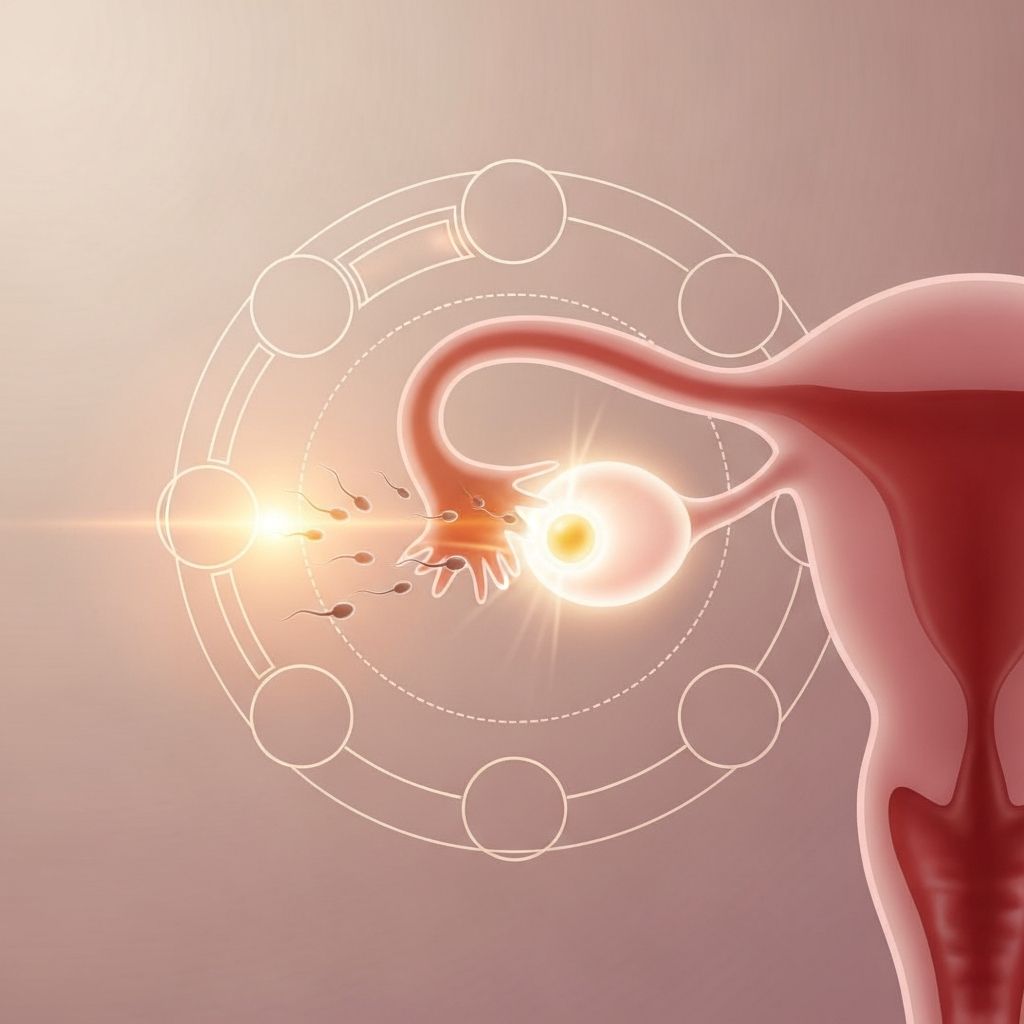
Ovulation occurs roughly mid-cycle, around day 14 for a standard 28-day cycle, releasing a mature egg into the fallopian tube. This egg remains viable for 12-24 hours. Sperm, surviving up to 5 days in the reproductive tract, creates a fertile window spanning 5-6 days: the day of ovulation plus the prior 5 days.
The luteal phase ensues post-ovulation, lasting about 14 days until the next period if no fertilization happens. During this stable phase, no new egg is released, drastically reducing conception odds.
The Fertile Window: When Conception is Most Likely
- Peak Fertility Days: Ovulation day and the 2-3 days preceding it offer the highest chances, up to 30% per cycle with timed intercourse.
- Sperm Longevity: Viable for 2-5 days, allowing fertilization if ovulation follows soon after sex.
- Egg Lifespan: Limited to 12-24 hours, narrowing the post-ovulation window.
For a 28-day cycle, the fertile window falls around days 10-15. Sex outside this period, especially deep into the luteal phase (days 15-28), carries minimal risk since the egg has degenerated.
Can Conception Happen Right Before Menstruation?
Directly before your period—say, 1-2 days prior—the probability is very low. In typical cycles, ovulation concludes 10-14 days earlier, placing pre-period days firmly in the luteal phase where no viable egg exists. However, cycle irregularities can shift this dynamic.
| Days Before Period | Conception Likelihood | Reason |
|---|---|---|
| 14 days | High | Peak fertile window near ovulation |
| 10 days | Moderate-High | Late fertile window |
| 5-7 days | Low-Moderate | Early luteal phase; possible late ovulation |
| 1-2 days | Very Low | Late luteal; egg long gone in most cases |
Variations like shorter cycles (e.g., 21-24 days) or delayed ovulation can extend the fertile window closer to menstruation. Stress, illness, or hormonal shifts may cause ovulation as late as day 18-20 in a 28-day cycle, making sex 7-10 days before the period riskier.
Factors Influencing Ovulation Timing
Not all cycles are textbook. Here’s what impacts predictability:
- Cycle Length Variability: Ranges 21-35 days; shorter cycles ovulate earlier, potentially overlapping post-period fertility.
- Hormonal Fluctuations: Conditions like PCOS or thyroid issues alter FSH/LH surges, delaying or skipping ovulation.
- Lifestyle Factors: Extreme exercise, weight changes, or travel disrupt rhythms.
- Age: Fertility peaks in 20s, declines after 35 with irregular ovulation.
Even regular cycles can vary by 2-7 days monthly, underscoring why rhythm-based contraception fails 24% of the time annually.
Debunking Common Fertility Myths
- Myth: Safe Days are Always Reliable. False—sperm survival and ovulation unpredictability create overlap risks.
- Myth: Period Sex is 100% Safe. Unlikely but possible if cycles shorten and ovulation follows quickly.
- Myth: Pre-Period is Infertile Zone. Mostly true, but late ovulators face exceptions.
Relying solely on calendar methods ignores these realities. Combine tracking with barriers or hormones for efficacy.
Tracking Ovulation for Better Control
Maximize conception odds or minimize risks by monitoring:
- Basal Body Temperature (BBT): Rises 0.5-1°F post-ovulation; chart daily mornings.
- Cervical Mucus: Becomes clear, stretchy (egg-white) near ovulation.
- Ovulation Predictor Kits (OPKs): Detect LH surge 24-36 hours before egg release.
- Apps: Log cycles, symptoms; AI predicts windows with 90%+ accuracy over time.
For conception seekers, aim intercourse every 1-2 days during predicted fertile windows.
Contraception Options During Low-Fertility Phases
Pre-period days suit low-intervention methods if avoiding pregnancy:
| Method | Effectiveness | Best For |
|---|---|---|
| Condoms | 98% (perfect use) | STI prevention + fertility control |
| Hormonal Birth Control | 99% | Cycle regulation |
| Fertility Awareness (with tracking) | 76-88% | Hormone-free, but requires diligence |
| Copper IUD | >99% | Long-term, non-hormonal |
No method is foolproof sans perfect use; consult providers for personalization.
Recognizing Early Pregnancy Signs Near Period Time
Implantation bleeding (light spotting 6-12 days post-ovulation) mimics pre-period flow. Other signs: tender breasts, fatigue, nausea. Test accuracy peaks after missed period; wait 1 week for reliable negatives.
Frequently Asked Questions
What are the exact odds of pregnancy 3 days before my period?
Extremely low (<5%) in regular cycles, as this is late luteal phase. Risks rise with irregularities.
Does a short cycle increase pre-period conception risk?
Yes—ovulation may occur closer to menstruation, extending fertile overlap.
Can I get pregnant if I ovulate late?
Absolutely; a delayed egg release shifts the window nearer period start.
Is withdrawal method safe pre-period?
Not fully—pre-ejaculate contains sperm, and timing errors compound risks.
How soon post-sex can I test for pregnancy?
Wait until missed period or 10-14 days post-intercourse for accuracy.
Expert Advice for Family Planning
Whether trying to conceive or not, understanding your cycle empowers decisions. Apps and kits aid tracking, but pair with professional guidance. ACOG recommends cycle logging for fertility optimization. For avoidance, barrier methods or IUDs offer reliability without hormones.
Irregularities warrant medical review—hormone tests or ultrasounds pinpoint issues. Nutrition, sleep, and stress management enhance cycle regularity.
References
- Trying to Get Pregnant? Here’s When to Have Sex — American College of Obstetricians and Gynecologists (ACOG). 2023. https://www.acog.org/womens-health/experts-and-stories/the-latest/trying-to-get-pregnant-heres-when-to-have-sex
- Periods and fertility in the menstrual cycle — National Health Service (NHS). 2024-10-15. https://www.nhs.uk/conditions/periods/fertility-in-the-menstrual-cycle/
- Can You Get Pregnant Right Before Your Period? — Healthline (reviewed by medical experts). 2023-05-12. https://www.healthline.com/health/healthy-sex/can-you-get-pregnant-right-before-your-period
- Right Time For Sex, When Do You Ovulate? — Your Fertility (supported by health authorities). 2024. https://www.yourfertility.org.au/everyone/timing
- Sex before / after 7 days of menstruation, pregnancy? — Vinmec International Hospital. 2023-08-20. https://www.vinmec.com/eng/blog/sex-before-after-7-days-of-menstruation-pregnancy-en