Many individuals trying to conceive wonder whether pregnancy is possible immediately after their menstrual period concludes. The straightforward answer is yes—conception can occur in the days following menstruation, but the likelihood depends significantly on individual variations in cycle length and ovulation timing. Understanding the biological mechanisms that govern your menstrual cycle empowers you to make informed decisions about family planning and reproductive health.
The Biological Foundation of Your Menstrual Cycle
Your menstrual cycle typically spans 28 days, though normal cycles can range anywhere from 21 to 35 days. Day one of your cycle coincides with the first day of menstrual bleeding. Around day five of your cycle, estrogen levels begin to rise, signaling your body to prepare the uterine lining for a potential pregnancy. This preparatory phase continues until ovulation occurs.
Ovulation—the release of a mature egg from your ovary—ordinarily happens around day 14 in a standard 28-day cycle[10]. However, the exact timing varies considerably among individuals and can fluctuate from cycle to cycle. Once released, the egg enters the fallopian tube where it remains viable for approximately 24 hours. This narrow window is why understanding your specific ovulation pattern proves so valuable for conception planning.
What Defines Your Fertile Window?
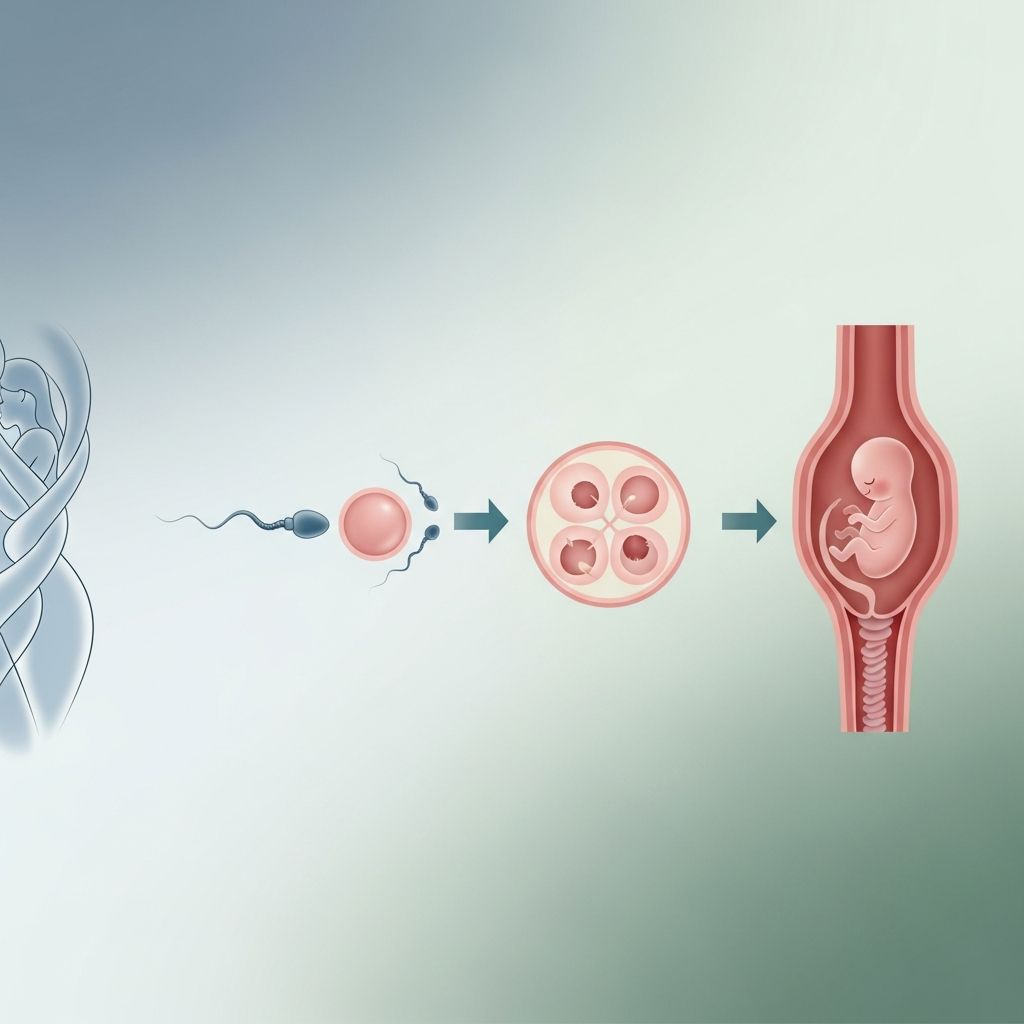
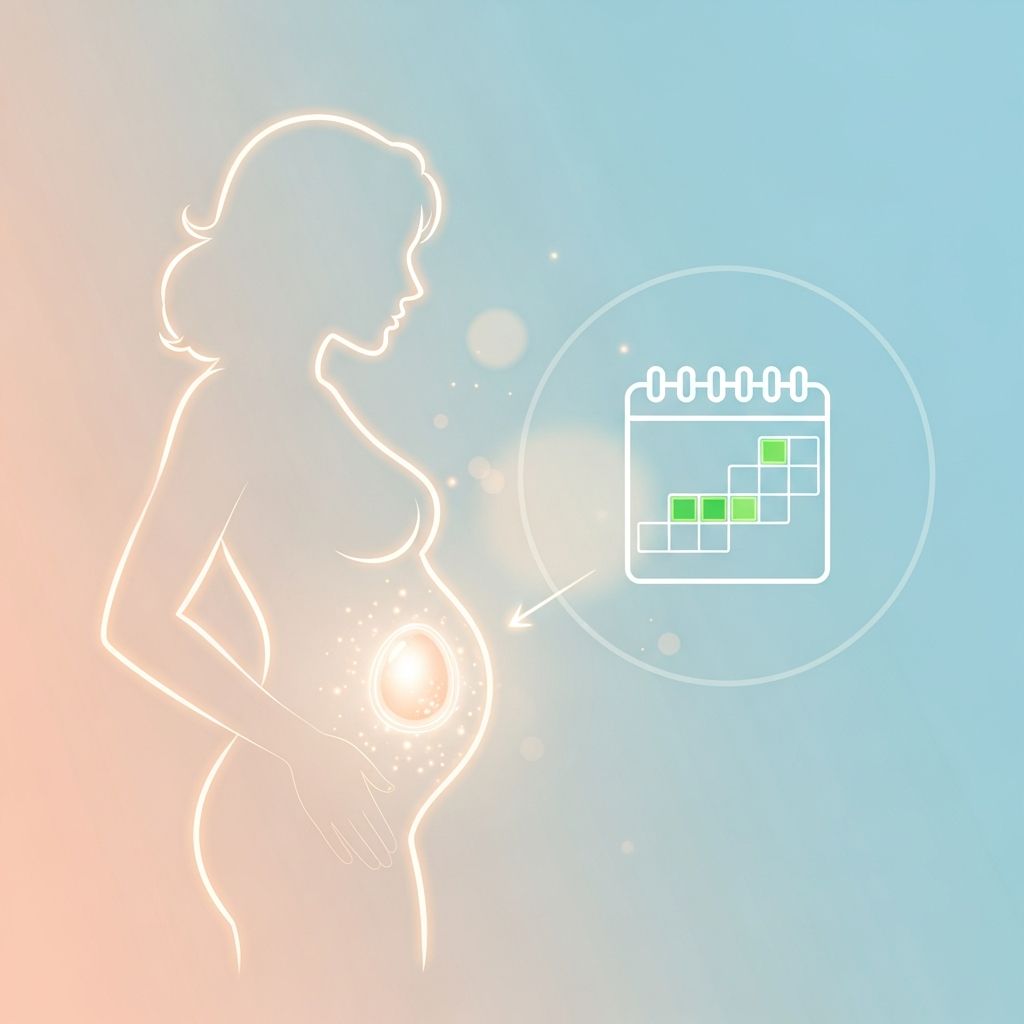
The fertile window represents a six-day period during which pregnancy can occur. This window includes the five days immediately preceding ovulation plus the day of ovulation itself. The reason this window extends backward from ovulation relates to sperm viability: sperm cells can survive within the female reproductive tract for up to five days. This means conception can occur even if intercourse happens several days before the egg is released.
For individuals with a typical 28-day cycle and standard ovulation on day 14, the fertile window generally spans from day 9 through day 14. During this period, pregnancy chances increase progressively as ovulation approaches, with the highest conception probability occurring in the one to two days immediately before ovulation.
When Can Pregnancy Occur Right After Your Period?
Conventionally, getting pregnant immediately after menstruation seems unlikely given that ovulation typically occurs mid-cycle, far removed from when menstruation happens. However, particular cycle characteristics can shift this pattern significantly.
If your menstrual cycle is shorter than average—fewer than 28 days—ovulation may occur earlier in your cycle than the typical day 14. Someone with a 21-day cycle, for example, might ovulate around day 7 or 8. Additionally, if your period lasts six to seven days, your menstruation extends further into your cycle. When these two factors combine—an early ovulation and an extended period—the end of your menstrual bleeding can coincide with the beginning of your fertile window, making conception possible immediately afterward.
Medical research confirms this possibility is real though uncommon. According to documented studies, fewer than 1% of cases result in pregnancy from intercourse occurring immediately after menstruation. Nevertheless, it remains theoretically possible and has been documented in clinical literature.
For individuals with particularly short cycles, conception could theoretically occur as early as three days after menstruation begins. This scenario typically requires both a short cycle (such as 21 days) and early ovulation, combined with intercourse timed perfectly near ovulation.
Examining Cycle Length Variations
Your cycle length plays a crucial role in determining when you can become pregnant after menstruation. Standard cycles average 28 days, but significant variation is normal and healthy:
- Short cycles: 21 to 24 days—ovulation occurs correspondingly earlier
- Average cycles: 25 to 28 days—ovulation typically occurs around day 12 to 14
- Longer cycles: 29 to 35 days—ovulation happens later in the cycle
Someone with a short cycle, particularly one lasting just 21 days, has a higher probability of ovulating soon after menstruation concludes. This directly translates to a meaningful window for conception in the days immediately following period cessation.
The Role of Period Duration in Fertility Timing
How long your period lasts also influences whether pregnancy is possible shortly afterward. Most menstrual periods last between two and seven days. If your period typically runs longer—toward the five to seven day range—and you have a shorter-than-average cycle, the convergence between your period’s end and your fertile window’s beginning becomes more probable.
For example, someone whose period lasts seven days and whose cycle totals 24 days would have their fertile window beginning near day nine. Since their period would end around day seven, they could theoretically conceive within one to two days of their period stopping.
Conception Probability by Timing Relative to Ovulation
Research has established clear data regarding pregnancy likelihood based on when intercourse occurs relative to ovulation:
| Days Before Ovulation | Average Pregnancy Probability |
|---|---|
| Seven days before | 3% |
| Six days before | 6% |
| Five days before | 9% |
| Four days before | 18% |
| Three days before | 27% |
These statistics demonstrate that while conception is theoretically possible up to five days before ovulation, the probability climbs substantially as the ovulation date approaches. The day or two immediately before ovulation provides your optimal conception window.
Identifying When Pregnancy is Least Likely
Just as the fertile window represents peak fertility, certain times in your cycle present minimal pregnancy risk. The period approximately one week after ovulation represents the least likely time for conception to occur. This timeframe falls into your luteal phase—the second half of your menstrual cycle when hormonal changes make pregnancy increasingly unlikely.
Understanding these low-fertility periods helps individuals make informed reproductive choices, whether they’re attempting to achieve pregnancy or preferring to avoid it. However, relying solely on cycle timing without additional contraceptive methods remains unreliable for pregnancy prevention.
Strategies for Accurate Ovulation Tracking
To understand your personal fertility pattern and identify when you might conceive after your period, tracking becomes invaluable. Several methods provide useful information:
- Period-tracking applications that record cycle dates and identify patterns over multiple months
- Basal body temperature tracking, which shows a slight rise following ovulation
- Ovulation predictor kits that detect hormonal surges preceding egg release
- Cervical mucus observation, which changes consistency throughout your cycle
- Calendar-based methods that estimate fertile windows based on historical cycle data
Tracking across multiple cycles reveals your unique patterns, allowing you to predict ovulation timing with greater accuracy. This personalized information proves far more reliable than generic advice about cycle timing.
What Should You Know About Irregular Cycles?
Not everyone experiences predictable, regular menstrual cycles. Irregular cycles—those varying by eight or more days from cycle to cycle—present additional complexity when trying to predict ovulation. Individuals with irregular cycles may find it substantially more challenging to anticipate fertile windows because ovulation timing varies unpredictably.
In these situations, ovulation prediction kits and medical consultation become particularly valuable, as calendar calculations alone may prove insufficient. Your healthcare provider can offer more personalized guidance based on your specific cycle characteristics.
When Seeking Medical Guidance Becomes Appropriate
If you’re trying to conceive, understanding timelines helps you assess whether additional support might benefit you. Research indicates that most couples under 35 years old achieve pregnancy within one year of attempting conception. If pregnancy hasn’t occurred within this timeframe, consulting a healthcare provider becomes advisable. For individuals over 35, seeking medical evaluation after approximately six months of attempting conception is recommended, as fertility can decline with advancing age.
Your doctor can conduct evaluations to identify potential obstacles to conception and provide tailored recommendations based on your specific circumstances.
Important Considerations for Contraception
Understanding that pregnancy is possible shortly after menstruation remains crucial for anyone seeking to prevent pregnancy. Unprotected intercourse during any part of your fertile window—including days immediately following period cessation—carries genuine pregnancy risk for individuals with shorter cycles or extended periods. Relying solely on timing without backup contraception methods provides inadequate pregnancy prevention.
Discussing contraceptive options with your healthcare provider ensures you select methods aligning with your reproductive goals and lifestyle.
Frequently Asked Questions About Post-Period Conception
Can you get pregnant five days after your period ends?
Yes, pregnancy is possible five days after your period concludes, particularly if you have a shorter cycle or your period lasts longer than average. Five days post-period typically corresponds to days 7-12 of your cycle. Depending on your individual ovulation timing, this could fall within your fertile window.
Is it possible to get pregnant a week after your period?
Absolutely. One week after period cessation often coincides with approaching your fertile window, especially in standard 28-day cycles where ovulation occurs around day 14. This timing typically falls within the recommended window for attempting conception.
How does a 28-day cycle affect post-period pregnancy chances?
In a textbook 28-day cycle with a five to seven-day period, ovulation ordinarily occurs around day 14, placing your fertile window from approximately days 9-14. This means pregnancy immediately after your period (days 1-7) is less likely unless your period runs particularly long. However, ovulation timing can vary even in regular cycles, so pregnancy remains possible.
What’s the earliest possible time after starting your period when pregnancy could occur?
For individuals with short cycles and early ovulation, pregnancy could theoretically occur as early as three days after menstruation begins. This requires optimal timing conditions including a shortened cycle and intercourse aligned precisely with ovulation.
Should I use birth control if I want to prevent pregnancy after my period?
Yes, absolutely. Relying on period timing alone provides insufficient pregnancy prevention, particularly if you have a shorter cycle or longer period. Using reliable contraceptive methods ensures consistent protection regardless of cycle variations.
What’s the most reliable way to track my fertile window?
Combining multiple tracking methods provides the most accurate assessment. Using period-tracking applications alongside ovulation predictor kits, basal body temperature monitoring, or cervical mucus observation creates a comprehensive picture of your fertility. Tracking across several cycles reveals your personal patterns, enabling better prediction.
References
- Can you get pregnant right after your period ends? — Flo Health. 2025. https://flo.health/getting-pregnant/trying-to-conceive/tracking-ovulation/can-you-get-pregnant-right-after-your-period
- Can You Get Pregnant Right After Your Period? — The Bump. 2025. https://www.thebump.com/a/can-you-get-pregnant-right-after-your-period
- Can you get pregnant right after your period? How to tell — Medical News Today. 2024. https://www.medicalnewstoday.com/articles/can-you-get-pregnant-right-after-your-period
- Periods and fertility in the menstrual cycle — National Health Service (NHS). 2025. https://www.nhs.uk/conditions/periods/fertility-in-the-menstrual-cycle/
- The timing of the “fertile window” in the menstrual cycle — National Institutes of Health (NIH/PubMed Central). 2025. https://pmc.ncbi.nlm.nih.gov/articles/PMC27529/
- How to get pregnant — Mayo Clinic. 2025. https://www.mayoclinic.org/healthy-lifestyle/getting-pregnant/in-depth/how-to-get-pregnant/art-20047611
- Ovulation: Calculating, Timeline, Pain & Other Symptoms — Cleveland Clinic. 2024. https://my.clevelandclinic.org/health/articles/23439-ovulation