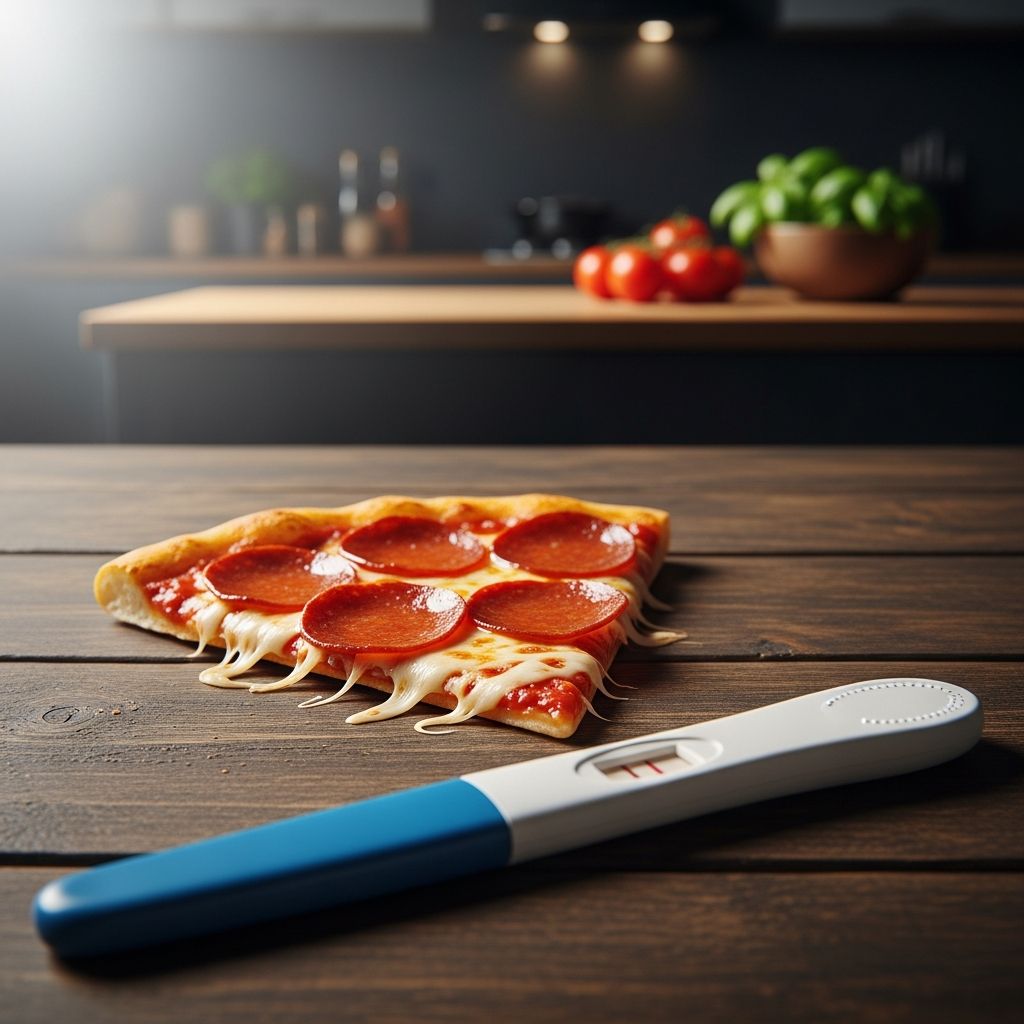
Pregnant individuals often face heightened food cravings, with pepperoni—a spicy, cured sausage popular on pizzas and in sandwiches—being a common one. However, due to risks like listeria contamination in processed meats, caution is advised. Health authorities recommend cooking pepperoni thoroughly before consumption to minimize bacterial threats to both mother and baby.
Understanding the Risks of Cured Meats in Pregnancy
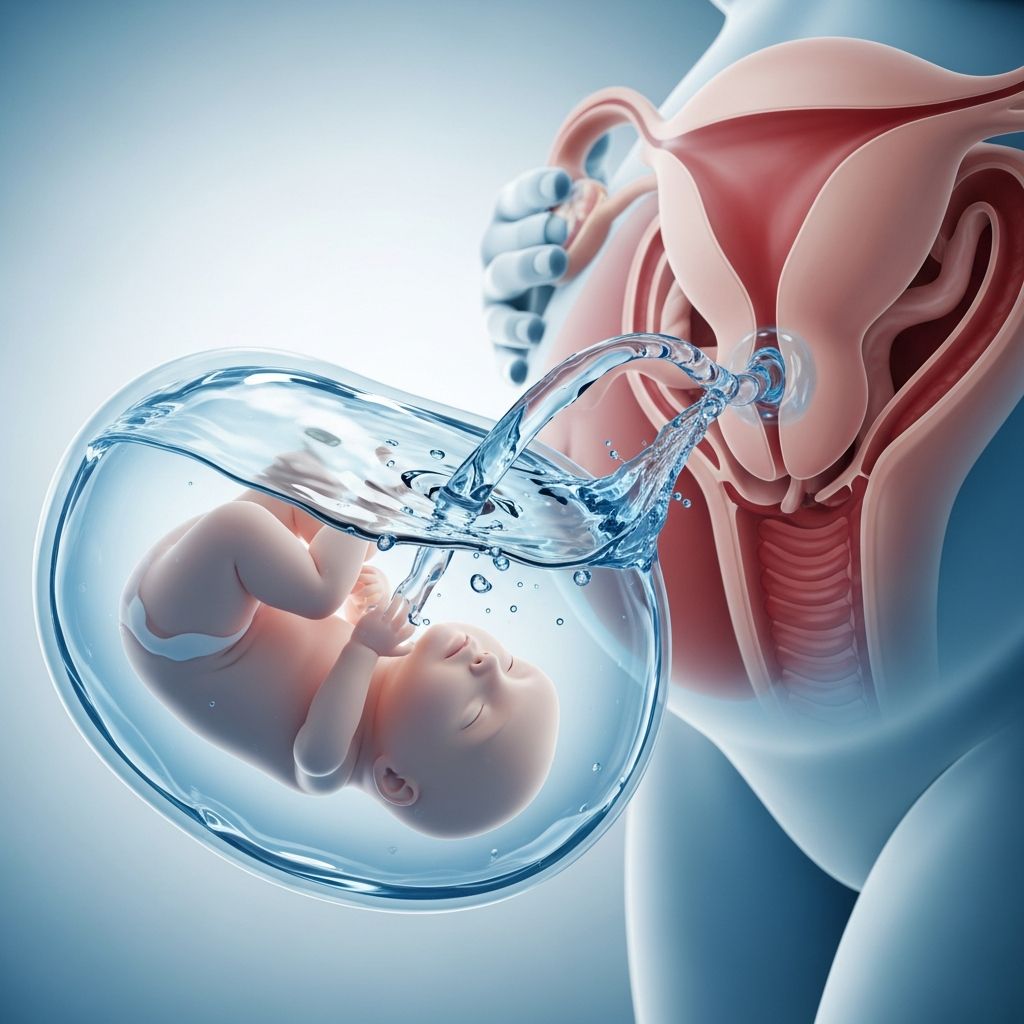
During pregnancy, the immune system undergoes changes that make expectant mothers 10 times more susceptible to listeria infections, a bacterium that thrives in ready-to-eat deli meats including pepperoni. Listeria can lead to severe complications such as miscarriage, preterm labor, or neonatal infections. Cured meats like pepperoni, salami, and prosciutto are not fully cooked during processing, creating an environment where harmful pathogens can survive.
Other concerns include toxoplasmosis from undercooked or raw meats, which poses miscarriage risks, and high sodium levels in pepperoni that may contribute to gestational hypertension if overconsumed. The NHS specifically flags cold cured meats like pepperoni as items to handle carefully unless heated thoroughly.
- Listeria vulnerability: Pregnant women face higher infection rates from contaminated processed meats.
- Toxoplasmosis threat: Parasites in uncooked cured products can harm fetal development.
- Sodium overload: Excessive intake may elevate blood pressure risks.
Safe Ways to Enjoy Pepperoni During Pregnancy
Pepperoni isn’t entirely off-limits; the key is proper preparation. Health experts from the CDC and Mayo Clinic emphasize heating deli meats to an internal temperature of 165°F (74°C) until steaming hot to kill bacteria.
| Food Type | Riskier Choice | Safer Choice |
|---|---|---|
| Processed Meats | Cold pepperoni slices, straight from the package | Pepperoni baked on pizza or heated in a skillet to 165°F |
| Storage | Refrigerated pre-sliced pepperoni eaten raw | Freshly cooked and consumed immediately |
| Alternatives | Deli counter meats | Canned or shelf-stable versions, fully heated |
For pizza lovers, ordering with extra cook time or baking at home ensures safety. Avoid pre-made sandwiches with cold pepperoni; opt for hot preparations instead.
Healthier Alternatives to Satisfy Pepperoni Cravings
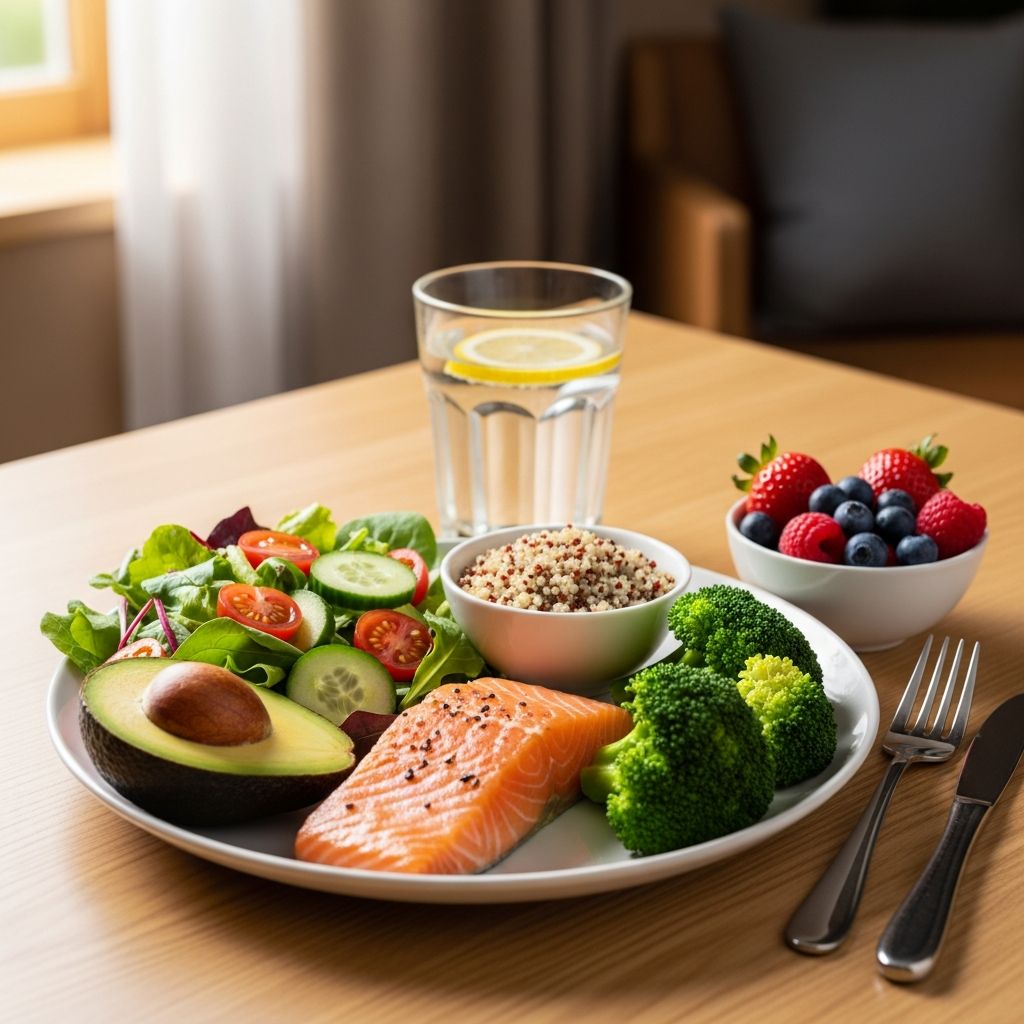
If risks deter you, swap in pregnancy-safe options that mimic pepperoni’s bold flavors. These provide similar taste profiles with lower bacterial risks and added nutrients.
- Turkey or chicken pepperoni: Leaner meats, lower in fat and sodium; cook thoroughly.
- Vegetarian pepperoni: Plant-based versions made from soy or seitan, free from listeria concerns.
- Spicy vegetables: Bell peppers, jalapeños, or pepperoncini for heat without meat risks.
- Freshly cooked sausage: Ground turkey seasoned with paprika and fennel, mimicking pepperoni spice.
Seafood lovers can incorporate low-mercury options like canned tuna (heated) for omega-3s, as recommended by Dietary Guidelines—up to 12 ounces weekly.
General Food Safety Rules for Expectant Mothers
Beyond pepperoni, adhere to core practices: Clean hands and surfaces, separate raw meats from produce, cook to safe temperatures, and chill perishables promptly.
- Wash fruits and vegetables under running water.
- Use a food thermometer for all meats.
- Avoid unpasteurized dairy and juices.
- Steer clear of raw eggs in homemade dressings.
For dining out, request meats be heated steaming hot and choose freshly prepared items.
Nutritional Considerations: Balancing Cravings and Diet
Pepperoni offers protein and fats but is high in sodium (over 500mg per ounce) and preservatives. A balanced pregnancy diet prioritizes whole foods: leafy greens, lean proteins, and whole grains. If indulging, pair with veggies for fiber.
Pregnancy requires 300 extra daily calories in the second trimester, focusing on nutrient density. Opt for iron-rich cooked meats over cured varieties to combat anemia risks.
Expert Insights from Leading Health Organizations
The CDC advises avoiding refrigerated pâtés and cold-cut spreads, extending to pepperoni unless cooked. Mayo Clinic echoes: No undercooked poultry or eggs, and heat lunch meats steaming hot. NHS permits cold pre-packed meats like ham but cautions on cured types like pepperoni without cooking.
Australian guidelines from The Royal Women’s Hospital align, noting processed meats are safe if steaming hot, like on pizza.
Frequently Asked Questions About Pepperoni in Pregnancy
Can I eat pepperoni pizza while pregnant?
Yes, if the pizza is thoroughly cooked and pepperoni reaches 165°F internally. Avoid cold toppings.
Is cooked pepperoni safe for pregnancy?
Absolutely—cooking eliminates listeria. Reheat leftovers to steaming hot before eating.
What if I accidentally ate cold pepperoni?
Monitor for flu-like symptoms (fever, nausea). Contact your doctor if concerned; listeria symptoms may appear weeks later.
Are there pregnancy-safe pepperoni brands?
No brand is inherently safe uncooked. Focus on heating regardless of brand; choose those labeled for full cooking.
How much pepperoni is too much during pregnancy?
Limit due to sodium; treat as occasional treat, not daily. Prioritize varied protein sources.
Meal Ideas: Pregnancy-Friendly Pepperoni-Inspired Recipes
Homemade Veggie Pepperoni Pizza: Use whole wheat dough, tomato sauce, mozzarella, turkey pepperoni (baked 20 mins at 425°F), bell peppers, onions. Serves 4; 350 calories/slice with balanced macros.
Pepperoni-Stuffed Peppers: Hollow bell peppers, fill with ground turkey, spices, cheese; bake until 165°F. Low-carb, nutrient-packed.
Spicy Pepperoni Omelet: Cooked turkey pepperoni, spinach, eggs (fully set yolk). Quick breakfast option.
References
- Safer Food Choices for Pregnant Women — Centers for Disease Control and Prevention (CDC). 2023. https://www.cdc.gov/food-safety/foods/pregnant-women.html
- Food Safety Risks for Pregnant Women — Academy of Nutrition and Dietetics. 2024. https://www.eatright.org/health/pregnancy/prenatal-nutrition/food-safety-risks-for-pregnant-women
- Foods to Avoid in Pregnancy — National Health Service (NHS). 2024. https://www.nhs.uk/pregnancy/keeping-well/foods-to-avoid/
- Pregnancy Nutrition: Foods to Avoid During Pregnancy — Mayo Clinic. 2024. https://www.mayoclinic.org/healthy-lifestyle/pregnancy-week-by-week/in-depth/pregnancy-nutrition/art-20043844
- Food Safety in Pregnancy — The Royal Women’s Hospital. 2024-08-16. https://thewomens.r.worldssl.net/images/uploads/fact-sheets/Food-safety-in-pregnancy_240816.pdf
- People at Risk: Pregnant Women — Partnership for Food Safety Education (FoodSafety.gov). 2024. https://www.foodsafety.gov/people-at-risk/pregnant-women